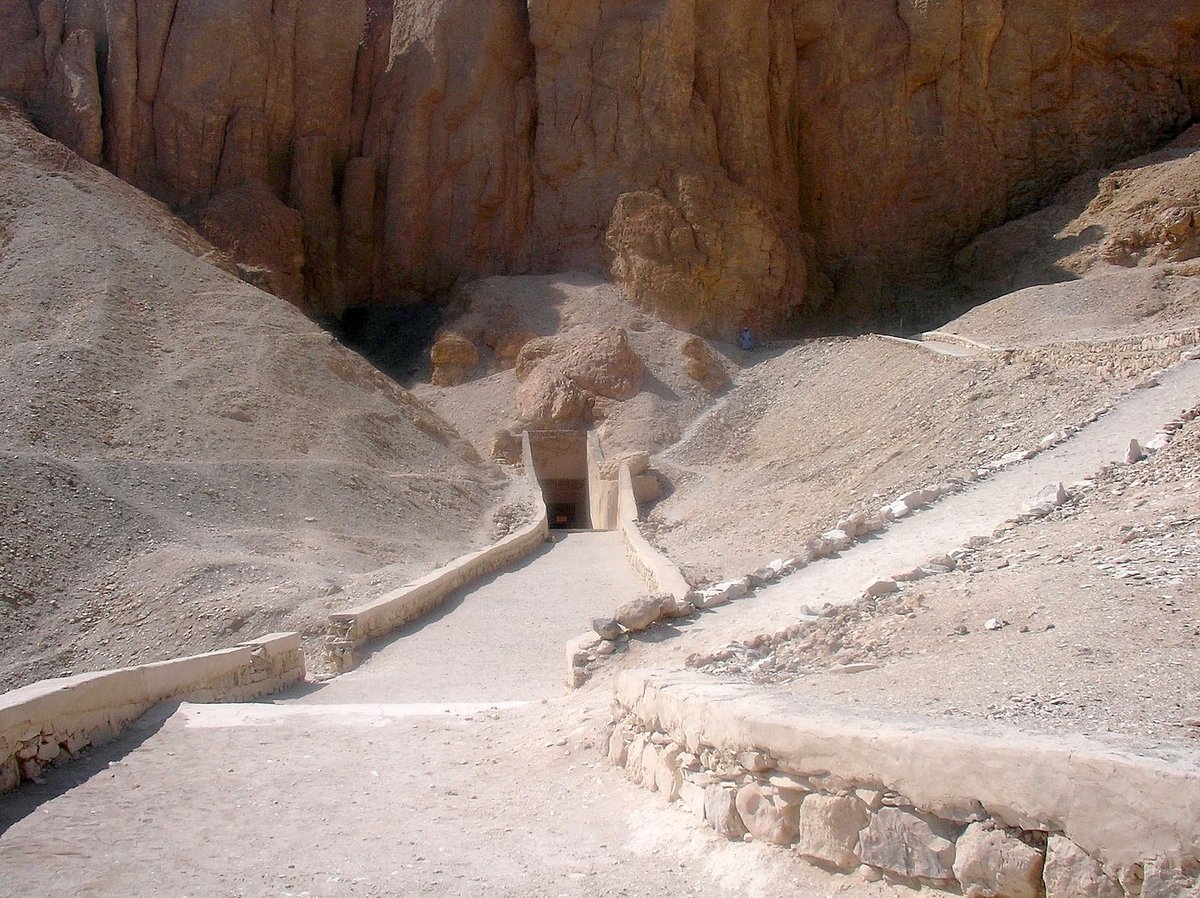

Tomb KV19, located in a side branch of Egypt's Valley of the Kings, was intended as the burial place of Prince Ramesses Sethherkhepshef, better known as Pharaoh Ramesses VIII, but was later used for the burial of Prince Mentuherkhepshef instead, the son of Ramesses IX, who predeceased his father. Though incomplete and used "as is," the decoration is considered to be of the highest quality.
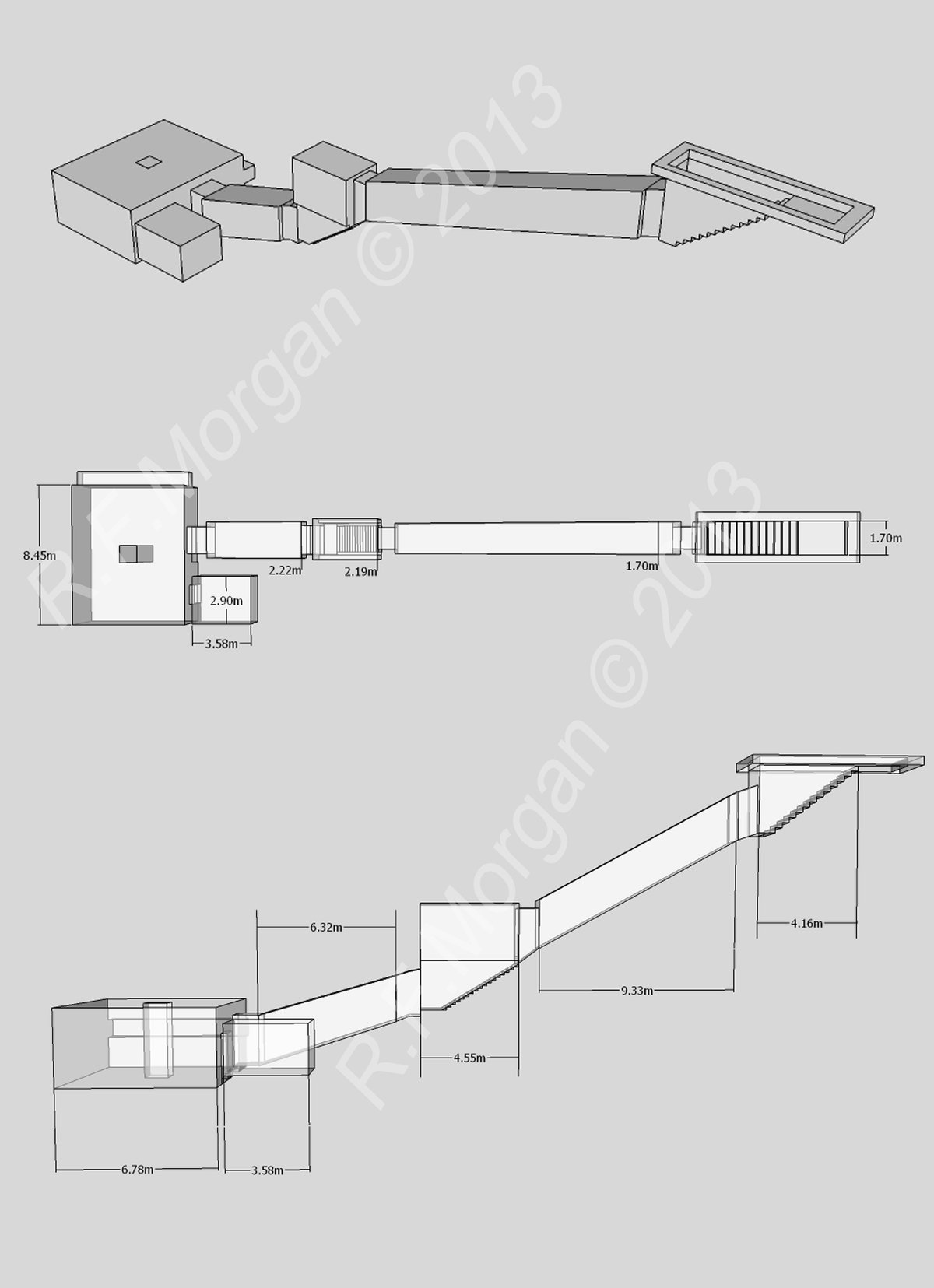
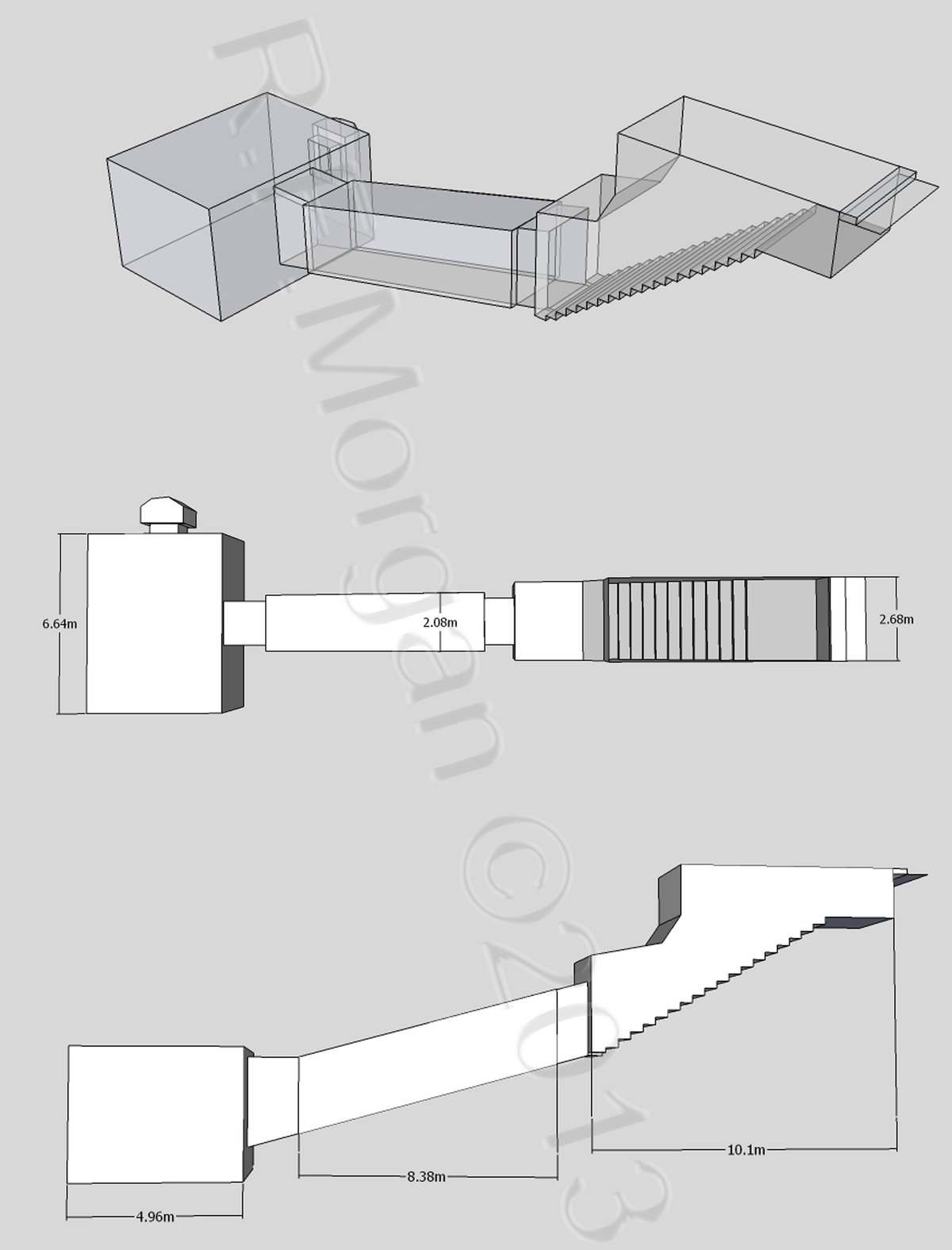
The tomb is located under the cliffs on the eastern side of the Valley of the Kings, between the tombs of Thutmose IV (KV43) and Hatshepsut (KV20). The simple layout consists of a single corridor; quarrying had barely progressed into the second corridor when work stopped. At the end of the corridor, an oblong pit was sunk into the floor to receive the burial, which was covered with limestone slabs. Traces of an original inscription on the door jambs reveal that the tomb was intended for Ramesses VIII when he was a prince.
Giovanni Battista Belzoni rediscovered the tomb on 9 October 1817, making special mention of the decoration. He noted that the painted figures on the walls were so perfect that they gave a clear idea of the Egyptian taste. Later, explorer Edward R. Ayrton excavated the site in 1906. He found the tomb half filled with large blocks and recovered some ostraca naming Ramesses IV and Ramesses X, along with faience items and parts of a large stela dedicated by a necropolis workman named Hay.
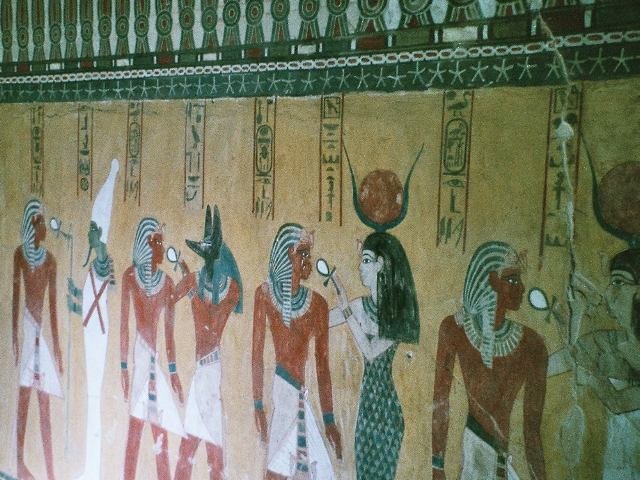
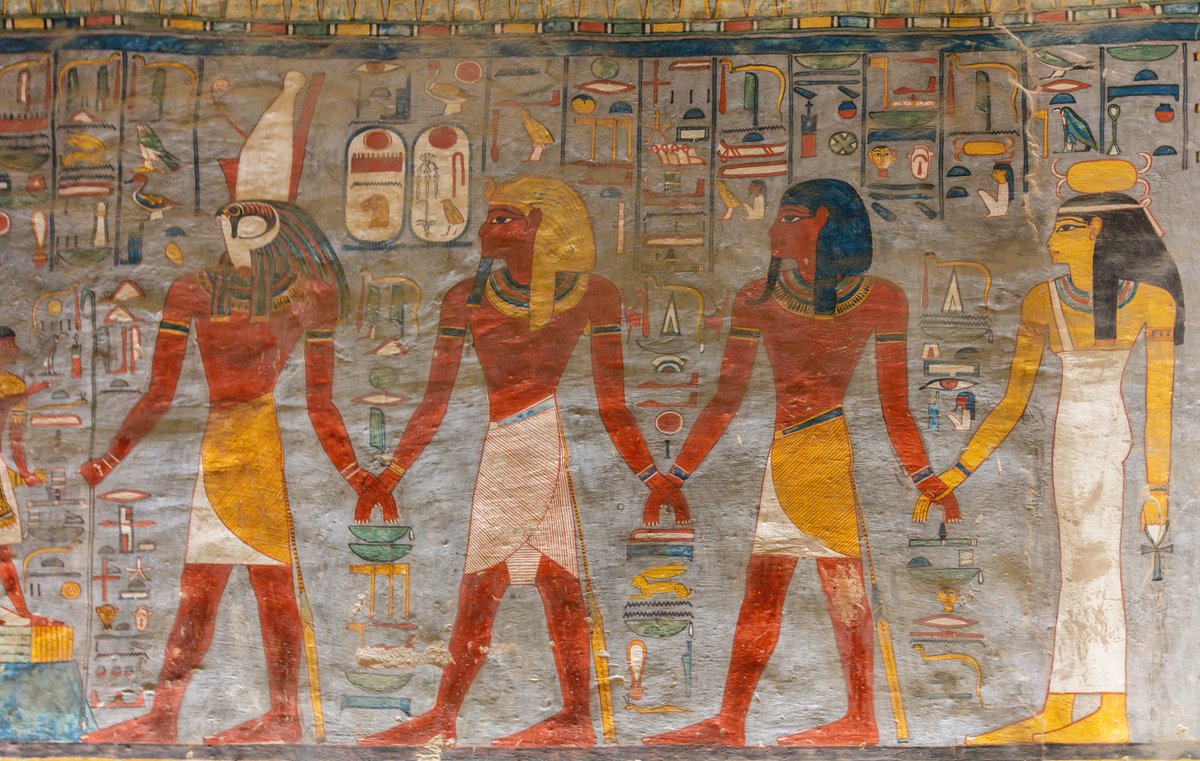
The interior decoration is executed on a fine white plaster background. Painted immediately on either side of the entrance are the two halves of a door, featuring hieratic text from the Book of the Dead. The length of the corridor is painted with seven scenes on each side, showcasing the finest Ramesside style. In some places, signs showing evidence of the change of ownership from Sethherkhepeshef to Mentuherkhepeshef can still be seen, as traces of the Seth animal can be seen underneath the falcon symbol for Montu.
Sources: Wikipedia, OpenStreetMap, Wikidata, Wikimedia Commons
Written by Mutabor
Discuss this with the author and others
No comments yet. Be the first to start the conversation.