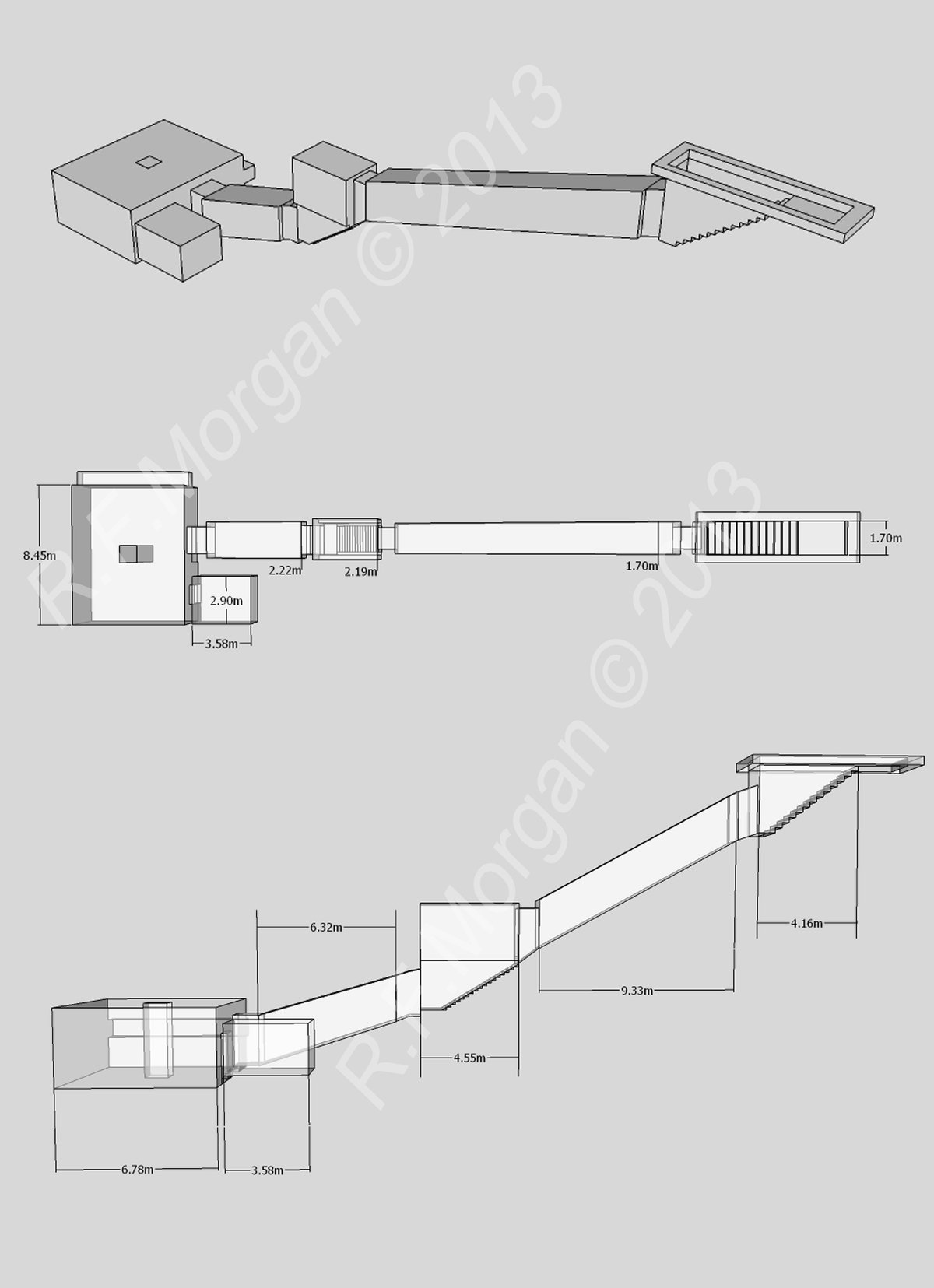

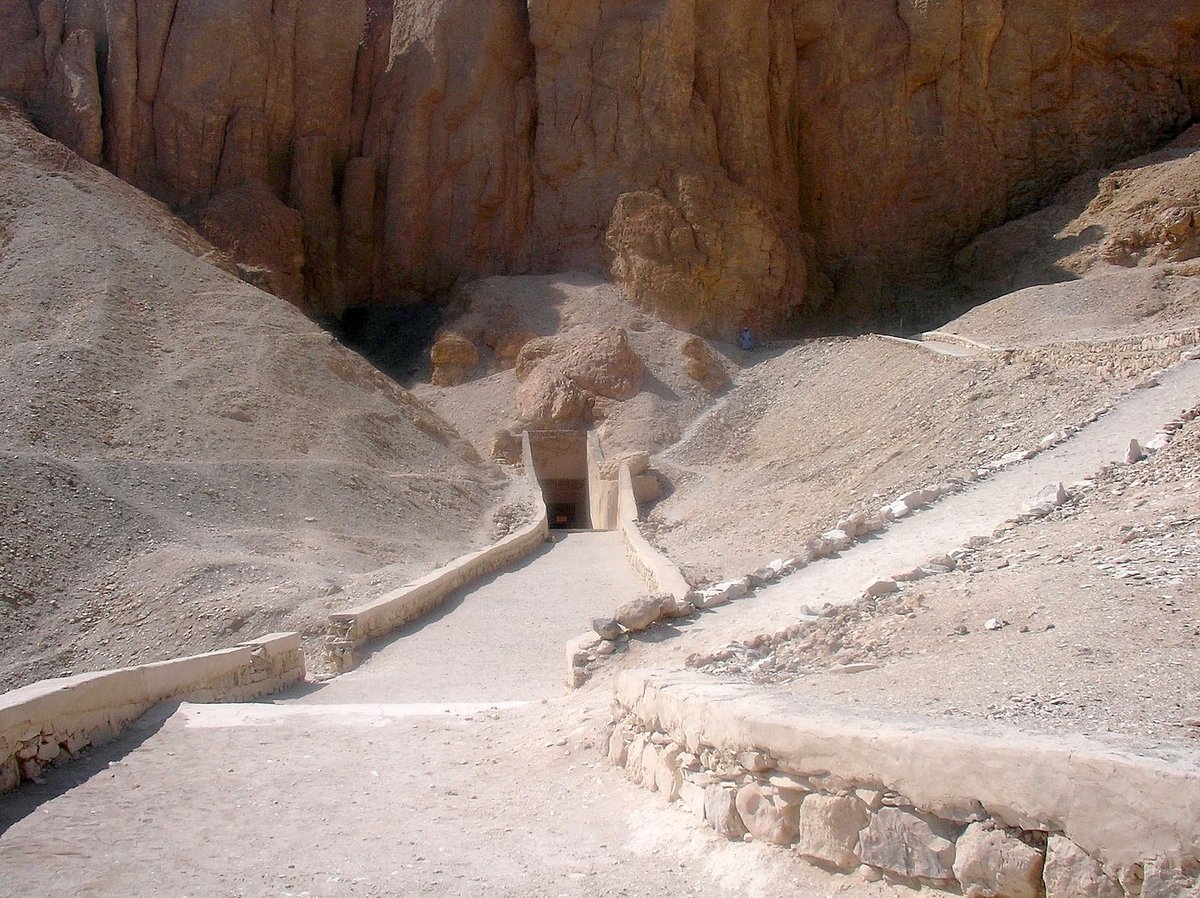
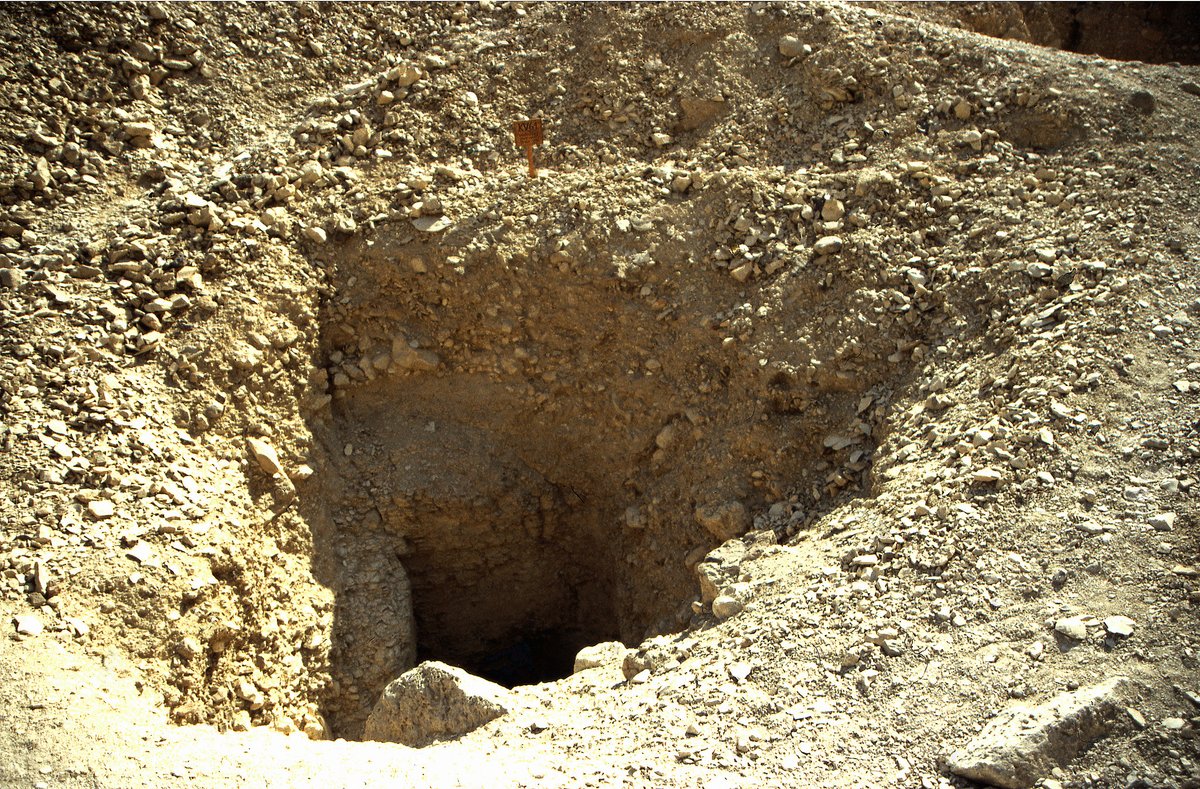
In the heart of the Valley of the Kings, tomb KV21 shelters two mummies of Eighteenth Dynasty queens. Discovered by Giovanni Belzoni in 1817, the tomb was re-excavated in 1989 by Donald Ryan as part of the Pacific Lutheran University Valley of the Kings Project. At that time, Ryan found the entrance buried under flood debris. He discovered the two female mummies in scattered pieces, with white-washed jars in the side chamber smashed by large rocks, and a large graffito on one of the walls proclaiming 'ME 1826'.
One mummy, KV21A, was tentatively identified in 2010 as the biological mother of the two infants buried in the tomb of King Tutankhamun. DNA analysis tied her to the late Eighteenth Dynasty royal line, and Zahi Hawass suggested she might be Ankhesenamun, the Great Royal Wife of Tutankhamun. However, genetic research suggests that if the mummy KV55 is Akhenaten, then KV21A cannot be his daughter. Other theories suggest KV21A could be Smenkhkare's daughter or that Tutankhamun had children by different women. Alternatively, Marc Gabolde proposed that KV21A might be Mutemwiya, the mother of Amenhotep III.
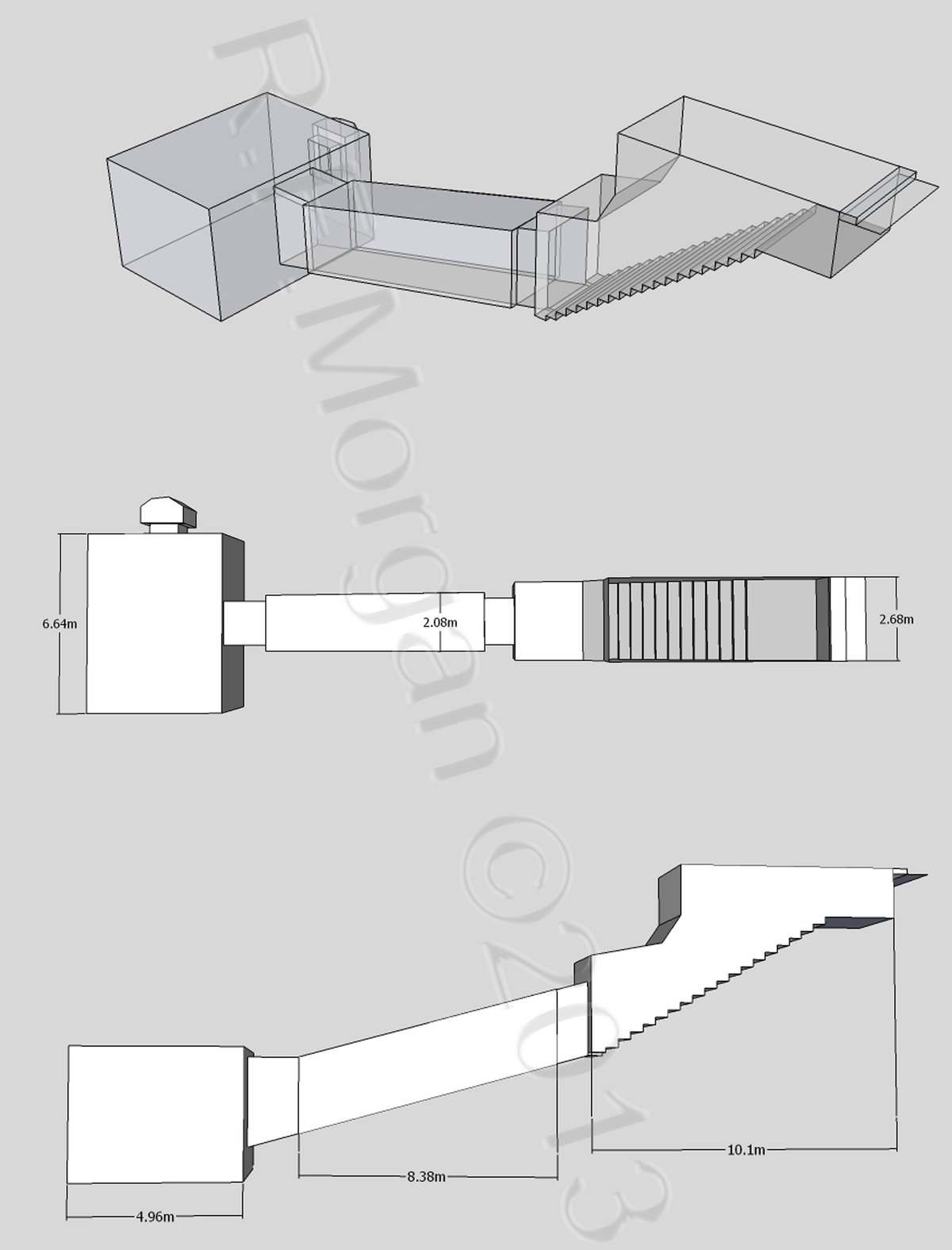
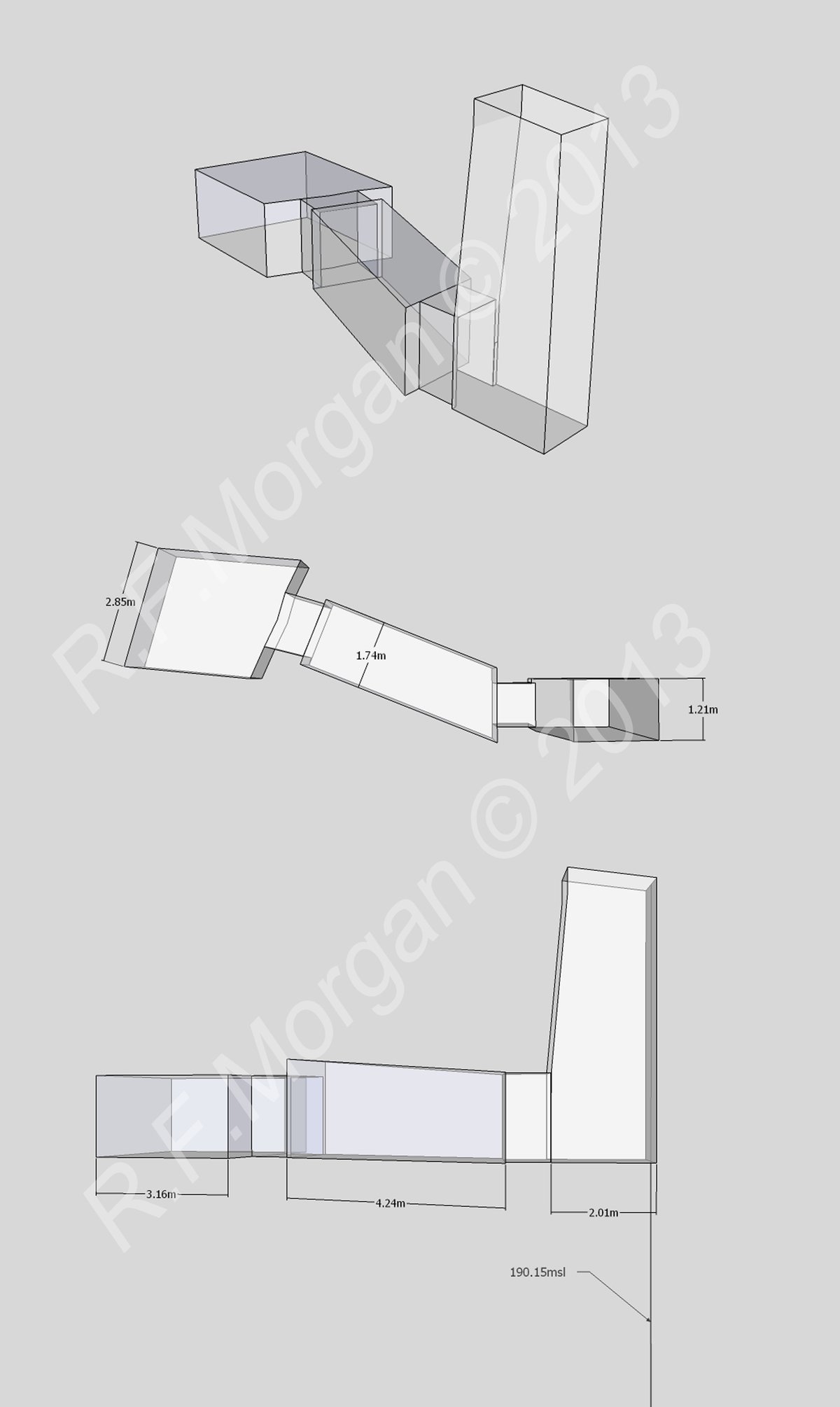
The tomb features a sloping descending passageway, a staircase, and a room with a single central column. Analysis of small finds from the site by the Valley of the Kings Project in 2005 categorized the objects into three groups: those from the Eighteenth Dynasty, those from the Third Intermediate Period, and strays washed in, including an ushabti for a Ramesside pharaoh. Although water had penetrated the tomb during the 1994 floods, the packed contents remained secure and dry.
Sources: Wikipedia, OpenStreetMap, Wikidata, Wikimedia Commons
Written by Mutabor
Discuss this with the author and others
No comments yet. Be the first to start the conversation.