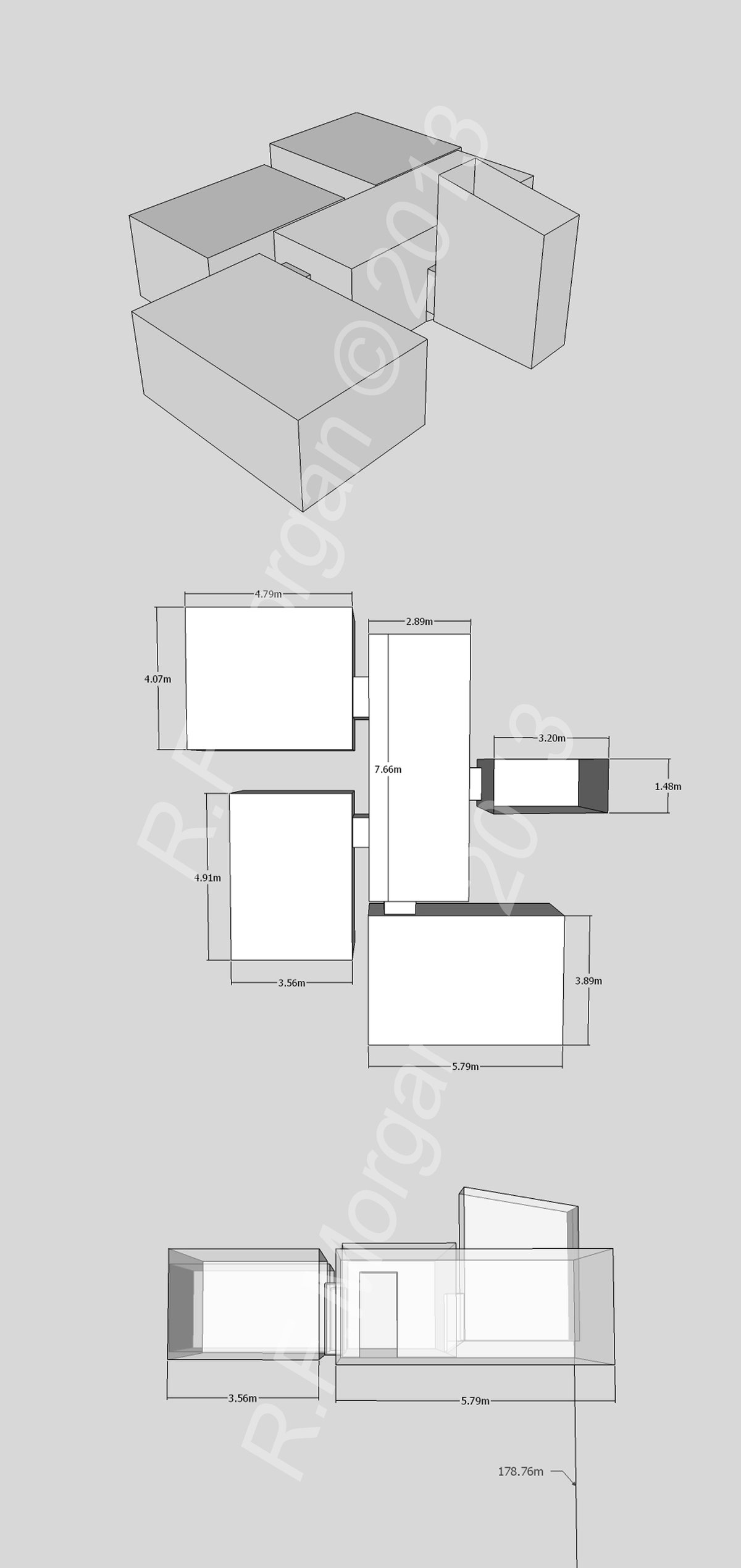

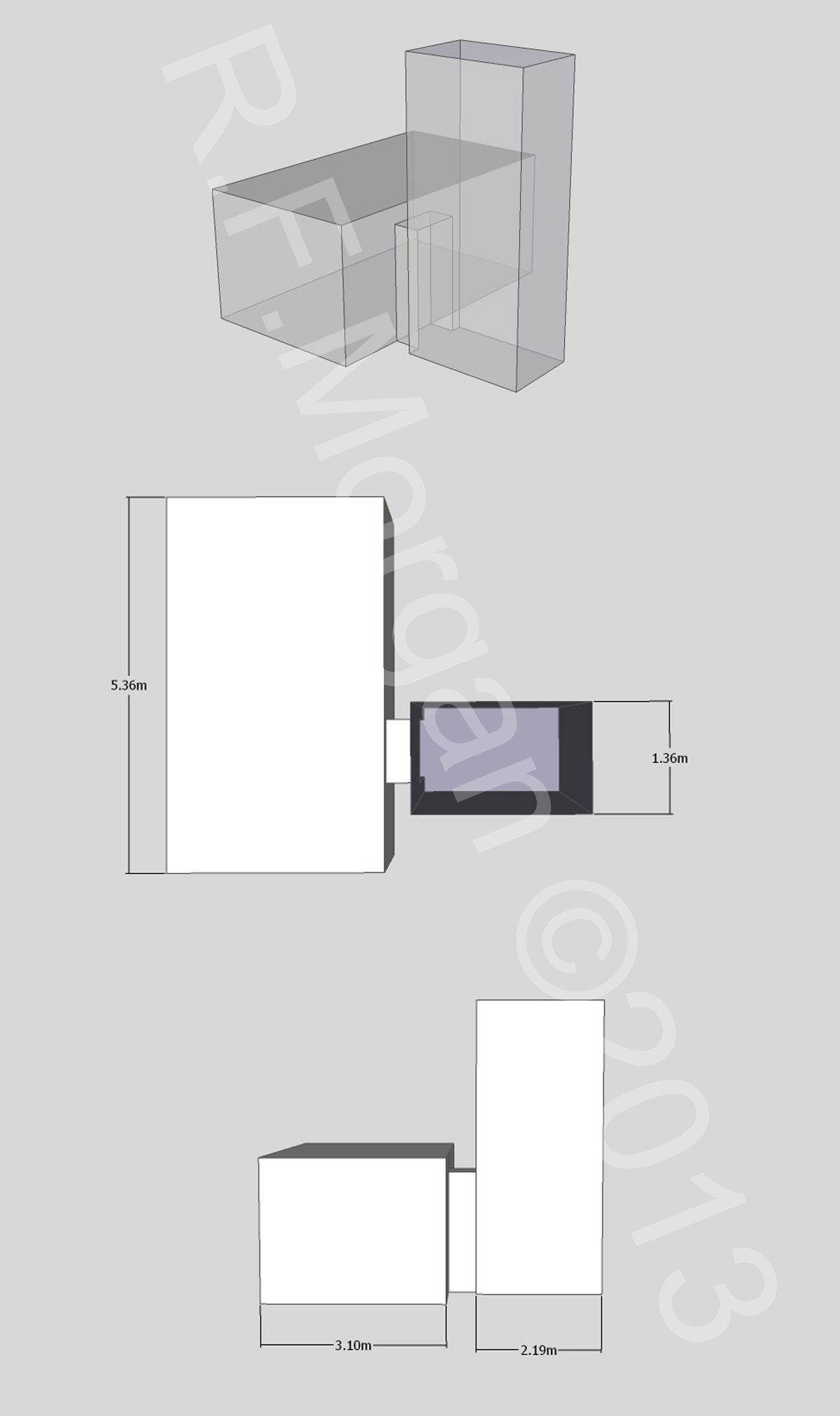
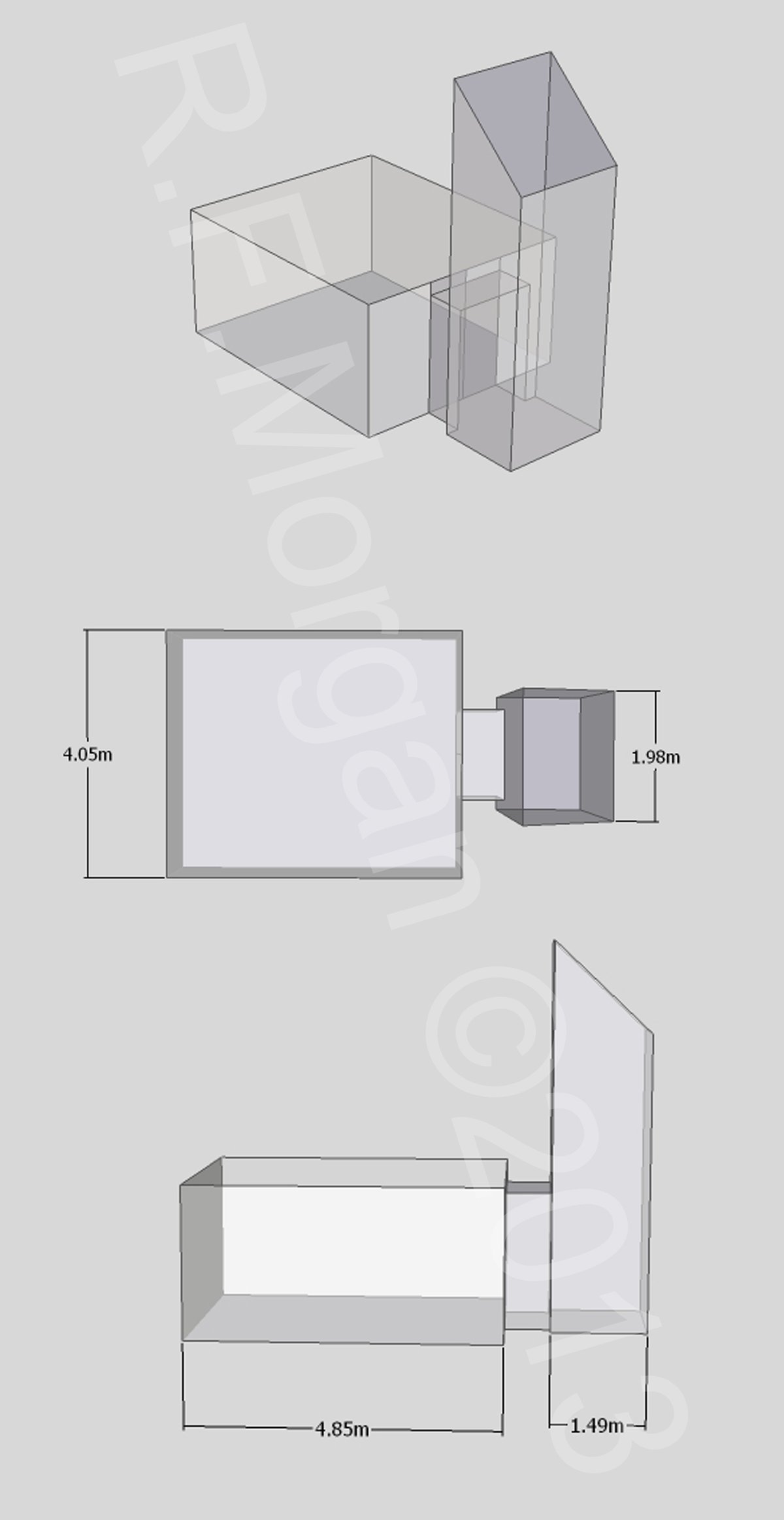
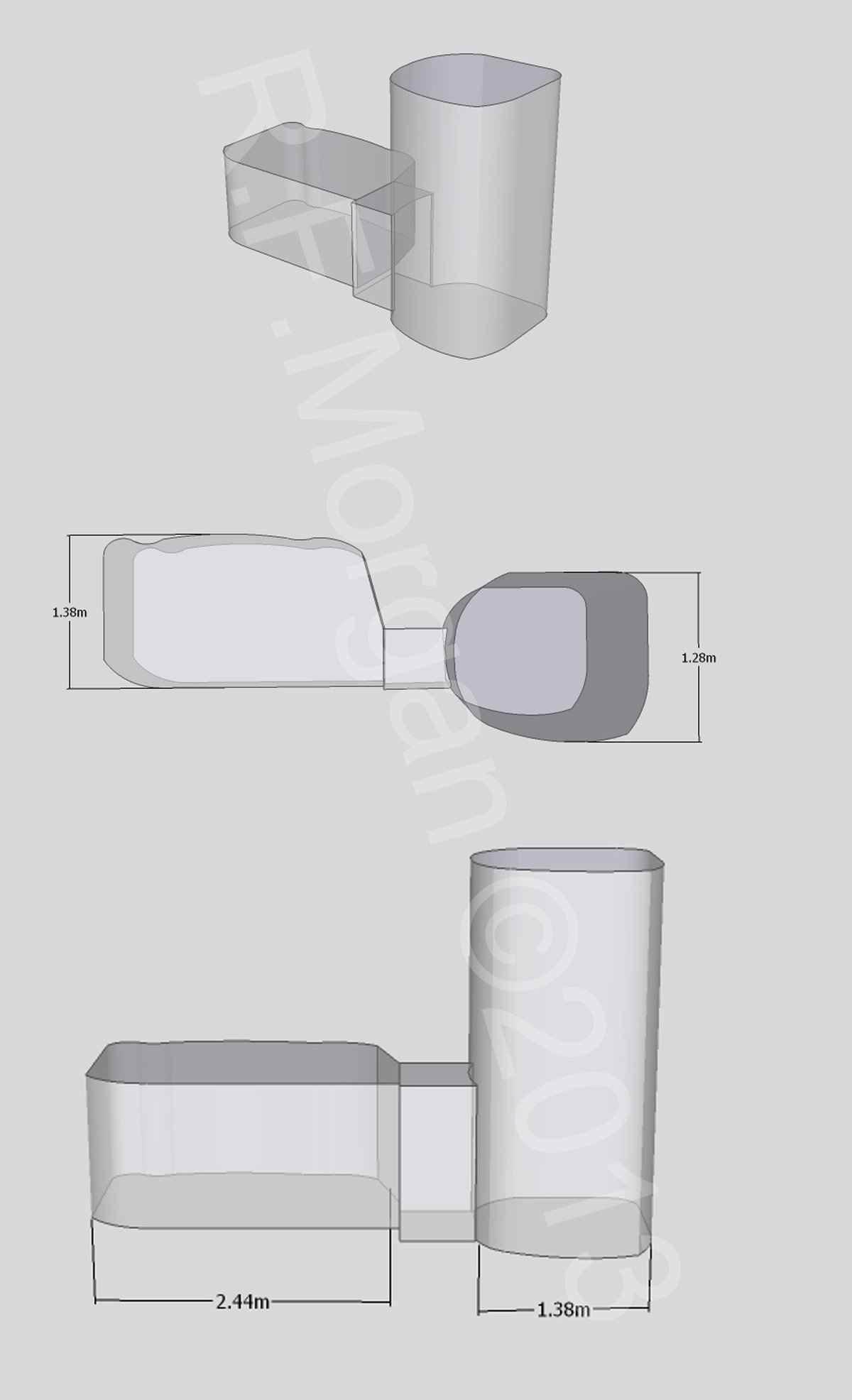
Tomb KV27 is located in the Valley of the Kings in Egypt, situated between tombs KV21 and KV28 in a side wadi that branches off the main valley. The tomb consists of a shaft and four rooms and is undecorated. While the original excavator for this tomb is unknown and no records exist of its discovery, it was visited by John Wilkinson and described by Eugène Lefébure as containing pieces of a mummy. Excavation of the tomb was undertaken by the Pacific Lutheran University's Valley of the Kings Project in 1993 and 2006.
The tomb has a simple layout and is most similar to KV30, appearing to be an expanded version of a shaft tomb with a single room or an architectural halfway point between a single-roomed shaft tomb and those with multiple rooms opening from one or more corridors. An unusual feature of the tomb is a plastered ramp leading from the main chamber (B) to a side chamber (C). Pottery excavated from the site dates to the mid-Eighteenth Dynasty.
During the 1993 season, the shaft was partially excavated, yielding small amounts of pottery and fragmented remnants of the burial including wood, gold leaf, and wrappings. The Project returned in 2006 to undertake a fuller excavation, clearing the shaft and finding modern items such as rubbish and souvenirs. The tomb was found to be almost entirely full of flood debris, with a catastrophic flooding event having violently smashed and mixed the contents. This event is evidenced by large stones mixed with the ceramics.
Side Chamber C was almost entirely full of pottery sherds, mostly from white-washed storage jars. This chamber contained the majority of the human remains uncovered thus far, including a partial skull, vertebrae, ribs, and a right arm from a single individual aged at least thirty years. Animal bones were also present, though these are likely the remains of food mummies for the deceased. The chamber also contained two inscribed fragments of a canopic jar naming a certain "god's father" Userhet, who is thought to be the owner of KV45.
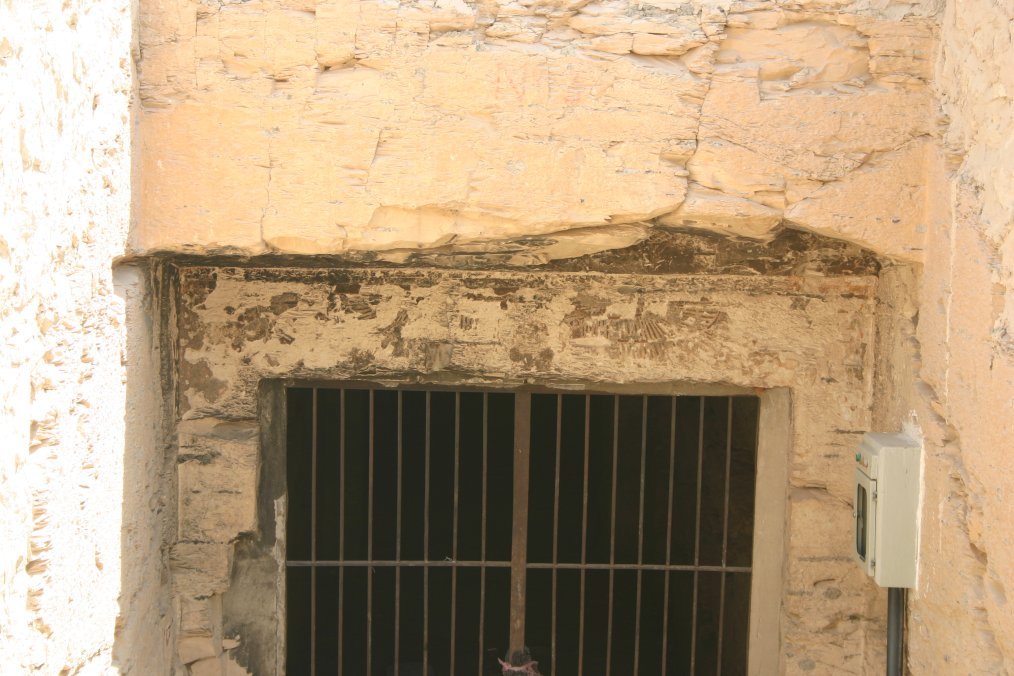
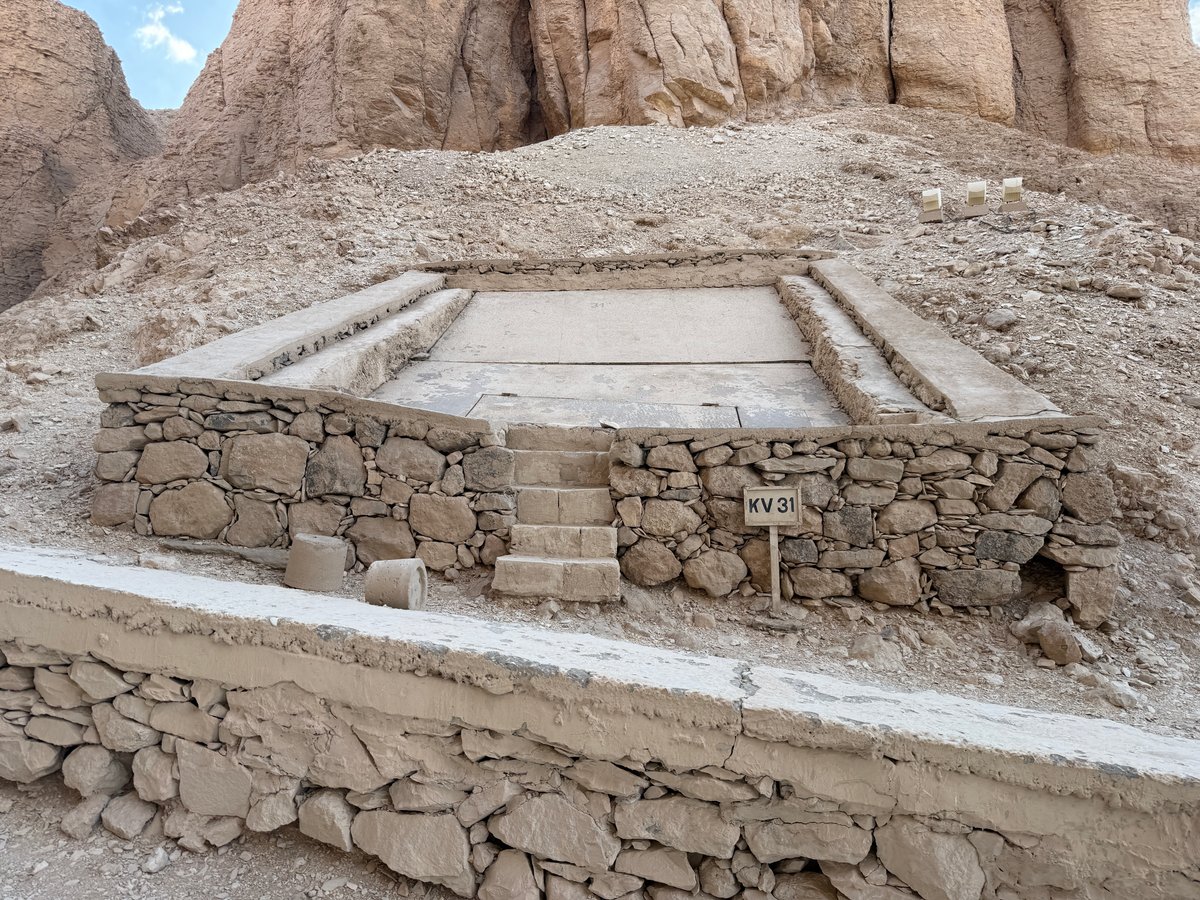
At the conclusion of the 2006 excavation, a steel door was added to secure the tomb. The wall around the shaft was repaired and a diversion wall was built to protect from flooding. As of 2007, the tomb stores the pottery found in it, while other finds are stored in KV21 for flood protection. The Theban Mapping Project provides detailed maps of most of the tombs in this area.
Sources: Wikipedia, OpenStreetMap, Wikidata, Wikimedia Commons
Written by Mutabor
Discuss this with the author and others
No comments yet. Be the first to start the conversation.