
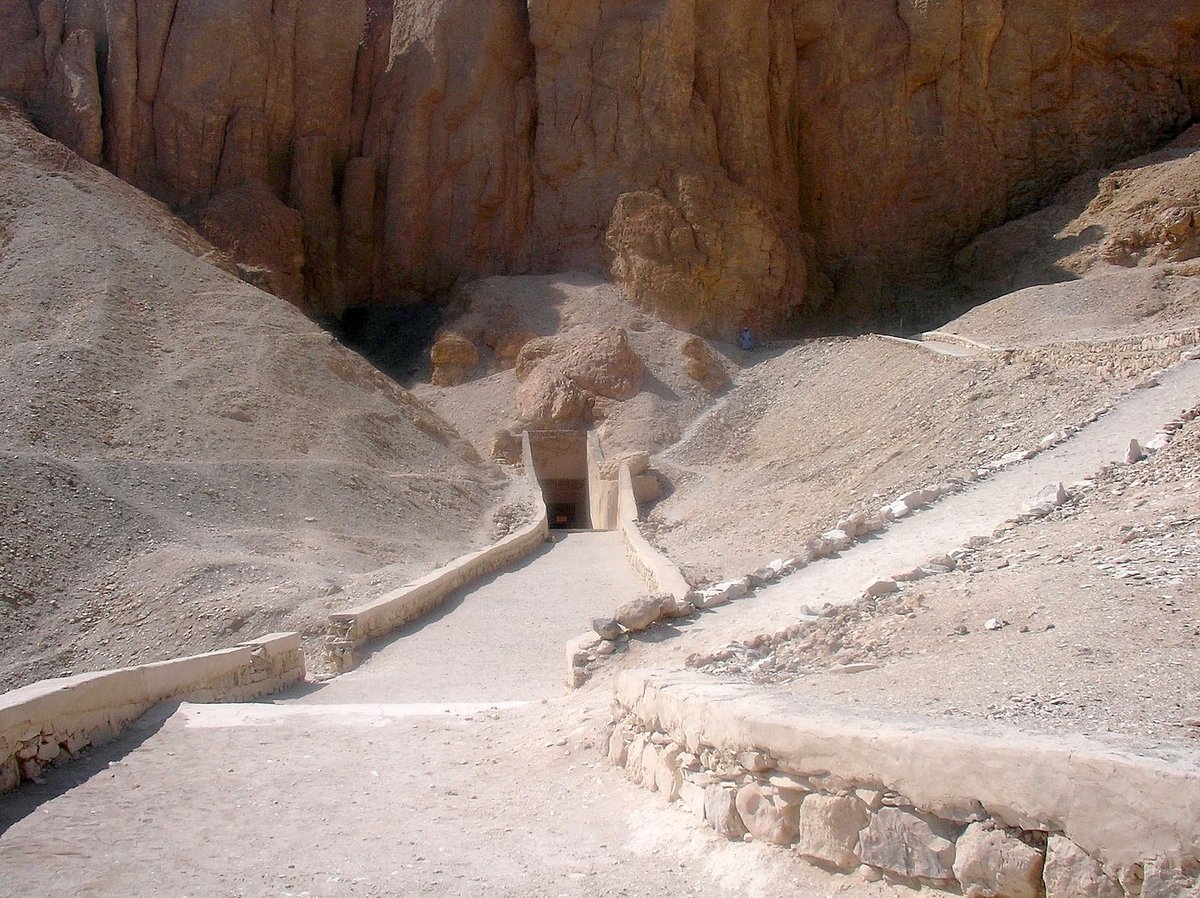
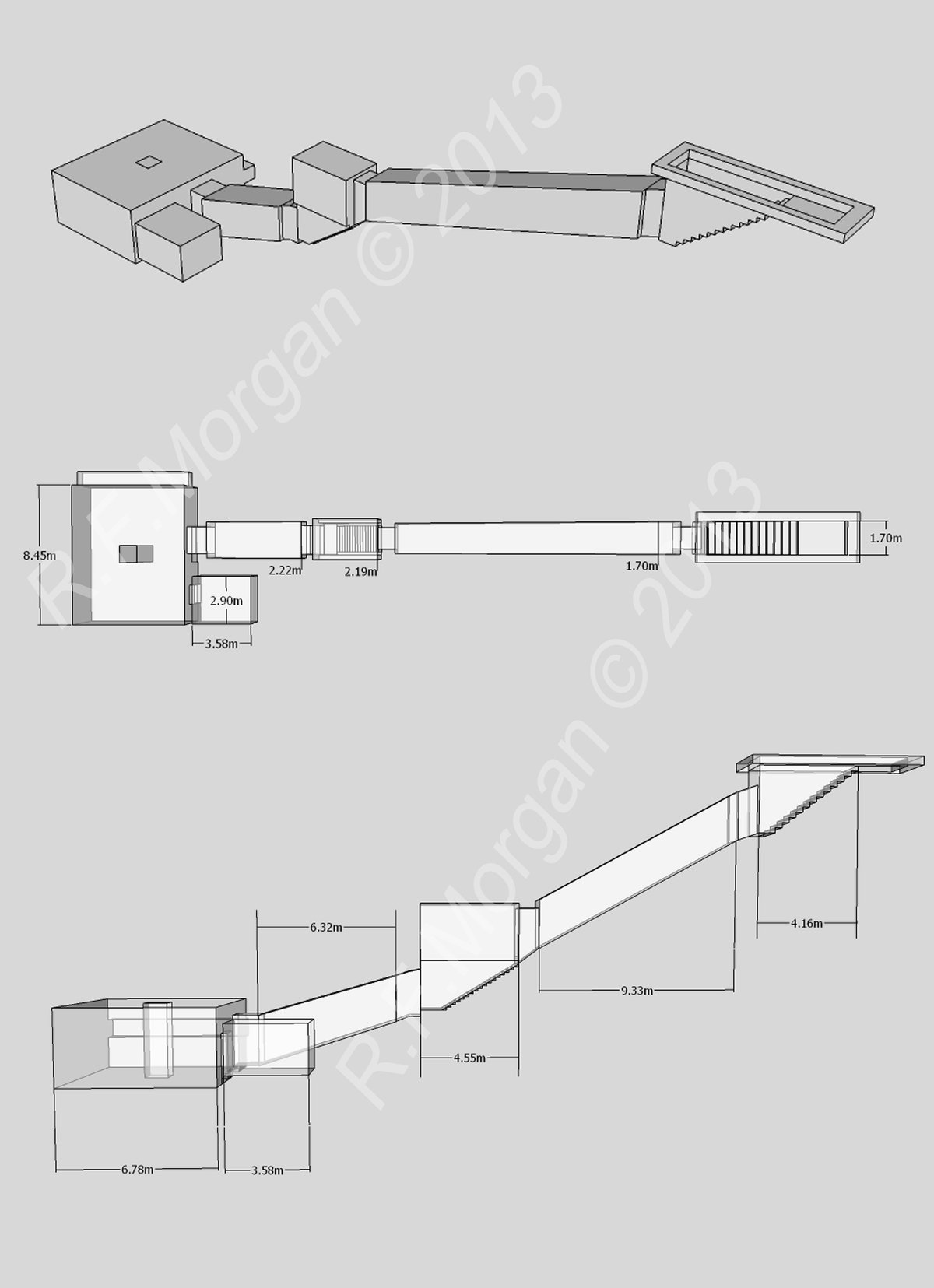
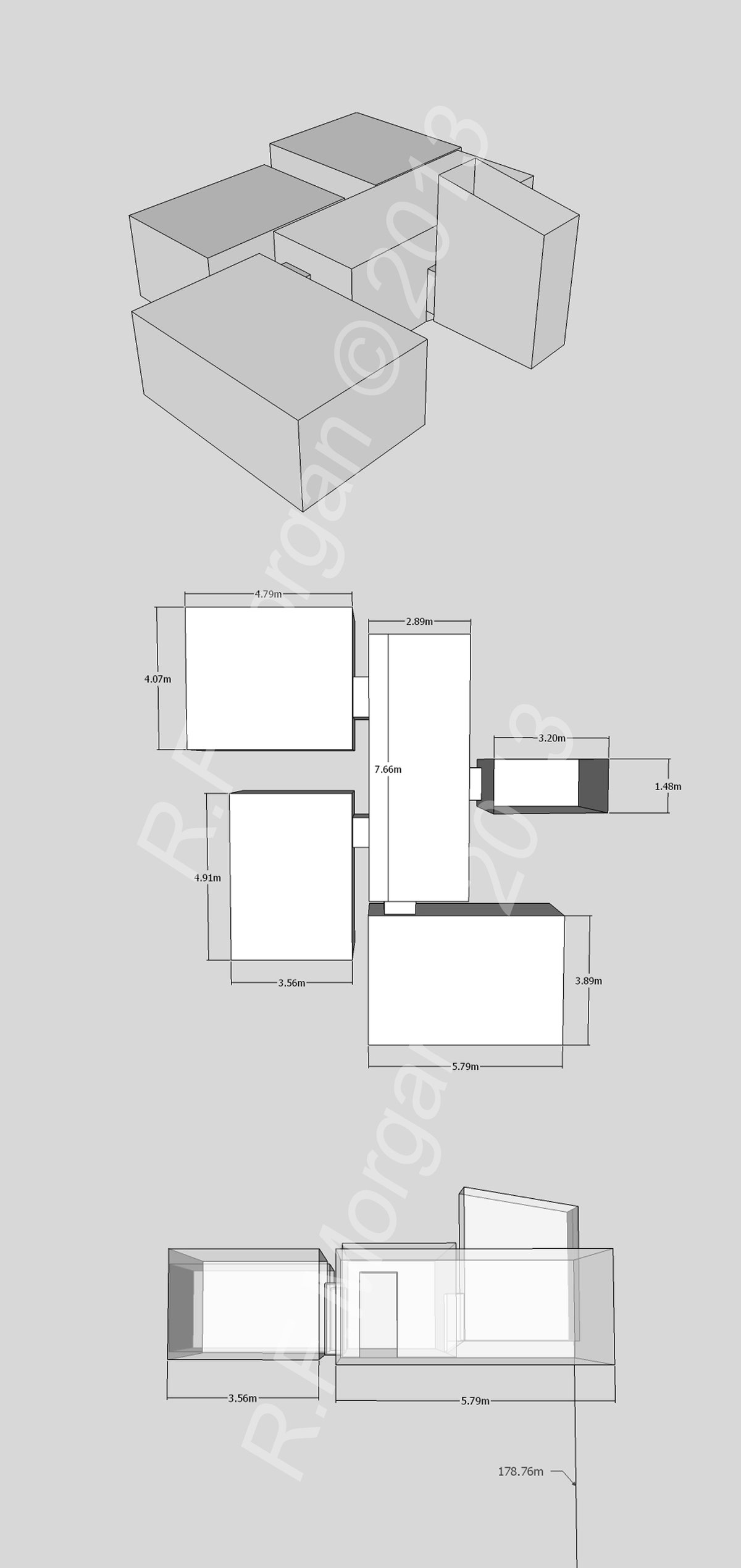
Tomb KV43 is the burial place of Thutmose IV, a pharaoh of the Eighteenth Dynasty in the Valley of the Kings. He was interred with two of his children who predeceased him, Prince Amenemhat and Princess Tentamun. The tomb has a dog-leg shape, typical of the layout of early Eighteenth dynasty tombs. It was rediscovered in 1903 by Howard Carter, who suspected the location after finding an alabaster vase inscribed with the king's name in 1902.
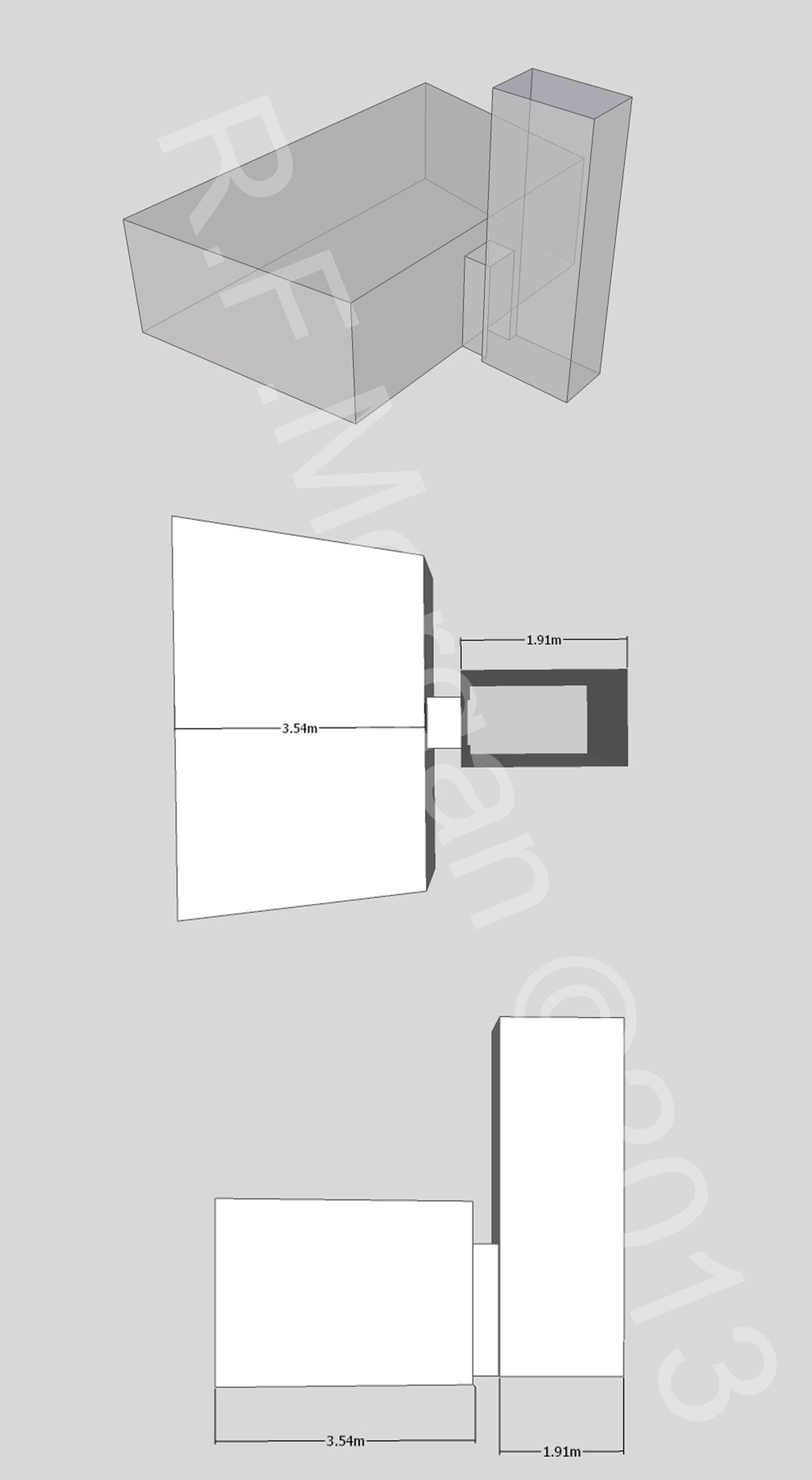
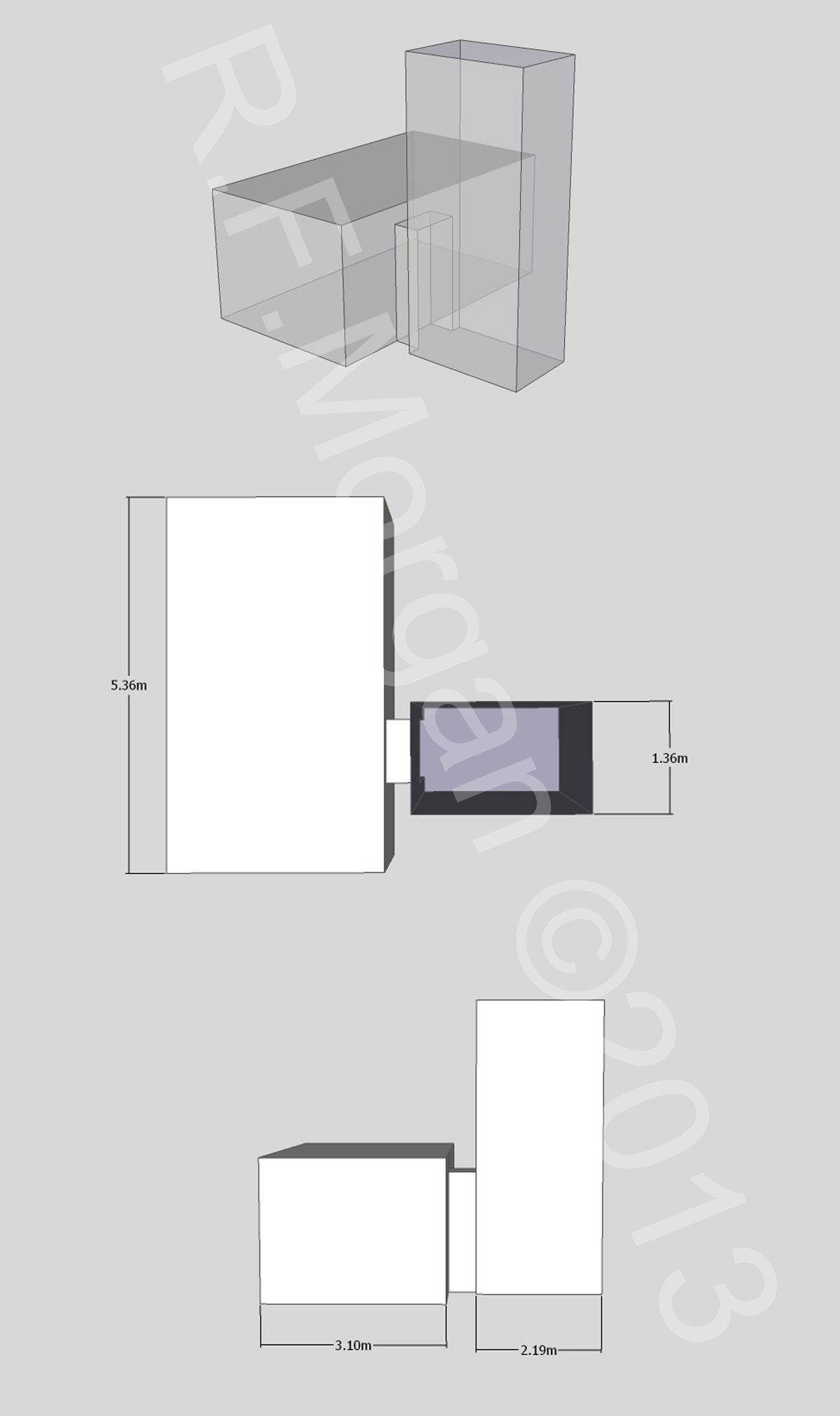
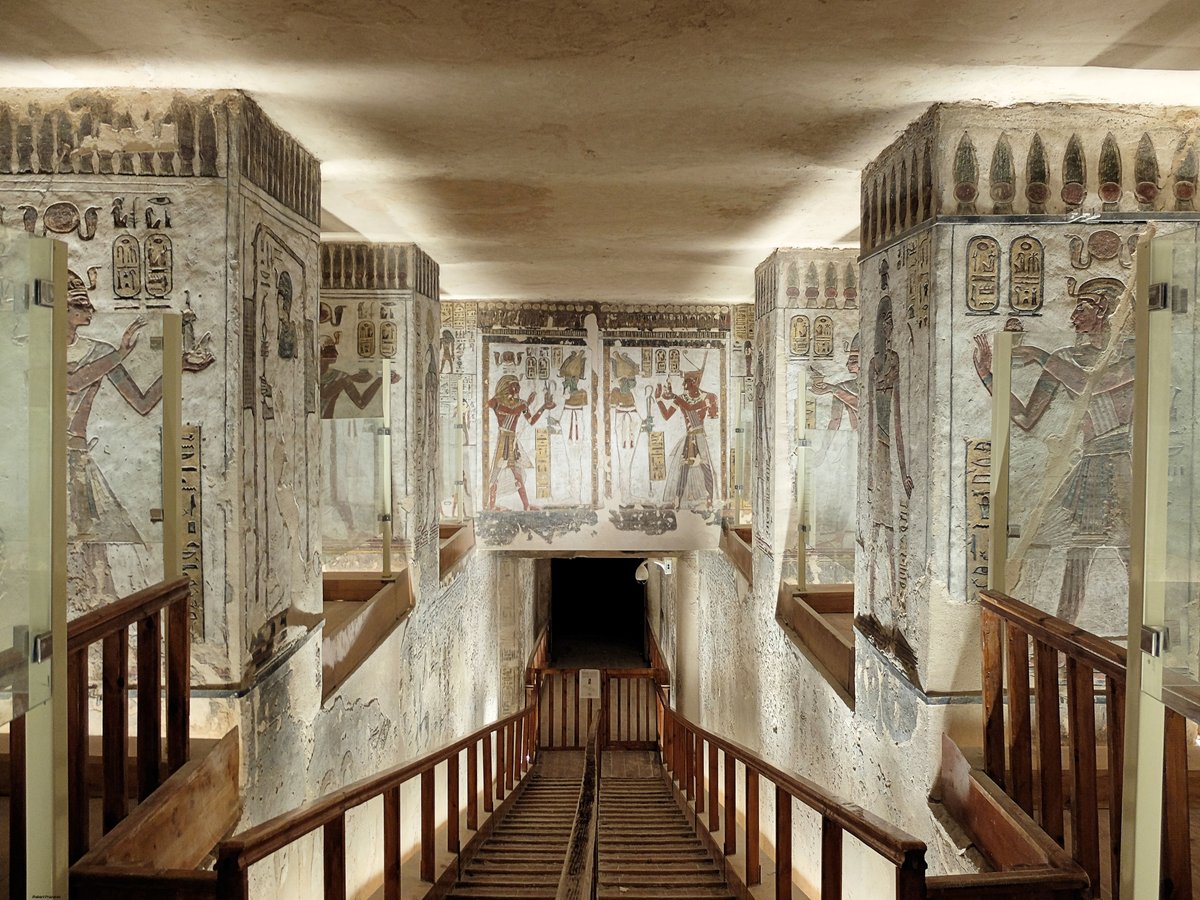
The tomb follows on from the design of KV35, the tomb of Thutmose IV's father, but is more precise in its cutting. The first three corridors end in a deep well with a chamber at the bottom, likely intended to throw off tomb robbers. Past the well leads to the first pillared hall, where the axis turns 90 degrees. This leads, with stairs and a sloping corridor, to the antechamber and burial chamber. An innovative feature of this tomb is the presence of magical niches, which are seen in all later 18th Dynasty and early 19th Dynasty tombs.
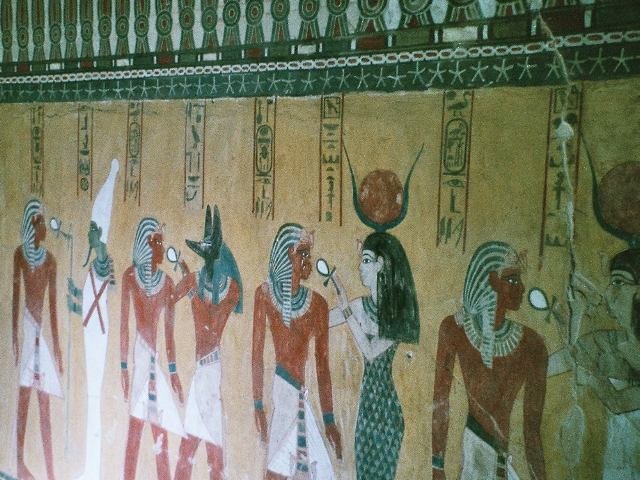
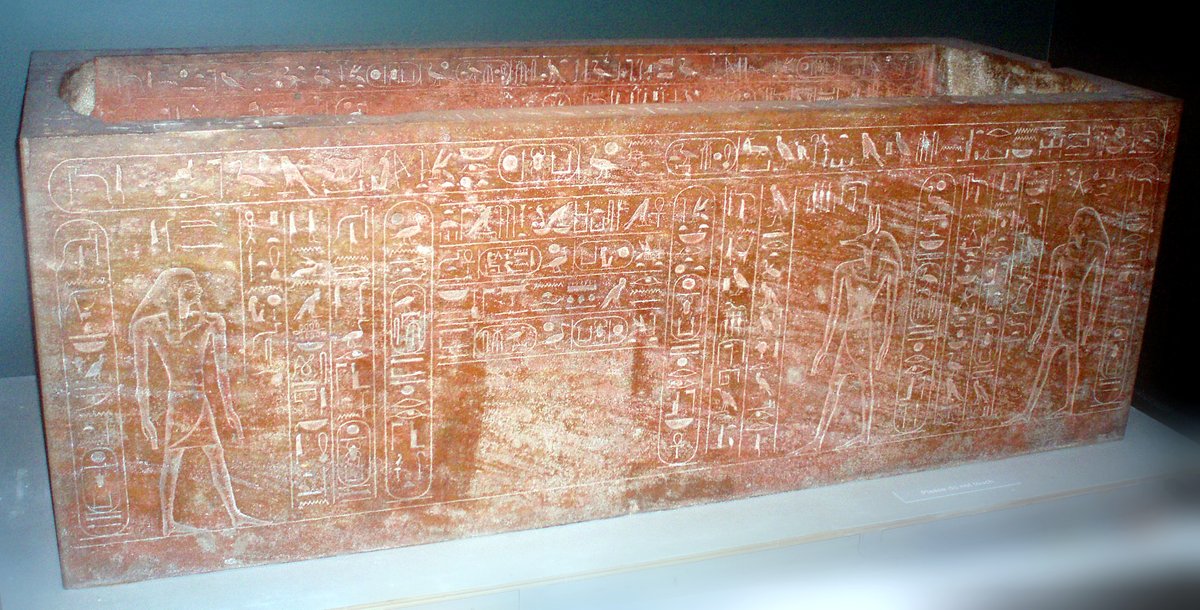
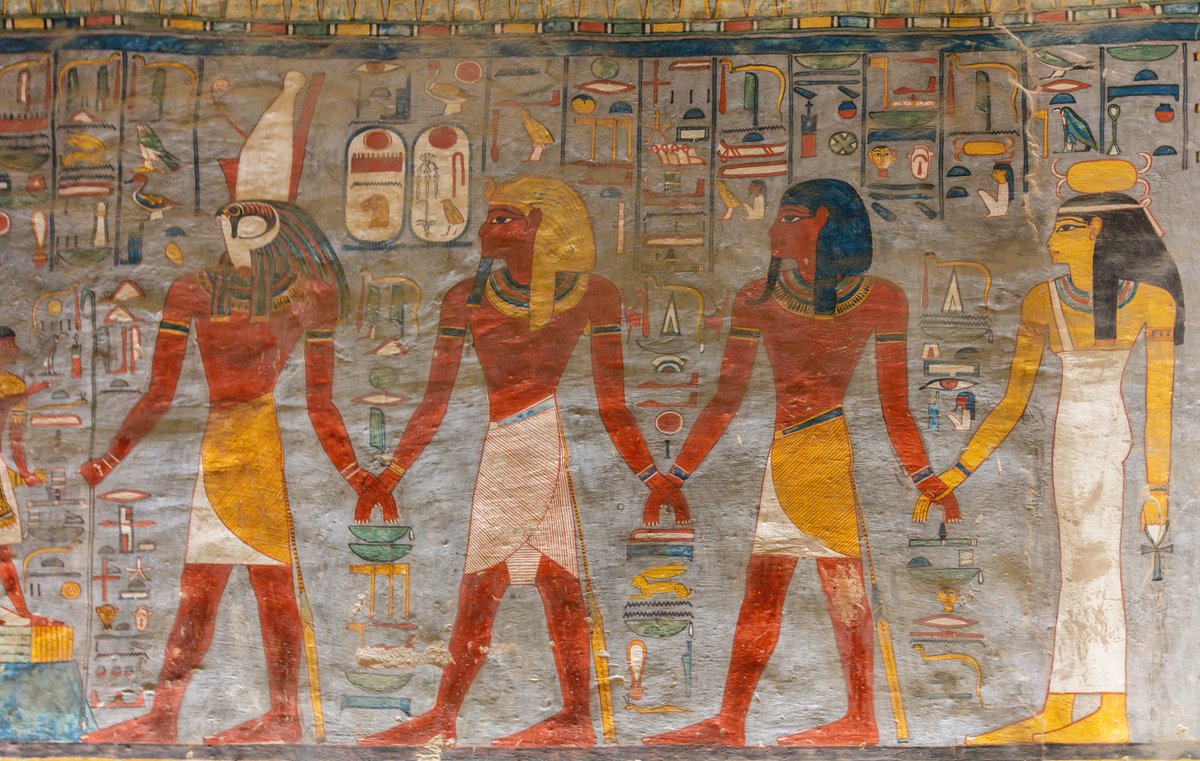
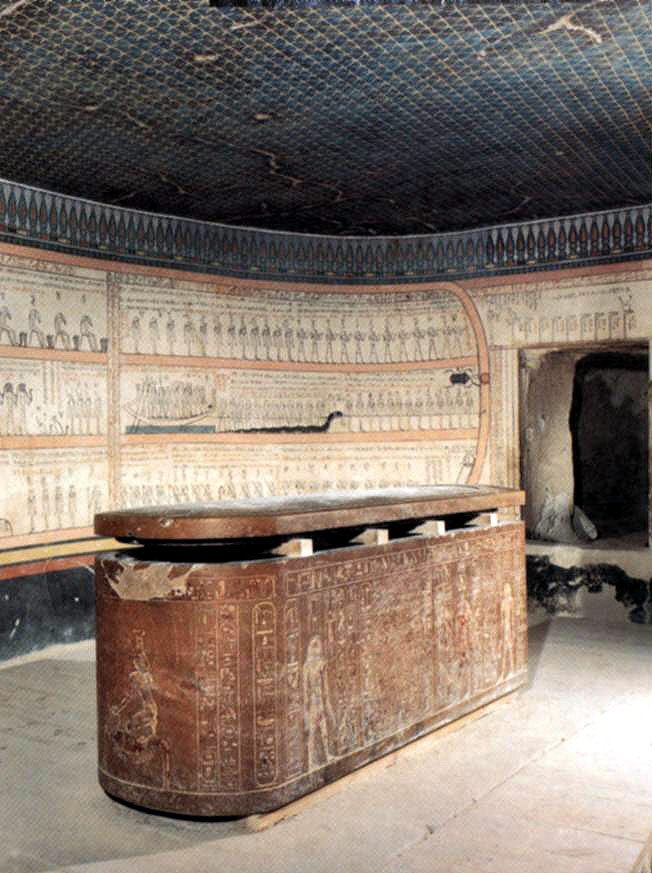
In the burial chamber, the pharaoh's red stone sarcophagus was found with its lid propped up beside it. The sarcophagus was covered in yellow-filled text and figures, and it only contained two wooden figures as the king's mummy had been found five years earlier in KV35. While the tomb had been thoroughly robbed in antiquity, it retains unique decorations. Due to his untimely death, only the upper part of the well shaft and the antechamber were decorated with yellow stars on a blue background.
The tomb contains restoration graffiti left by Djehutymose, a subordinate to Maya. It is believed that Maya delegated the task of inspecting and restoring the tomb to Djehutymose. Djehutymose is also known to have left similar graffiti in the tomb of Tutankhamun. Though the tomb was looted, the presence of two intact foundation deposits at the entrance containing alabaster vessels and model implements confirms its royal origin.
Sources: Wikipedia, OpenStreetMap, Wikidata, Wikimedia Commons
Written by Mutabor
Discuss this with the author and others
No comments yet. Be the first to start the conversation.