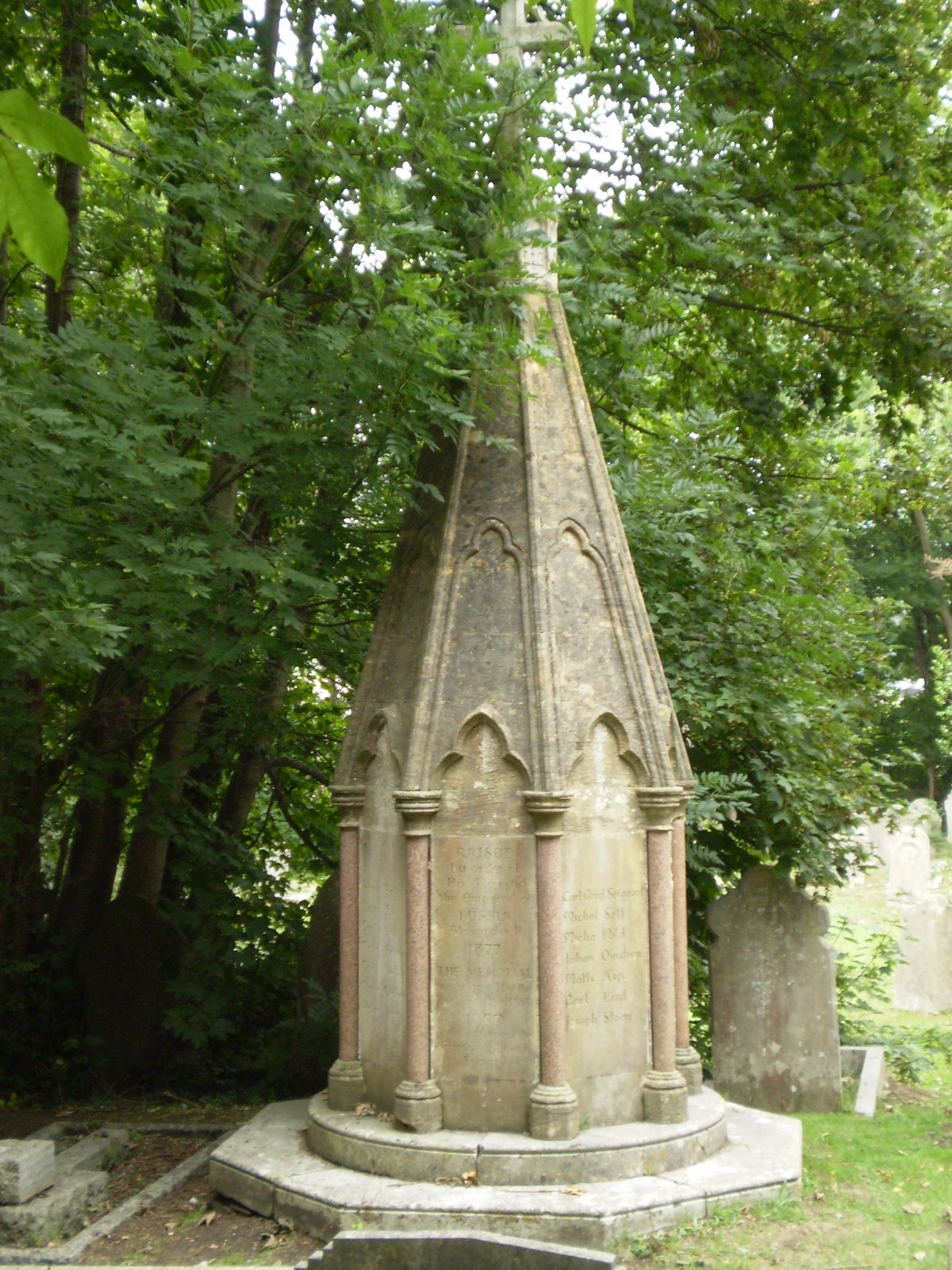

Why does a Russian memorial sit in a Sussex churchyard? It is a piece of history dating back to the Crimean War in the 1850s. After the British raided a fortress in Finland, they hauled hundreds of soldiers back to Lewes. Most of these men were Finnish conscripts because the Grand Duchy of Finland was part of the Russian Empire.
Were they treated like modern prisoners? The officers blended into local society, hunting on estates and attending concerts. Meanwhile, the men were kept in an old county gaol turned into a naval prison. They were set up to produce wooden toys for the public. The prison became a tourist attraction with up to 500 visitors a day. The prisoners sold their wares for high prices and even earned gold watches. Some people back home expressed disgust that the prisoners were being treated to luxuries while others were starving.
Some men rebelled against their conditions, and 28 prisoners died from disease, including tuberculosis. When they were finally sent home in 1856, the parting is said to have been genuinely sorrowful. The commanding officer wrote to the Senior Constable expressing gratitude for the hospitality and urbane treatment from the people of Lewes. The townsfolk lined the streets to watch them leave during a civic farewell.
If you visit St John sub Castro, you will find a memorial commissioned by Tsar Alexander II in 1877 to honor the 28 Finns who died there. Designed by Philip Currey and made by local mason John Strong, the neo-Gothic monument stands 17 feet tall. It takes the form of an octagonal drum with cusped arches, a tapering spire, an octagonal tabernacle, and a cross. It remains a permanent reminder of this period in Sussex history.
Sources: Wikipedia, OpenStreetMap, Wikidata, Wikimedia Commons

Written by Nicolo Ciampini
Discuss this with the author and others
No comments yet. Be the first to start the conversation.