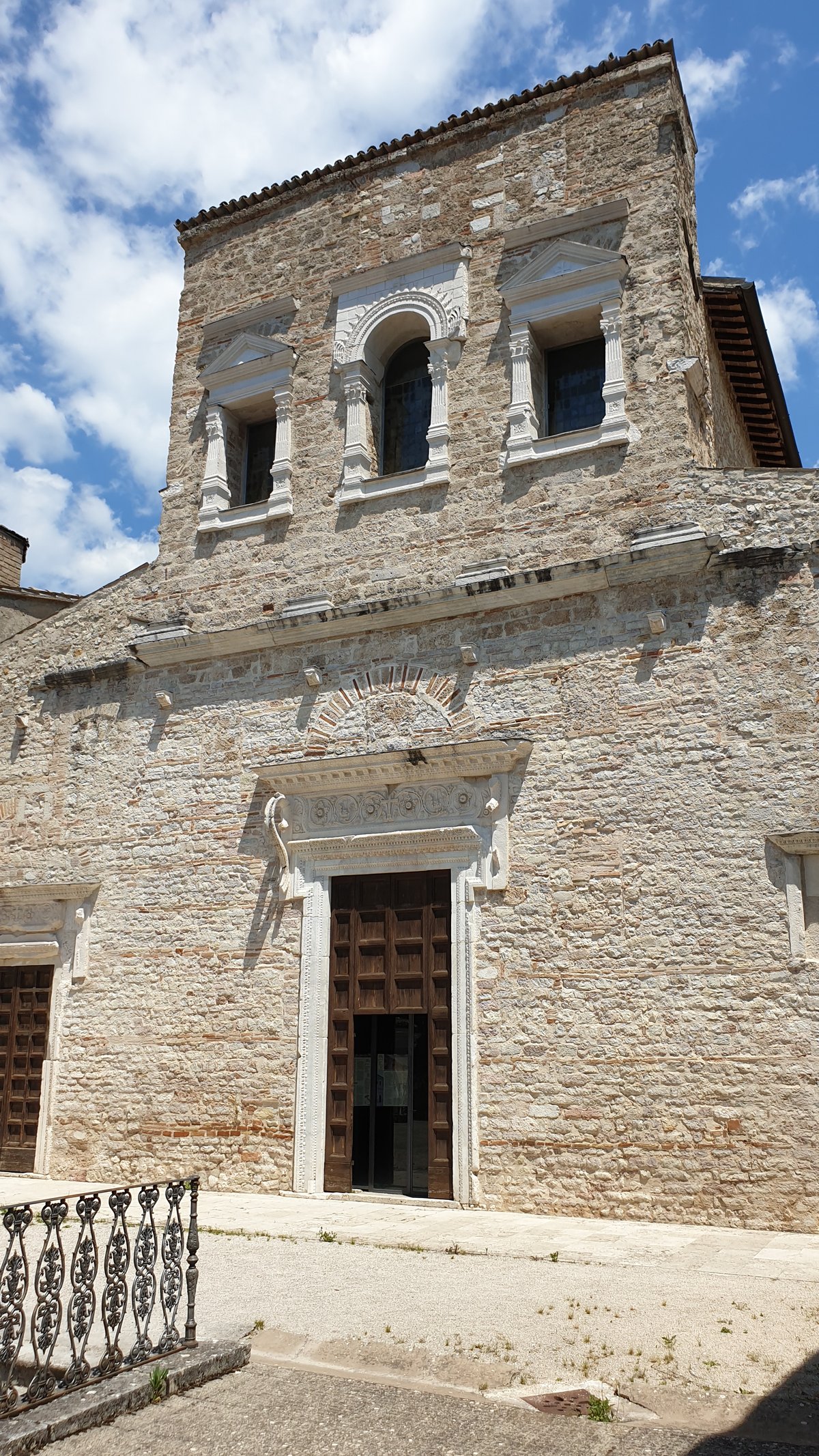

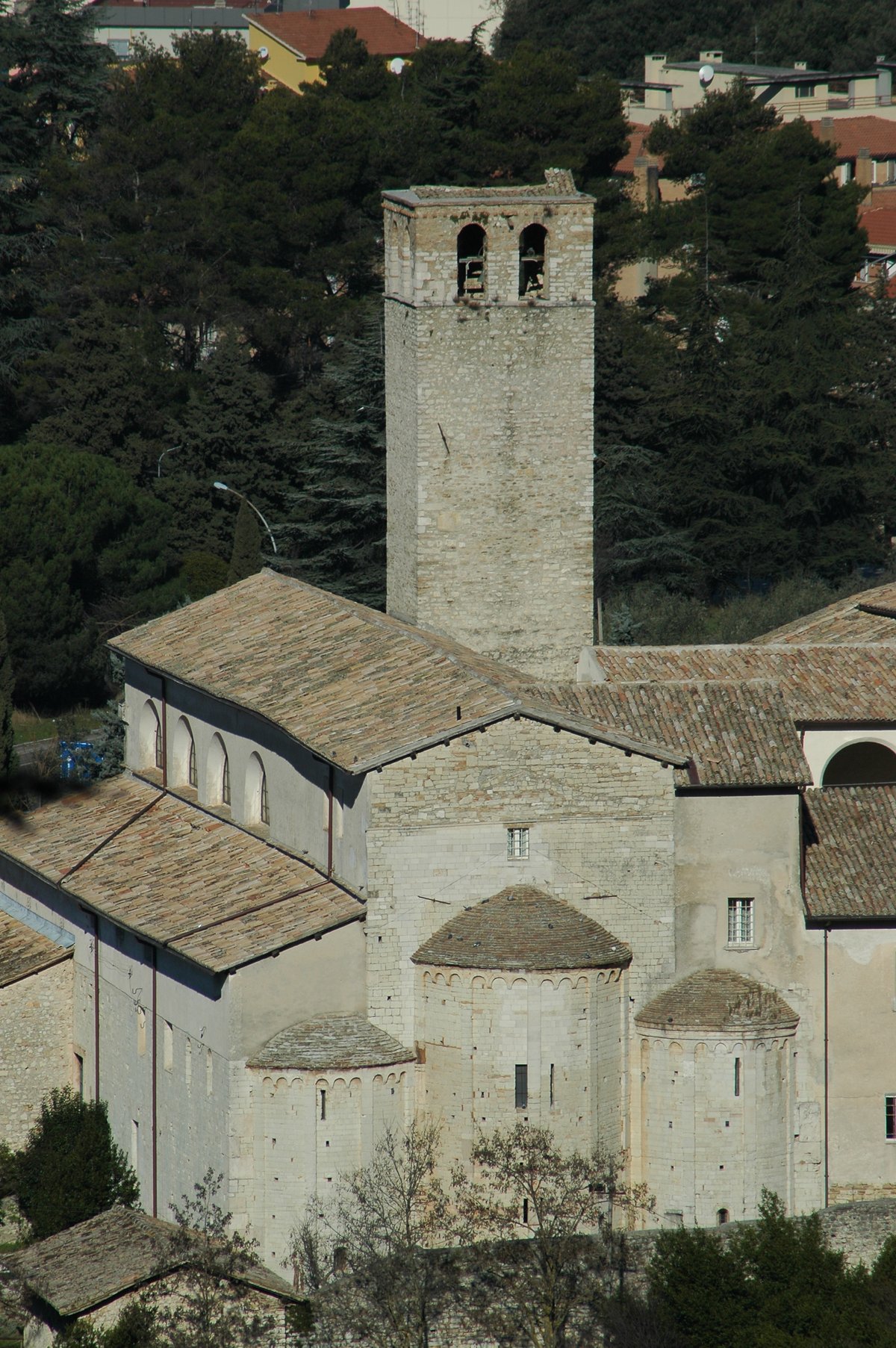
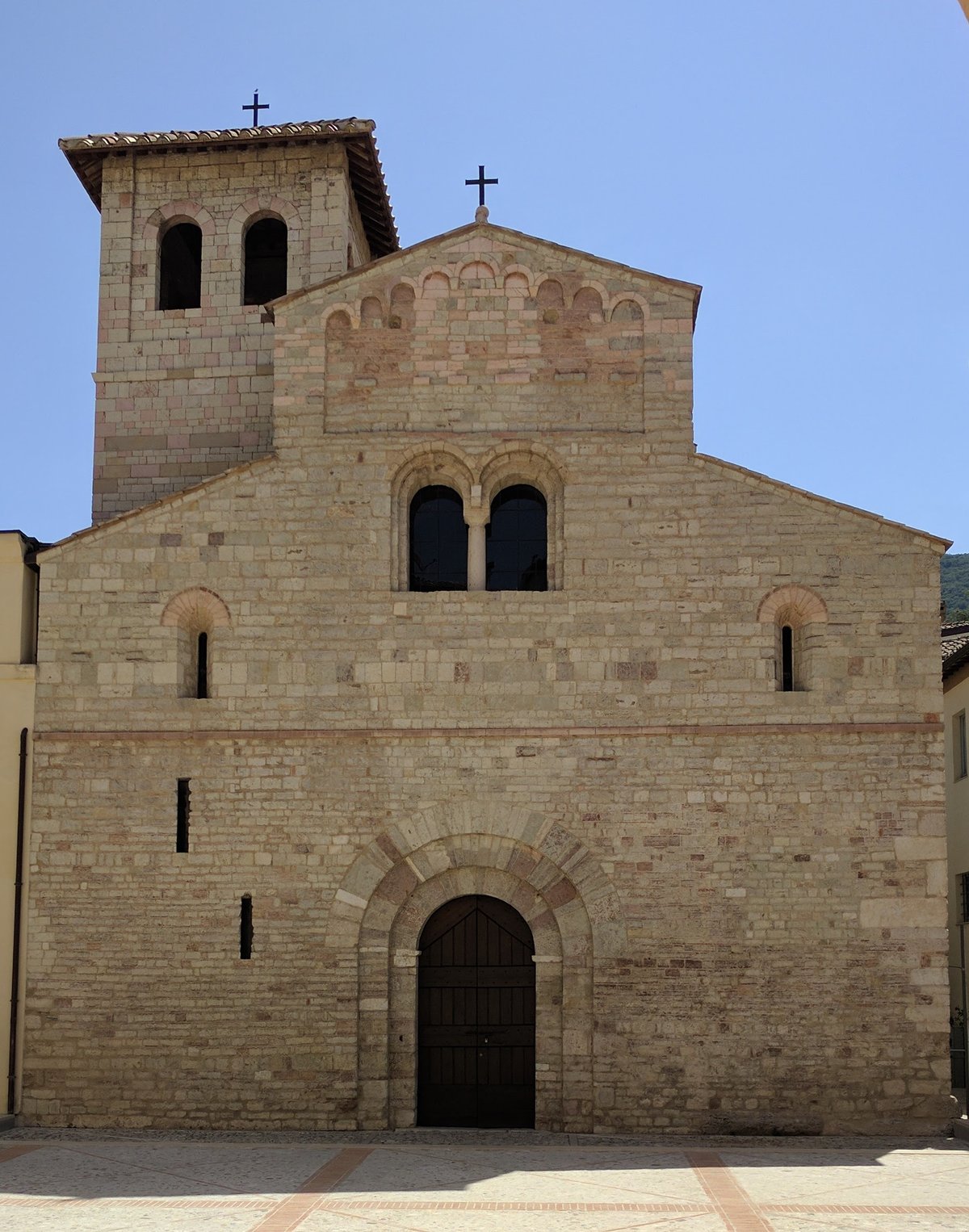
The Basilica di San Salvatore is a Romanesque-style former basilica church located in the center of Spoleto, in the Umbria region of Italy. Its Lombard renovation dates back to the eighth century and serves as testimony to the architectural style of the Langobardia Minor. This style marks the transition from Antiquity to the European Middle Ages.
In 2011, the church building was declared a UNESCO world heritage property. It is part of a series of sites known as "Longobards in Italy: Places of Power (568–774 A.D.)". This series comprises seven sites throughout Italy characterized by Lombard architecture, painting, sculpture, and art.
Located on Ciciano hill outside the medieval town walls, the basilica sits in a monumental cemetery designed in 1836 by architect Ireneo Aleandri. The building is now a deconsecrated church and remains a significant site on Largo Salmi, representing the power centers of the Lombard people.
Sources: Wikipedia, OpenStreetMap, Wikidata, Wikimedia Commons
Written by Nicolo Ciampini
Discuss this with the author and others
No comments yet. Be the first to start the conversation.