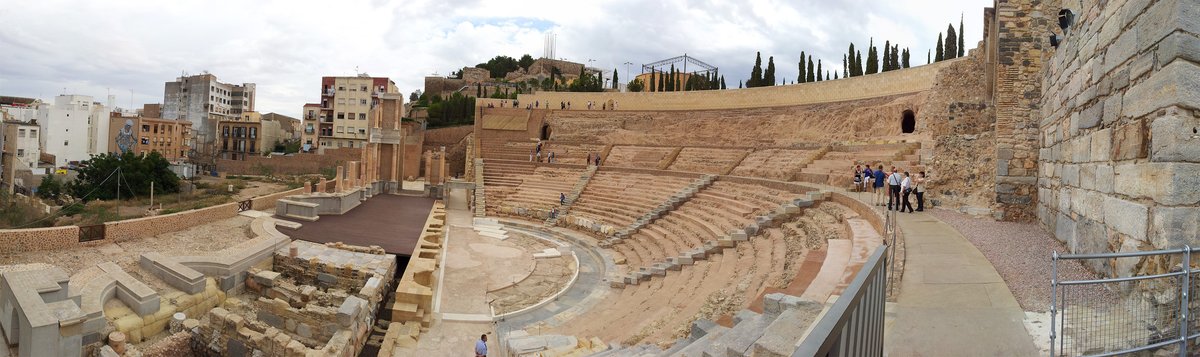

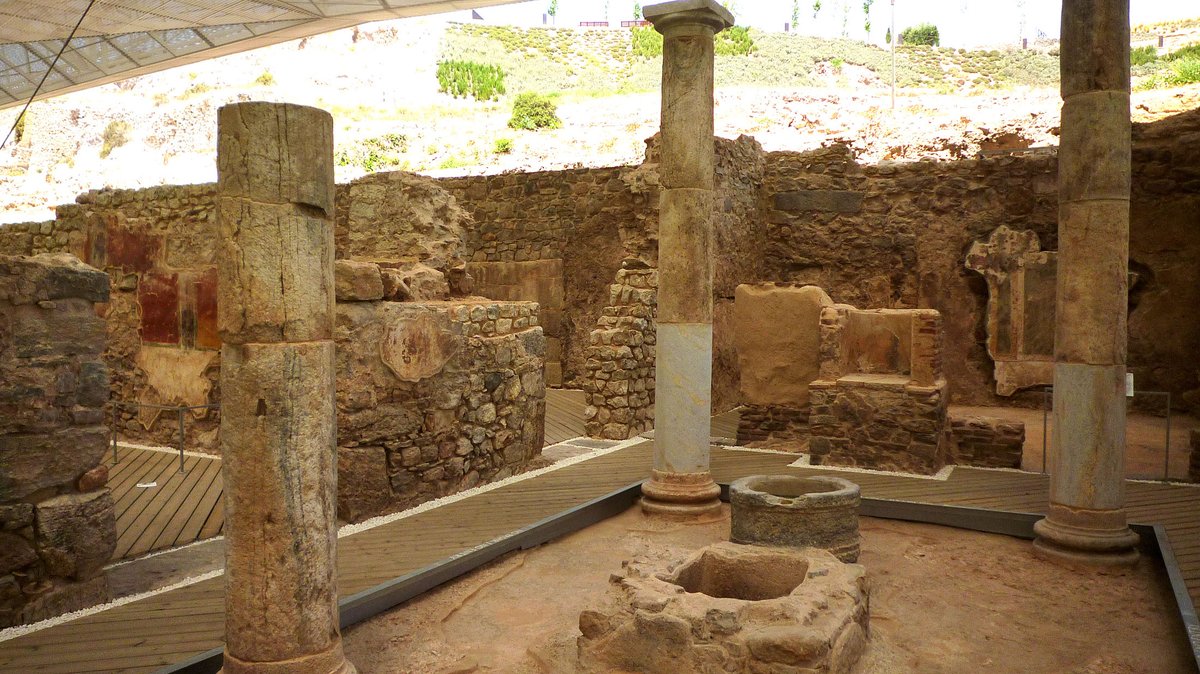
The Roman Theatre of Cartagena is an archaeological site located in the Roman colonia of Carthago Nova - present-day Cartagena, Spain. Built between 5 and 1 BCE during the rule of Augustus, the theatre was constructed to be visible from the sea to highlight the city's importance. It had a capacity of some 6,000 spectators and functioned for two centuries, though it required partial restorations during that time. The theatre was built over a Roman house from the late second century B.C. that was intentionally demolished to make way for the new structure.
After a fire in the 5th century A.D. damaged its architectural framework, the remaining elements were dismantled to build a market. During the Byzantine period, a commercial district was built over the ruins. The site remained buried for centuries because it was located in a densely built historic center that never stopped being inhabited. It was not until 1988 that excavation began to build a Regional Crafts Center, and by 1990, the partial remains of the theatre were identified. Between 1996 and 2003, the almost total excavation of the theatre was completed, allowing it to re-emerge as an emblem of the city.
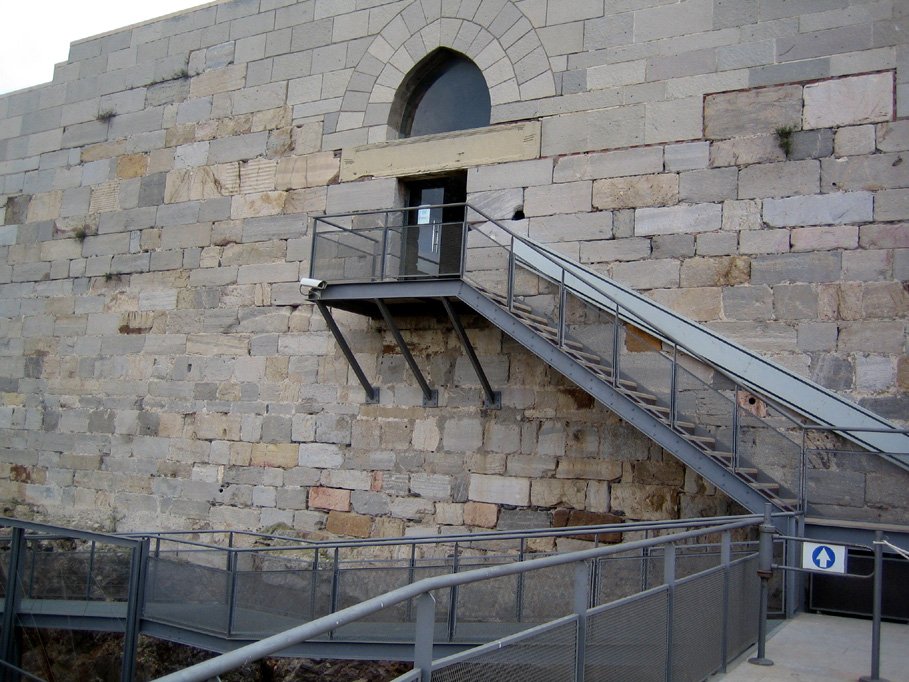
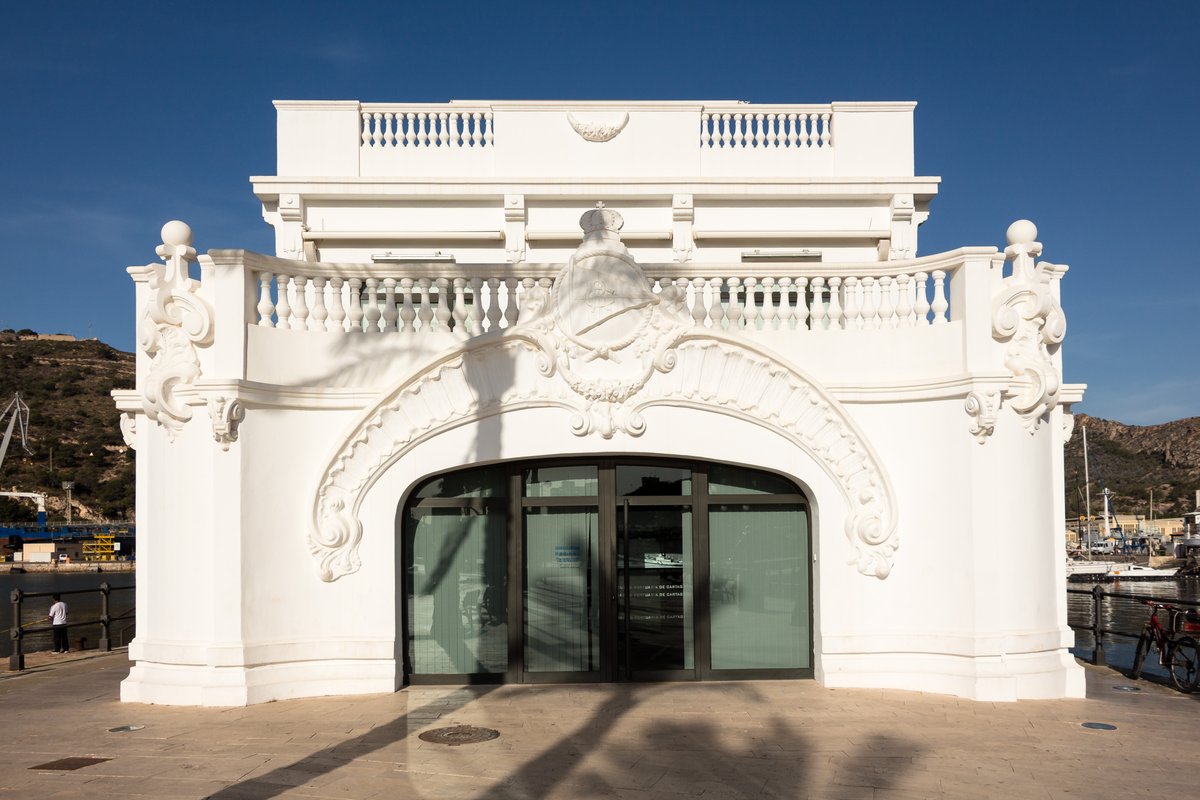
In 2003, the Roman Theater Foundation was created to manage a comprehensive recovery project designed by architect Rafael Moneo. The project sought to protect the historical and documentary value of the ruins without prioritizing aesthetics. Moneo’s design incorporates the remains into the urban fabric via a museum route described as a promenade that travels from sea level to the higher ground of the city. This museum route includes exhibition spaces illuminated by skylights, where mechanical elevators and stairs serve as a framework for the pieces found during the excavations.
Sources: Wikipedia, OpenStreetMap, Wikidata, Wikimedia Commons
Written by Nicolo Ciampini
Discuss this with the author and others
No comments yet. Be the first to start the conversation.