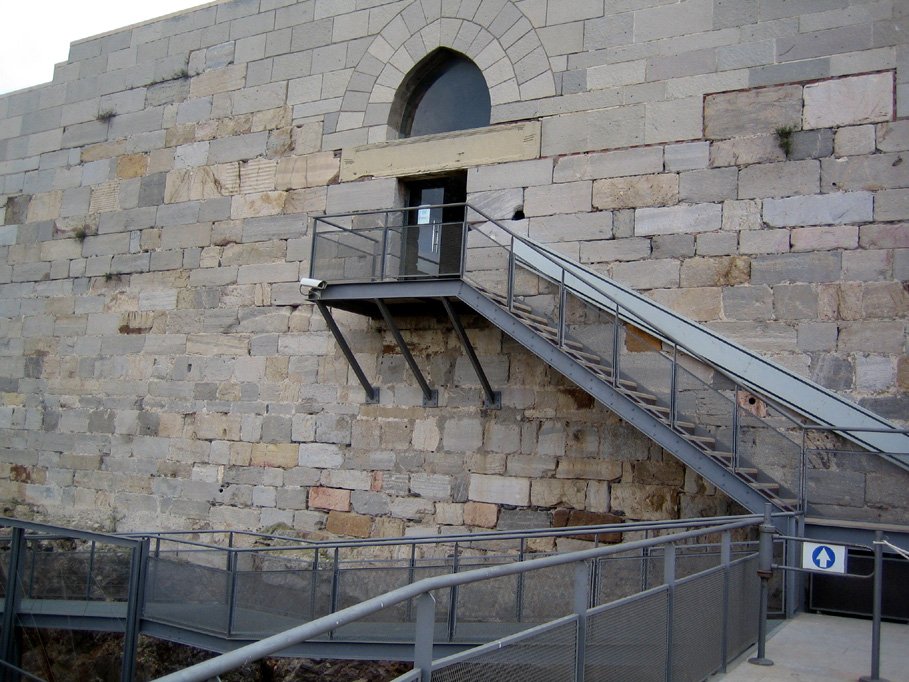

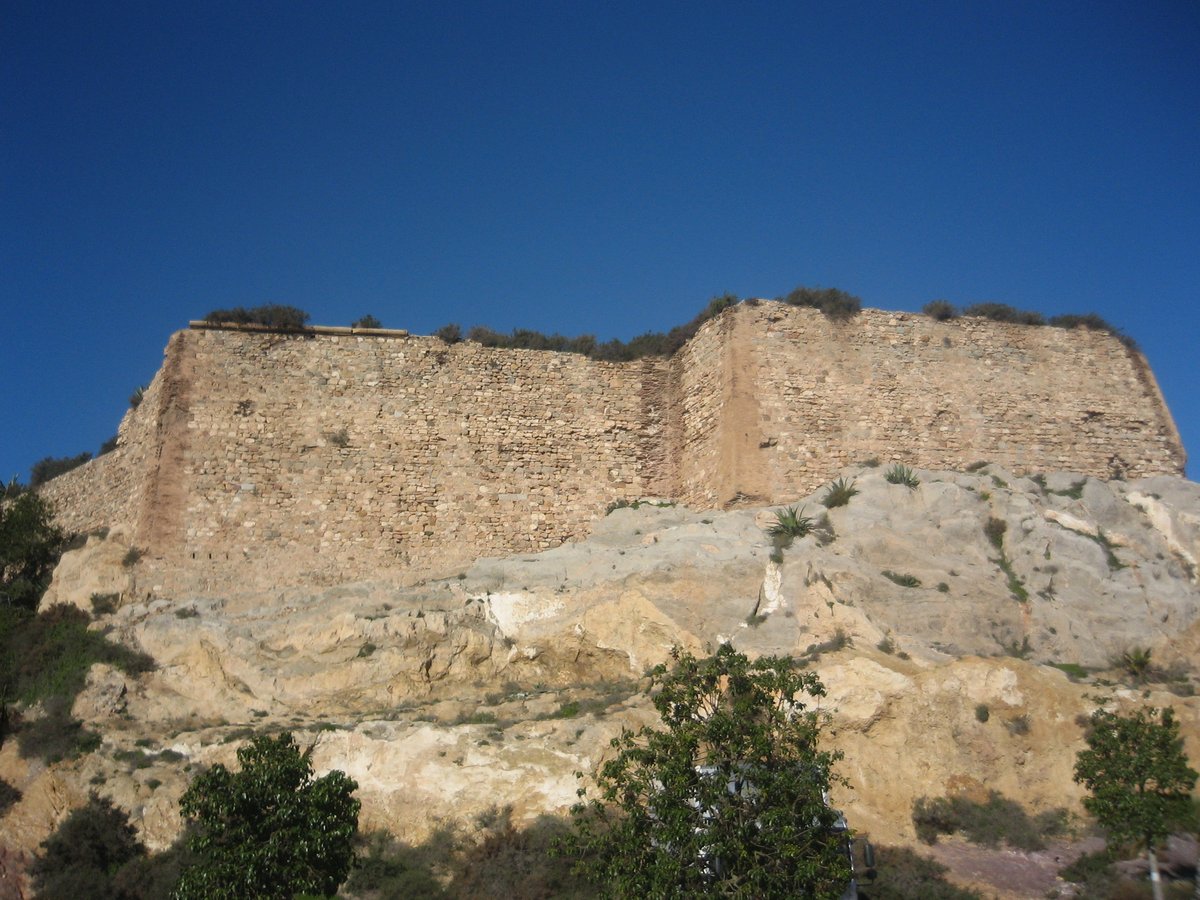
The Castillo de la Concepción sits atop a hill overlooking the port of Cartagena in the Region of Murcia, Spain. While some once attributed its current layout to the 14th-century reign of Enrique III, recent research dates its construction to the 13th century during the Reconquista. It was built over a 12th-century Muslim alcazaba, whose remains still include a lantern that once served as a lighthouse.
During the 13th century, Infante Alfonso X sought to fortify the city and restore the local episcopal seat. As Cartagena was the only outlet for the Crown of Castile to the Mediterranean, the port held vital strategic importance. However, the castle remained unfinished because the Order of Saint Mary of Spain, created by Alfonso X for naval warfare, suffered multiple maritime disasters and was subsequently dissolved. This led to a decrease in the port's strategic importance and the cessation of construction.
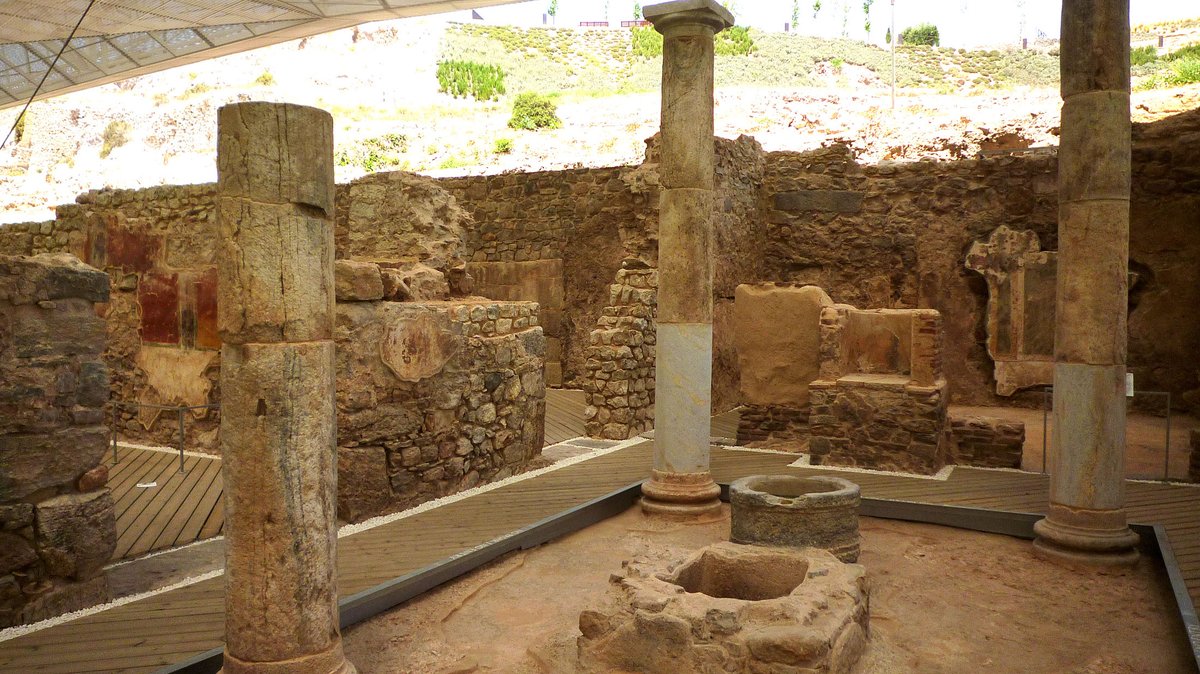
Architectural details of the fortress reveal a history of recycling. The first floor utilizes Roman cisterns, which may have belonged to a temple dedicated to the god Esculapio or a building from the Byzantine period. The tower of homage, known as El Macho, was constructed using grey limestone from Cabezo Gordo and pink travertine from Mula, along with repurposed Roman slabs - including a large plaque from Lucio Emilio Recto used as a lintel.
By the 20th century, the castle had fallen into ruin and the local government considered demolition. However, during the dictatorship of Primo de Rivera, the site was transformed into a public park with gardens and ponds, becoming popularly known as the "Castillo de los Patos." Today, following a partial restoration, the tower of homage serves as an interpretation center for the history of Cartagena.
Sources: Wikipedia, OpenStreetMap, Wikidata, Wikimedia Commons
Written by Nicolo Ciampini
Discuss this with the author and others
No comments yet. Be the first to start the conversation.