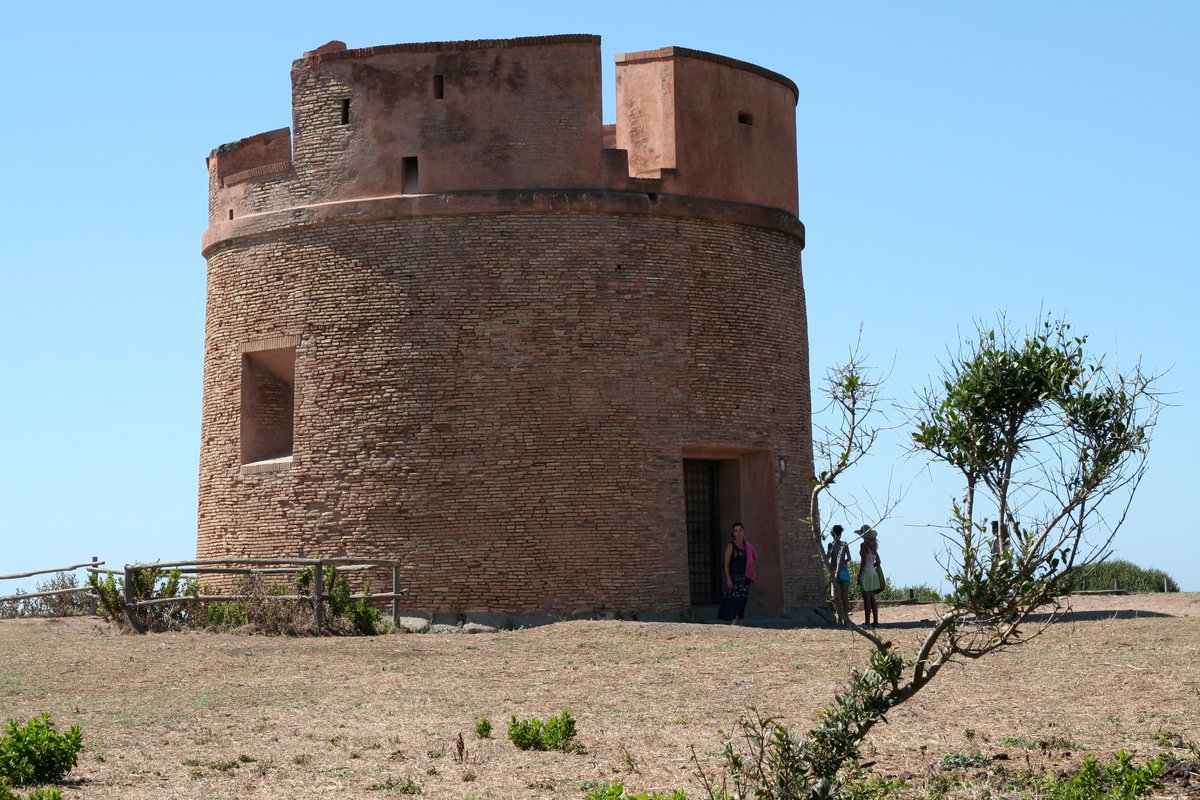

Does the coastal air still reek of rotten eggs? It does because of the mines that operated from 1569 until 1828. Does the name Caldara actually have a purpose? It stems from the caldare, which are the waste heaps left behind by mining. Can you see the yellow streaks on the rocks? They are permanent marks on the scenery caused by the sulfur that is still present as an exhalation today.
Did the tower rise in the mid-1600s? It likely did to defend this stretch of coast against potential armed landings. It stands on a small rocky promontory about five kilometers from Anzio. What does a 1700s drawing reveal? It shows a three-story circular structure with an elevated entrance and a ramp of stairs. Did time and war have better plans? In 1813, ships that violated the continental blockade bombarded the coast, causing the tower to suffer severe damage.
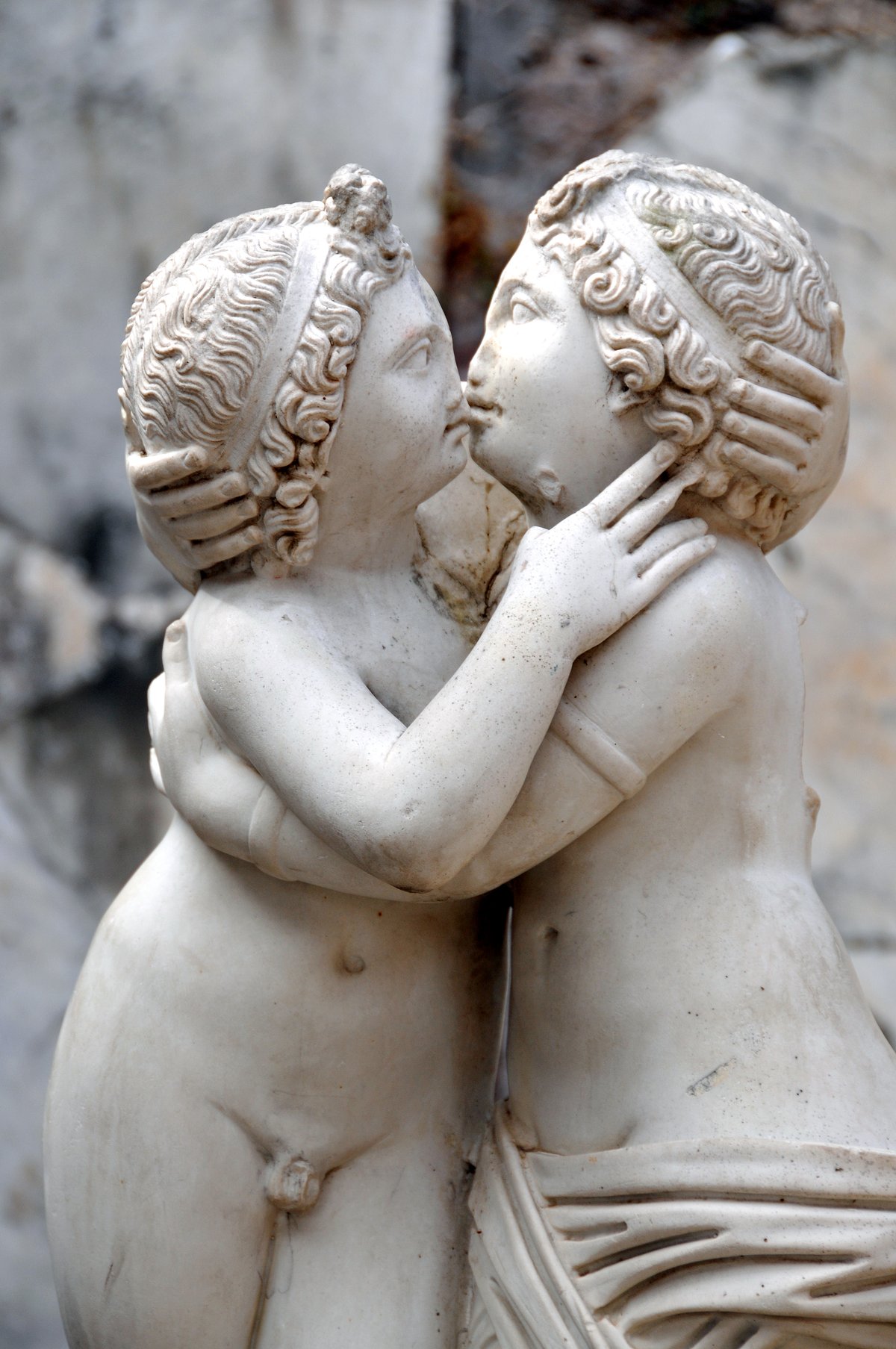
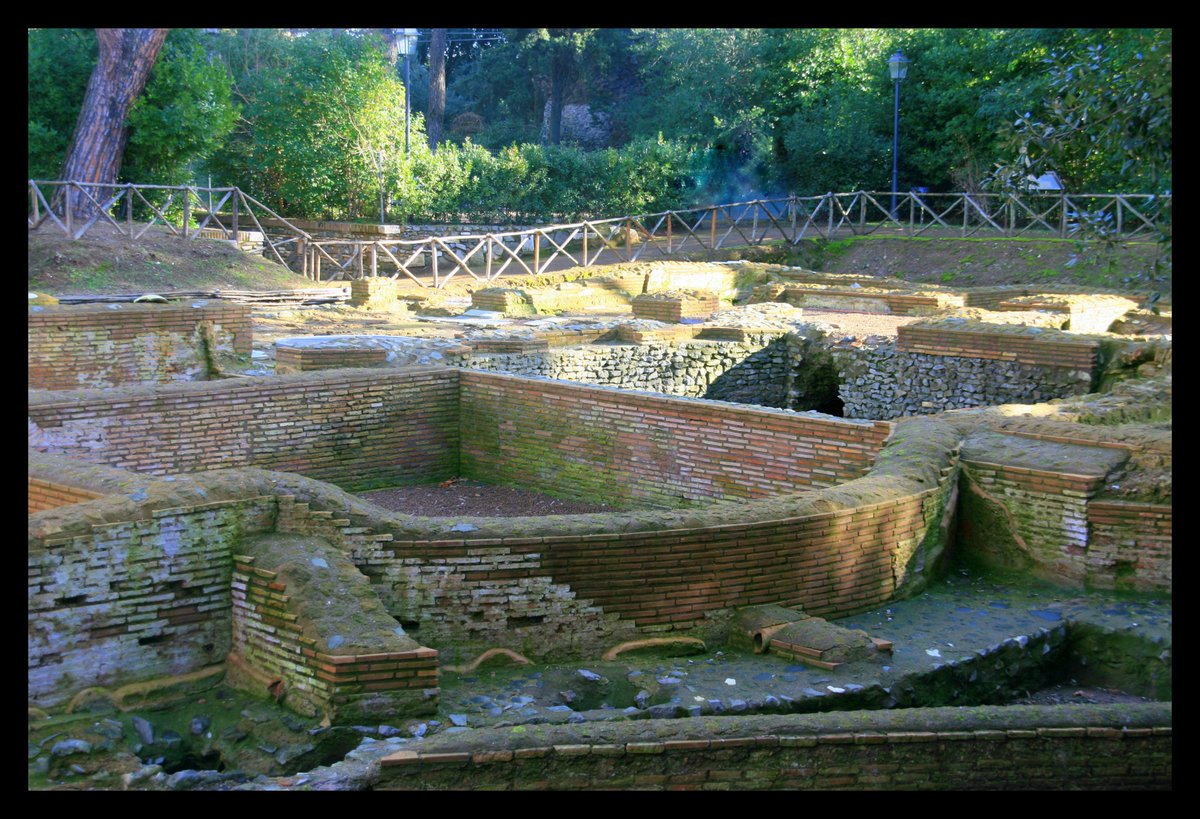
Was the scene violent? It certainly was, and the coast saw further conflict during the Anglo-American landing of 1944. The tower sits in a nature reserve where you can find a Roman villa, abandoned mining equipment, and trenches left behind from that landing. Can you visit this site? You can enter the Riserva Naturale Regionale Tor Caldara.
Sources: Wikipedia, OpenStreetMap, Wikidata, Wikimedia Commons


Written by Nicolo Ciampini
Discuss this with the author and others
No comments yet. Be the first to start the conversation.