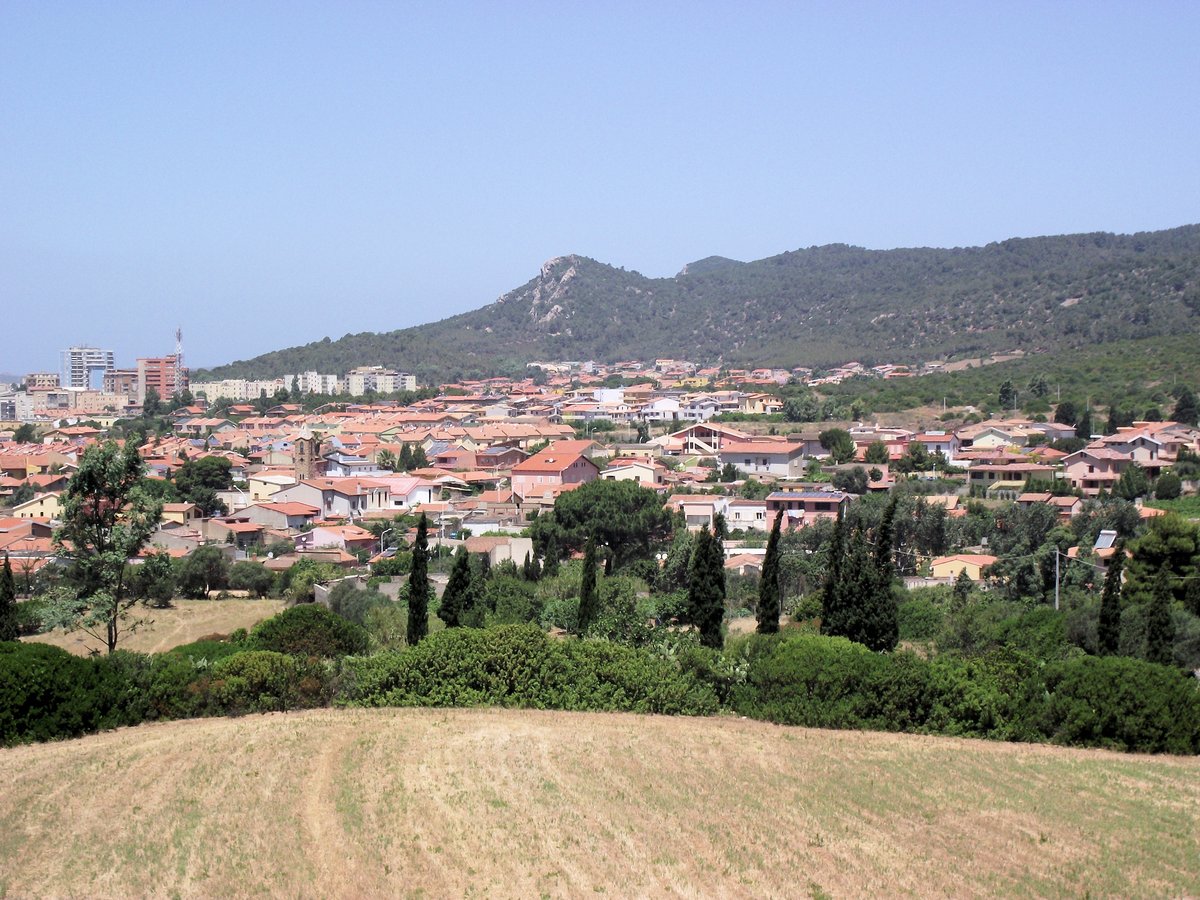
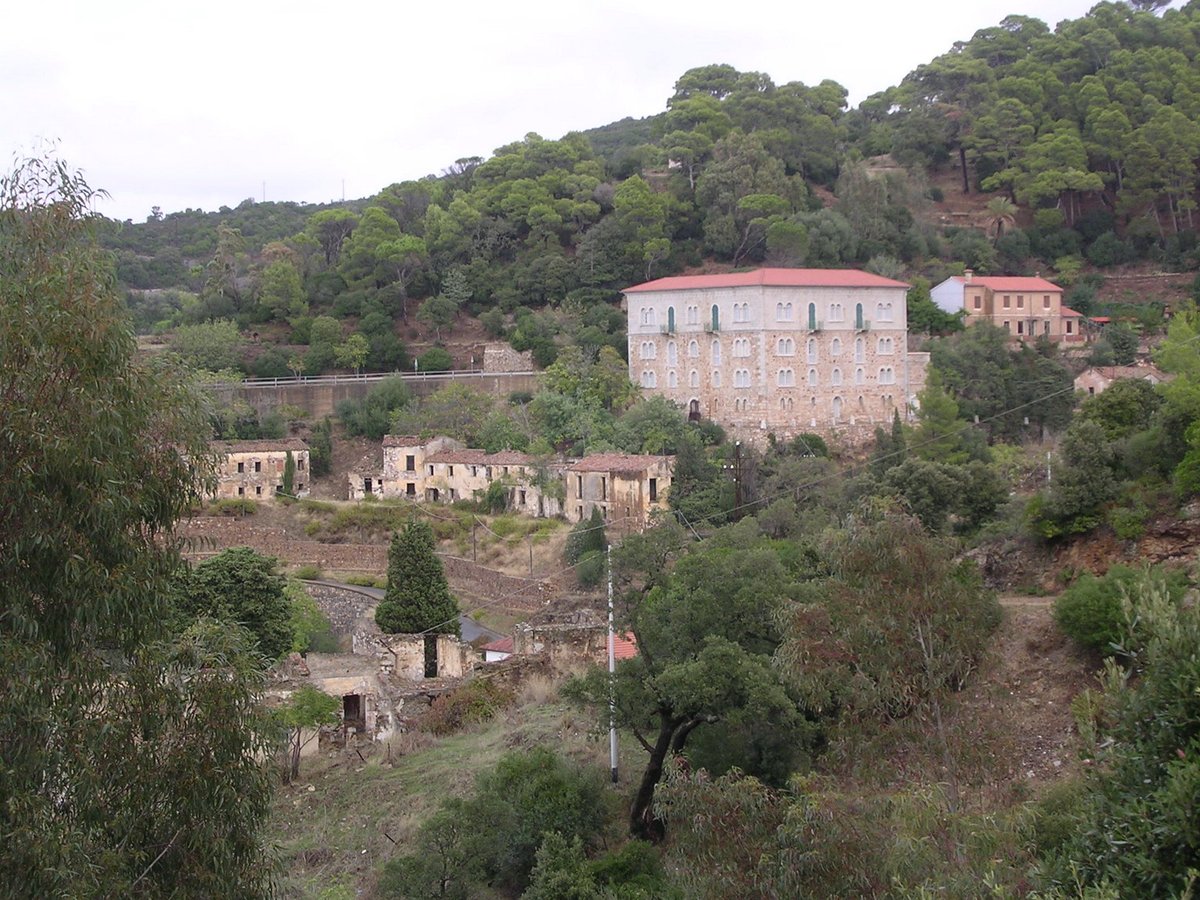
Tucked away in the south-eastern periphery of Carbonia, Italy, lies Serbariu – an ancient agro-pastoral settlement now integrated into the modern city. Some believe the name derives from the Sardinian s'erba de s'arrìu, meaning the grass of the river, while others suggest it comes from serba arrìu, meaning preserved or saved from the river. These names refer to the nearby river Santu Milanu, which was recorded in 19th-century maps as the riu Bau Baccas.
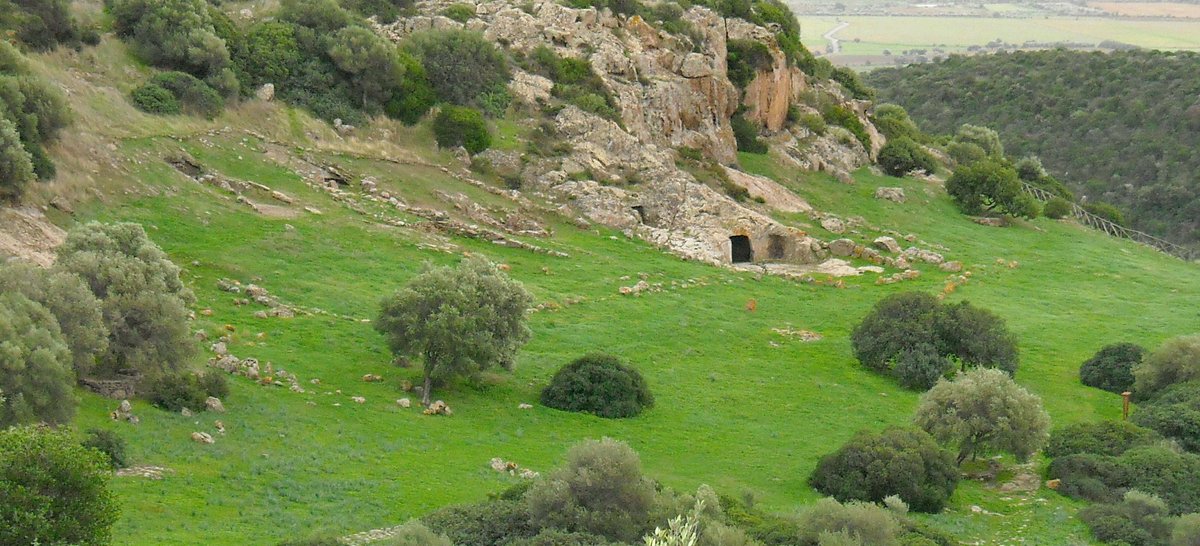
The land holds a long history of human activity. Archaeological finds in numerous caves and sites, such as the grotta di Serbariu, document prehistoric civilizations from the Middle Neolithic to the Iron Age. The area also contains Nuragic sites like the nuraghe Paristeris and nuraghe Mianu. Further history includes a Phoenician and Punic presence along the old road parallel to the river valley, as well as evidence of a period when the area was known as Villa de Serbariu.
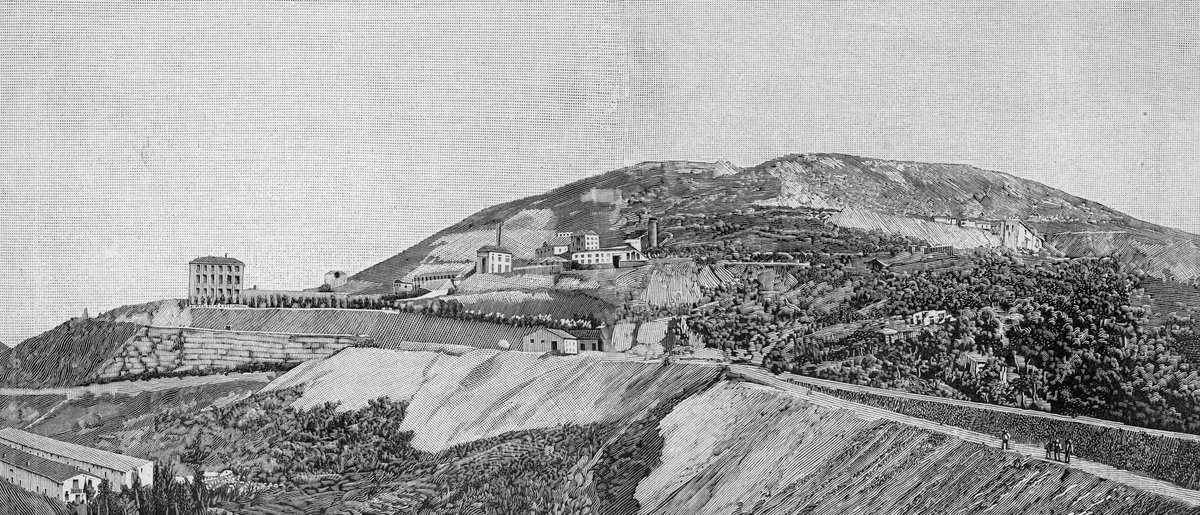
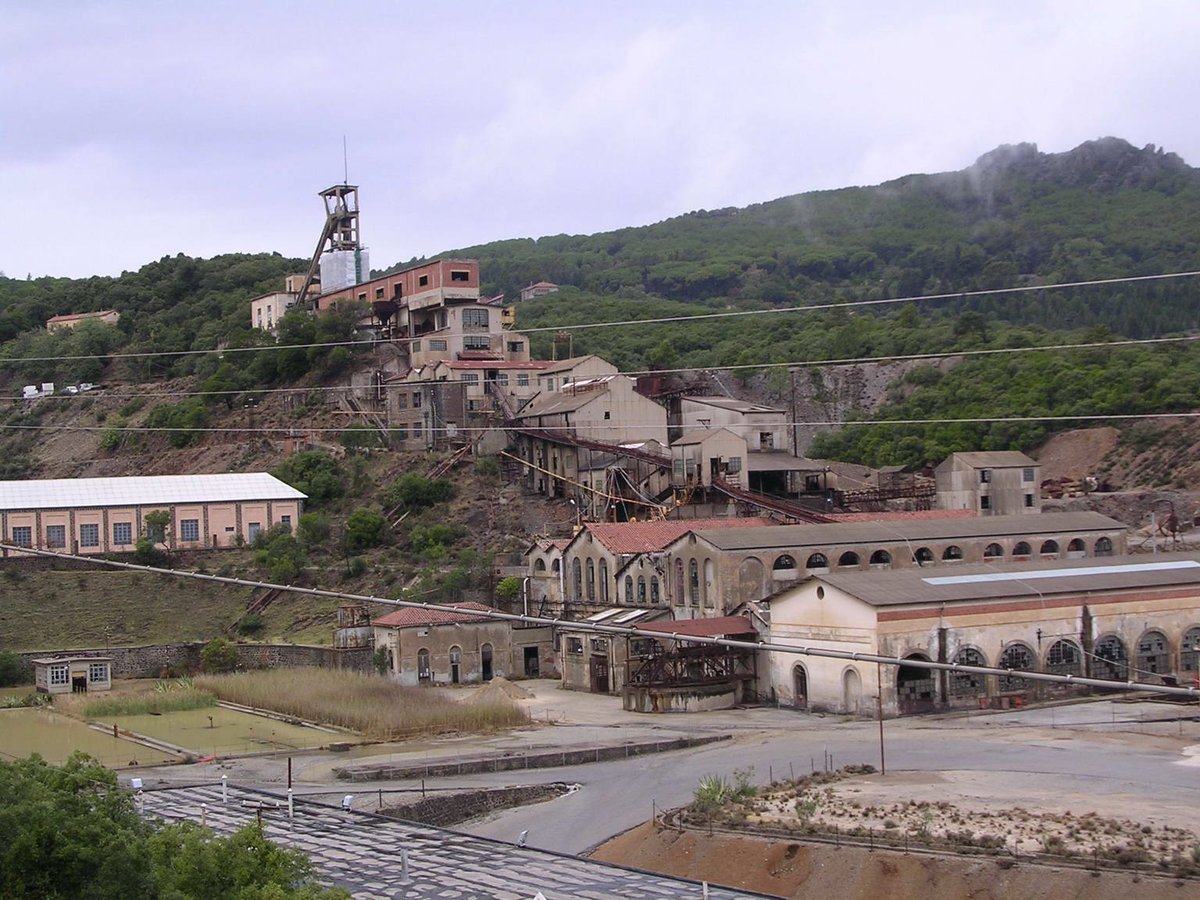
After being abandoned during the Pisan, Aragonese, and Spanish domains due to Barbarian incursions, the territory was resettled during the Savoy period. It became an independent municipality in 1853 before the coal mining boom of the late 19th and 20th centuries. The discovery of coal deposits, particularly at Nuraxeddu, led to the creation of the mining city of Carbonia, which absorbed the municipality of Serbariu in 1937. Today, the large mine of Serbariu remains a museum of industrial archaeology.
Sources: Wikipedia, Wikidata, Wikimedia Commons
Written by Sardinian
Discuss this with the author and others
No comments yet. Be the first to start the conversation.