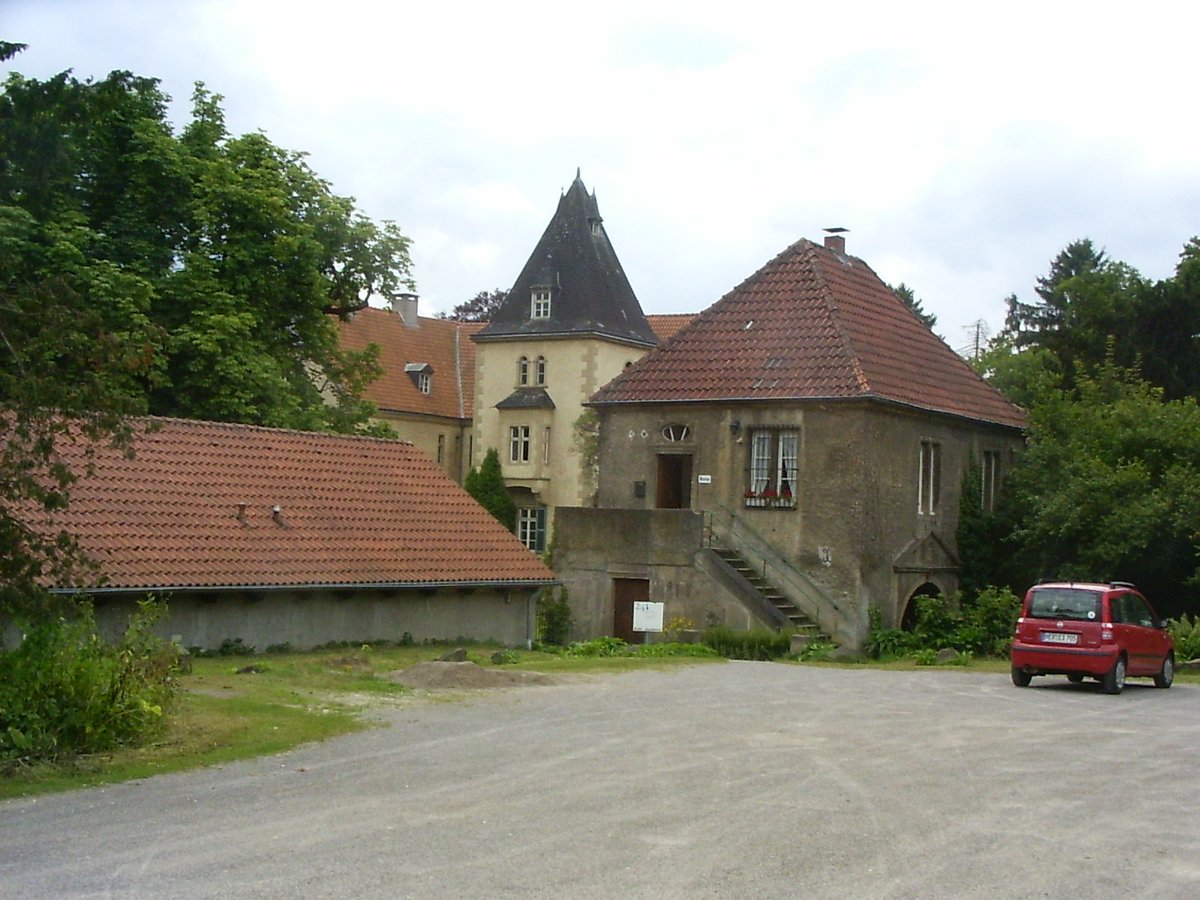
A single thorny fruit was lost from a saddlebag and took root in the soil of a North Rhine-Westphalia castle. Legend says Count von Nesselrode, an envoy for Frederick the Great, brought thorny chestnut fruits from Persia before losing one while resting at Haus Ruhr. That lost fruit became the Mother of the Chestnuts, a tree that has stood in the courtyard for over two centuries.
Today, the tree is a massive presence with a trunk circumference of 610 centimetres. It reaches about 20 metres into the sky, casting a wide crown of 17 metres across the yard. It is one of the oldest horse chestnut trees in the region.
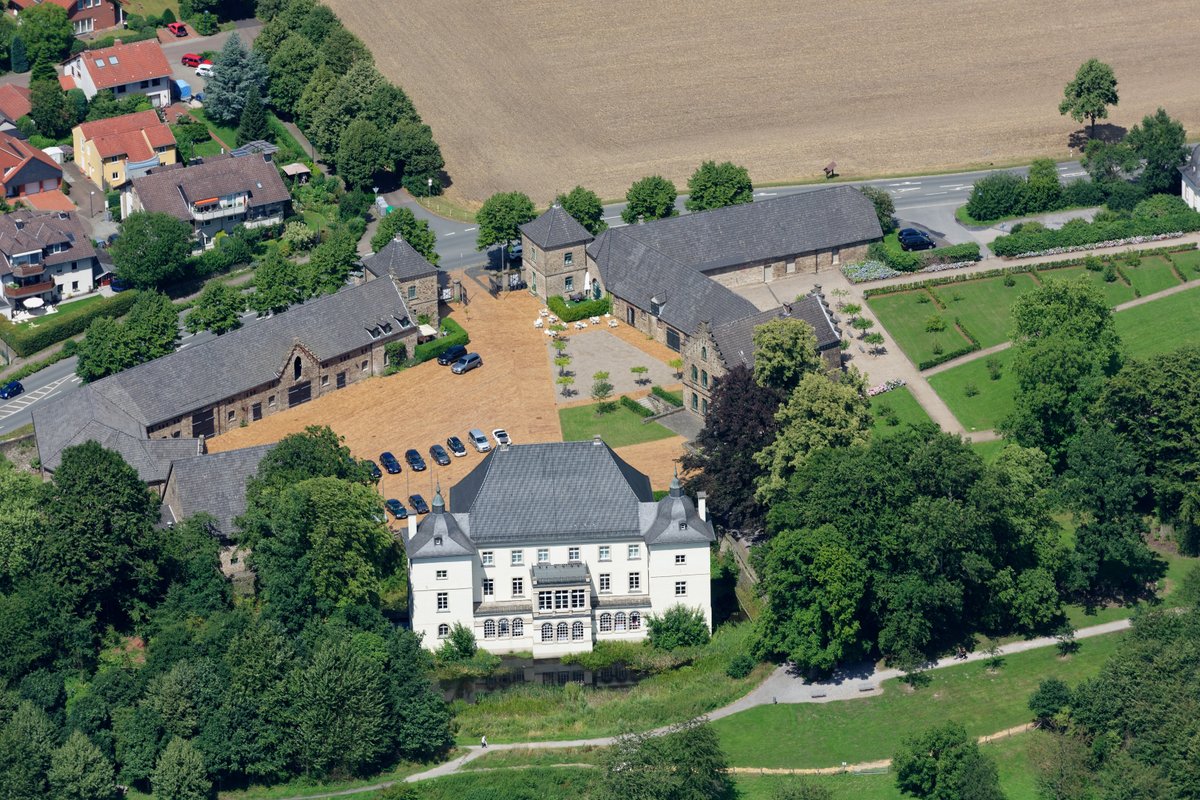
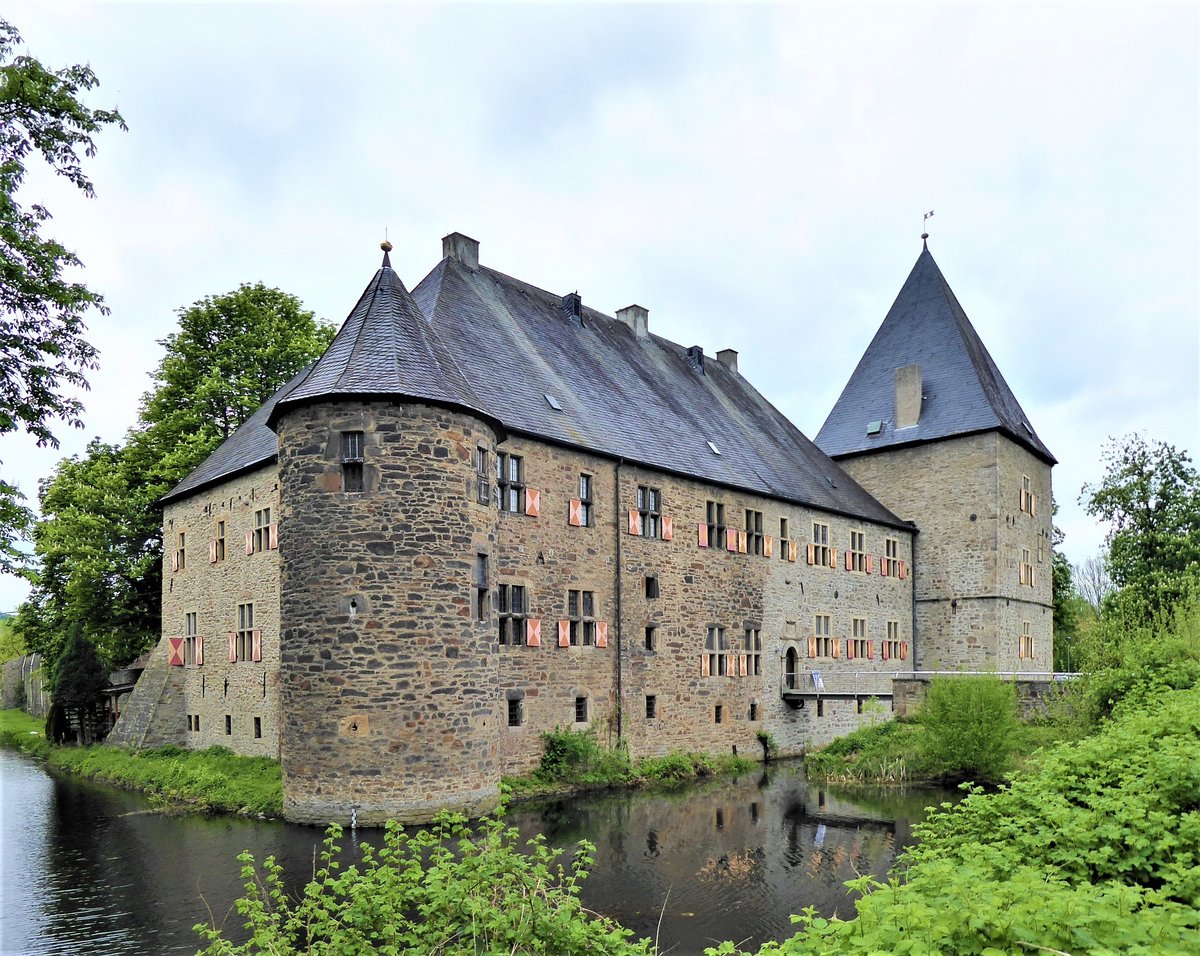
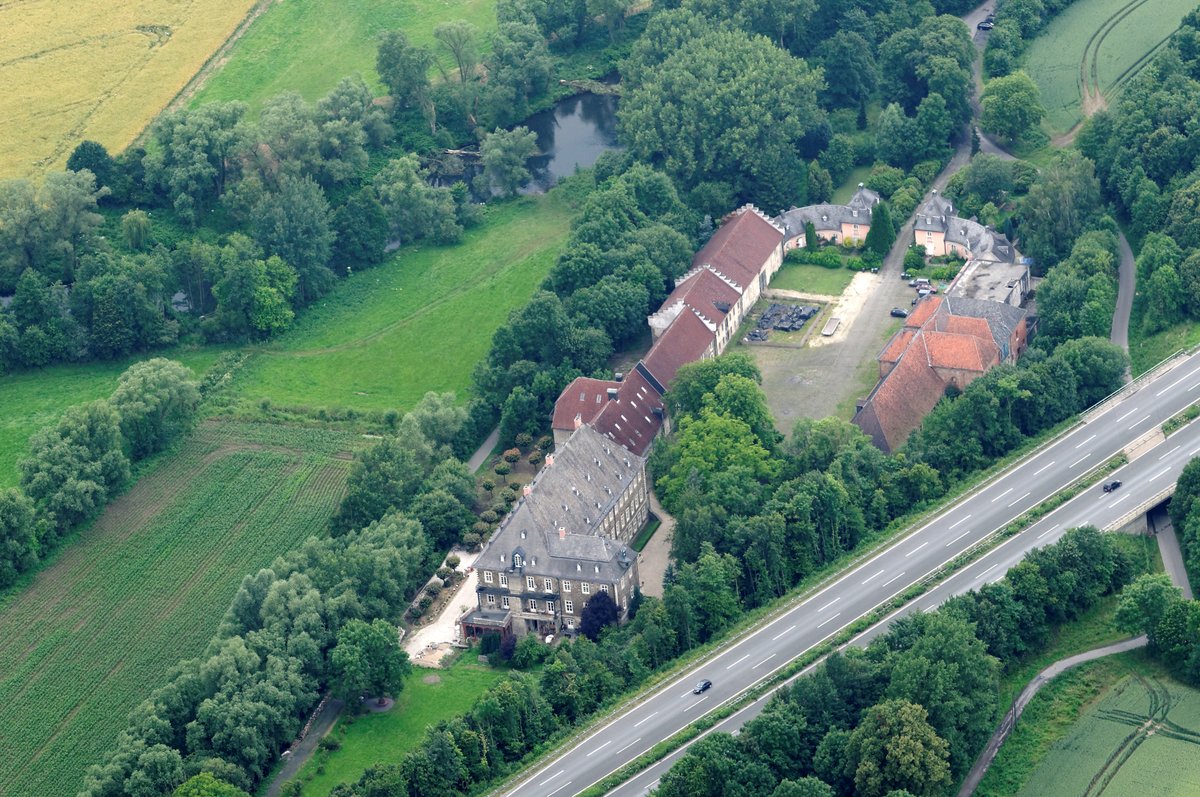
The castle itself sits on the Wannebach near where it flows into the Ruhr. Its history is a long stretch of shifting hands and changing purpose. Jan von Boyle zu Wetter first built the site in 1455 for his son-in-law, a man from the noble house of von Neheim. By 1734, the estate belonged to the von Hövel family of Sölde. It moved into private hands in 1839, and through the following century, the property saw a rapid succession of owners.
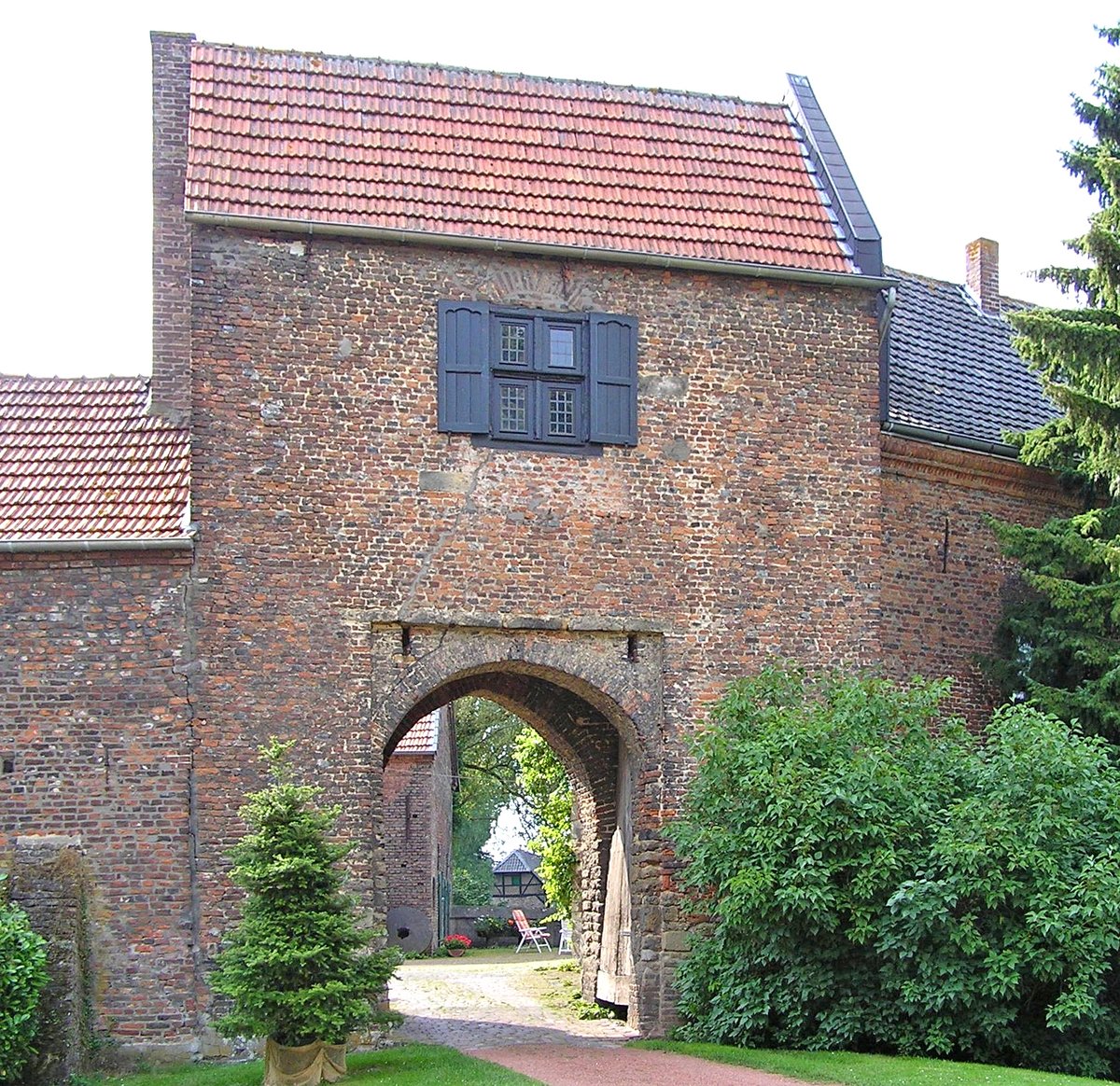
Because of the many wars occurring in the region during those years, the site was designed with a heavy focus on defense. The buildings you see today are primarily from the 17th and 19th centuries, reflecting different eras of construction and fortification. The grounds were shaped in the 19th century following an English model of landscape gardening, creating a rolling, naturalistic environment for the manor.
The structure faced a period of social change in the mid-1970s when it served as a home for children and youth. In 1987, the property was purchased by Jürgen Störr, who began a decade of renovation work between 1988 and 1995. He prepared the space for the study operations of the Ruhrakademie, preserving the architectural ensemble while modernising its utility.
Visitors today find a listed building ensemble that bridges the gap between a medieval moated castle and a 19th-century stately home. It is a place where the rigid lines of the 17th-century walls meet the softer curves of the English garden. Amidst the grass and stone, the Mother of the Chestnuts remains the quietest, oldest resident of the courtyard.
Sources: Wikipedia, OpenStreetMap, Wikidata, Wikimedia Commons

Written by Aurora
Discuss this with the author and others
No comments yet. Be the first to start the conversation.