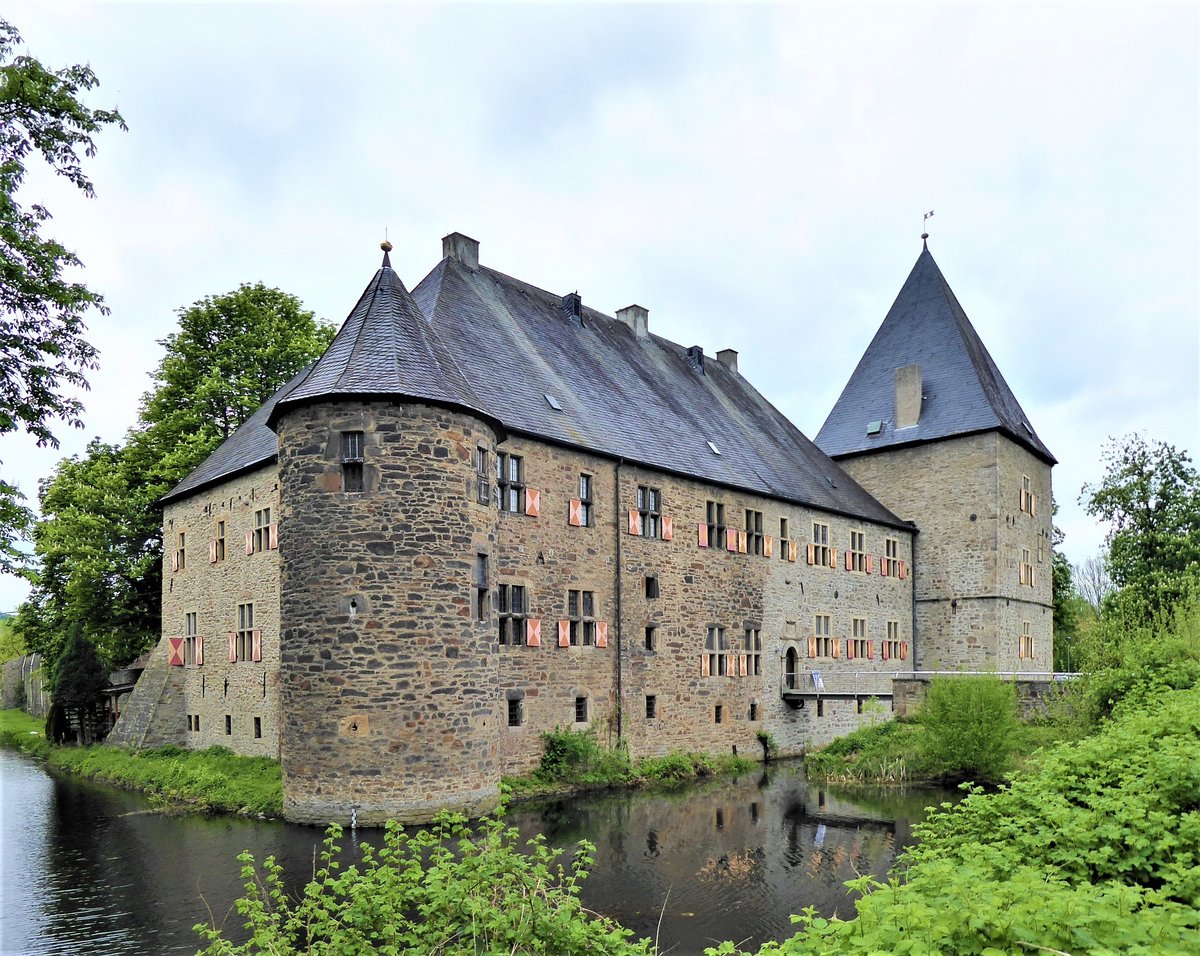
In 1486, a flood caused the Ruhr river to change its course to the north. Before this, the property was located on the northern shore of the Ruhr in the Stiepel area. Since the flood, Haus Kemnade has been located in the southern Ruhr plain, separated from the town. An oxbow lake of the Ruhr remains as a reminder of the river's old course. Derived from Kemenate, the name Kemnade signifies a noble seat distinguished from surrounding farmhouses by at least one masonry fireplace. A fief of the House of Lippe since the 13th century, it passed from the Dücker family to the Recke lineage.
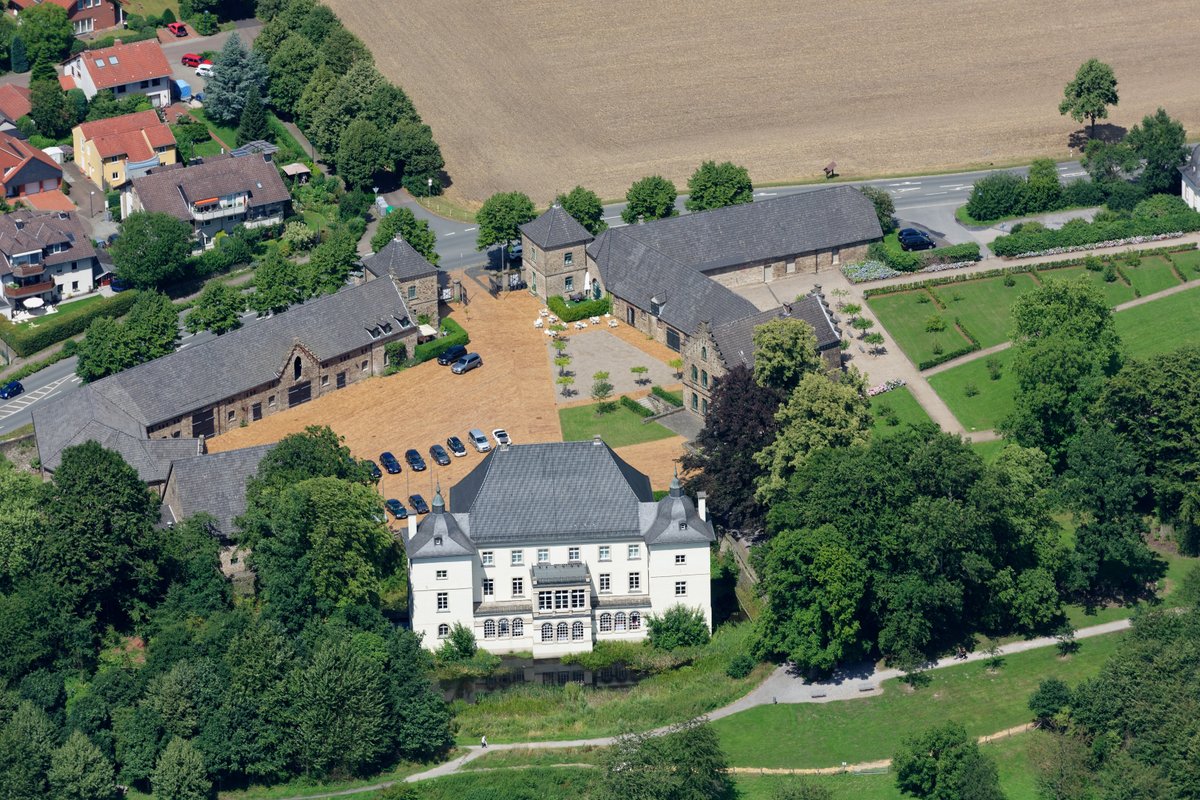
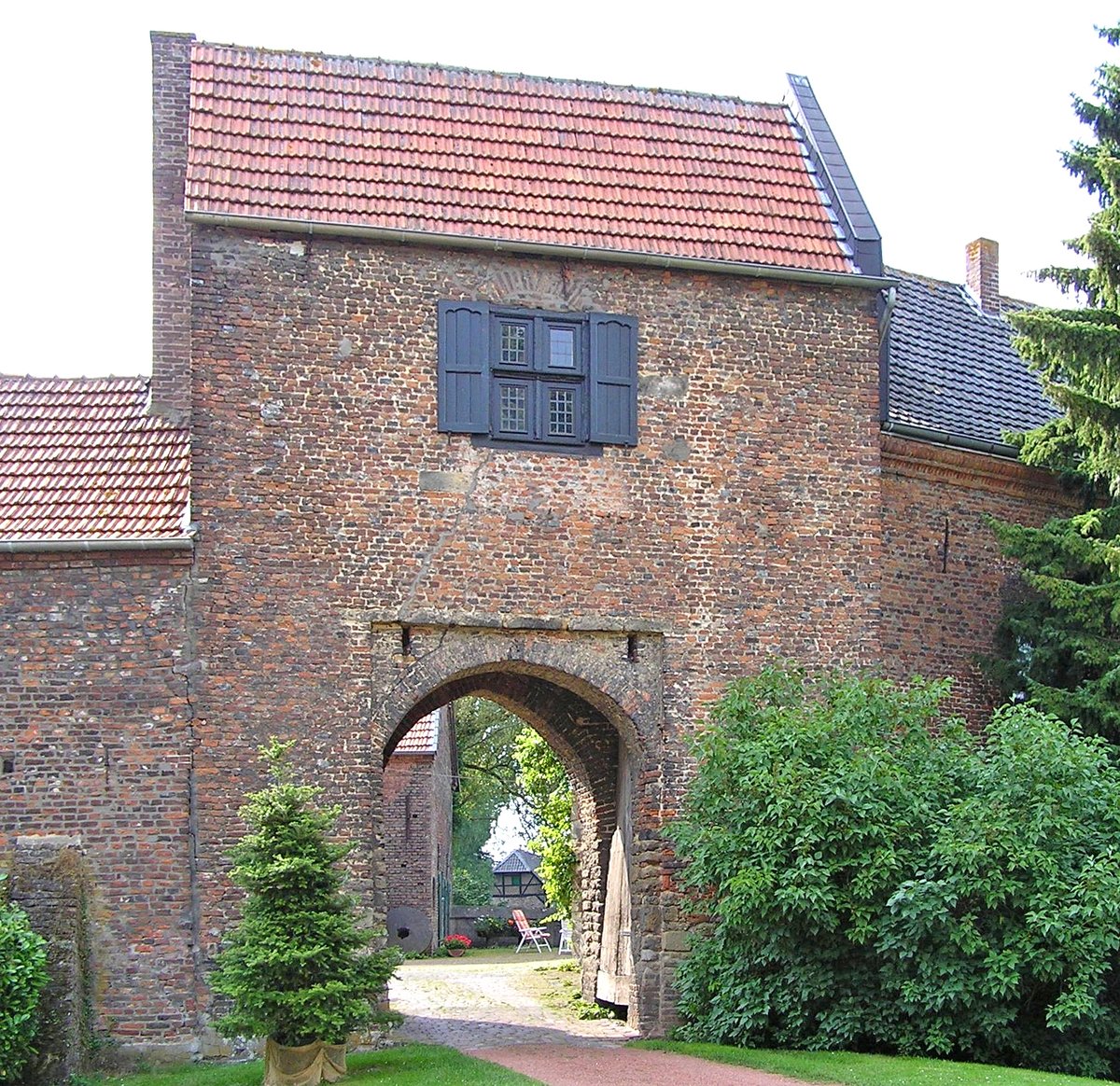
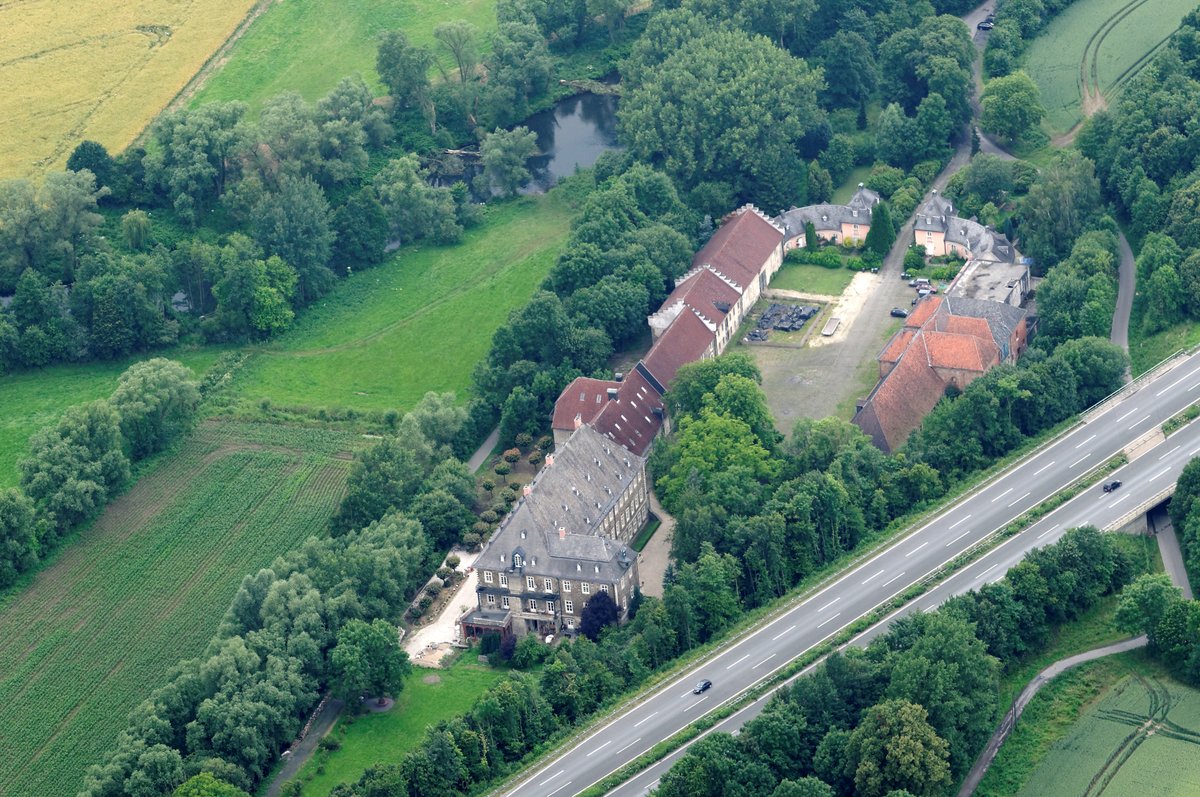
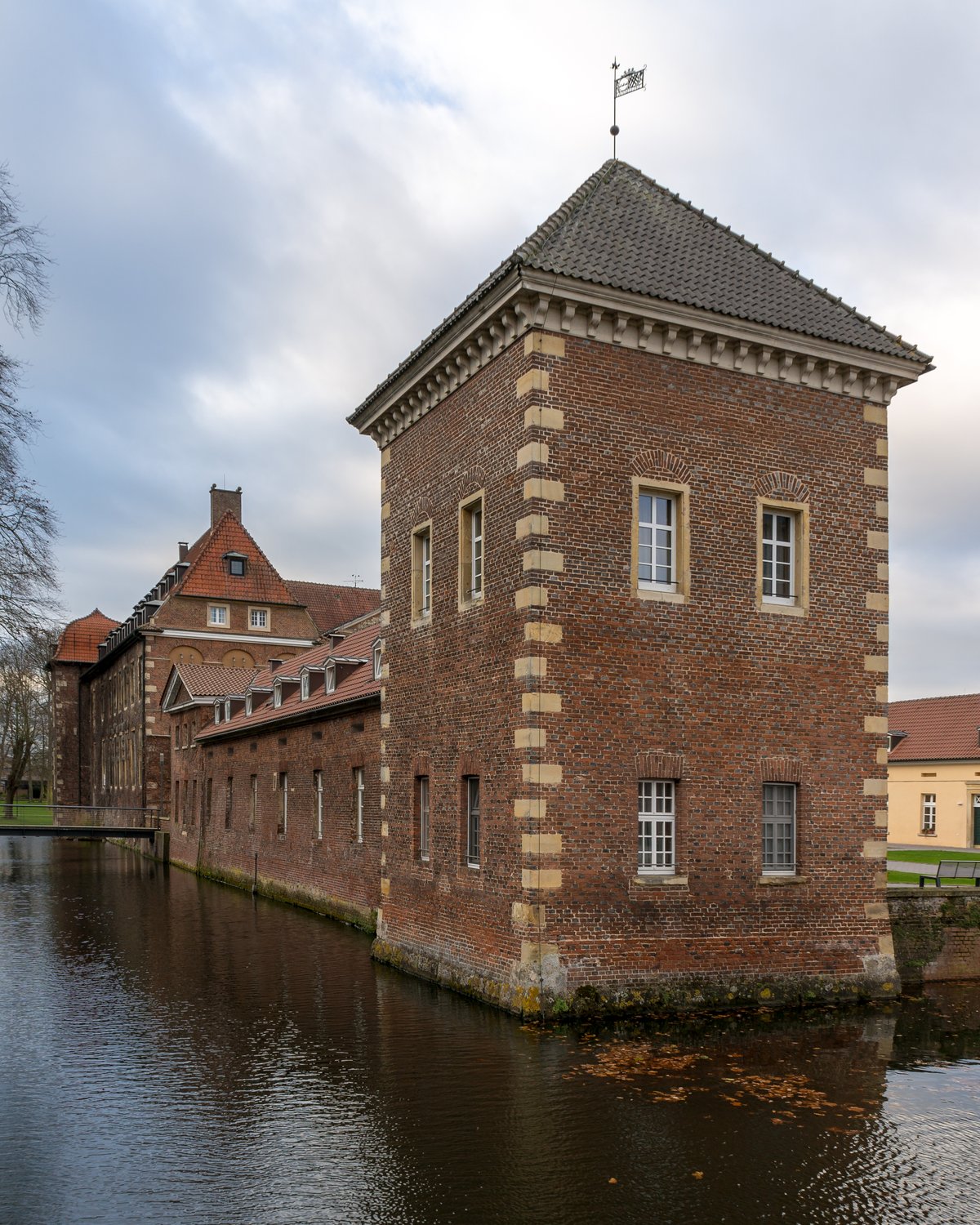
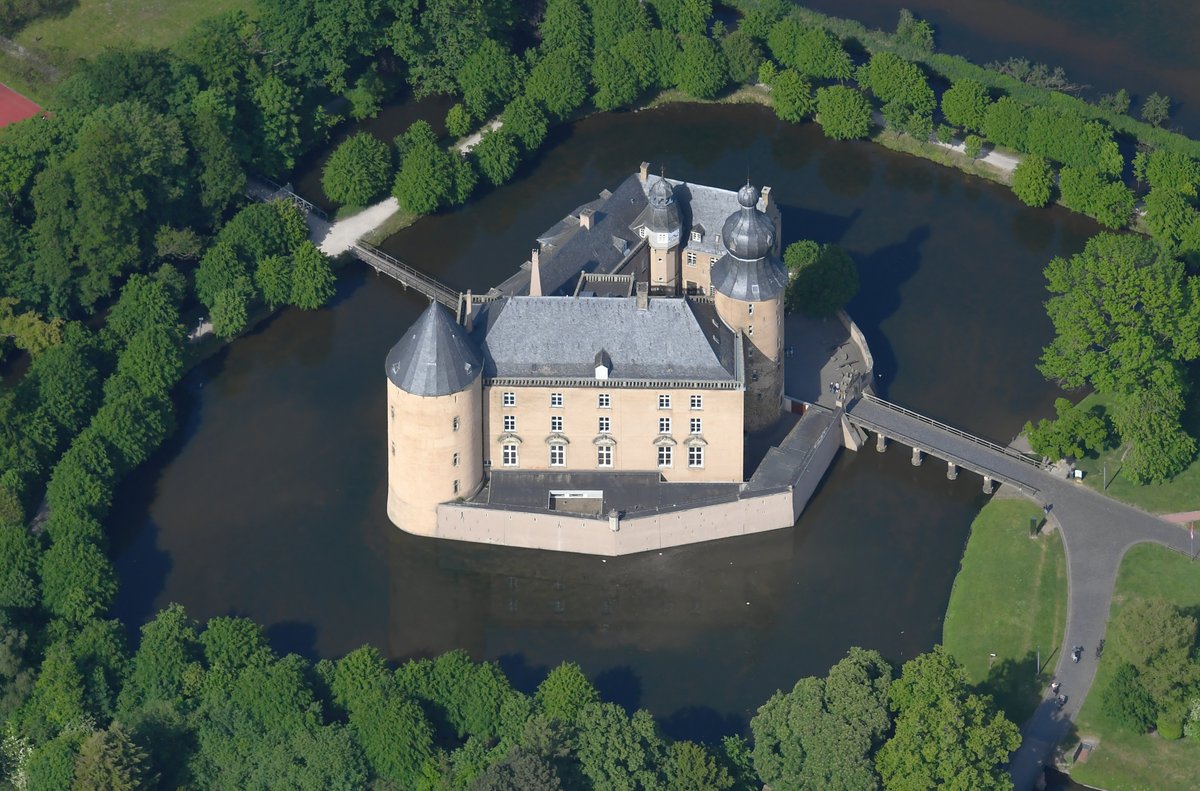
Fire claimed the castle in 1589. The owners rebuilt the castle gradually from 1589 until 1704, blending Renaissance and Baroque styles into a two-part complex. By the late 18th century, an economic courtyard was added, and the manor house and farmyard were joined to form a unified complex. The complex sits on an island surrounded by a moat, measuring 125 meters long and between 50 and 80 meters wide. Most of the construction material used is local Ruhr sandstone. A stone round-arch bridge leads to a round-arch portal on the west side, flanked by two square corner towers.
Beyond a wrought-iron grille, the unplastered, two-story rubble stone building features a hipped roof and a narrow round staircase tower. A three-story rectangular living tower with a saddleback roof displays a coat of arms identifying the builder as Johann Georg von Syberg. An eastern entrance shows rich decoration, while inscriptions on some window lintels record owners from 1589 to the beginning of the 18th century. To the west, a stone alliance coat of arms honors Friedrich Matthias von Syberg and his second wife Christina Isabella von Romberg zu Wassen. A wall planted with chestnuts surrounds the site to protect against flooding from the Ruhr river.
While the land has belonged to Hattingen since 1970, the city of Bochum purchased the castle in 1921. Visitors can find museums and a gastronomy business within the complex. The castle is located near the Kemnader See lake and the Stiepeler Dorfkirche.
Sources: Wikipedia, OpenStreetMap, Wikidata, Wikimedia Commons

Written by Aurora
Discuss this with the author and others
No comments yet. Be the first to start the conversation.