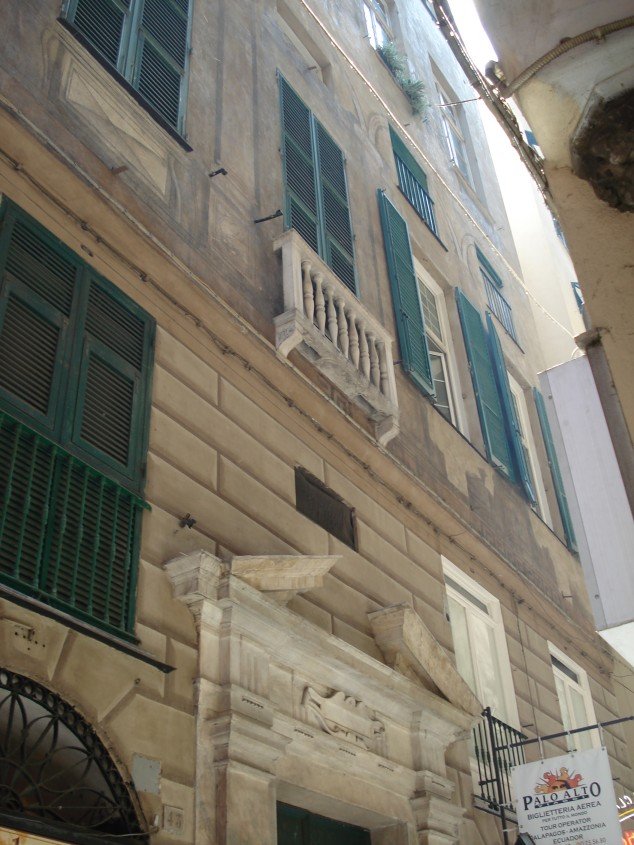

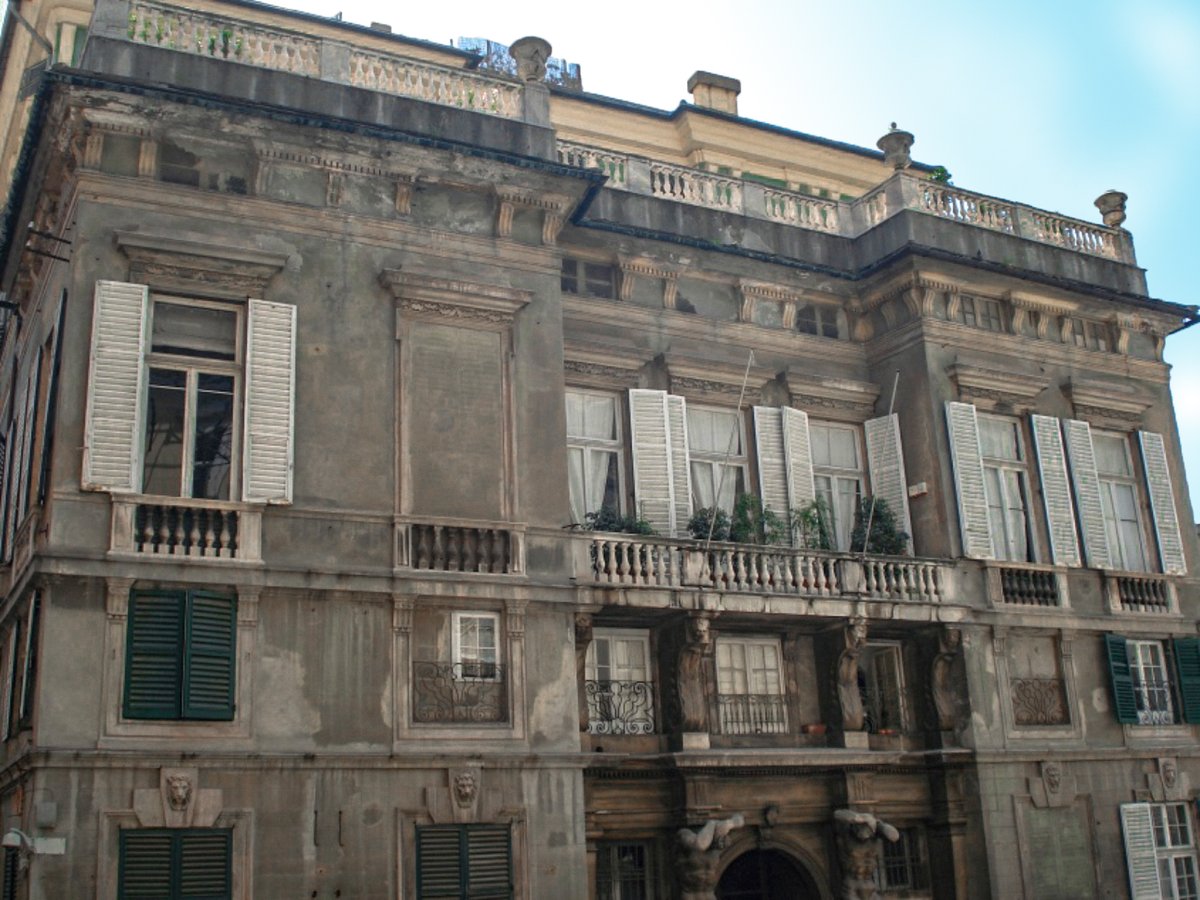
Nestled within the historic centre of the city, Palazzo Stefano De Mari stands as a relic of artistic and architectural legacy. Built in the 16th century on property of the Spinola, it has been included in the rolli since 1588 and associated with the De Mari family. The ties with the city are manifested by the title of Prince Acquaviva of Naples held by Carlo, who was Stefano's nephew and the owner of the palace in 1798, as can be seen from the estimo.
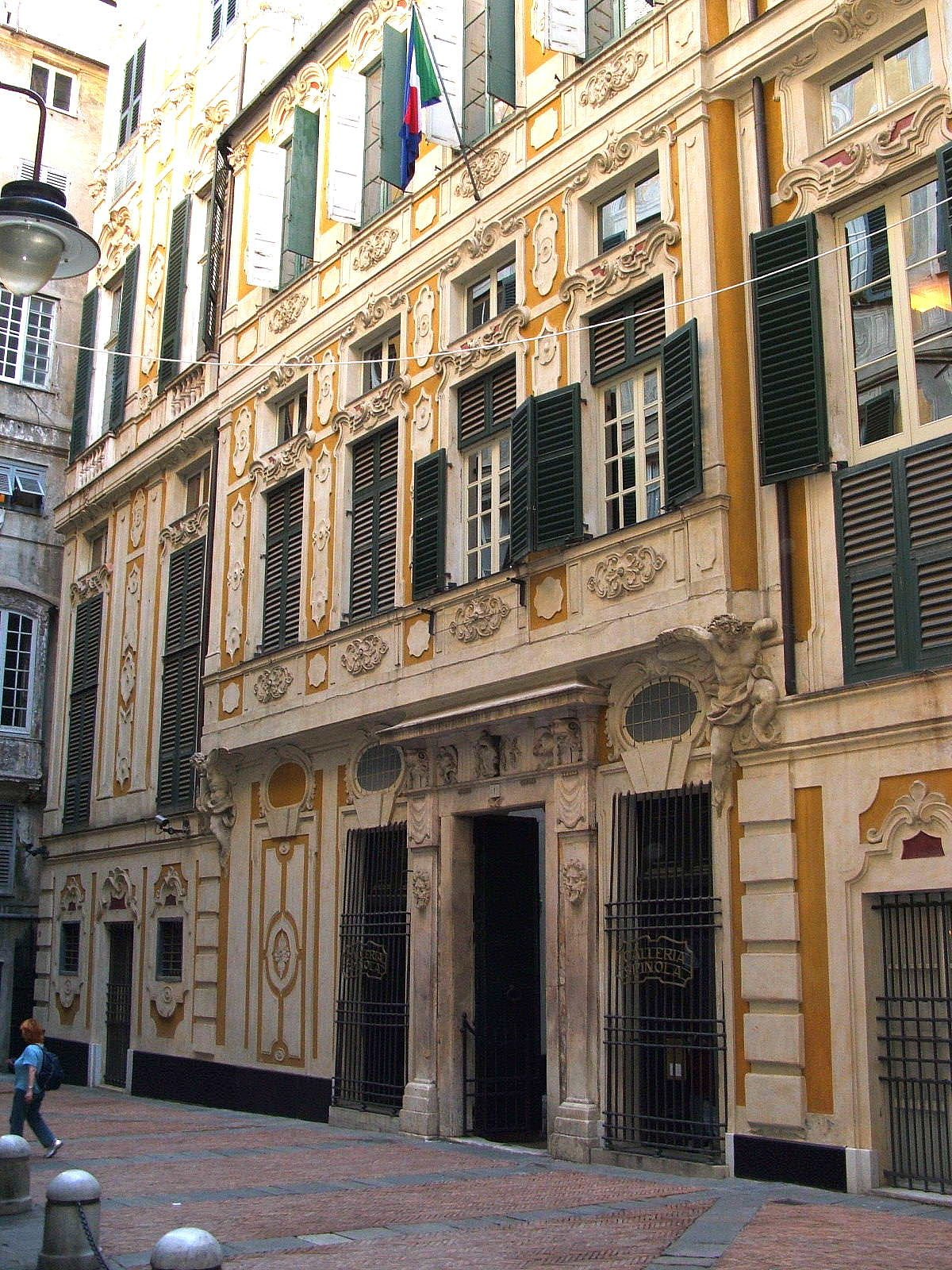
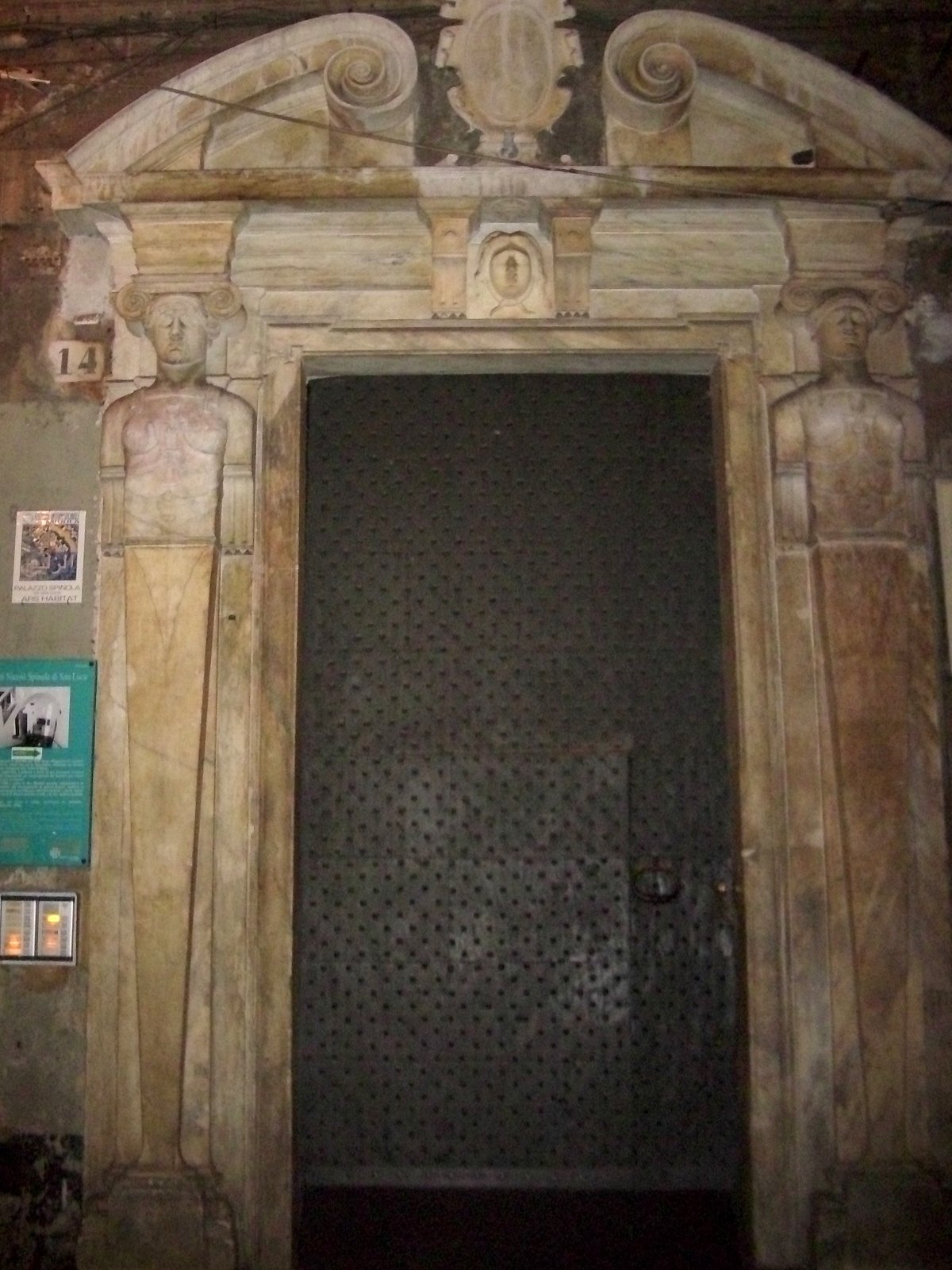
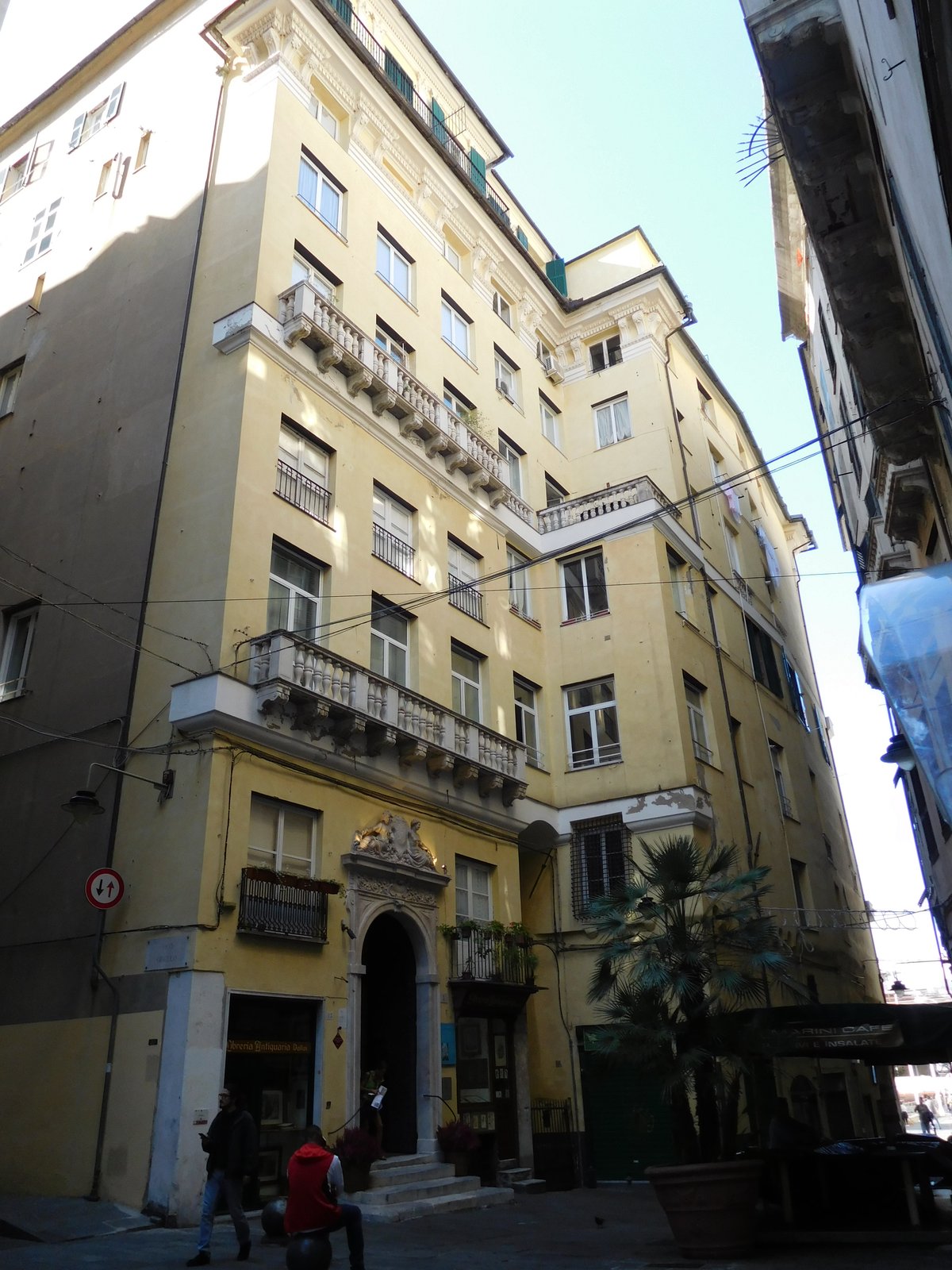
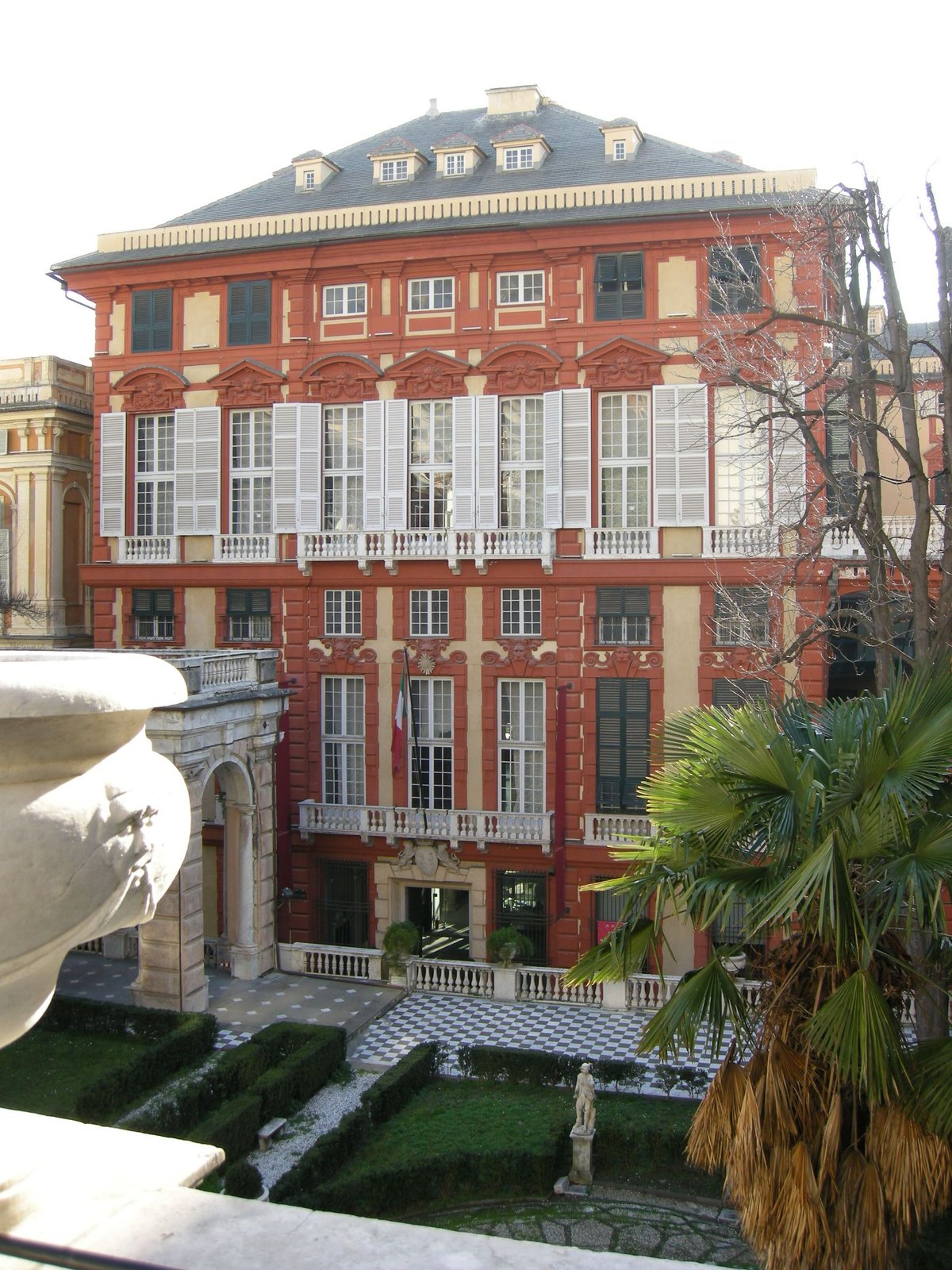
The narrow façades are frescoed in quadrature, compensated for by the brightness of the inner courtyard. A monumental late 15th century portal leads to an atrium renovated in the 19th century that holds a plaque commemorating an episode of the Resistance. A porticoed staircase, partly filled in, runs above the courtyard. The building is divided into private flats.
The monumental flat on the piano nobile retains two frescoed salons. Both rooms have a mock colonnade on the walls attributed to the quadraturists Enrico and Antonio Haffner. The vault of the first hall features Episodes from Ancient History by Bernardo Castello, while the vault of the second displays a fresco with Tobiolo and the Angel attributed to Giovanni Battista Carlone.
Sources: Wikipedia, OpenStreetMap, Wikidata, Wikimedia Commons
Written by Nicolo Ciampini
Discuss this with the author and others
No comments yet. Be the first to start the conversation.