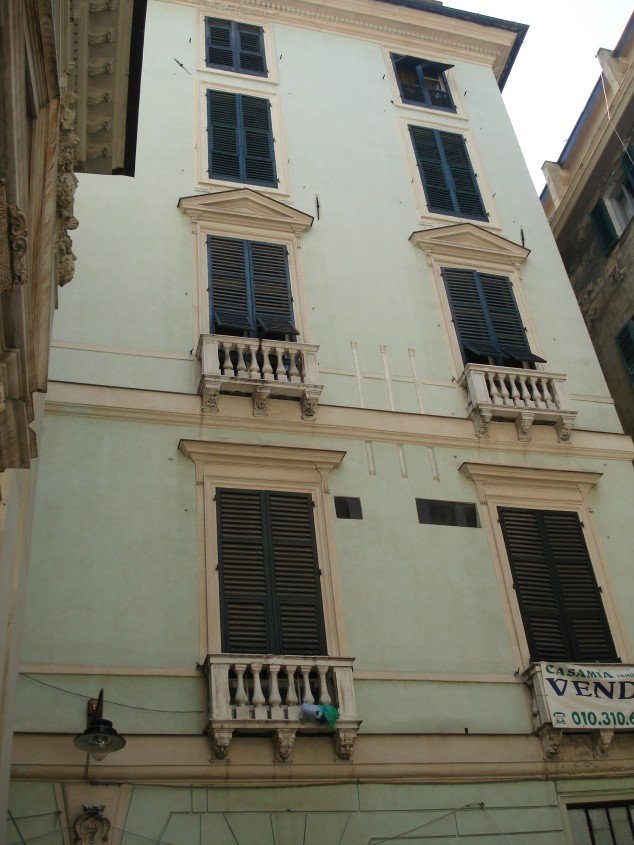

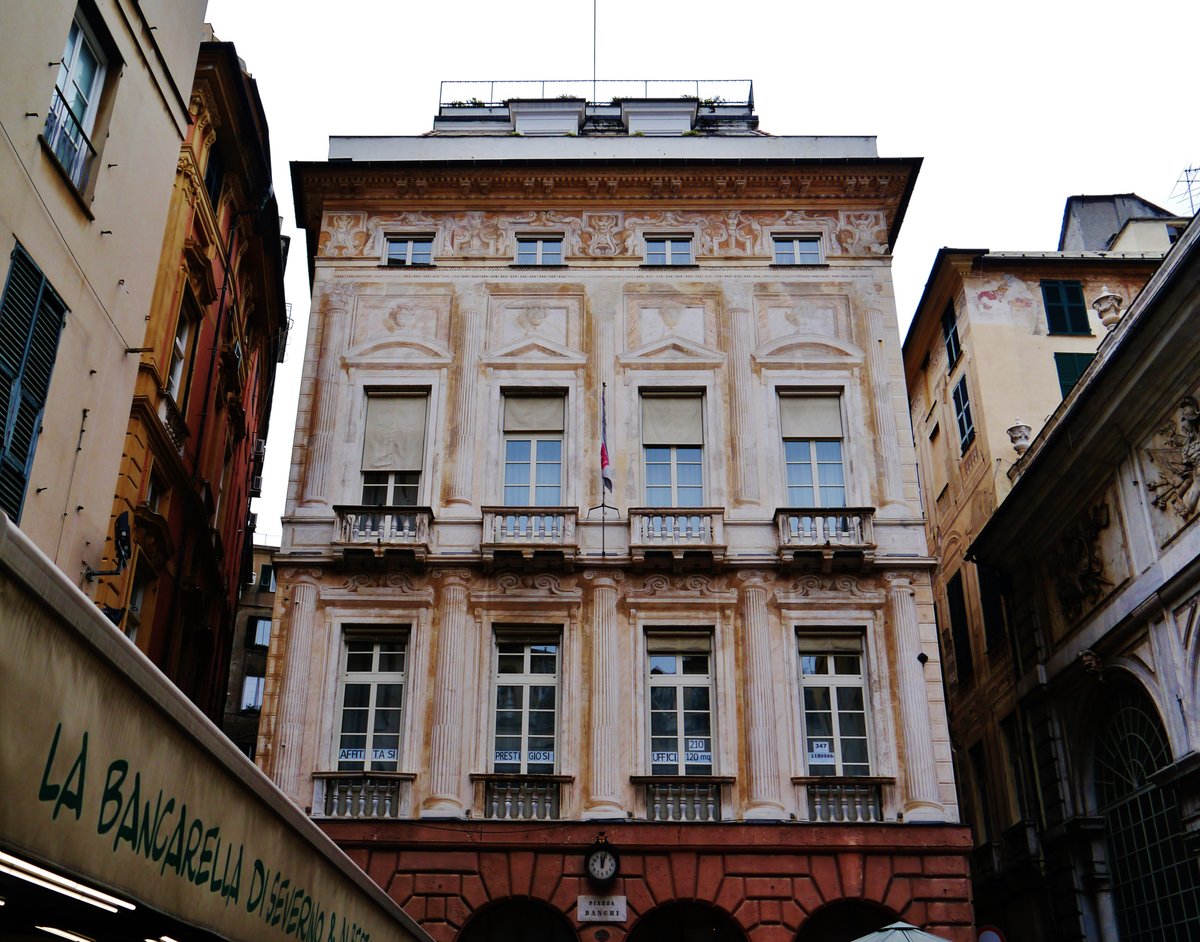
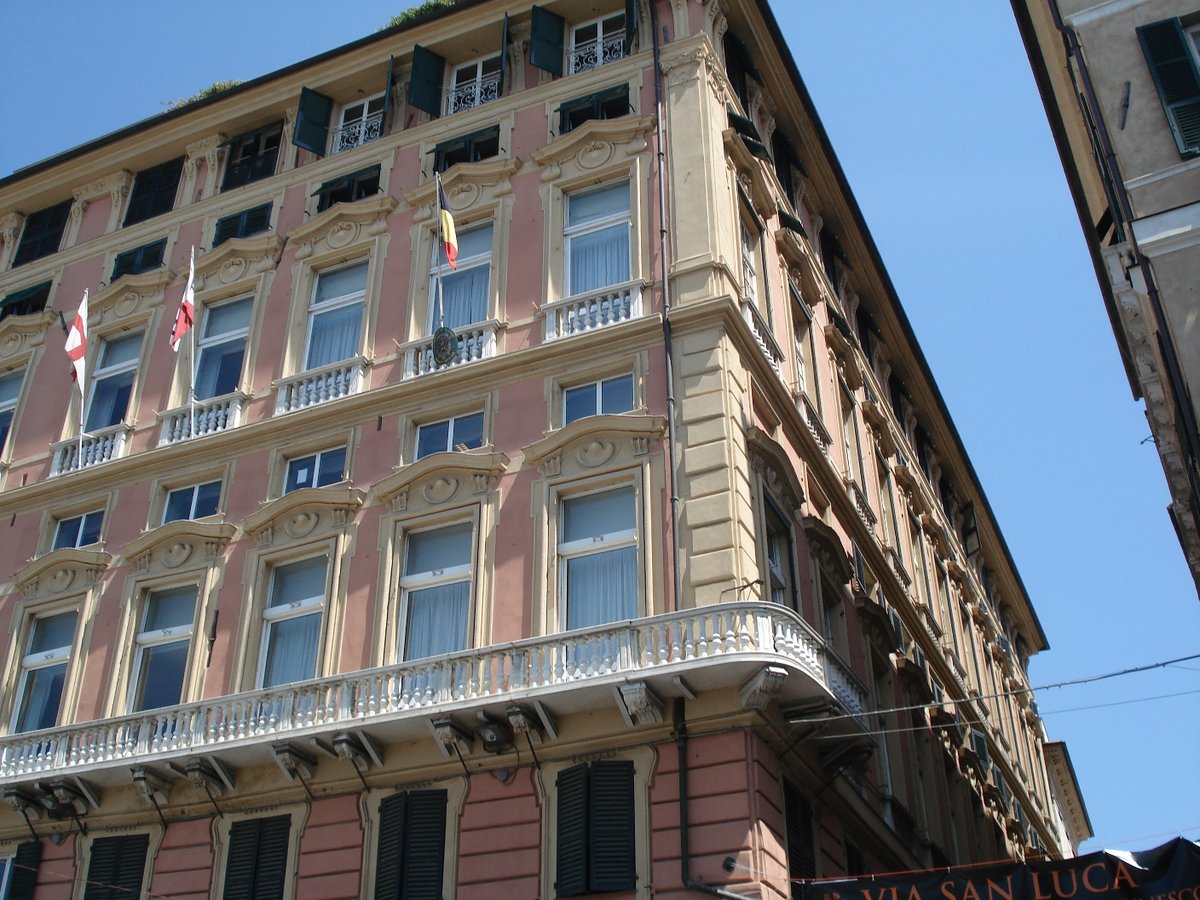
Palazzo Gio Battista Grimaldi stands in Piazza San Luca in the historical centre of Genoa. Its history is linked to the square, where the aristocratic churches of the Spinola and the Grimaldi have stood since 1188. The square was rebuilt in 1332 following more than half a century of struggles between the two families - the Grimaldi (Guelphs) and the Spinola (Ghibellines).
In the 1500s, the palace took on its present character with the closing of the porticoes that crowned the square. It was during this time that Gio Batta Grimaldi, a former senator of the Republic of Genoa, first appeared in the Genovese Rolls. The succession of the site continued through the names of Agostino Grimaldi in 1588 and 1599, and Paolo Spinola in 1614.
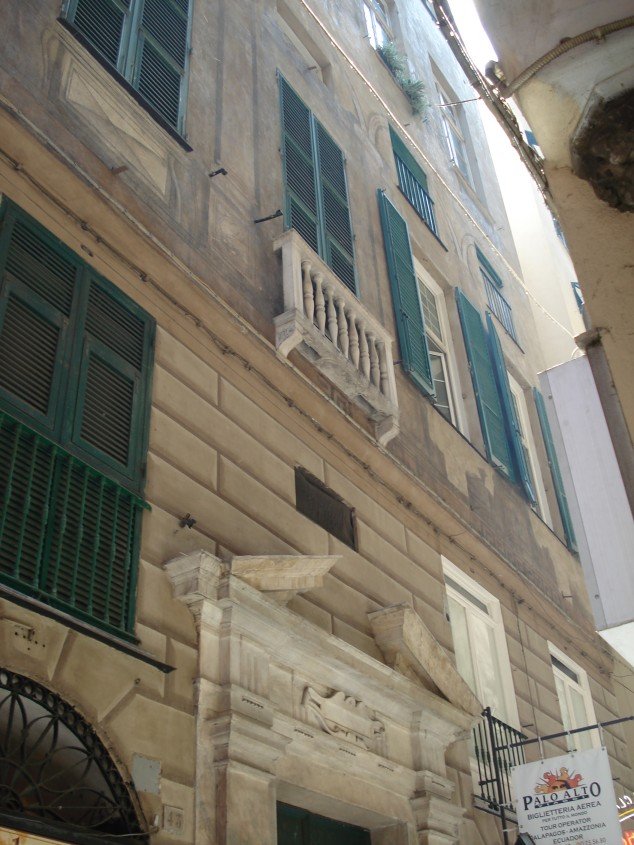
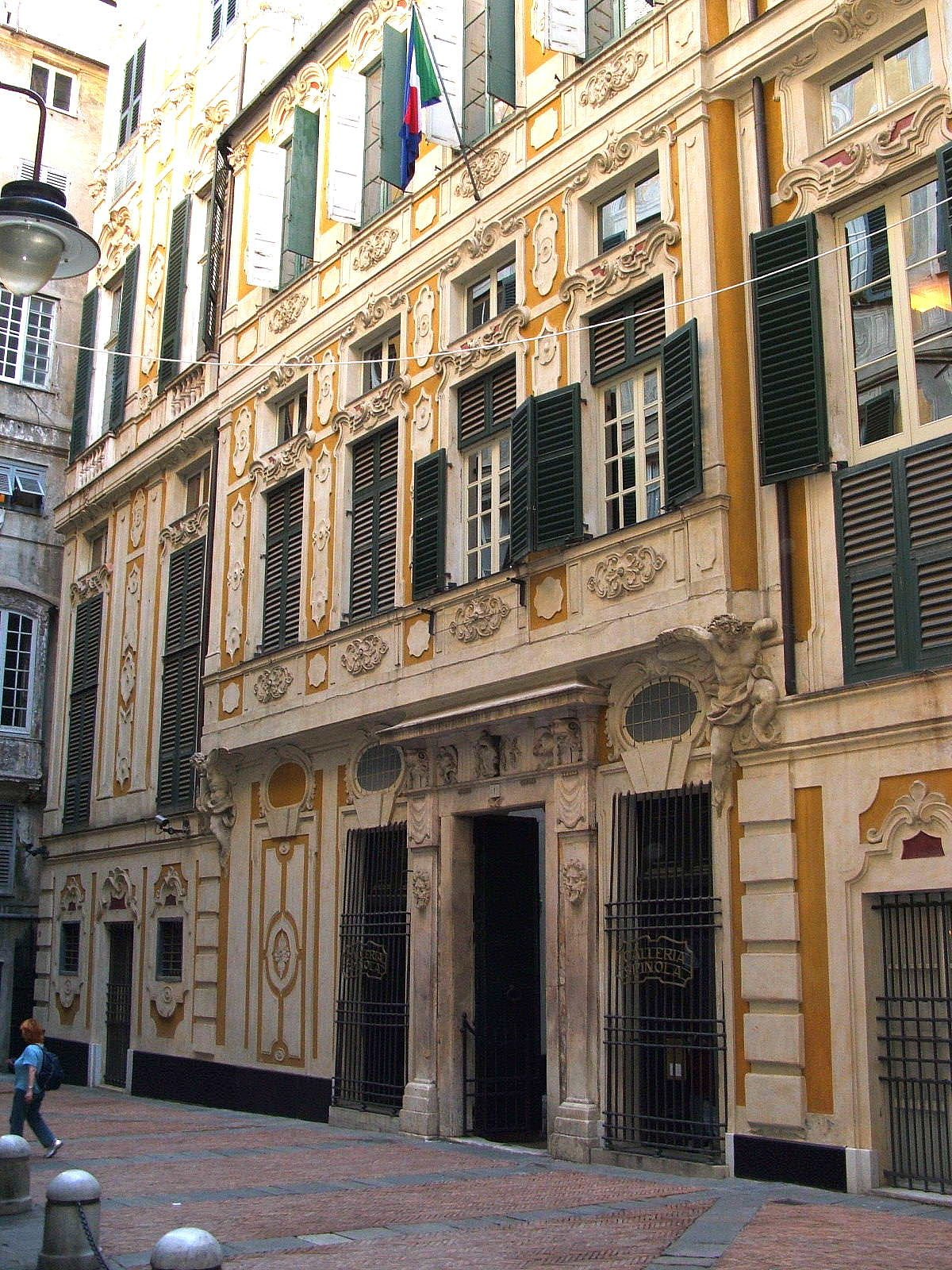
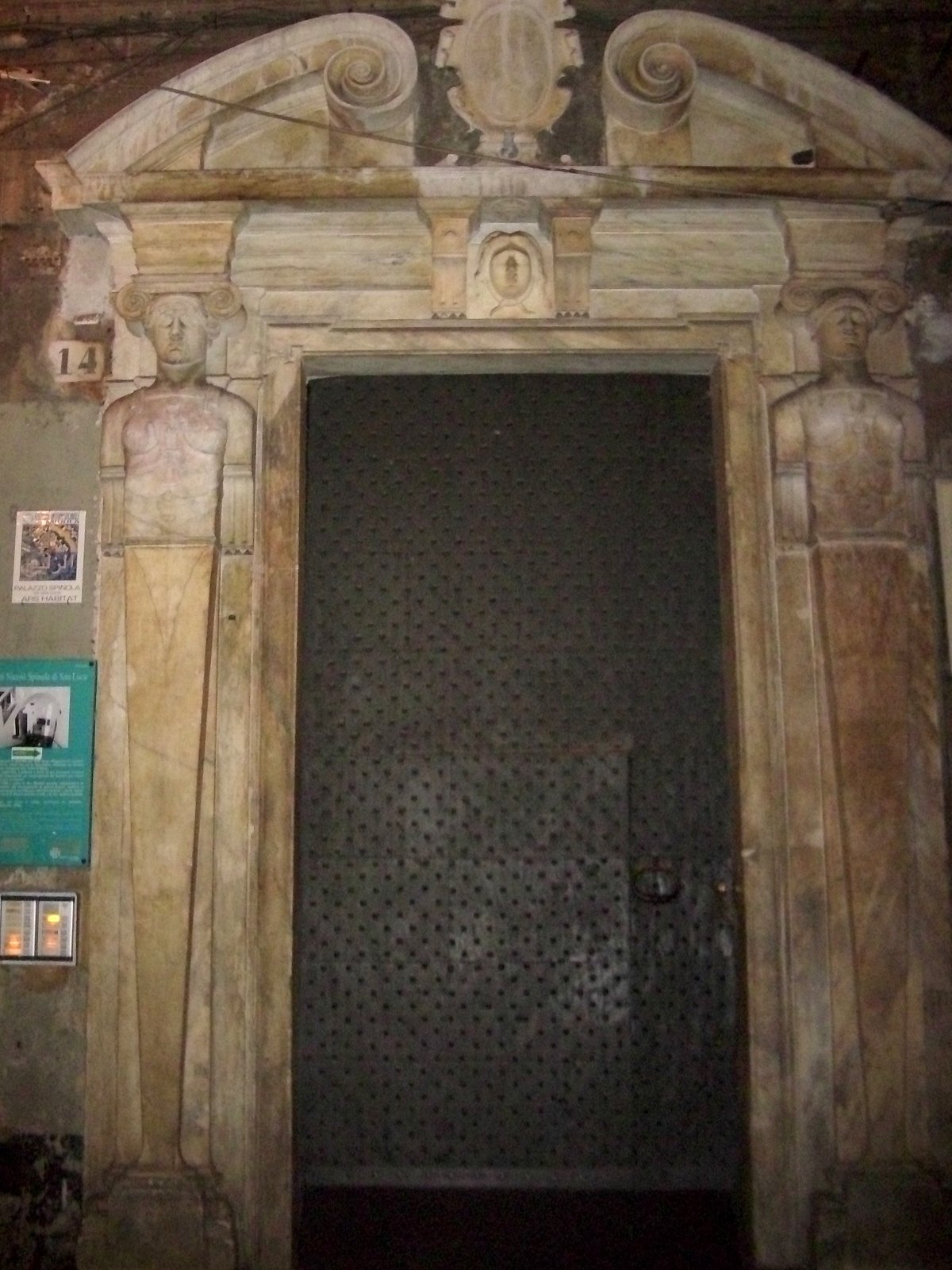
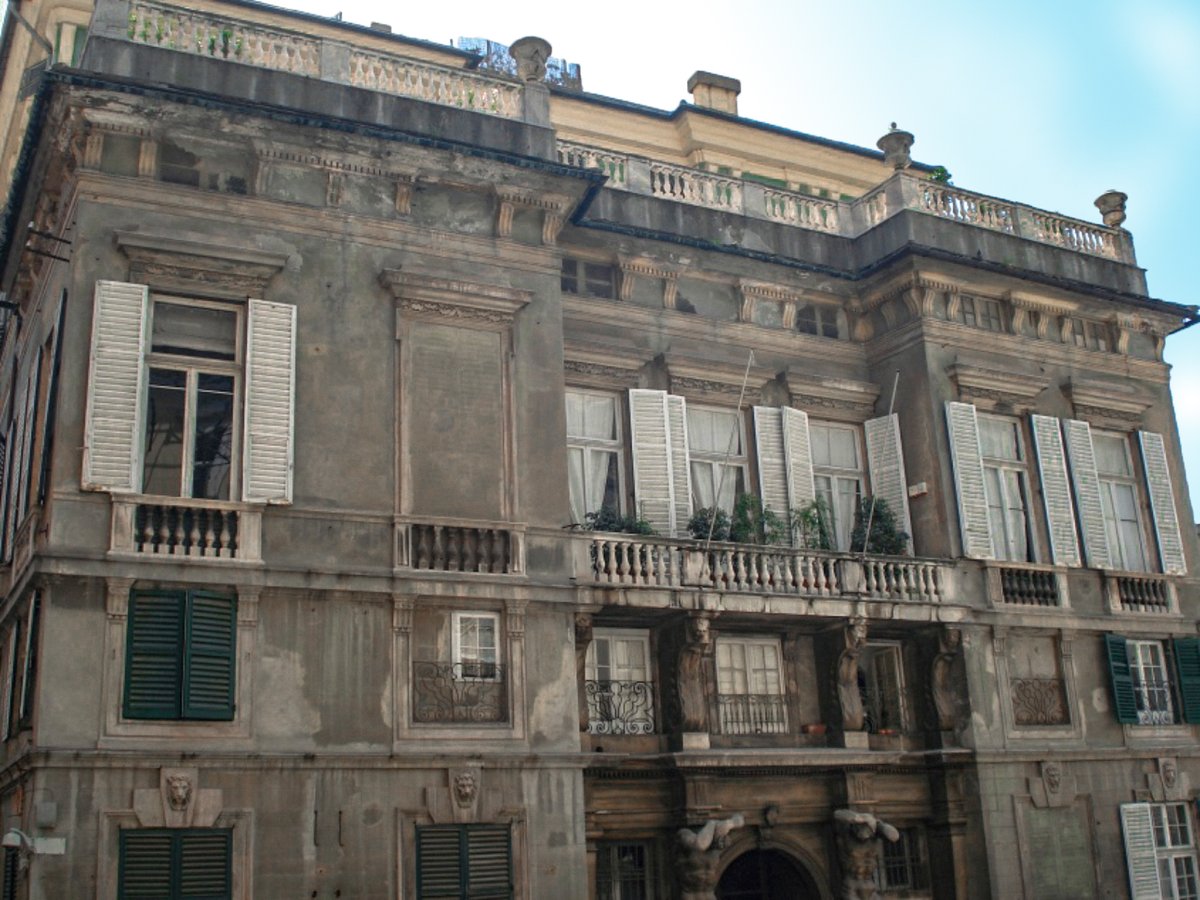
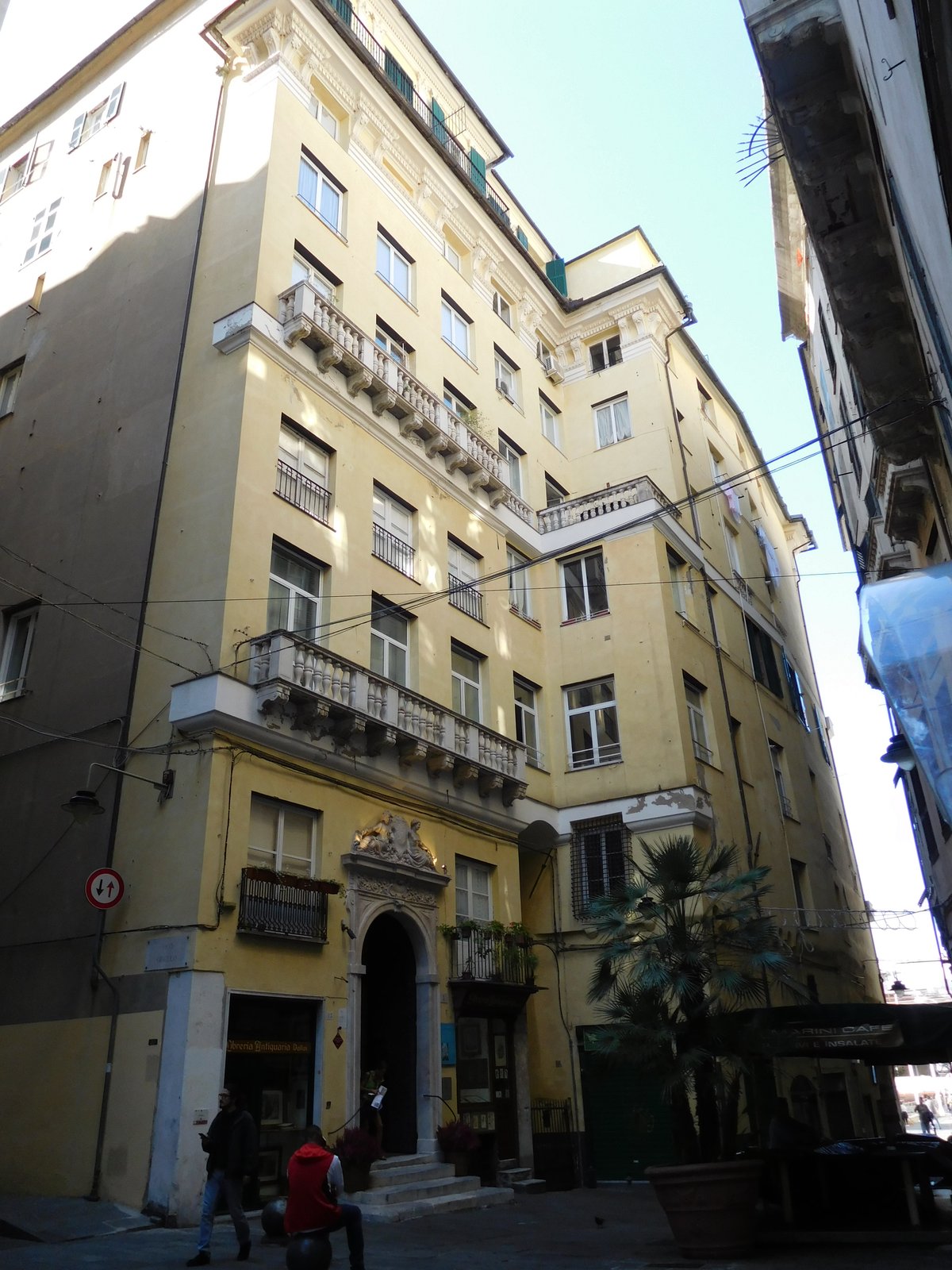
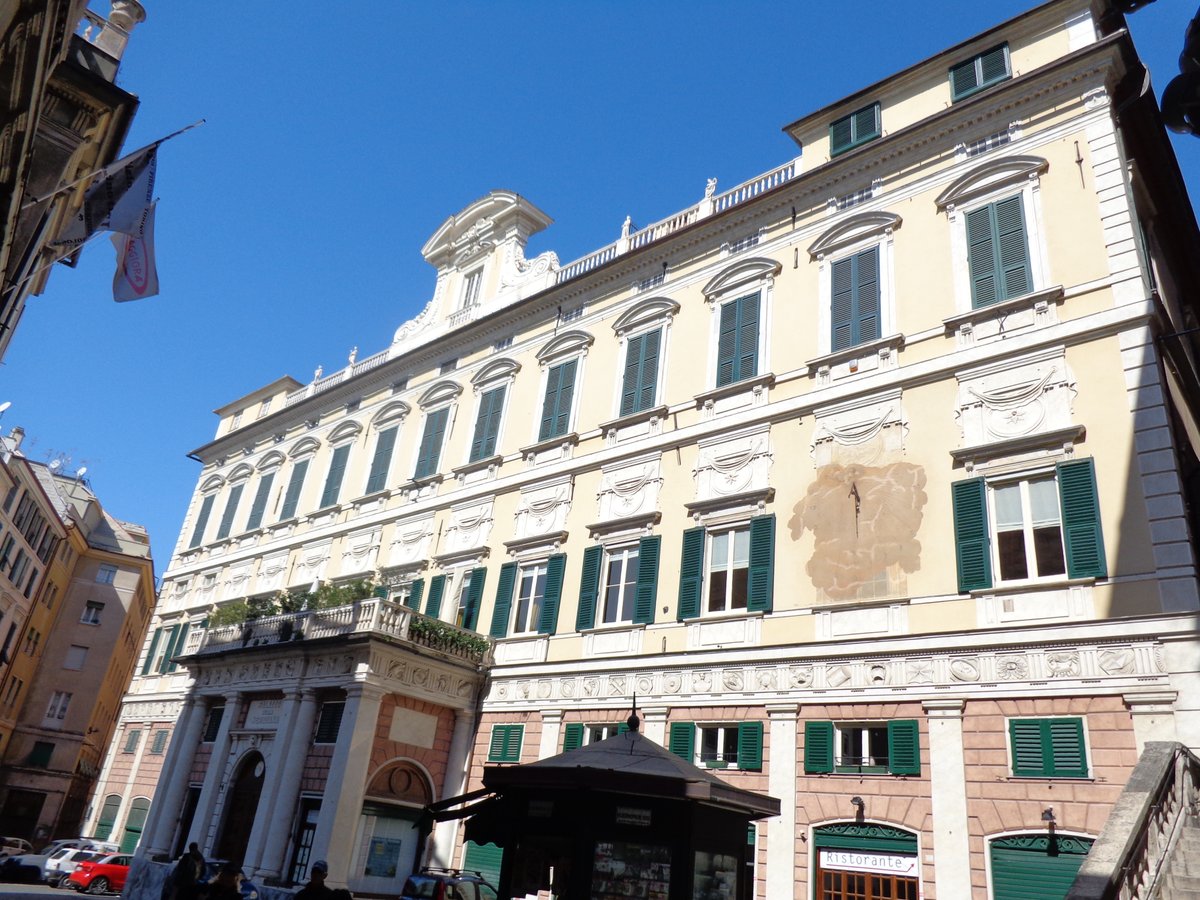
The main façade on the square is embellished with corbelled balconies and masks, featuring a sober 17th-century portal with the inscription PARVO BENE. This facade partially conceals three Corinthian masonry columns on the second floor. Inside, the atrium and a loggiased staircase rise parallel to the main façade to the third floor, creating the image of a 16th-century noble palace built on medieval volumes.
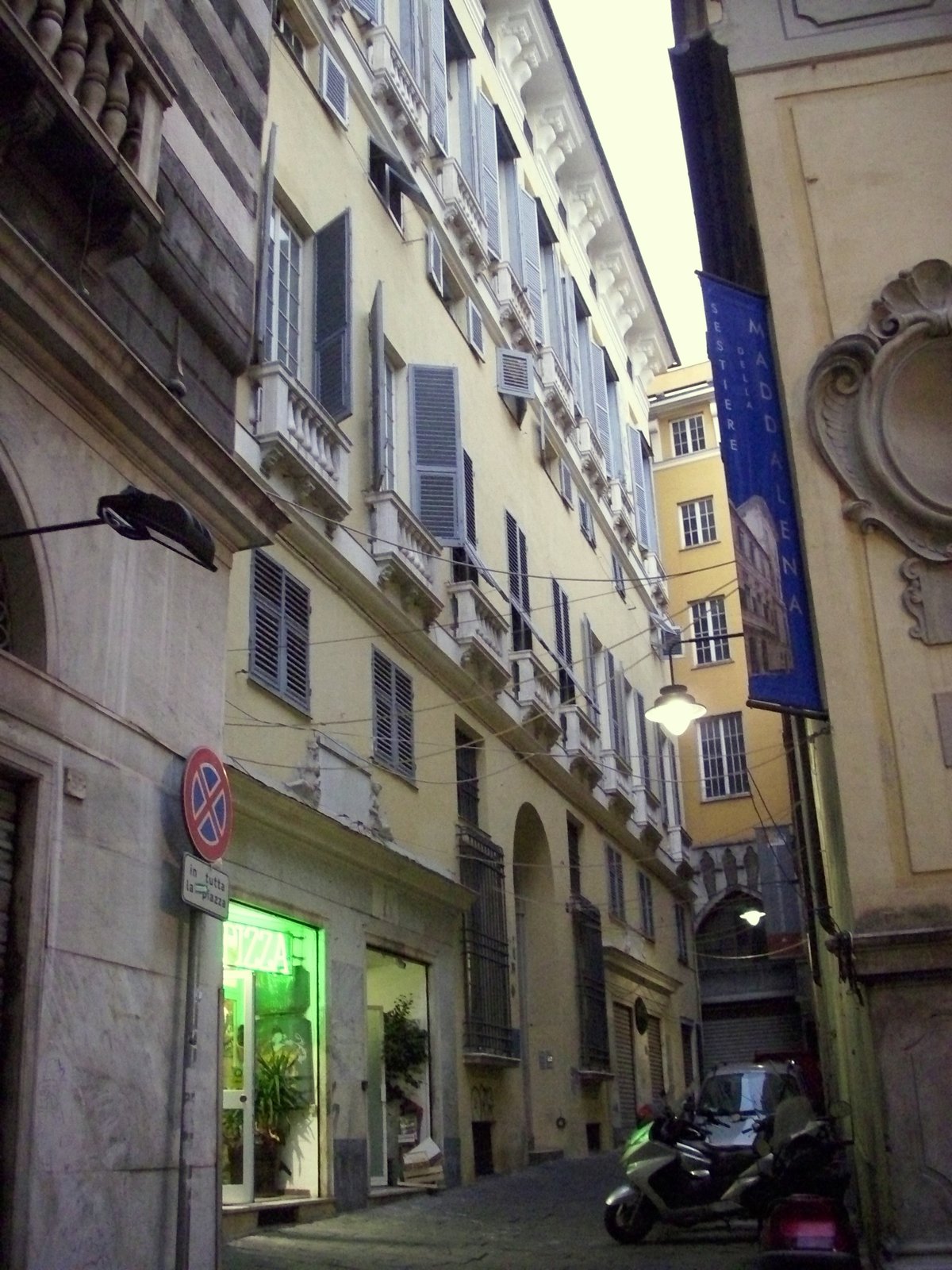
At the rear of the building, traces of these medieval volumes remain. Here, a slate portal from the 16th century overlooks the narrow Vico della torre di San Luca. This portal is a sign of an access point that existed prior to the construction of the palace and remains unused today.
Sources: Wikipedia, OpenStreetMap, Wikidata, Wikimedia Commons
Written by Nicolo Ciampini
Discuss this with the author and others
No comments yet. Be the first to start the conversation.