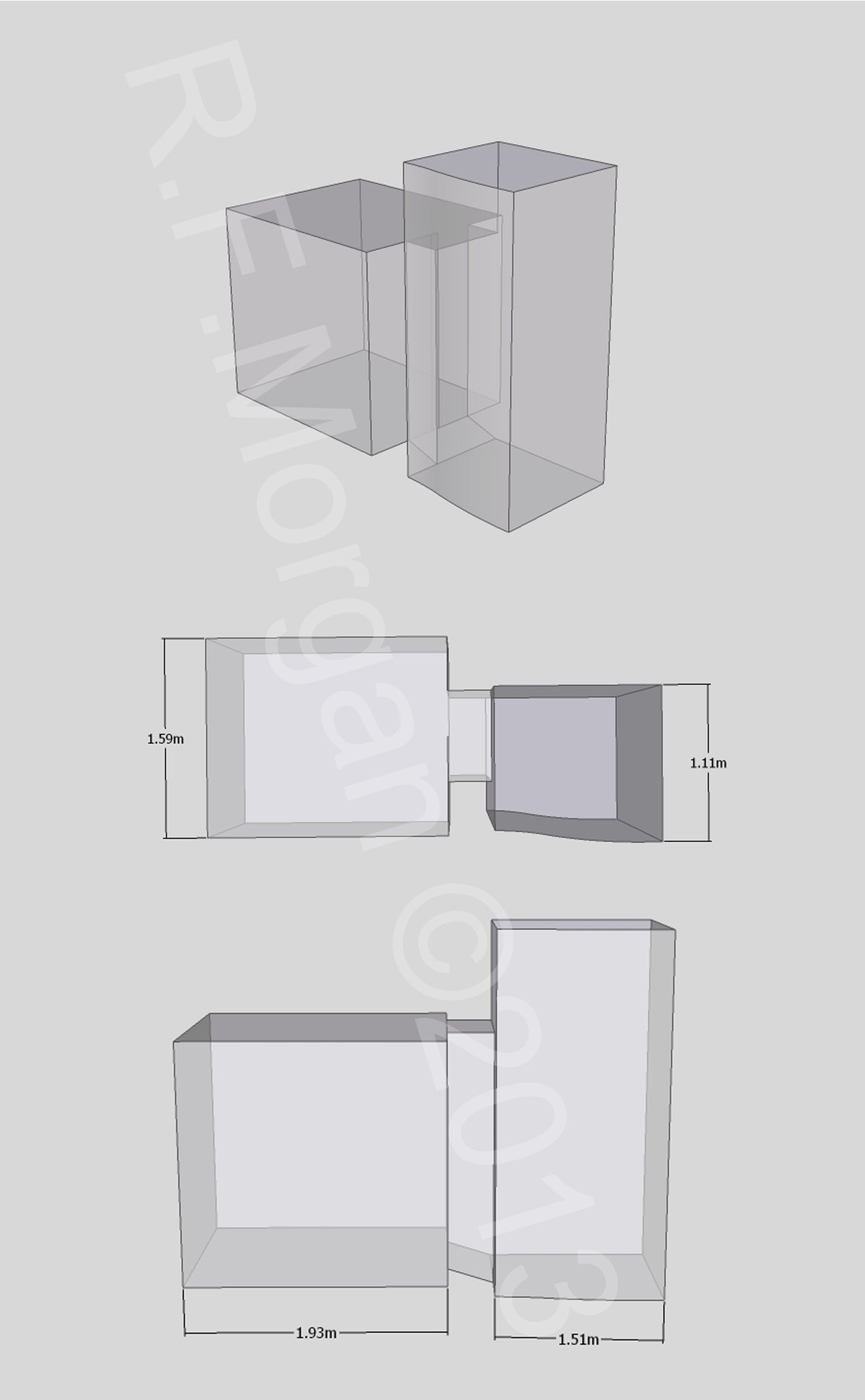

Located in the Valley of the Kings, Egypt, Tomb KV50 was discovered in 1906 by Edward R. Ayrton excavating on behalf of Theodore M. Davis. It is located on a rocky promontory in the side valley leading towards KV35, situated at a slightly higher level and to the west of KV49. The tomb was the first of a cluster of three discovered by Ayrton in this part of the valley.
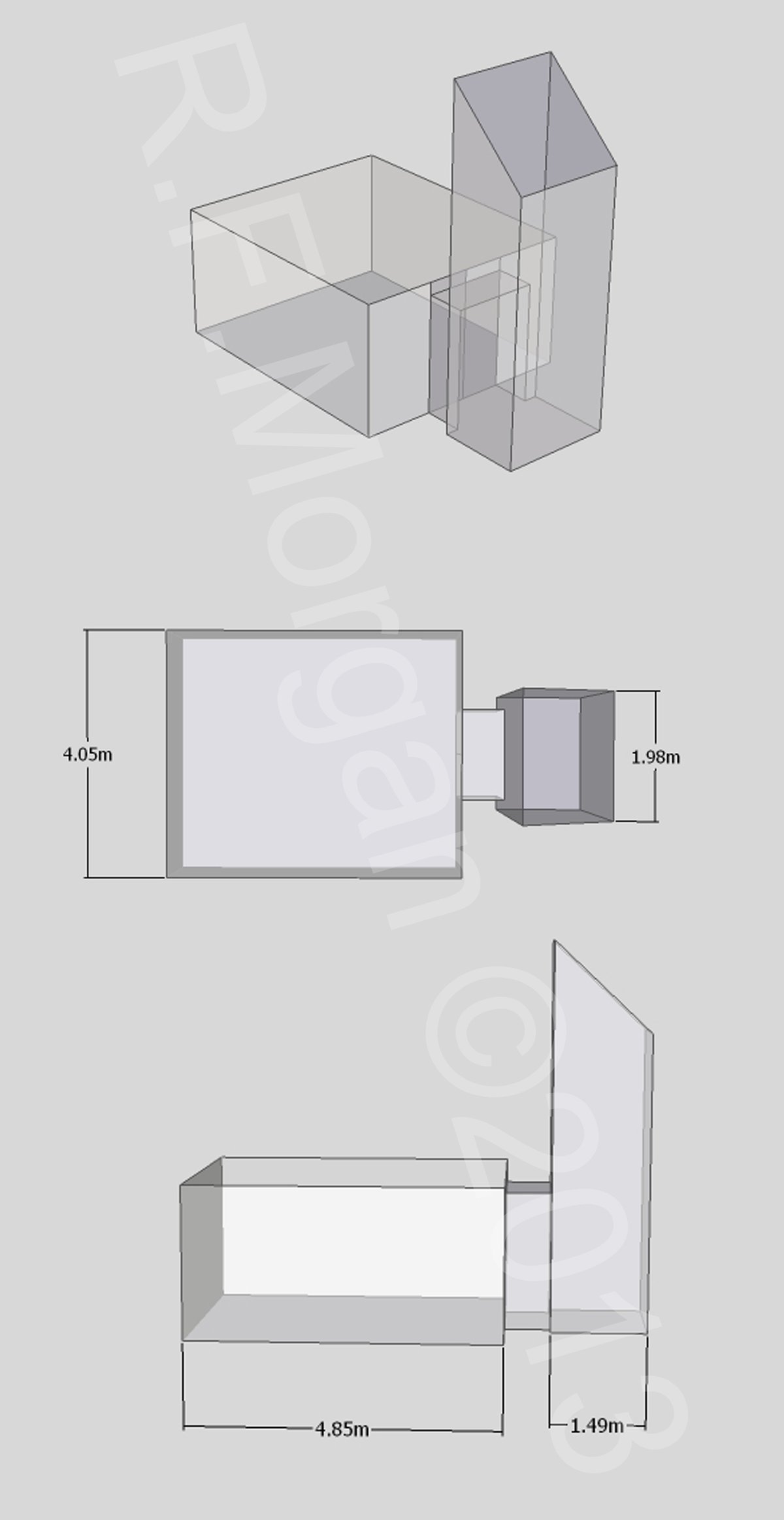
The entrance to the tomb was buried under 6 feet (1.8 m) of debris. Inside is a shaft 12 feet (3.7 m) deep and 4 feet (1.2 m) square, which opens south onto a chamber 19 feet (5.8 m) long and 6-8 feet (1.8-2.4 m) wide. While the tomb was thoroughly robbed in antiquity, wooden fragments suggest it likely once held a coffin. No trace of the owner's name was found.
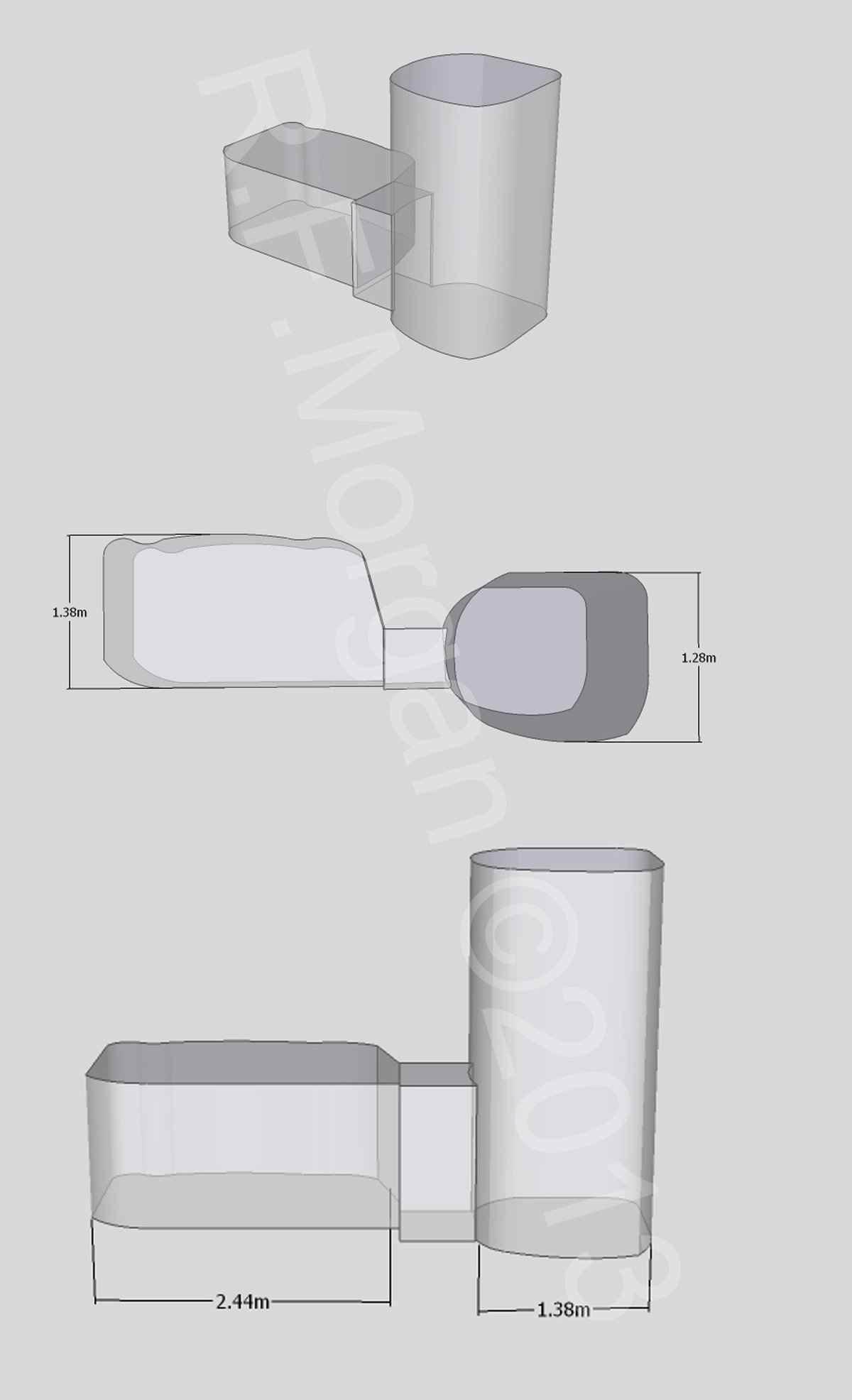
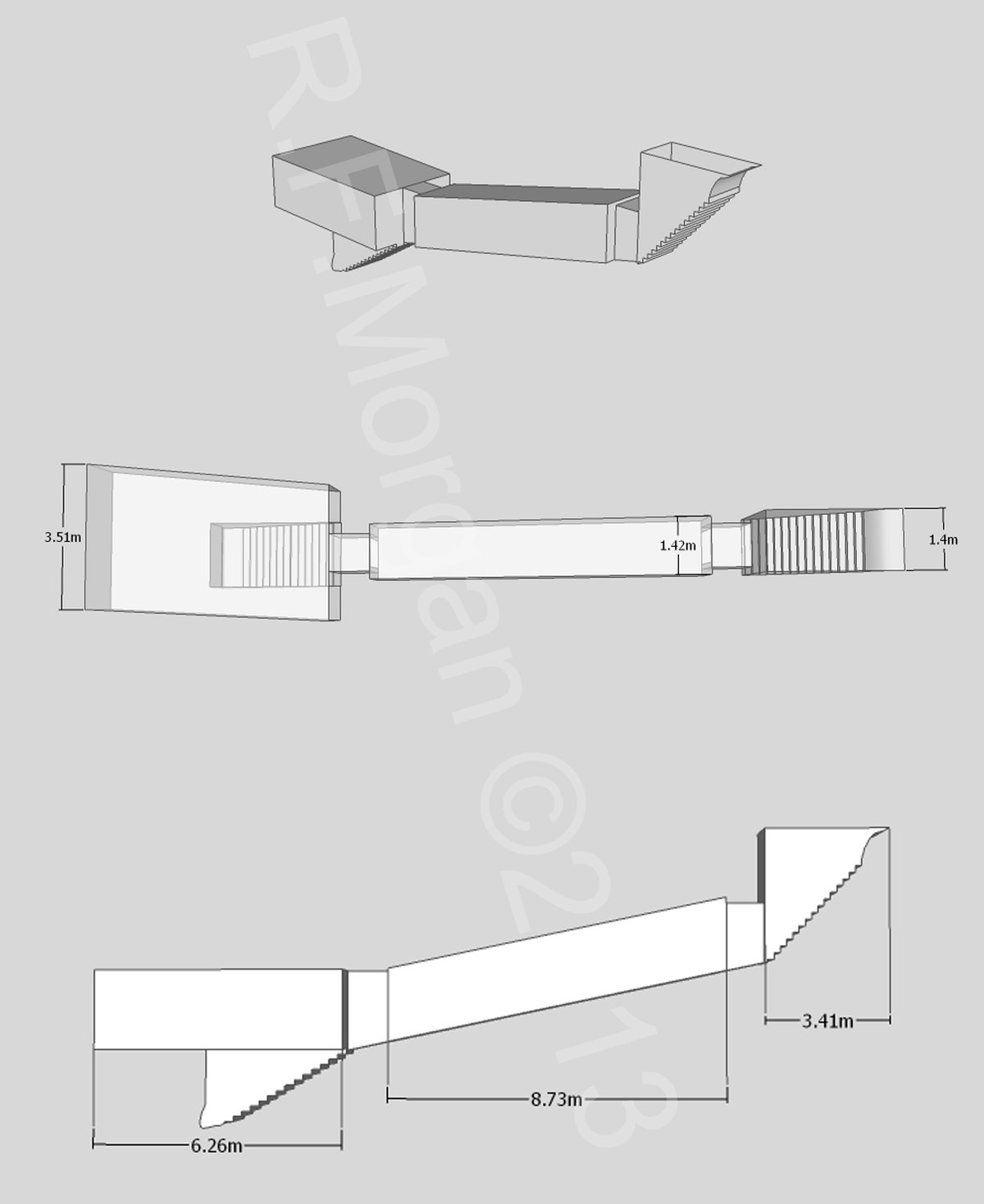
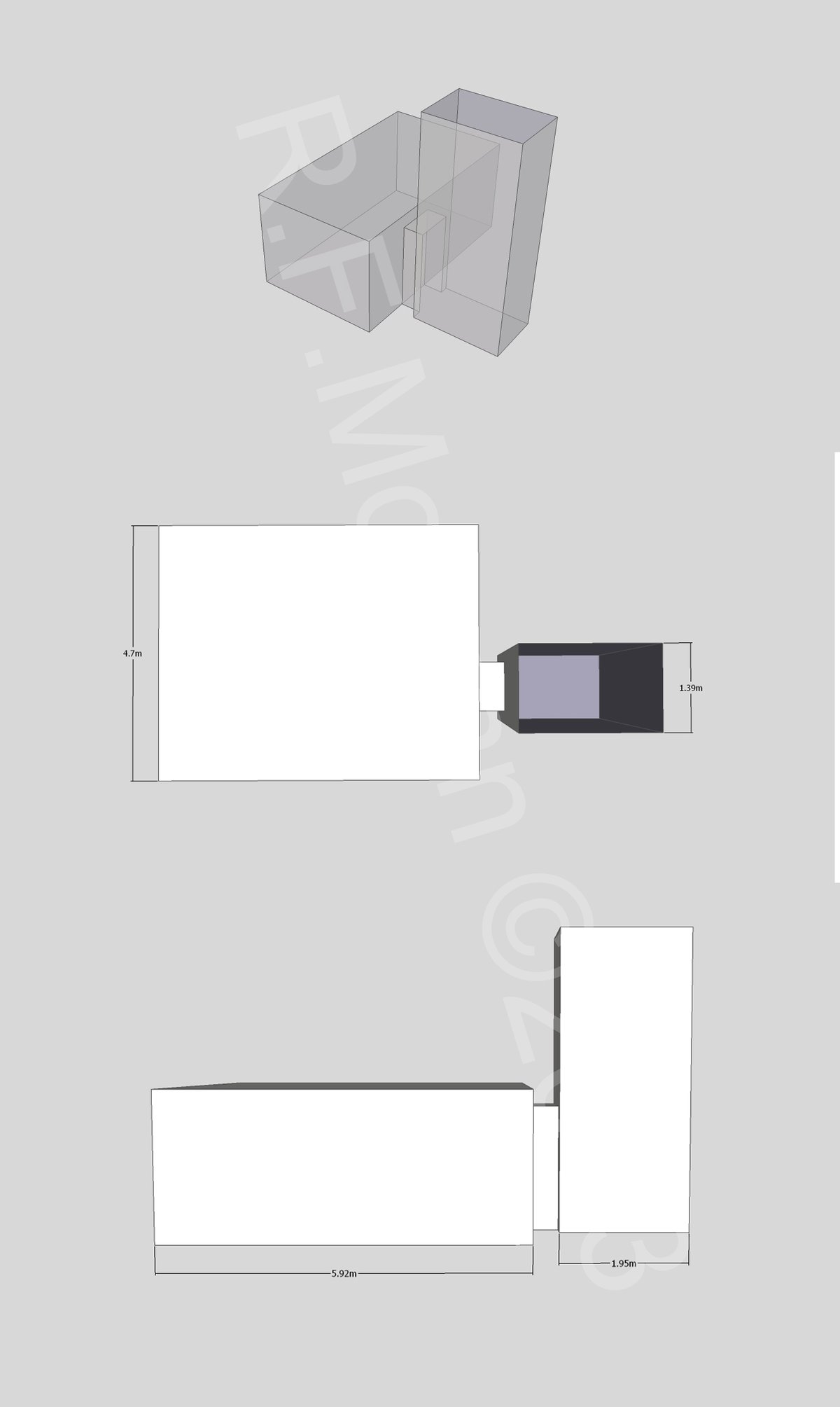
Tomb KV50 forms a group known as the Animal Tombs along with KV51 and KV52. These tombs seem to have formed a burial ground for royal pets. The only occupants found in the chamber were two animal mummies posed against one wall - a large dog, quite perfect although stripped of its wrappings, and a monkey still partially wrapped. The tomb is probably associated with the nearby tomb of Amenhotep II (KV35).
In winter 2009-2010, a team led by Zahi Hawass and Ahmed el-Leithy excavated this area to relocate KV50, KV51, KV52, and KV53. This work revealed Eighteenth Dynasty pottery, tools, and ostraca. The ostraca included figured examples such as a sketch of a seated queen presenting an offering, depictions of sexual scenes with women and animals, and cartouches of Ramesses II.
Sources: Wikipedia, OpenStreetMap, Wikidata, Wikimedia Commons
Written by Mutabor
Discuss this with the author and others
No comments yet. Be the first to start the conversation.