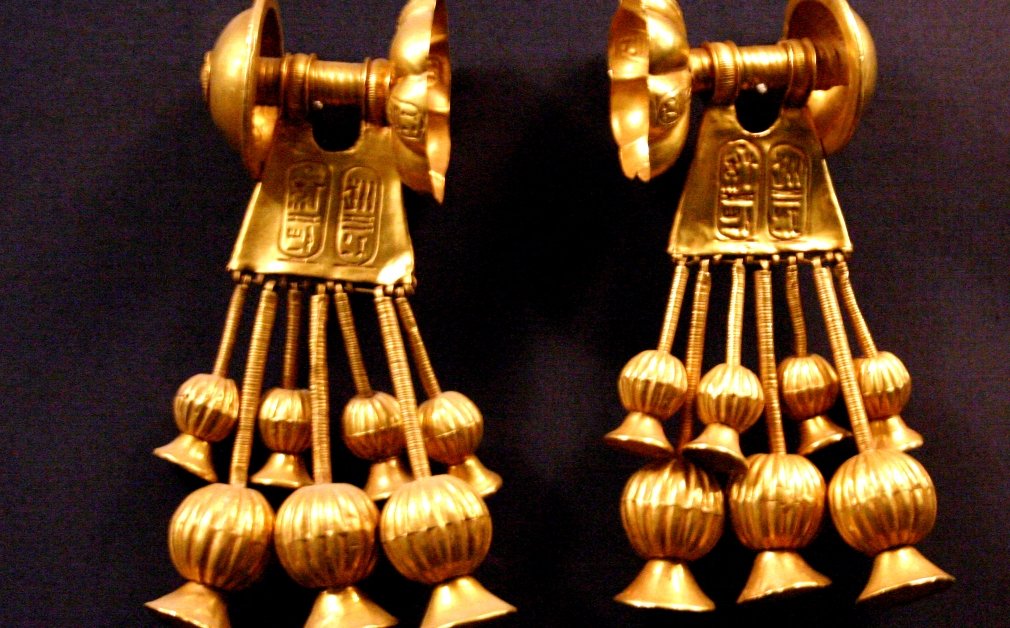

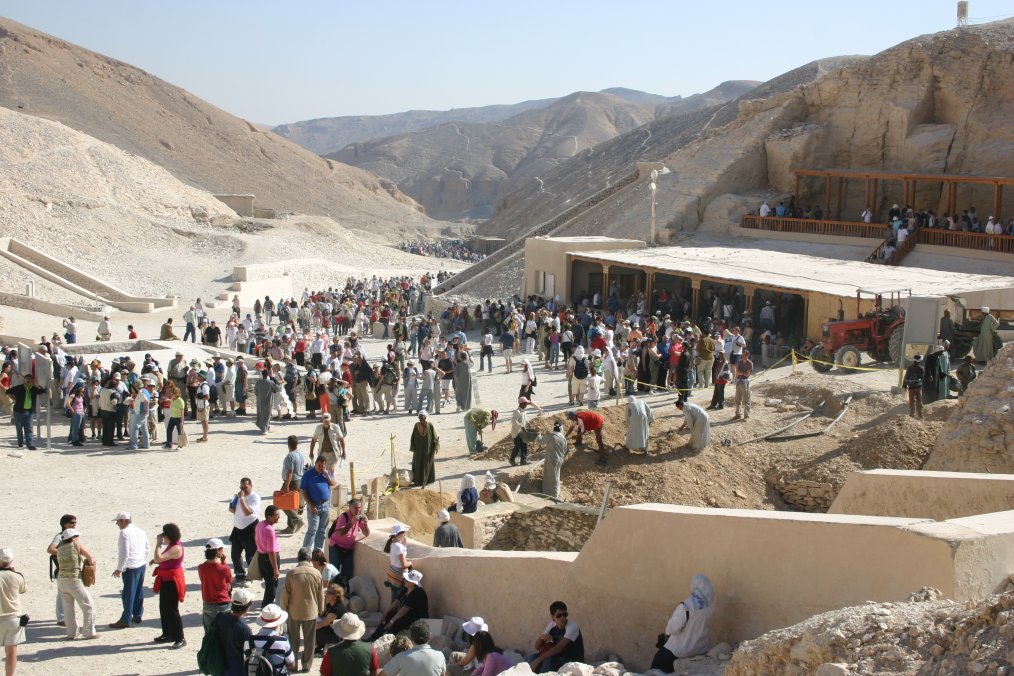
Nestled in the Valley of the Kings, near Luxor, Egypt, lies KV56, also known as the Gold Tomb. First discovered by Edward R. Ayrton on 5 January 1908 while excavating on behalf of Theodore Davis, the tomb now holds a thin layer of gold leaf and stucco in the original location because the burial and casket have disintegrated. However, the most breathtaking relics recovered from the tomb are the spectacular gold and silver jewellery, featuring the names of Seti II and Twosret inscribed upon them.
In 1999, a re-excavation by the Amarna Royal Tombs Project led by Nicholas Reeves recovered many additional items. These included faience wig curls, large quantities of thin gold foil, and additional necklace components and beads, including a gold foil plaque bearing the cartouche of Seti II.
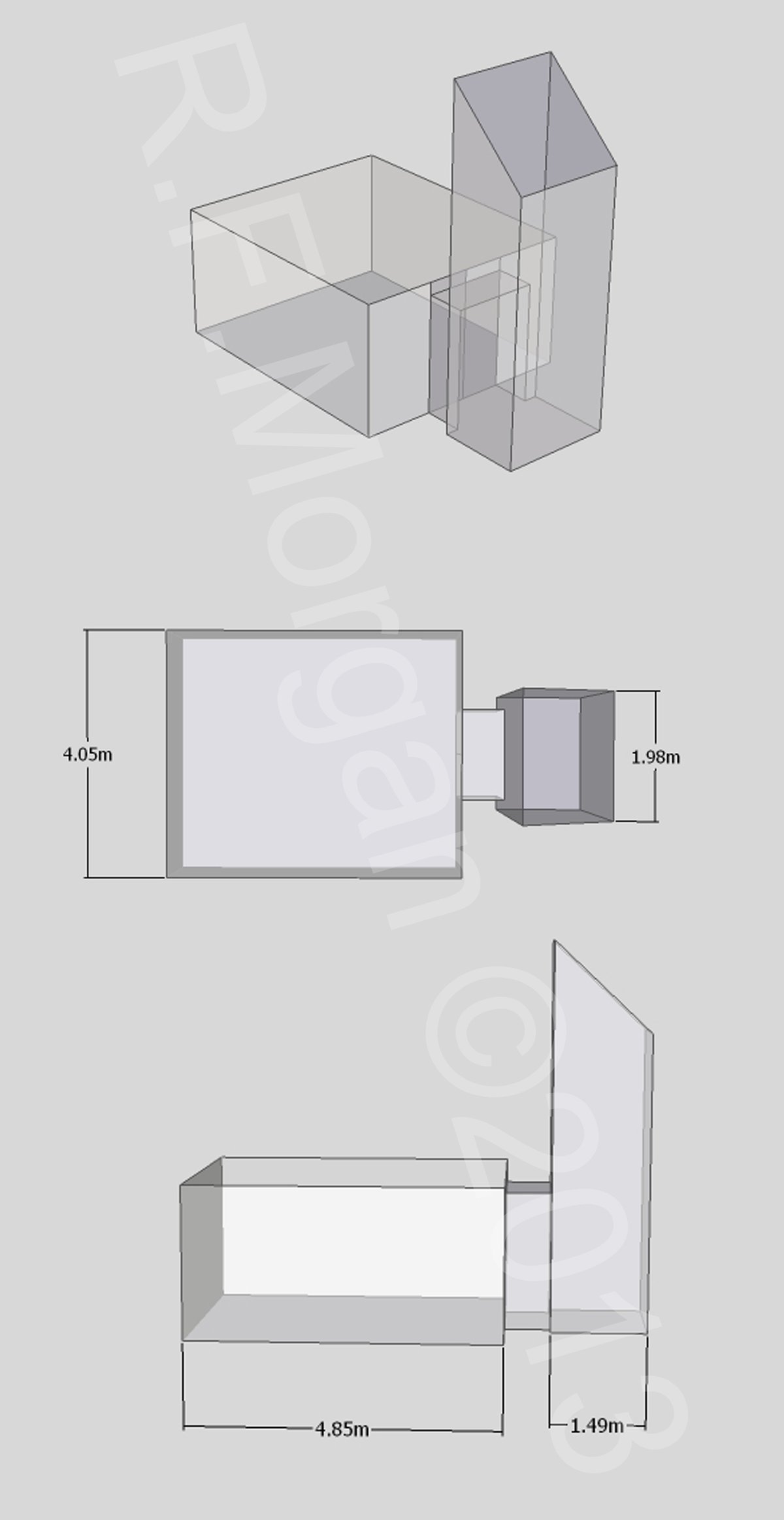
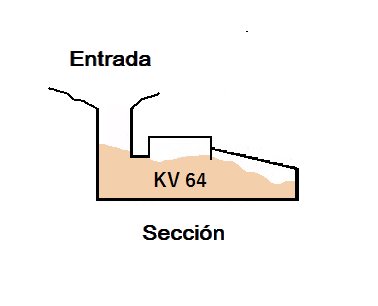
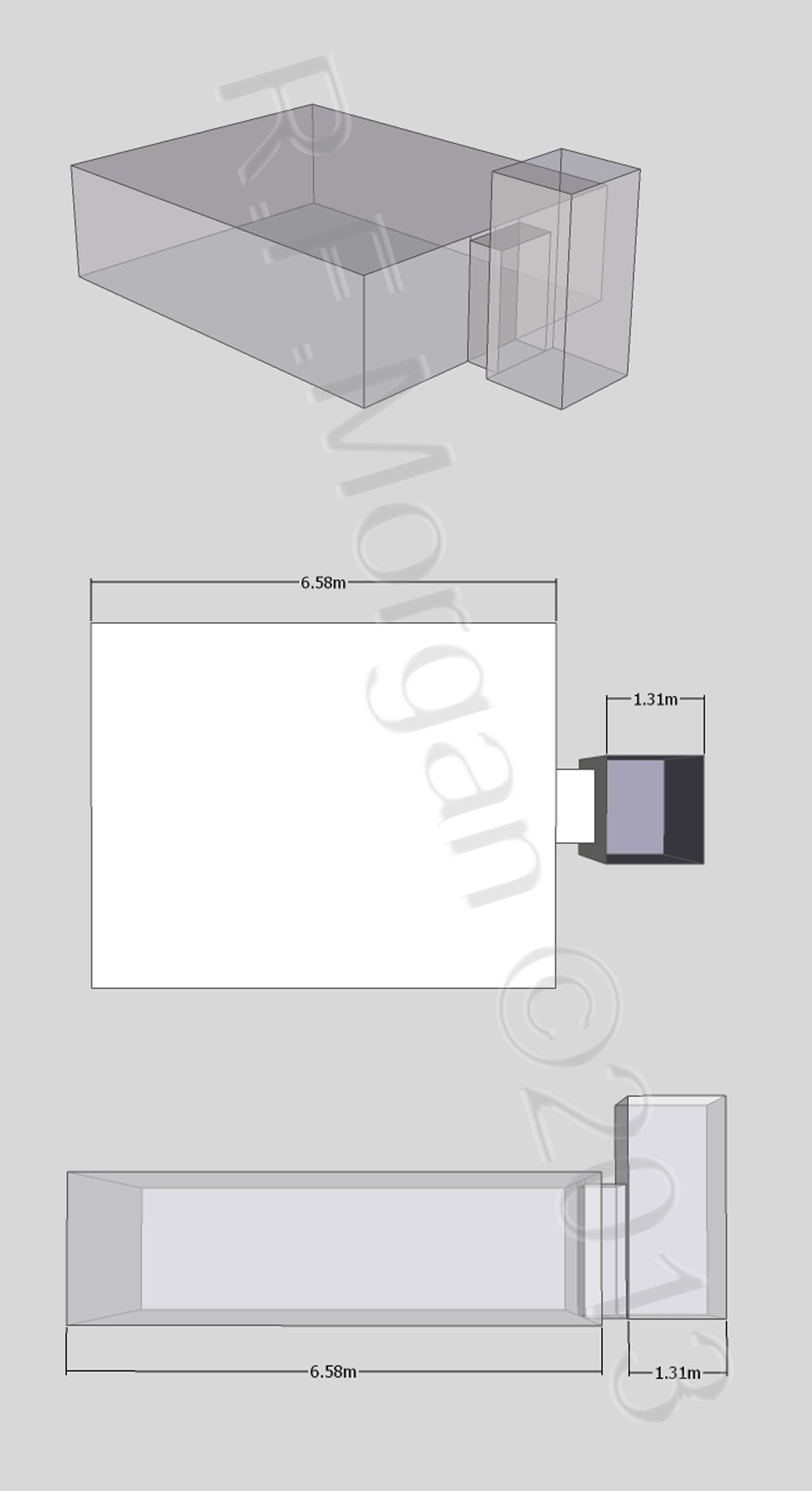
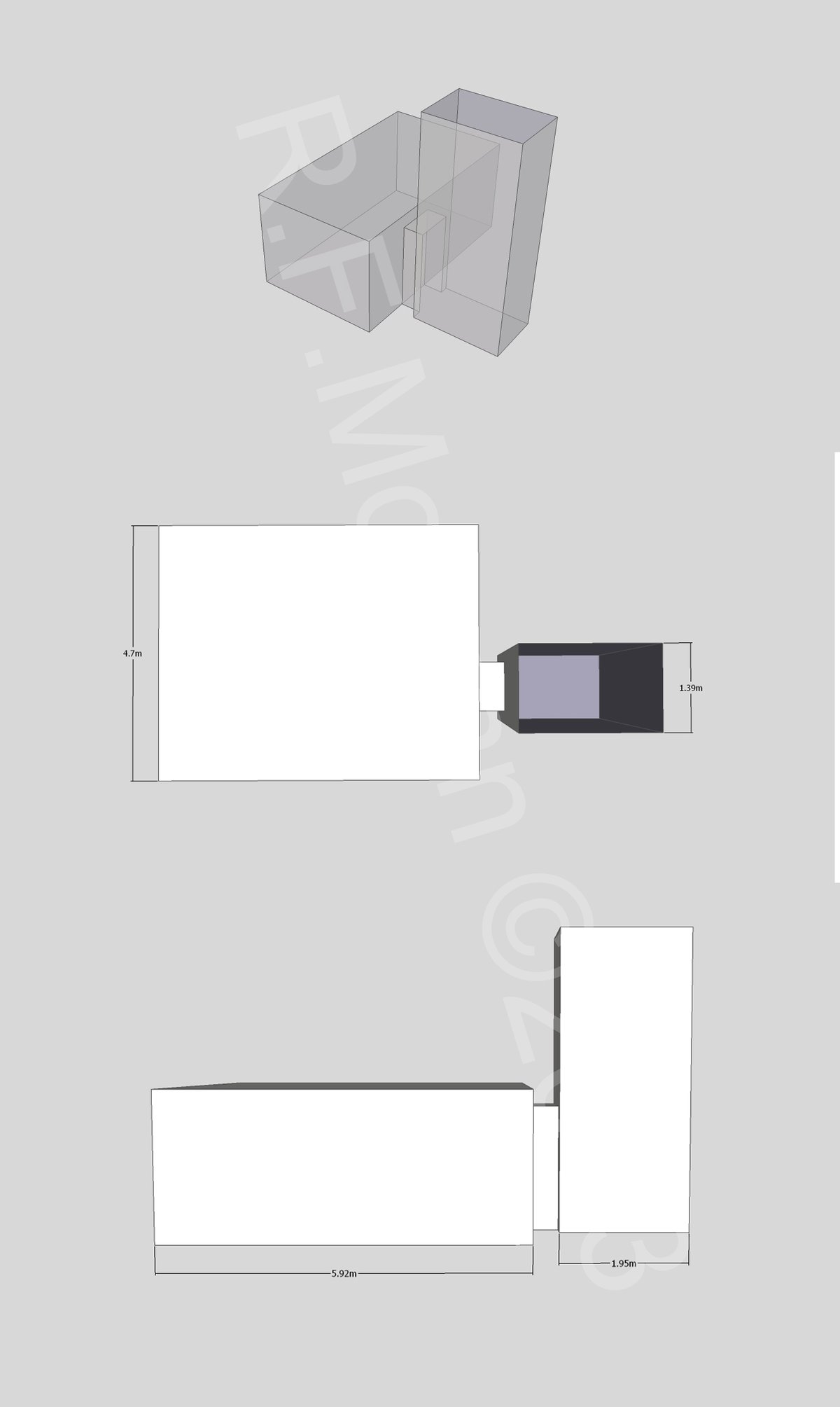
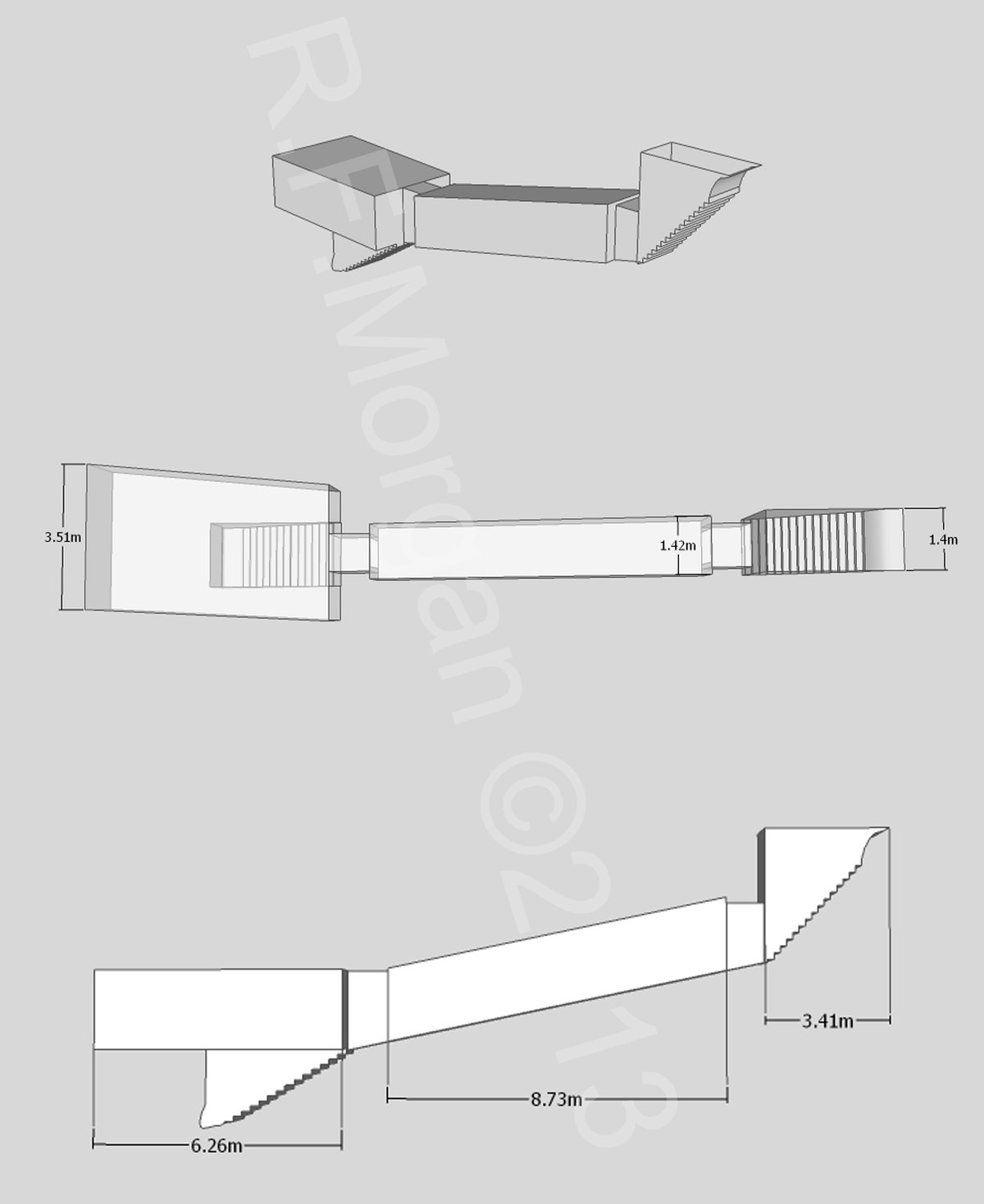
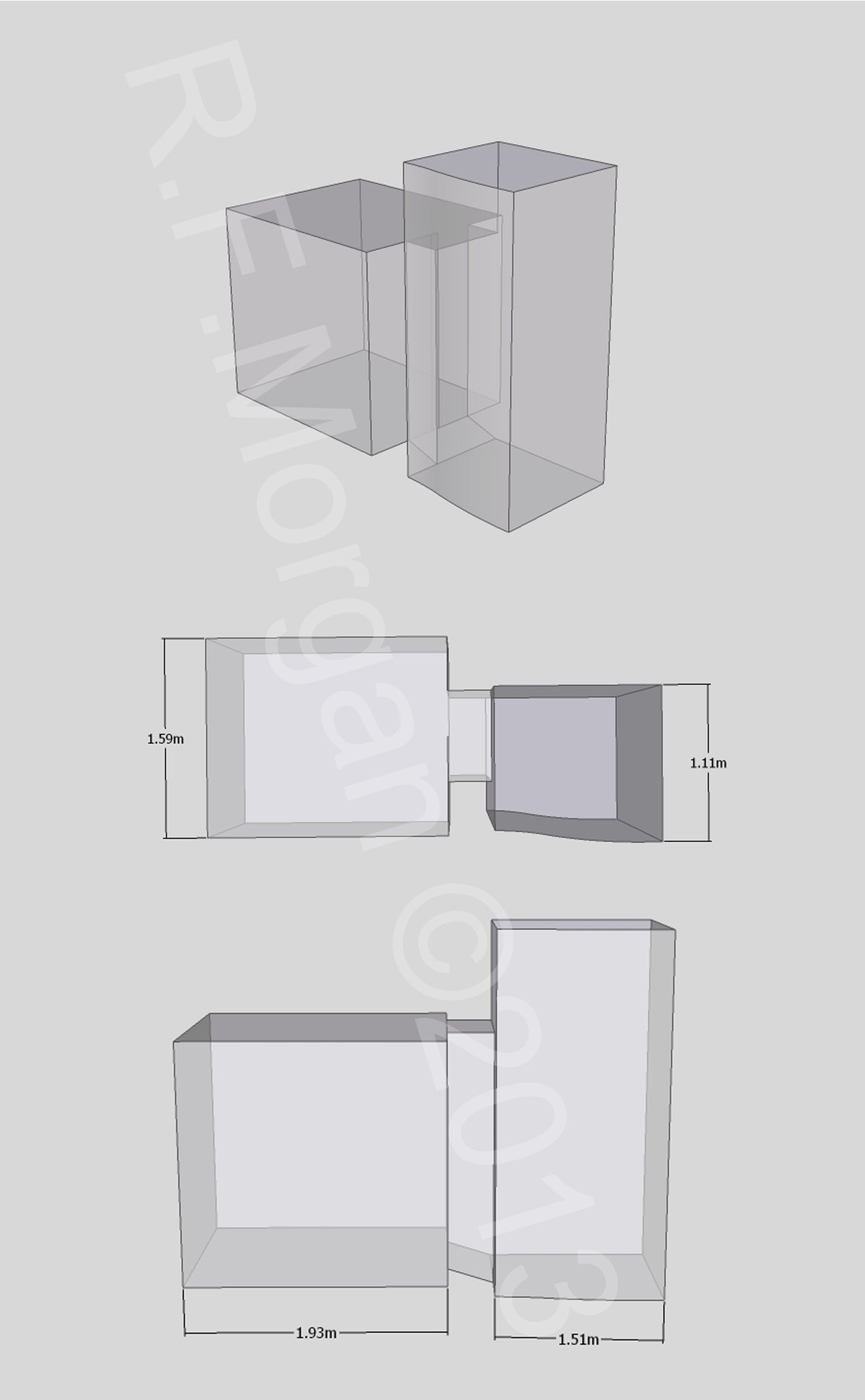
While the original occupant of this tomb is unknown, it was possibly an Eighteenth Dynasty queen. Reeves has suggested that the intended form of the tomb was square with a single supporting pillar, a layout characteristic of an Eighteenth Dynasty queen's tomb. The location and layout indicate it was originally constructed in the late Eighteenth Dynasty, and the single chamber would have been the largest of any comparable pit tomb in the Valley had it been completed.
Sources: Wikipedia, OpenStreetMap, Wikidata, Wikimedia Commons
Written by Mutabor
Discuss this with the author and others
No comments yet. Be the first to start the conversation.