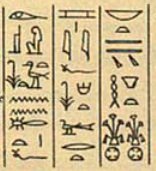

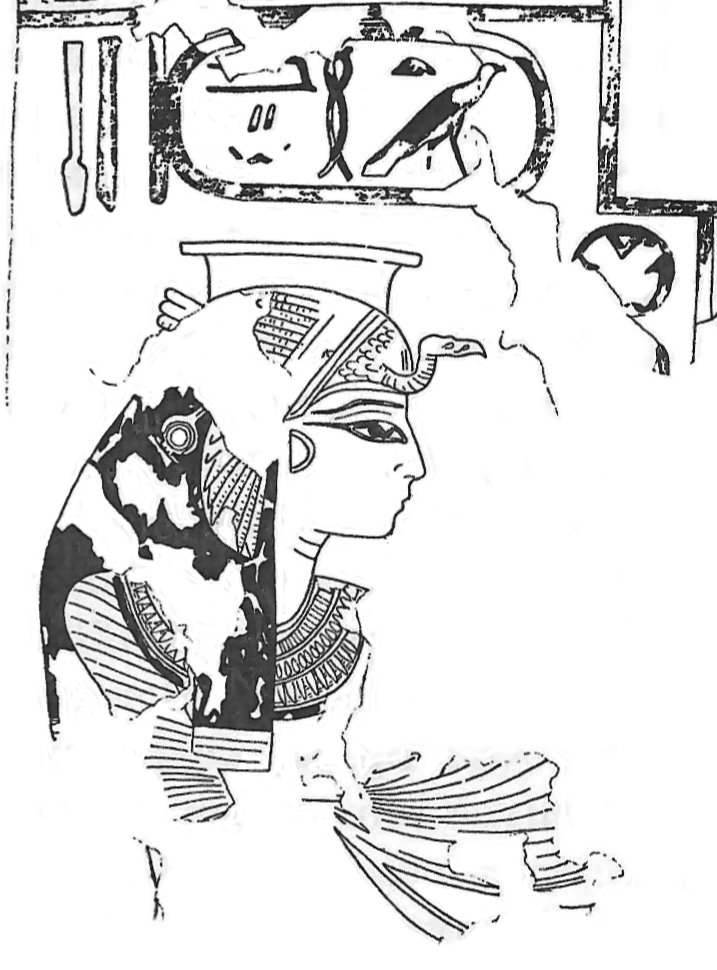
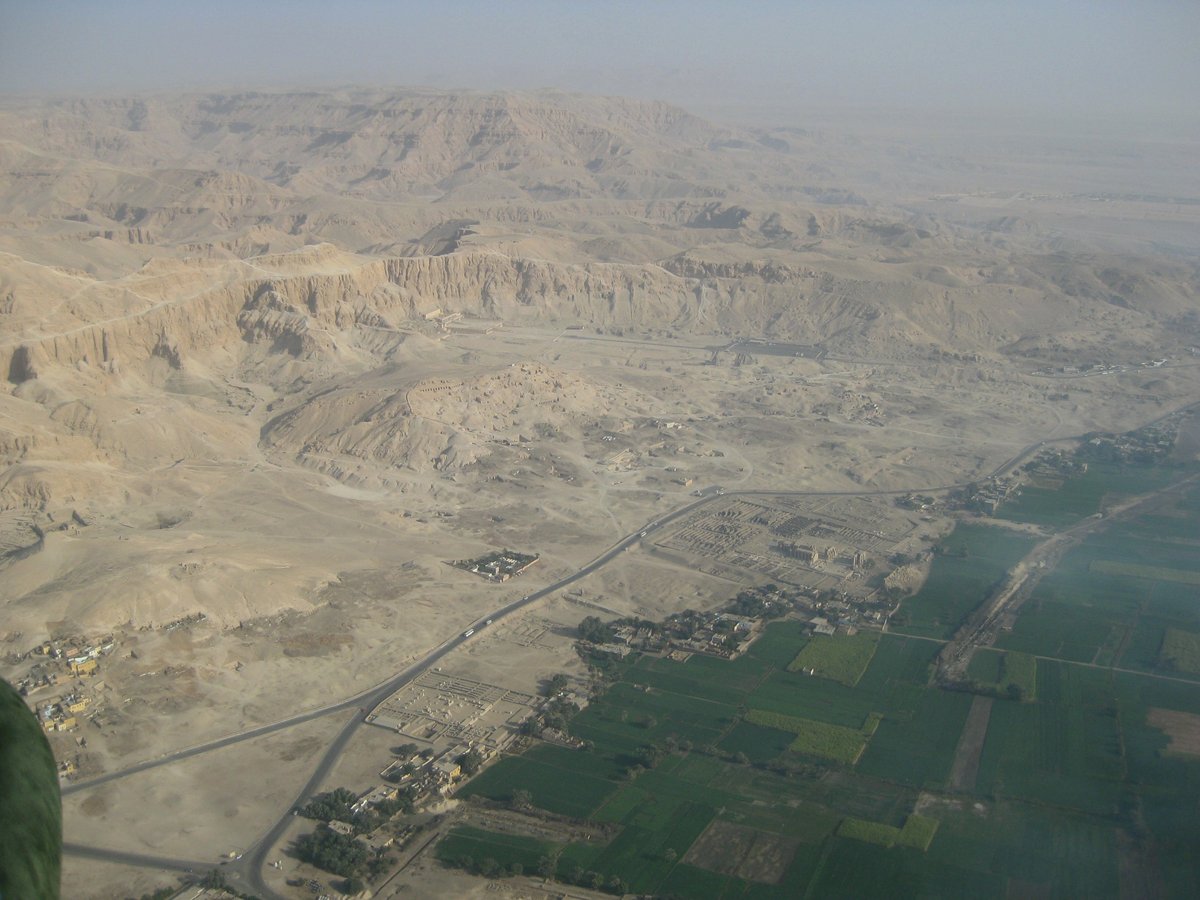
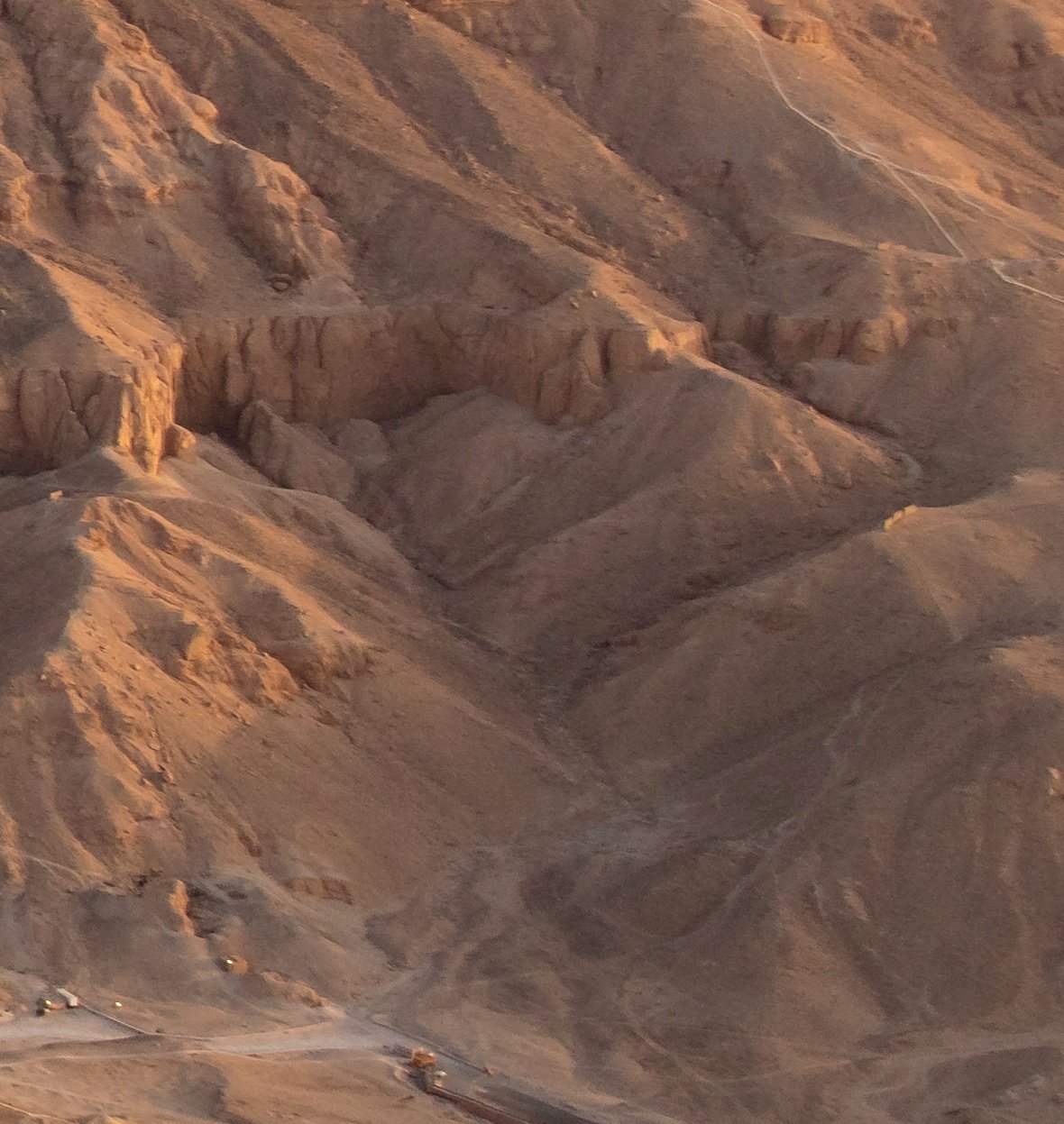
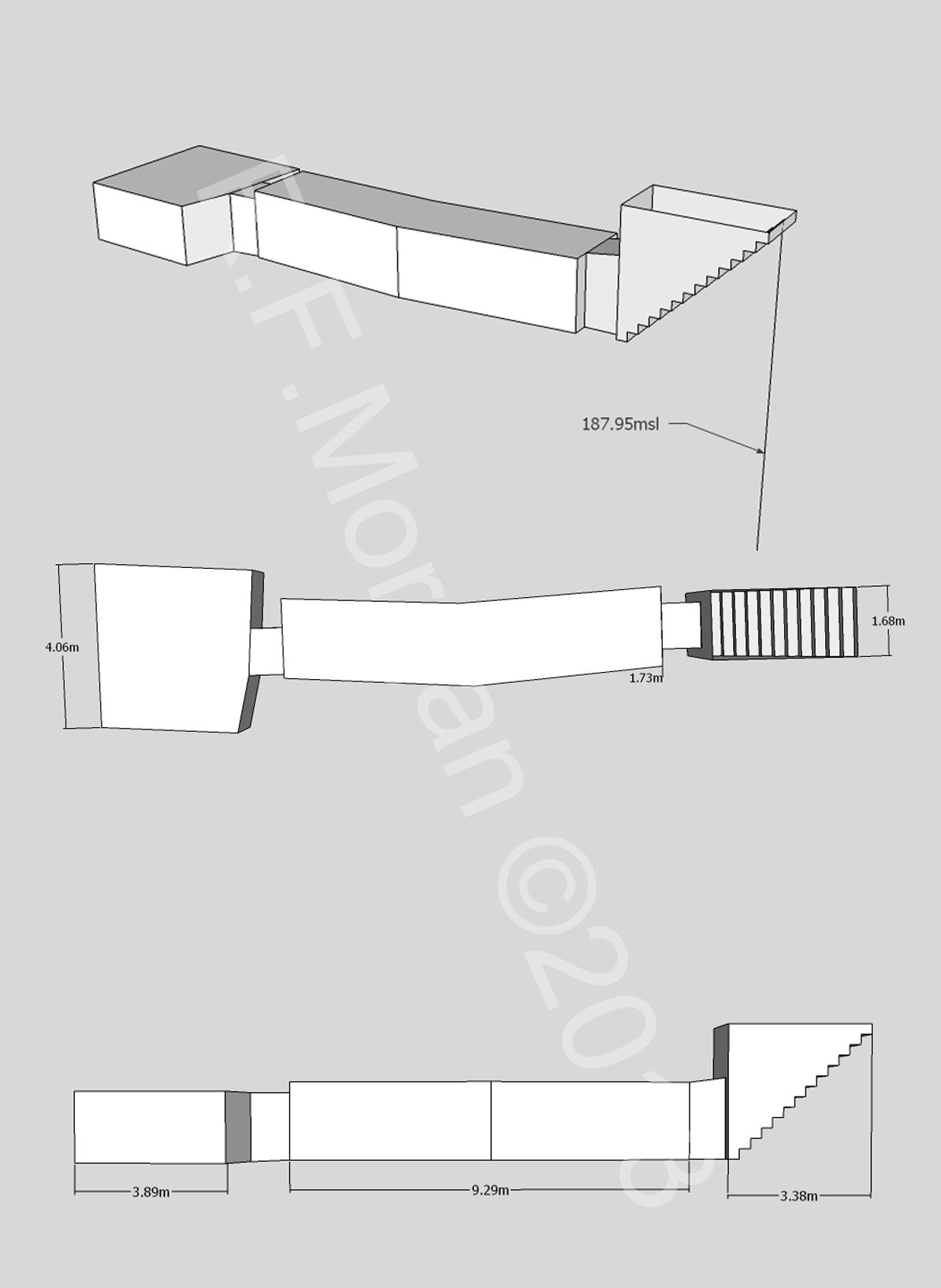
Located in Egypt's Valley of the Queens, the tomb of Henutmire, known as QV75, is associated with the reign of Ramesses II. Mentioned by Champollion and Lepsius, the tomb was recorded by Lepsius as number one in his list. While some records identify it as belonging to an unknown queen, it is most often linked to Henutmire, who bore the title King's Daughter - a title more prevalent than any other in the tomb. This may suggest the space was originally intended for a royal princess and adapted for Henutmire.
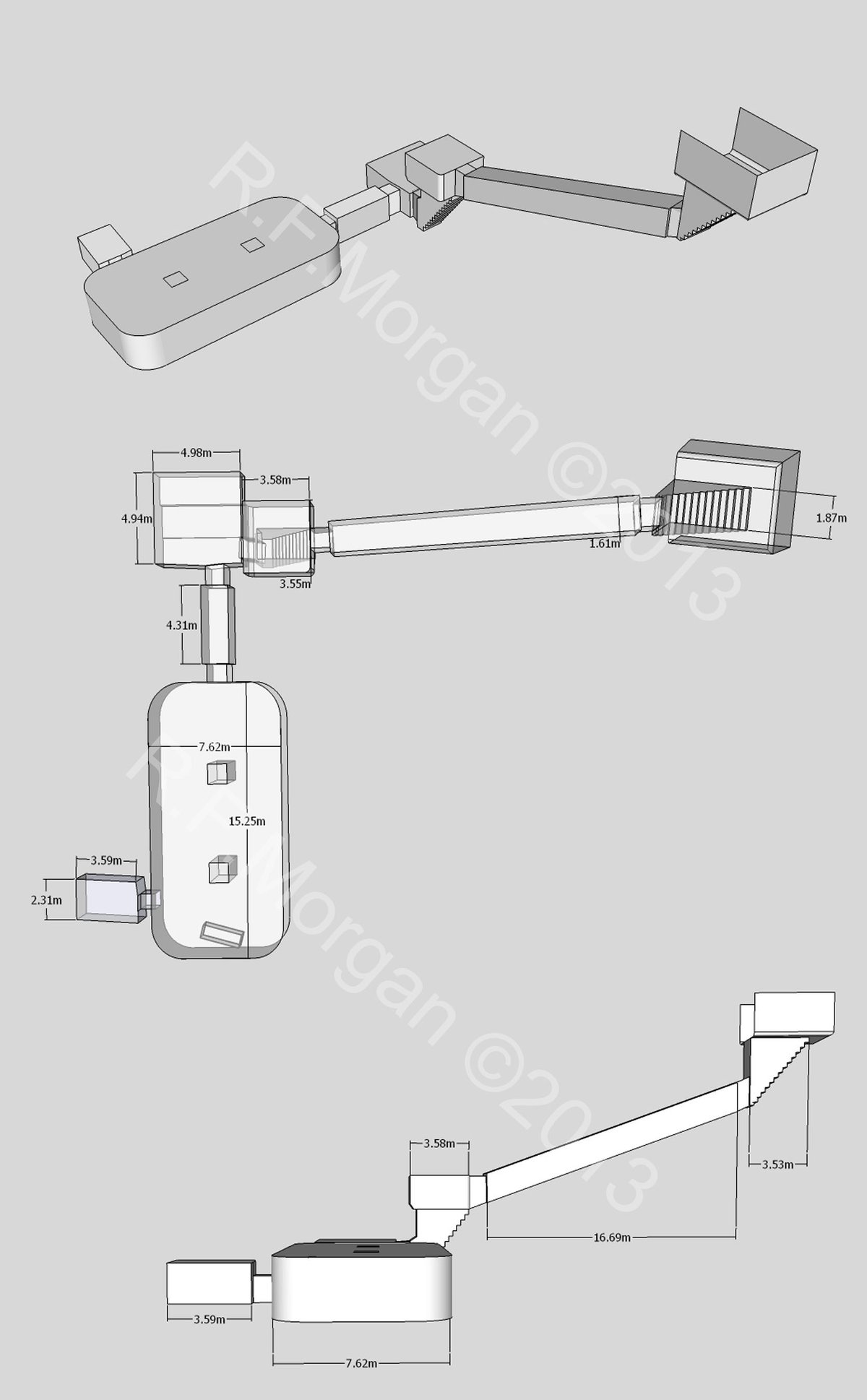
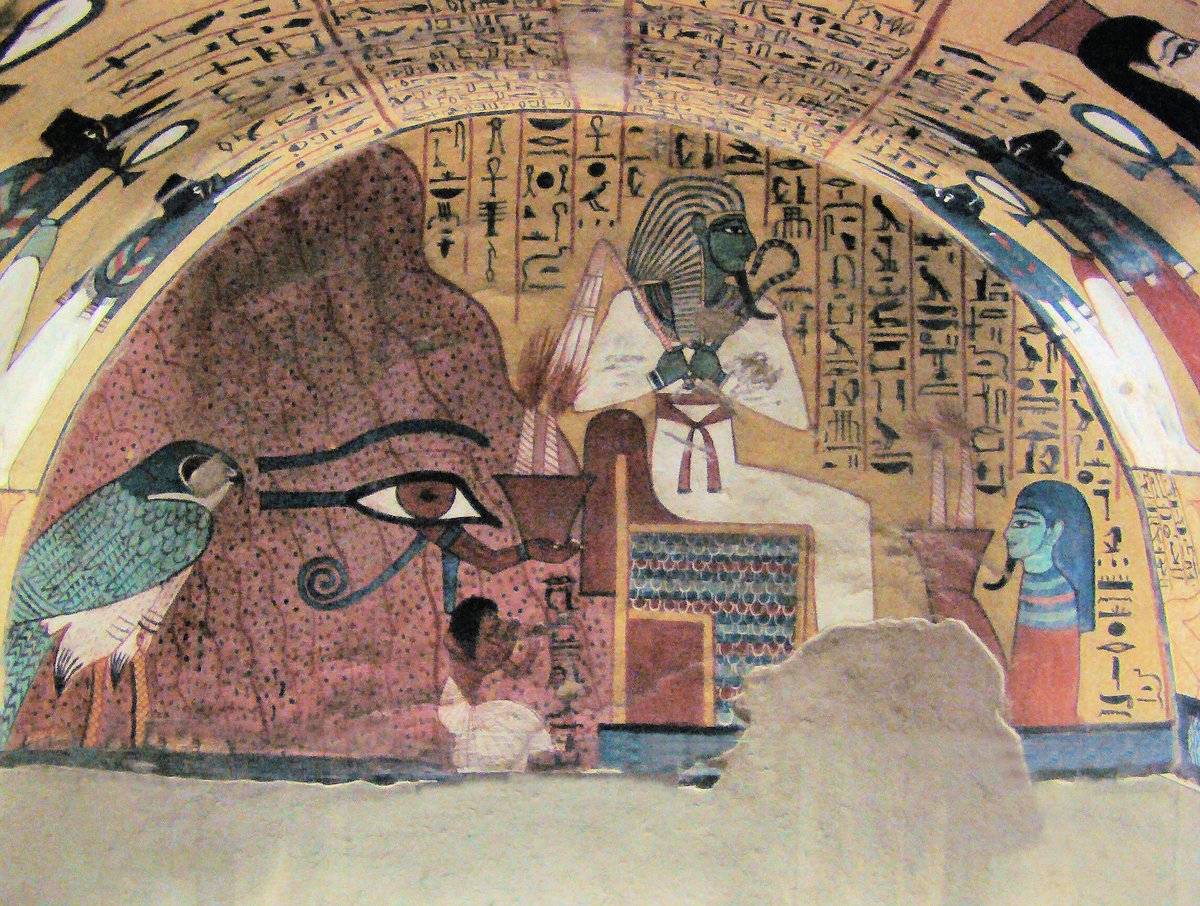
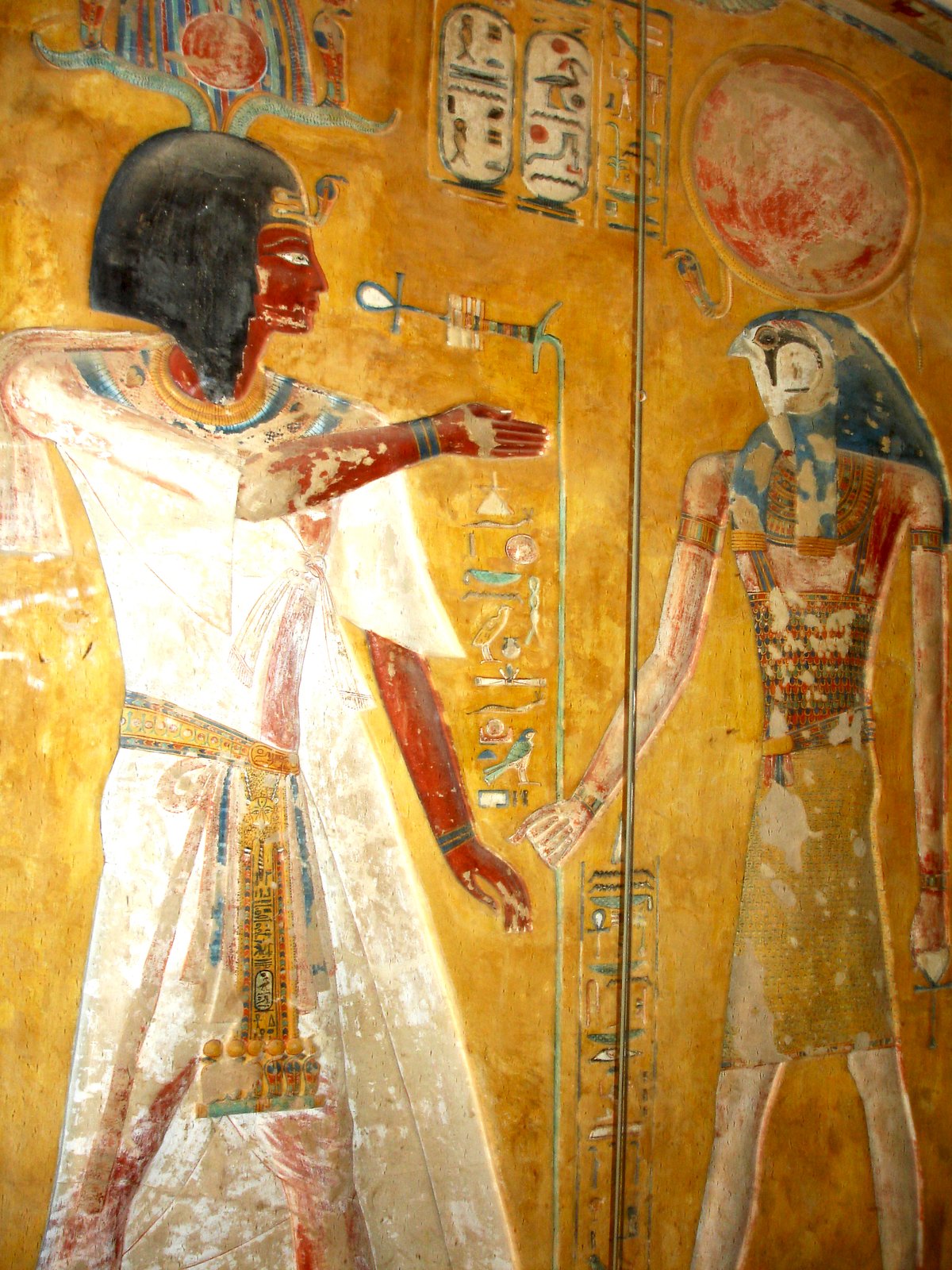
The outer hall is decorated with several scenes showing deities. Two figures depicting Anubis are shown before a shrine, while Henutmire is shown before a god in a kiosk. Other scenes in this hall show Horus. In the corridor, the queen appears before Ra-Harakhti. The inner hall depicts the deceased adoring Ra-Harakhty as a hawk, accompanied by baboons and the goddesses Isis and Nephtys. The room also features depictions of furniture, including a lion-headed couch and a cow-headed couch, with a mirror by the first couch and an ointment jar below the second.
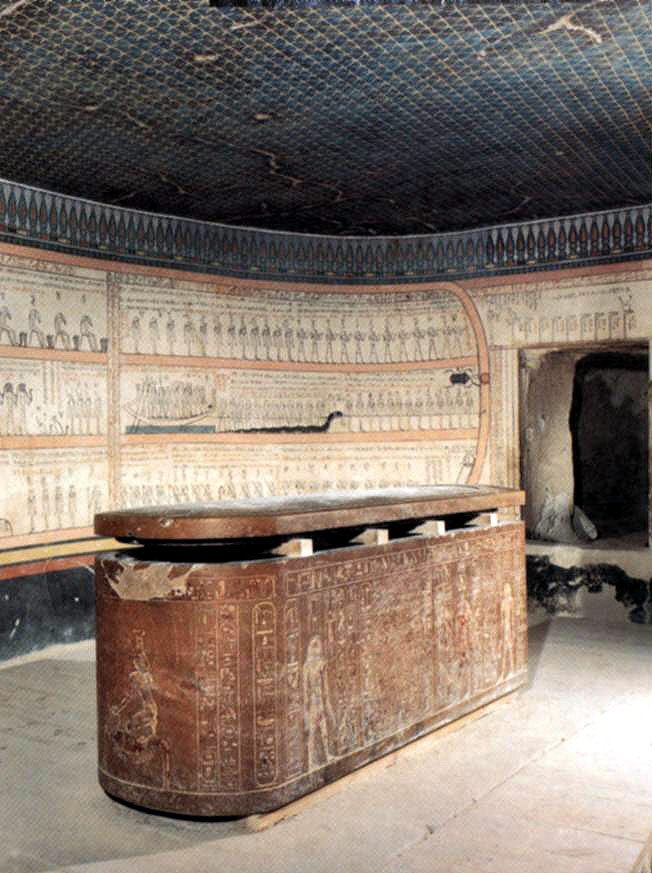
The pillars in the inner room are decorated with specific scenes. The first pillar shows Horus-Inmutef, Hathor, Isis, and the souls of Pe kneeling. The second pillar is decorated with scenes showing Osiris, Maat, and Neith with the souls of Nekhen kneeling. The third pillar shows Horus-Inmutef, the souls of Nekhen kneeling, Nephthys, and a Western goddess. A trough of her sarcophagus was later used by Harsiese for his interment in Medinet Habu. Henutmire is named King's Daughter on her sarcophagus, and possibly King's Wife. The tomb shows signs of reuse during the 22nd Dynasty and again during the Roman Period when an additional pit was dug into the floor of the sarcophagus chamber.
Sources: Wikipedia, OpenStreetMap, Wikidata, Wikimedia Commons
Written by Mutabor
Discuss this with the author and others
No comments yet. Be the first to start the conversation.