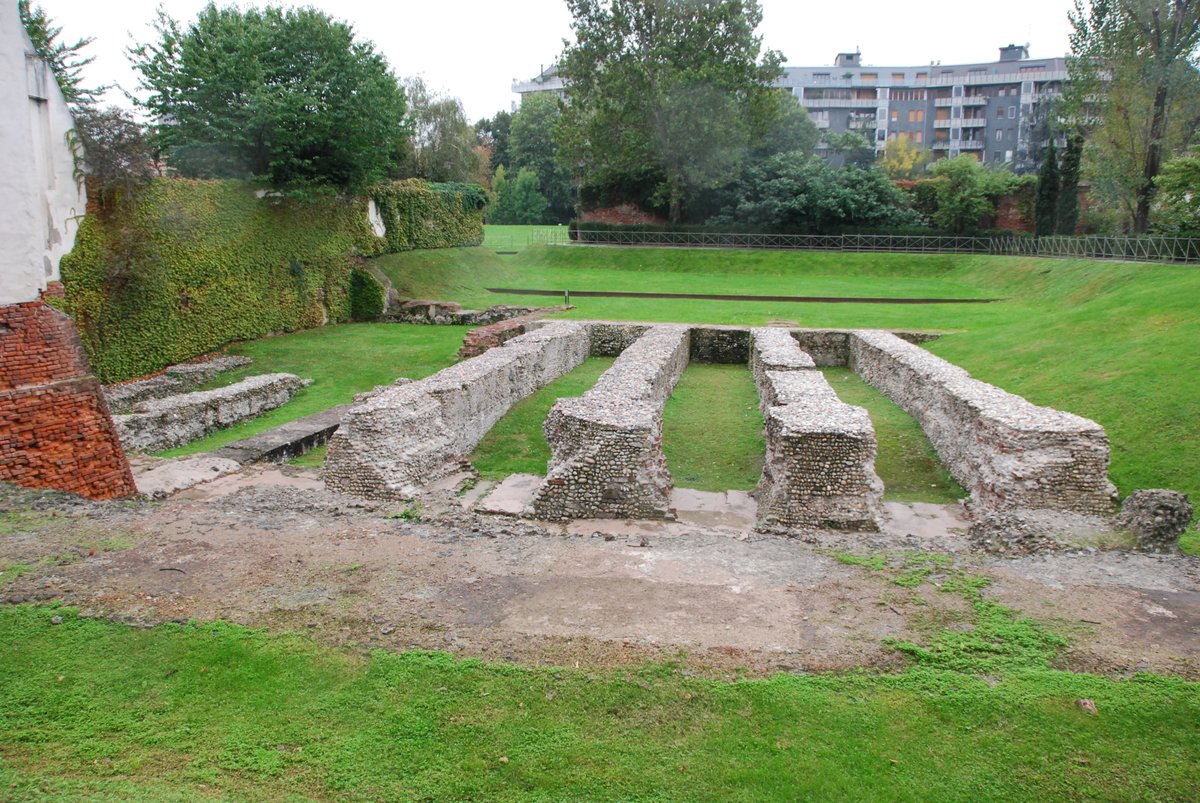

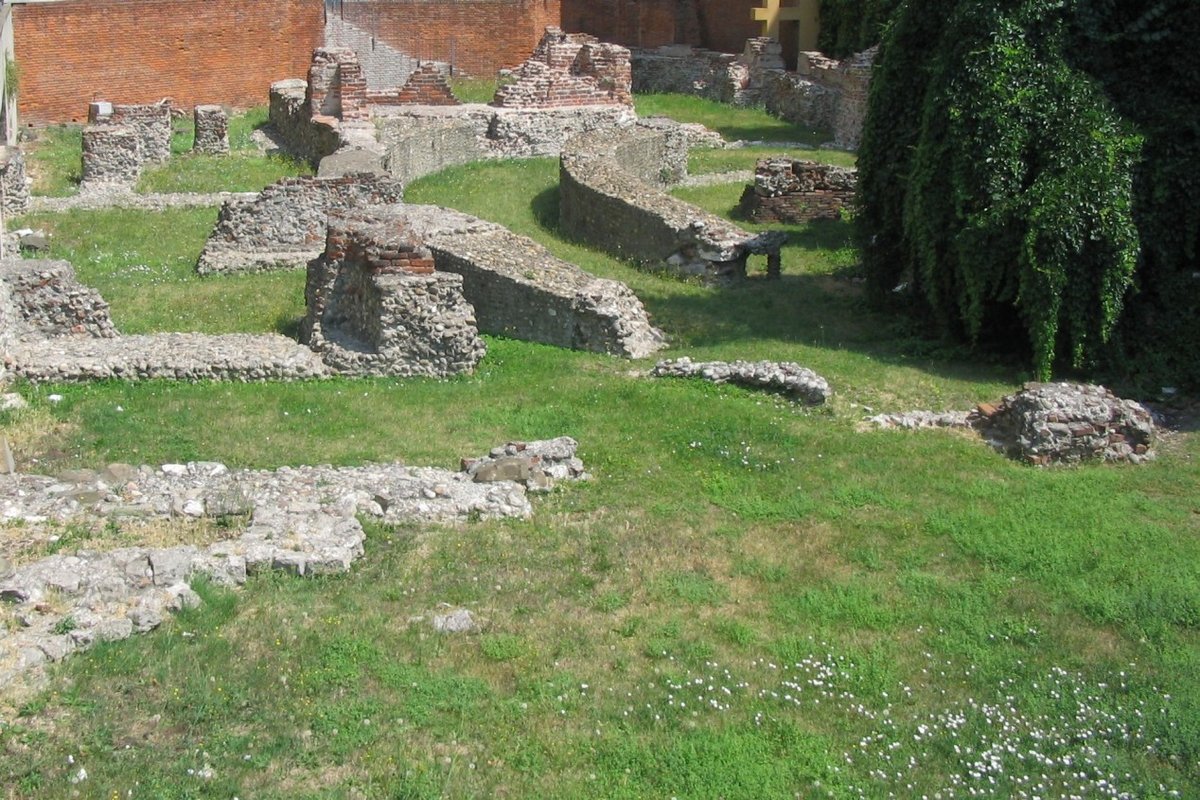
The Milan amphitheatre was a Roman amphitheatre in the ancient city of Mediolanum, which is modern-day Milan in Northern Italy. It was built near the Porta Ticinese in the 2nd–3rd centuries AD, a period when Mediolanum grew in economical and political importance while Rome declined. The structure remained in use until the city was one of the capitals of the Western Roman Empire in the 4th or 5th centuries.
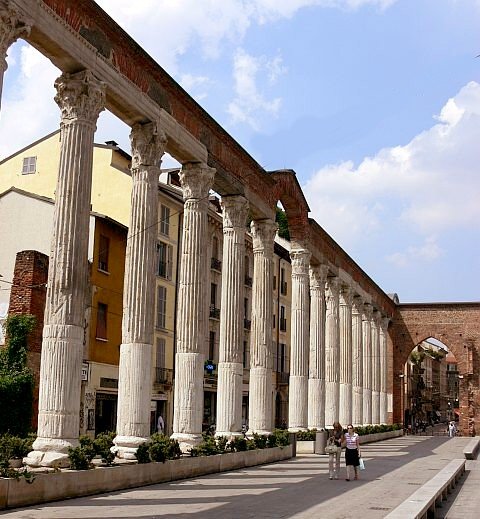
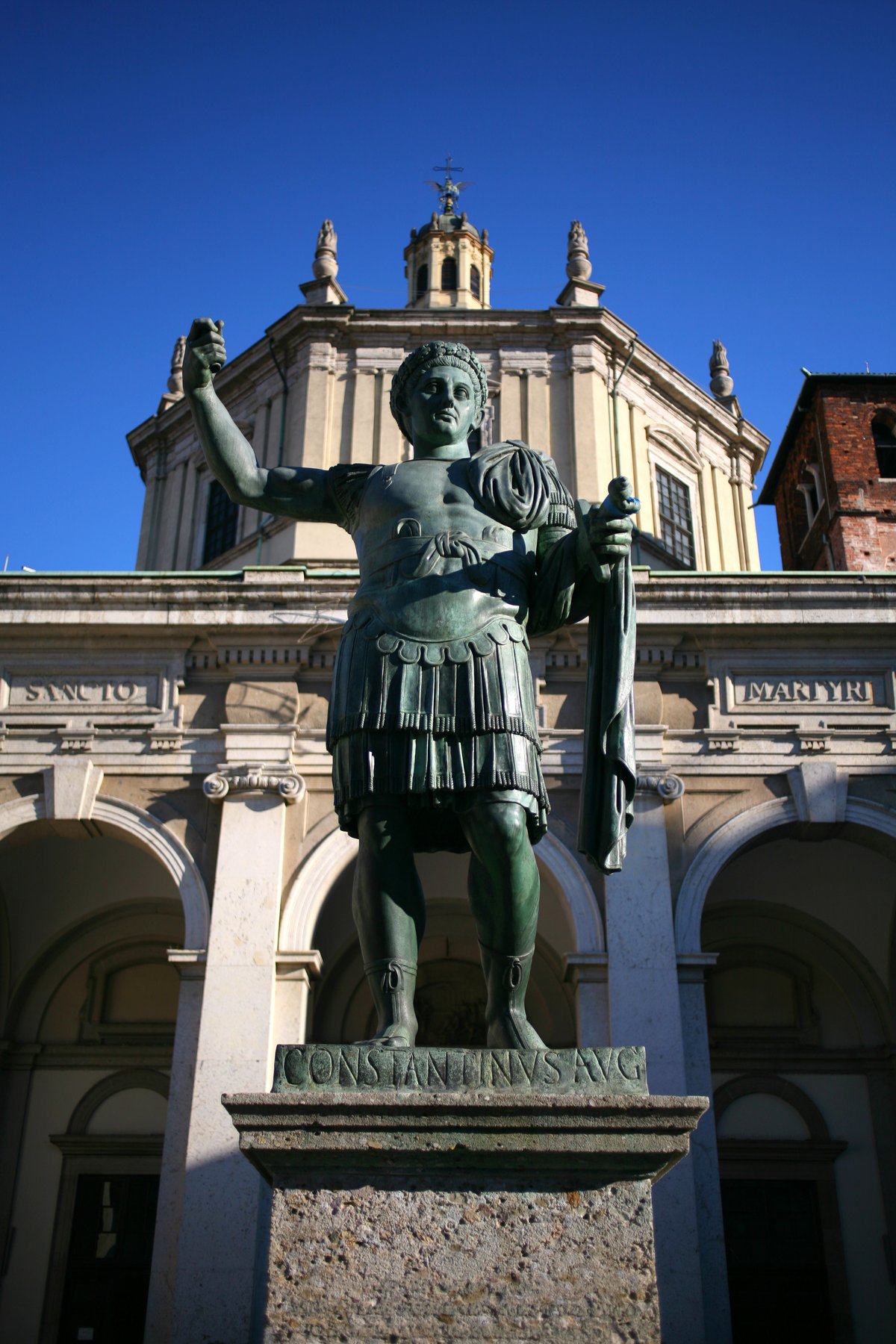
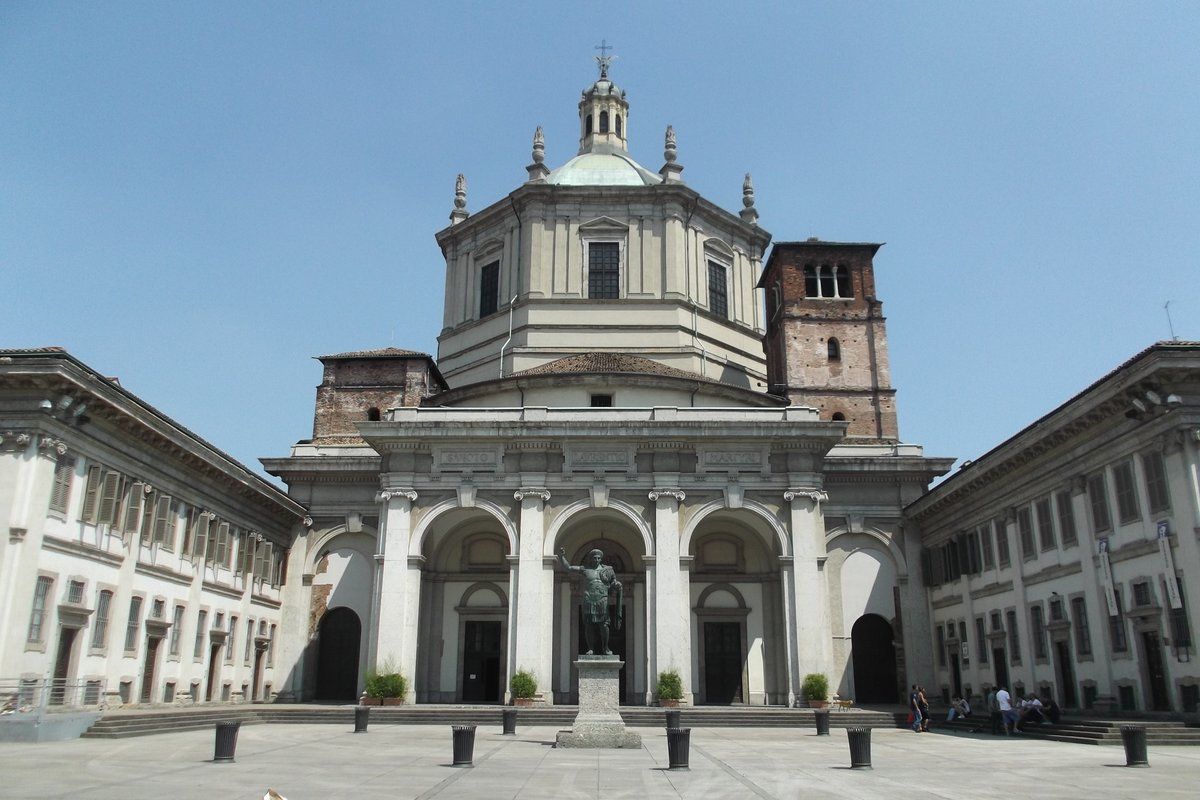
Later, the amphitheatre was abandoned after Christianity imposed an end to arena games and because animals were no longer imported during the imperial crisis. As early as the 4th century AD, the site became a quarry for construction stones used to build the Basilica of San Lorenzo. The edifice was eventually demolished during a barbarian attack to prevent it from being used as a stronghold by attackers. While the exact date is uncertain, it may have occurred in 402 during the Visigothic invasion, in 452 during Attila's raid, or during the Gothic Wars in the 6th century.
Archaeologists have used the remaining fragments to calculate the size of the original structure. The amphitheatre was 129.5 metres long and 109.3 metres wide, while the arena itself measured 71 by 41 metres.
Sources: Wikipedia, OpenStreetMap, Wikidata, Wikimedia Commons

Written by Nicolo Ciampini
Discuss this with the author and others
No comments yet. Be the first to start the conversation.