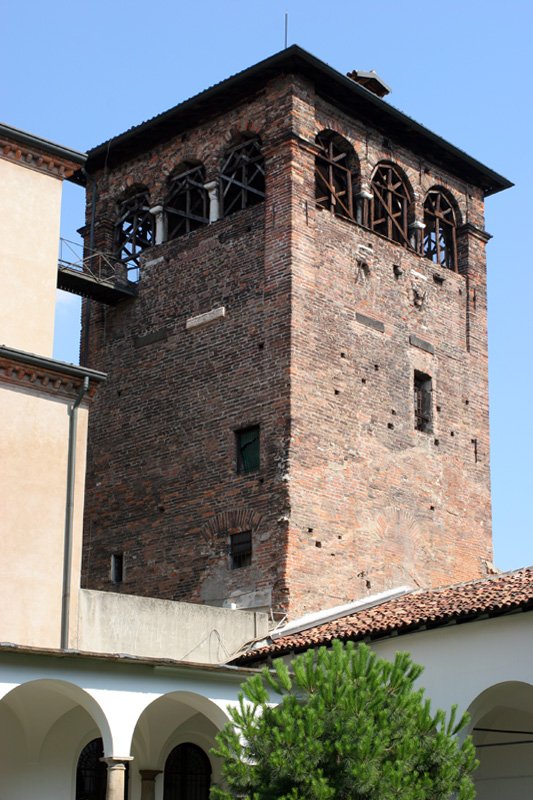

Constructing a circus was a symbol of great economic and military power due to the high cost of maintaining the structure and the horses. Only Aquileia and Mediolanum (modern-day Milan) possessed such a circus. The Milanese circus measured 470 meters in length and 85 meters in width, making it the largest circus built during the era of the Tetrarchy of Diocletian.
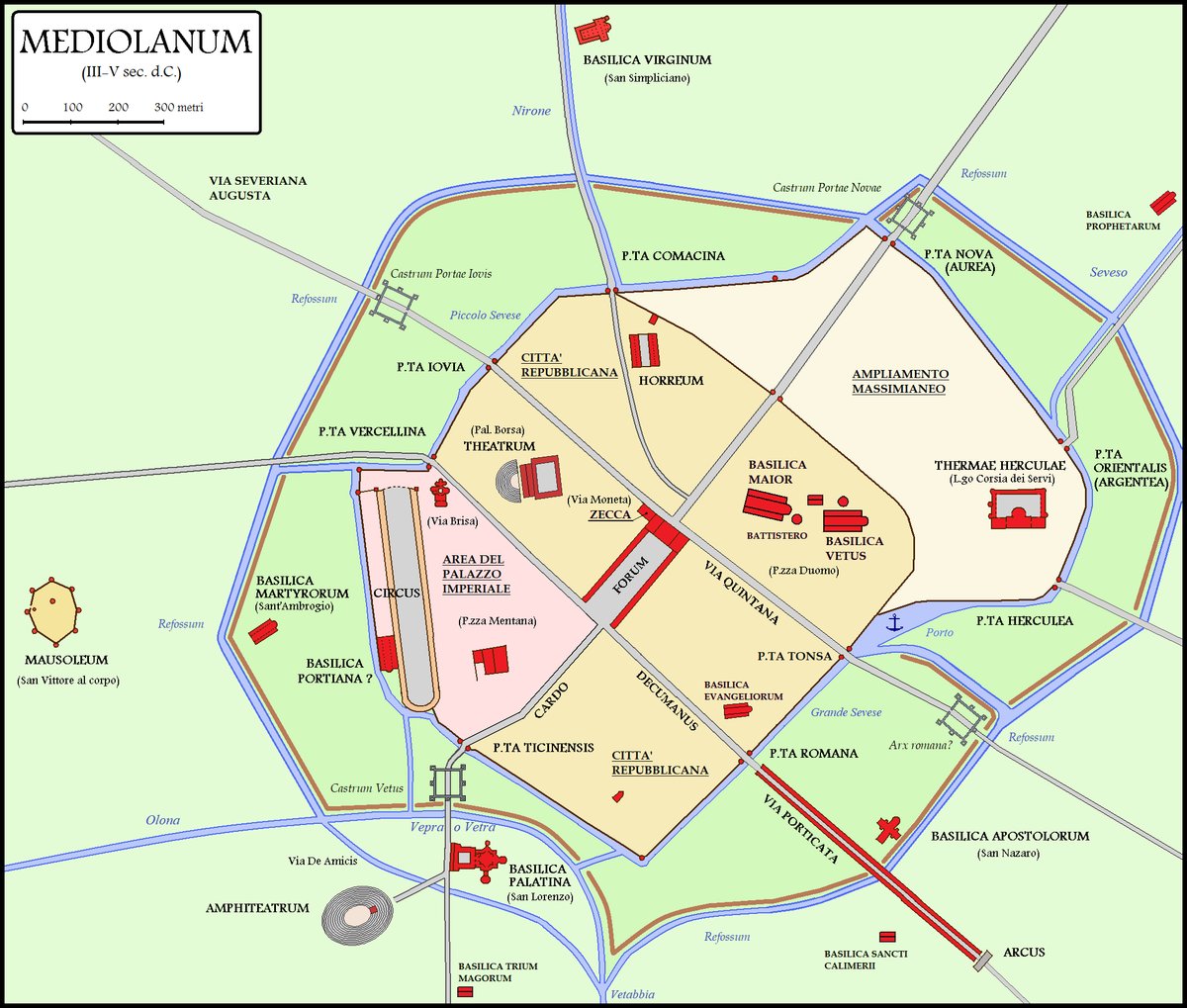
Built between the 3rd and 4th centuries on the bed of the Nirone stream, the circus was located in the western part of the city near the imperial palace and the Roman walls. It was primarily used for horse-drawn chariot races involving bighe and quadrighe, and occasionally for gladiator combat.
The circus survived the sacks of Alaric and the siege of Milan, and in July 604, Adaloaldo, son of Agilulfo and Teodolinda, was crowned king of the Lombards and king of Italy there, a sign that the imposing building was preserved in good condition. The structure was likely destroyed in April 1162 when Federico I Barbarossa besieged and razed Milan to the ground.
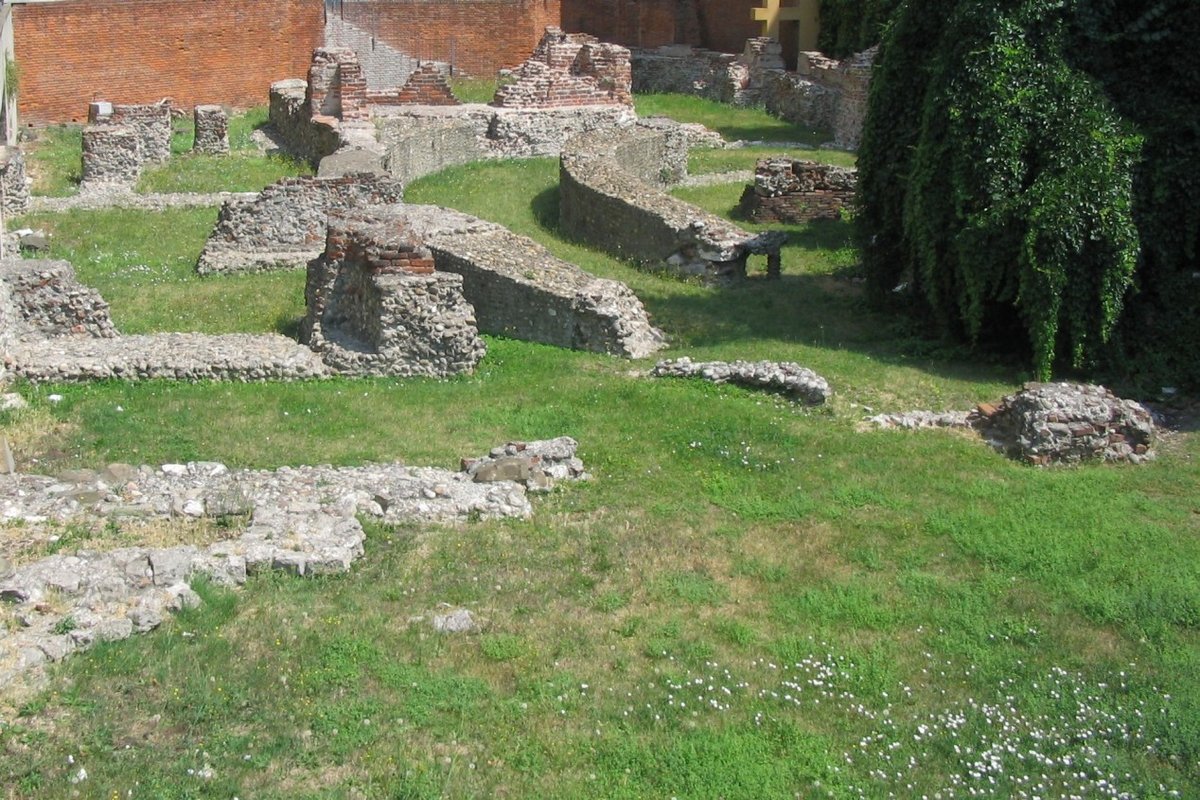
Today, parts of the original construction remain. Foundations of the seating areas were discovered in cellars along via Brisa and via Morigi, and some masonry remains in via Circo and via Vigna, visible from the interior courtyards of modern real estate. The best-preserved part is one of the two lateral towers of the carceres, the starting gates for the chariots, which survives today as the bell tower of the church of San Maurizio al Monastero Maggiore.
Sources: Wikipedia, OpenStreetMap, Wikidata, Wikimedia Commons
Written by Nicolo Ciampini
Discuss this with the author and others
No comments yet. Be the first to start the conversation.