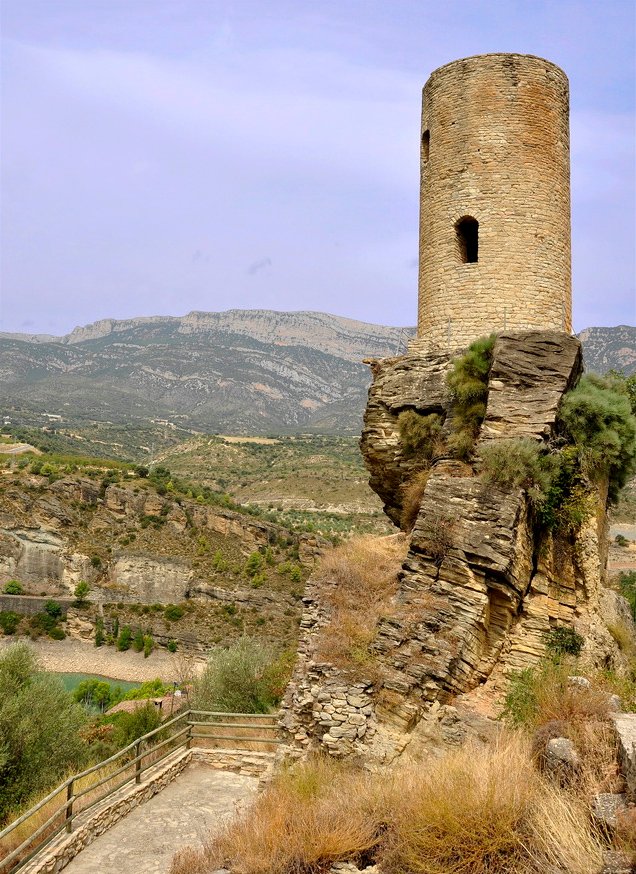

We must look closely at the evolution of Sant Oïsme, as its current name is likely a corruption of the past. For generations, this fortification was recognized as Sant Eufèmia, a designation tied to a parish that eventually faded from official status. While 11th-century records confirm its identity as Sant Eufèmia, royal documents from 1379 show the transition to Sant Oïsme. It is fascinating to observe how these identities shifted while the physical walls remained steadfast against time.
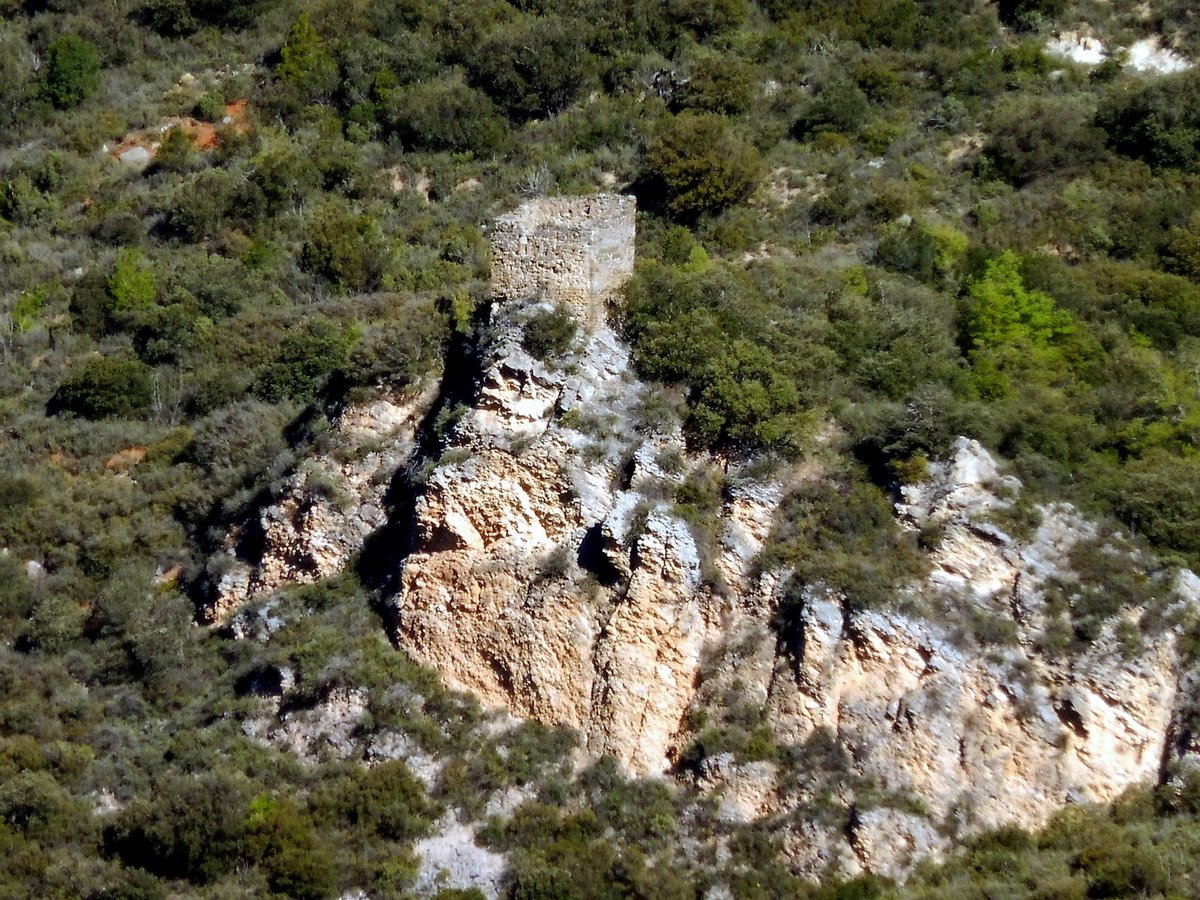
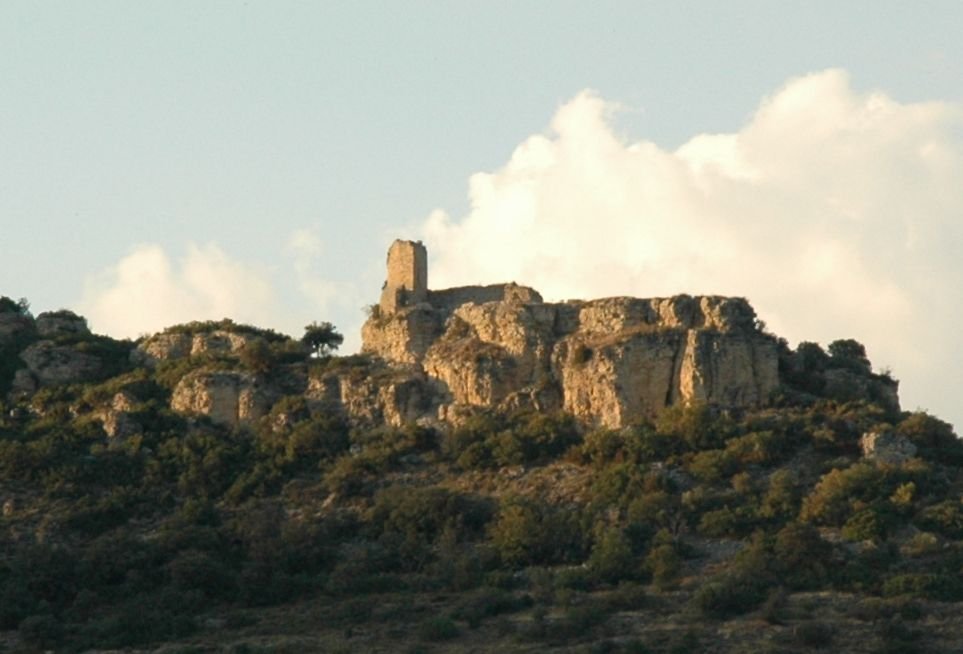
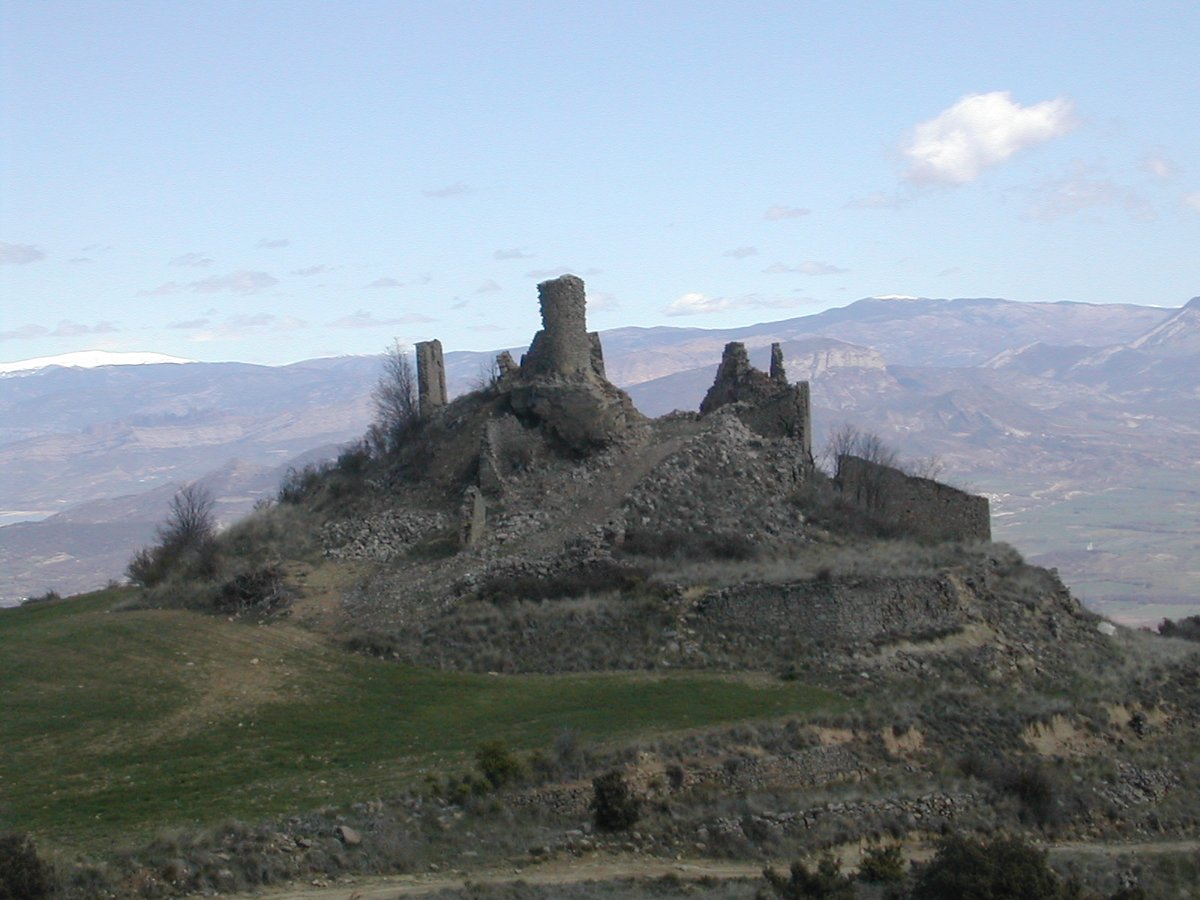
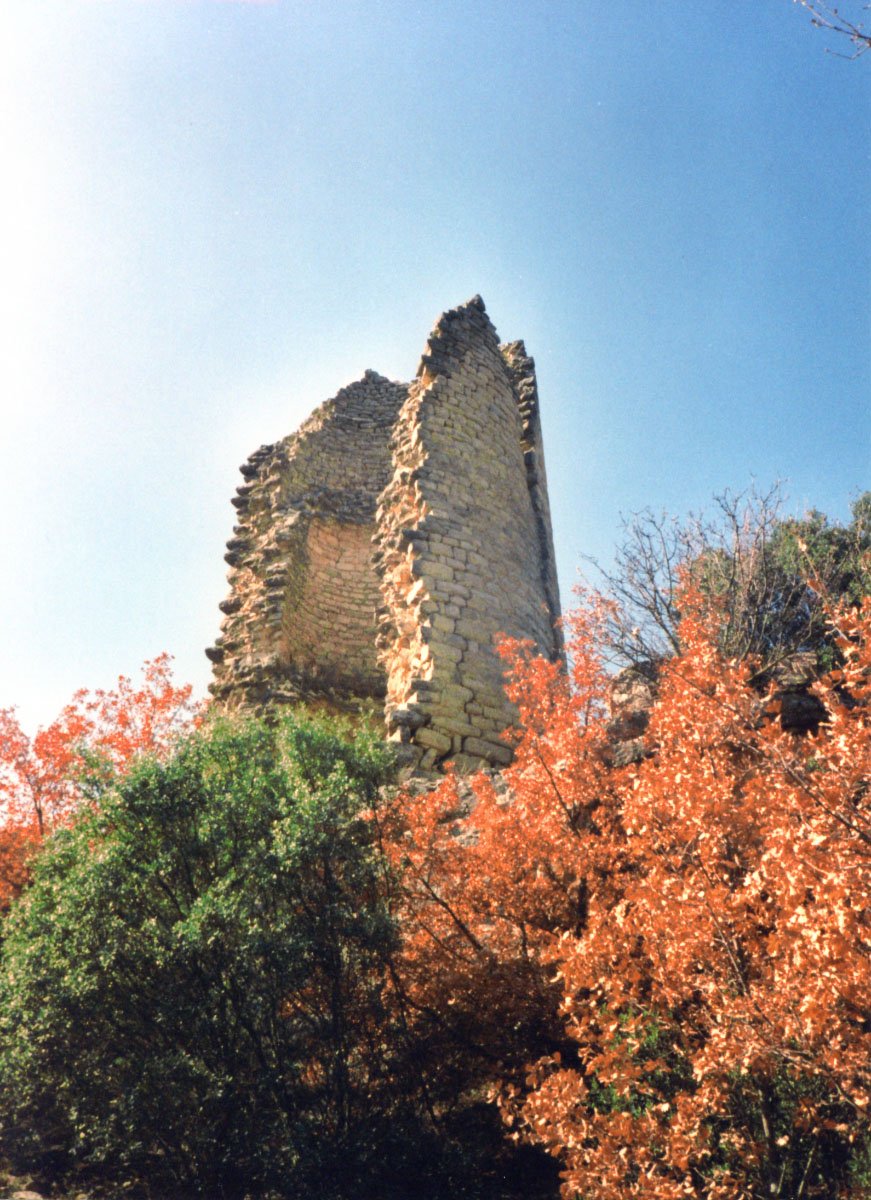
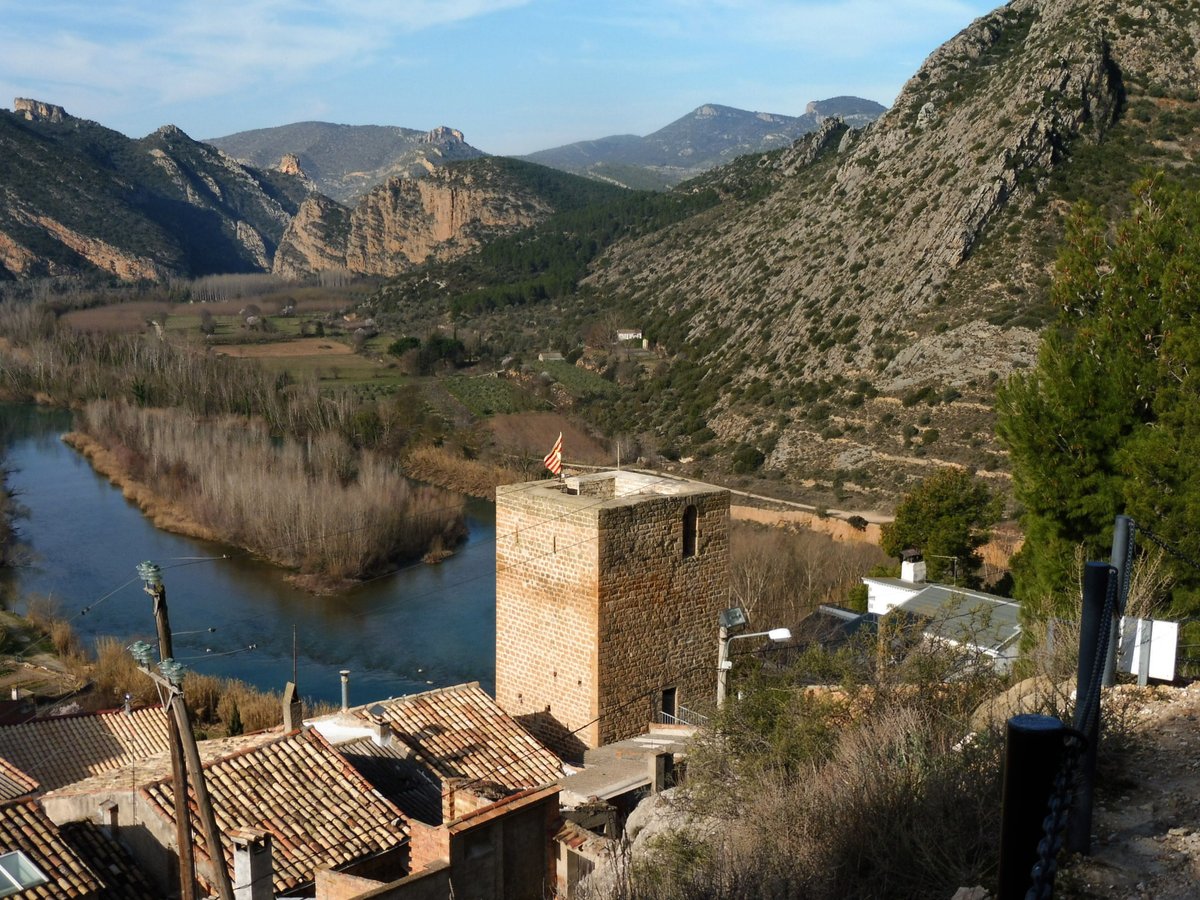
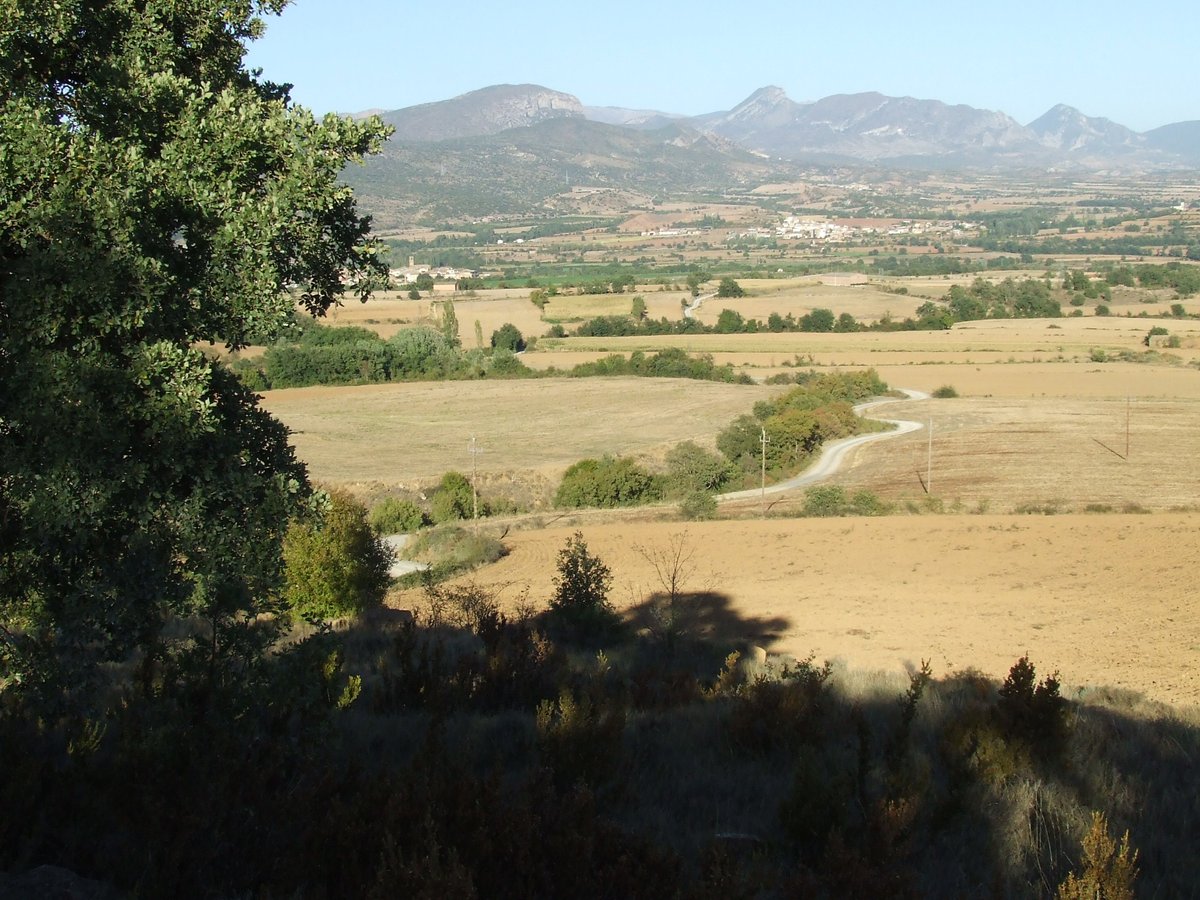
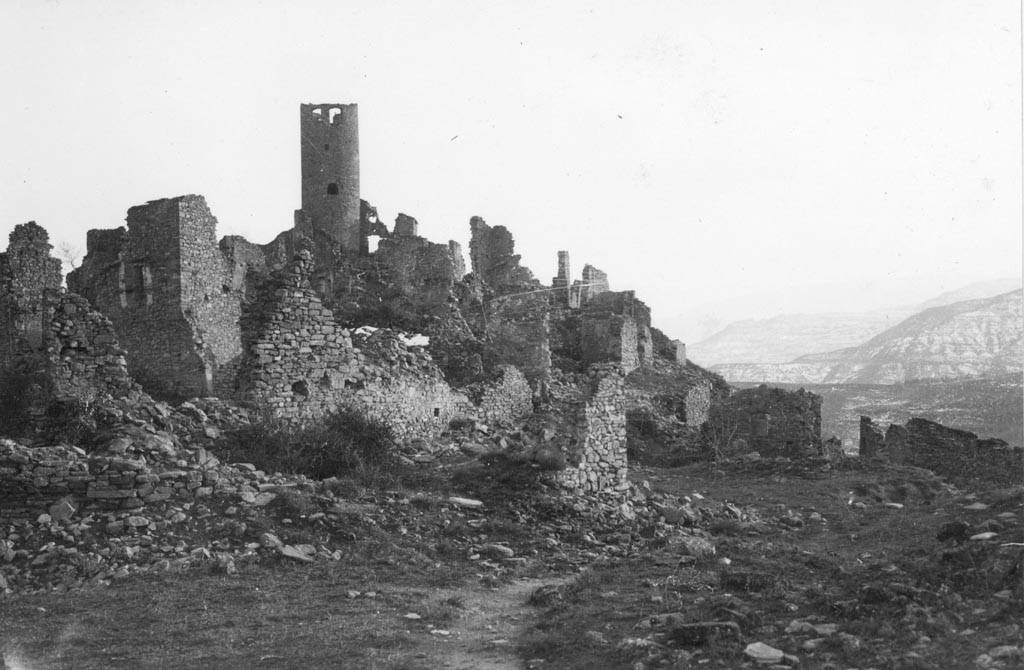
Let us examine its strategic position atop a high rock where the Noguera Pallaresa and Àger valleys meet. This structure acts as a guardian over the Camarasa reservoir, with history tracing its origins back to 1095 and the Meià family. As a declared national cultural asset, the fortress demands our attention, particularly its massive tower constructed from rectangular stones bound by lime mortar.
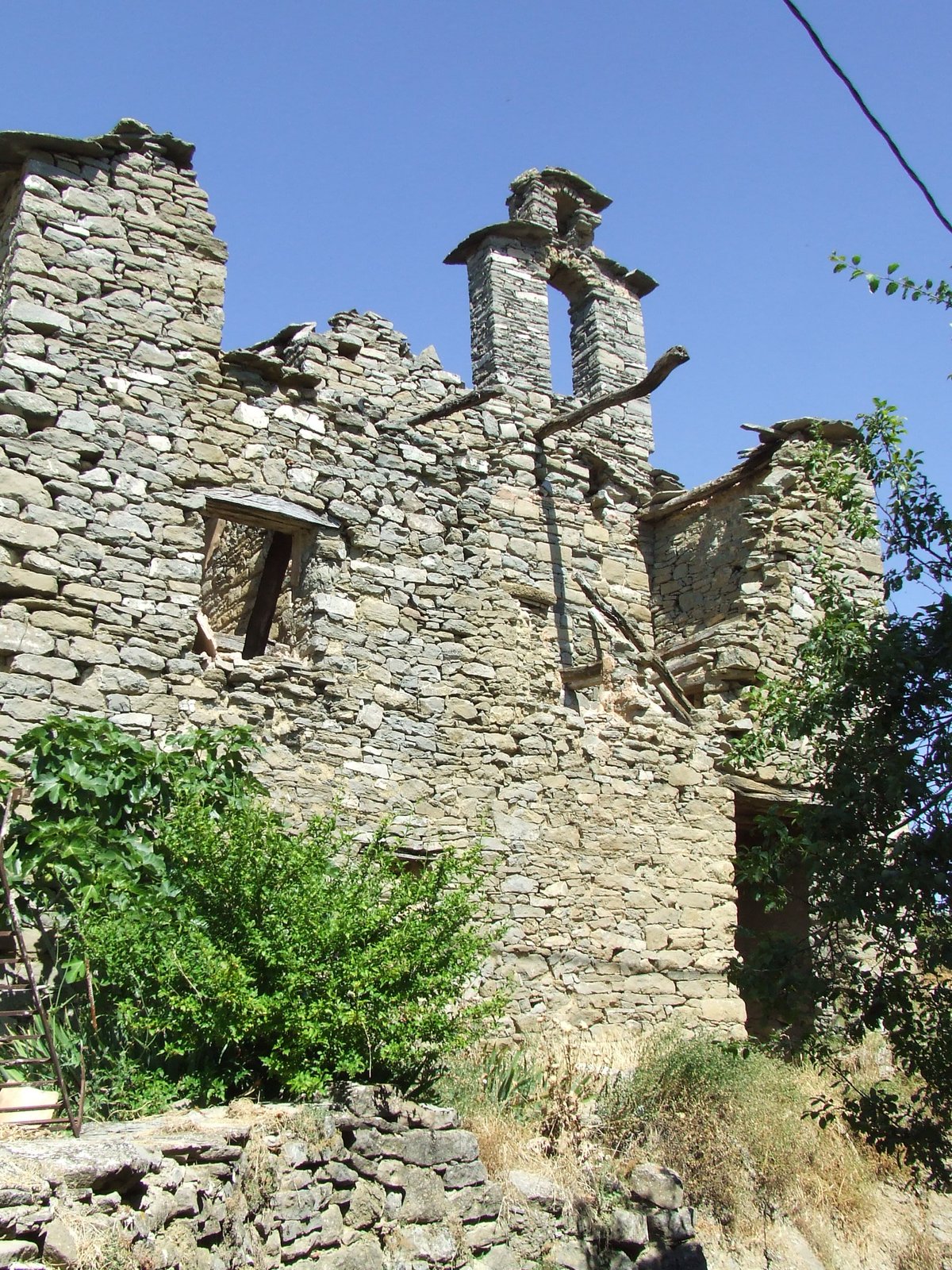
We invite you to explore the interior tower, where a restored metallic staircase provides a steady path to the higher levels. You can observe the engineering of the walls as they taper from 1.5 metres at the base to 1.13 metres at the top. From this vantage point, one can clearly survey the southern enclosure and the nearby Romanesque church of Sant Bartomeu, which has stood since the 11th century.
Sources: Wikipedia, OpenStreetMap, Wikidata, Wikimedia Commons
Written by Nik Frost
Discuss this with the author and others
No comments yet. Be the first to start the conversation.