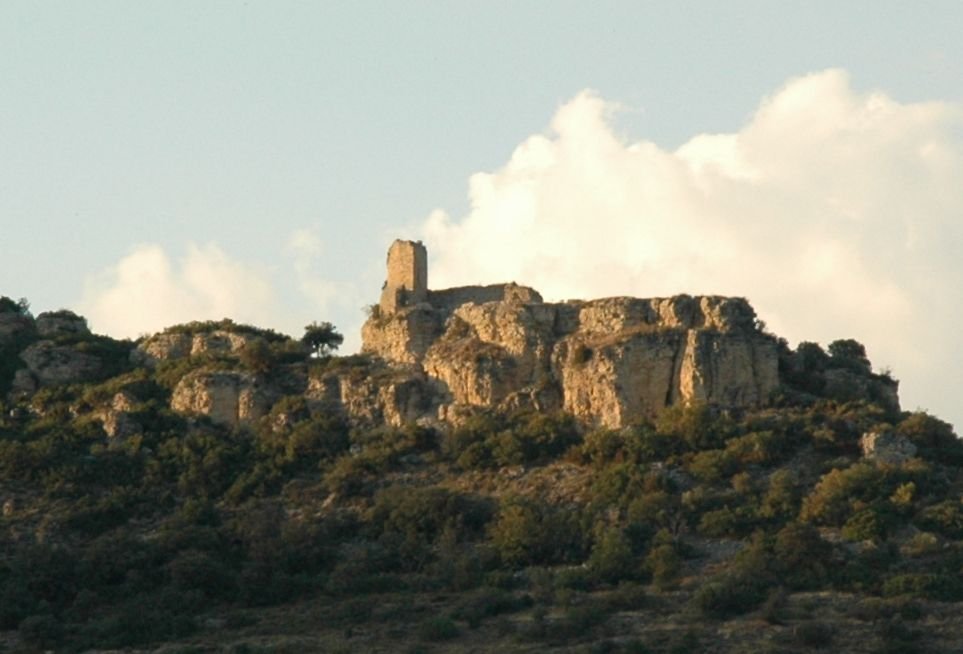

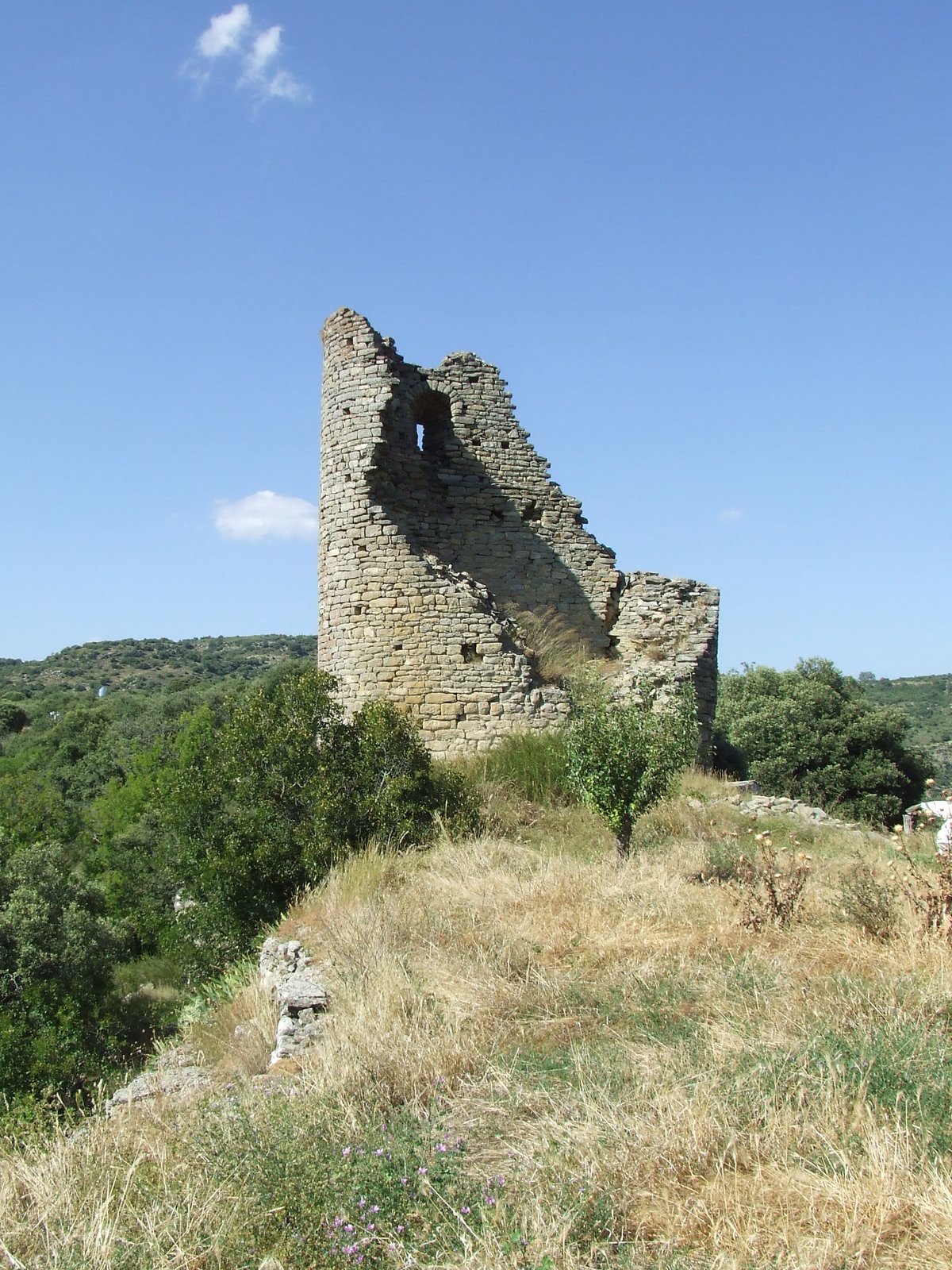
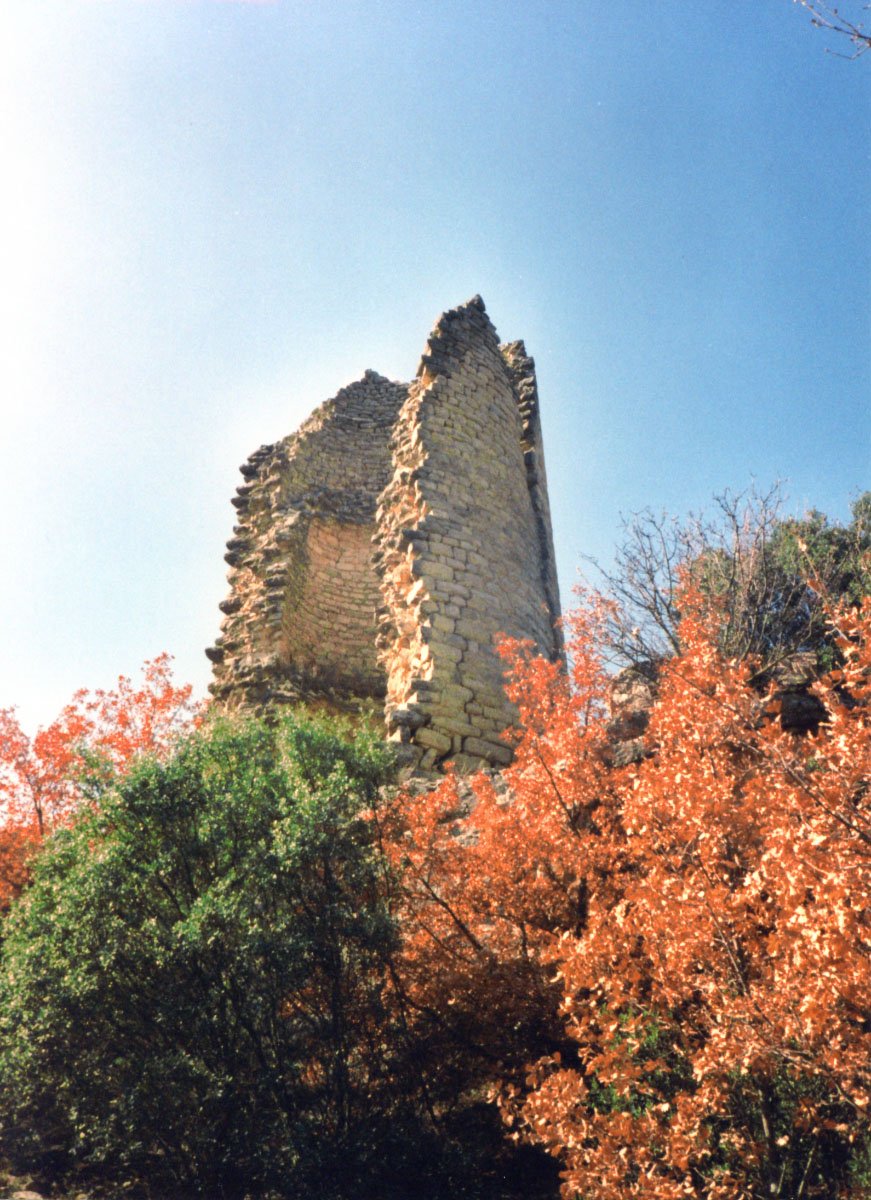
The castle's lineage starts in 958, when the castle of La Guàrdia was ceded as a fief to Berenguer, though it is believed it may not have been conquered from the Alarbs until the early 11th century. It is documented again in 1012 in a donation to Santa Maria de Gerri. In 1051, the castle and the town of La Guàrdia were exchanged by their lords, Miró and his wife Gueraua, for Susterris, which belonged to the count.
In 1072, Arnau Mir de Tost bequeathed the castle in his testament to his daughter Valença, wife of the count of Pallars Jussà, and his heir, the future count. Due to its strategic value, it was soon claimed by King Joan I in 1270. Despite the royal domain, it remained linked to the lordship of Mur, which managed to obtain royal recognition to have a bailiff. Throughout the 13th and 14th centuries, it was a royal fief in the hands of the Mur family, including Berenguer Artús de Mur, Simó de Mur, and Dalmau de Mur.
In 1381, the castle was sold to Berenguer d'Abella, a man of confidence of the Barcelona court and baron of Abella. This sale forced the king to compensate with other castles, allowing the castles of Mur to expand their possessions to the west. The castle maintained its royal status until the 19th century.
Sources: Wikipedia, OpenStreetMap, Wikidata, Wikimedia Commons
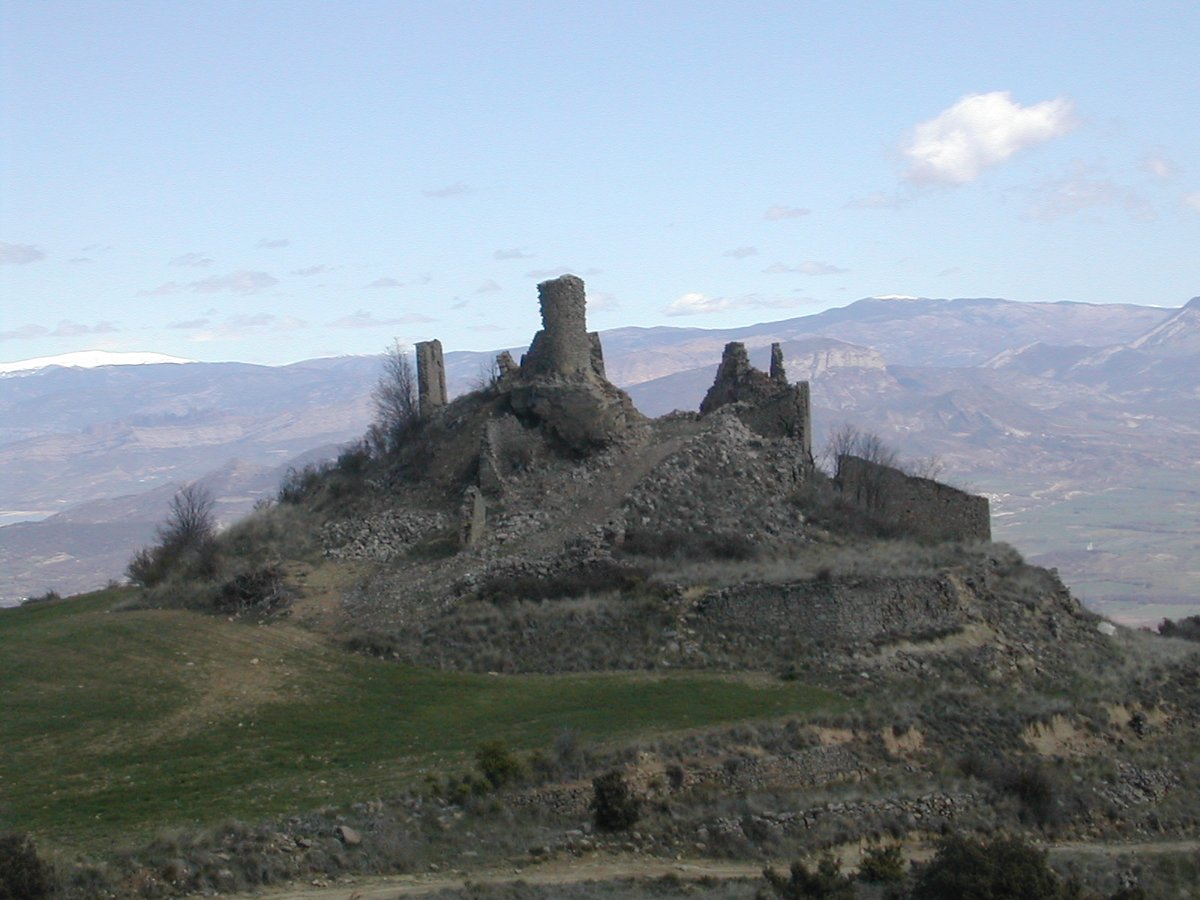
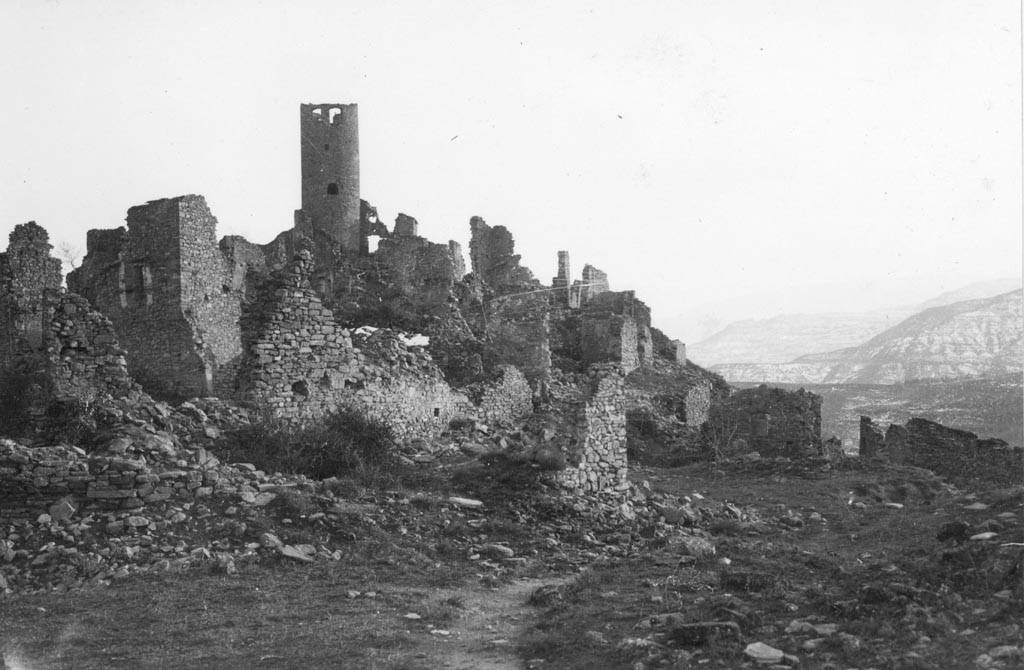
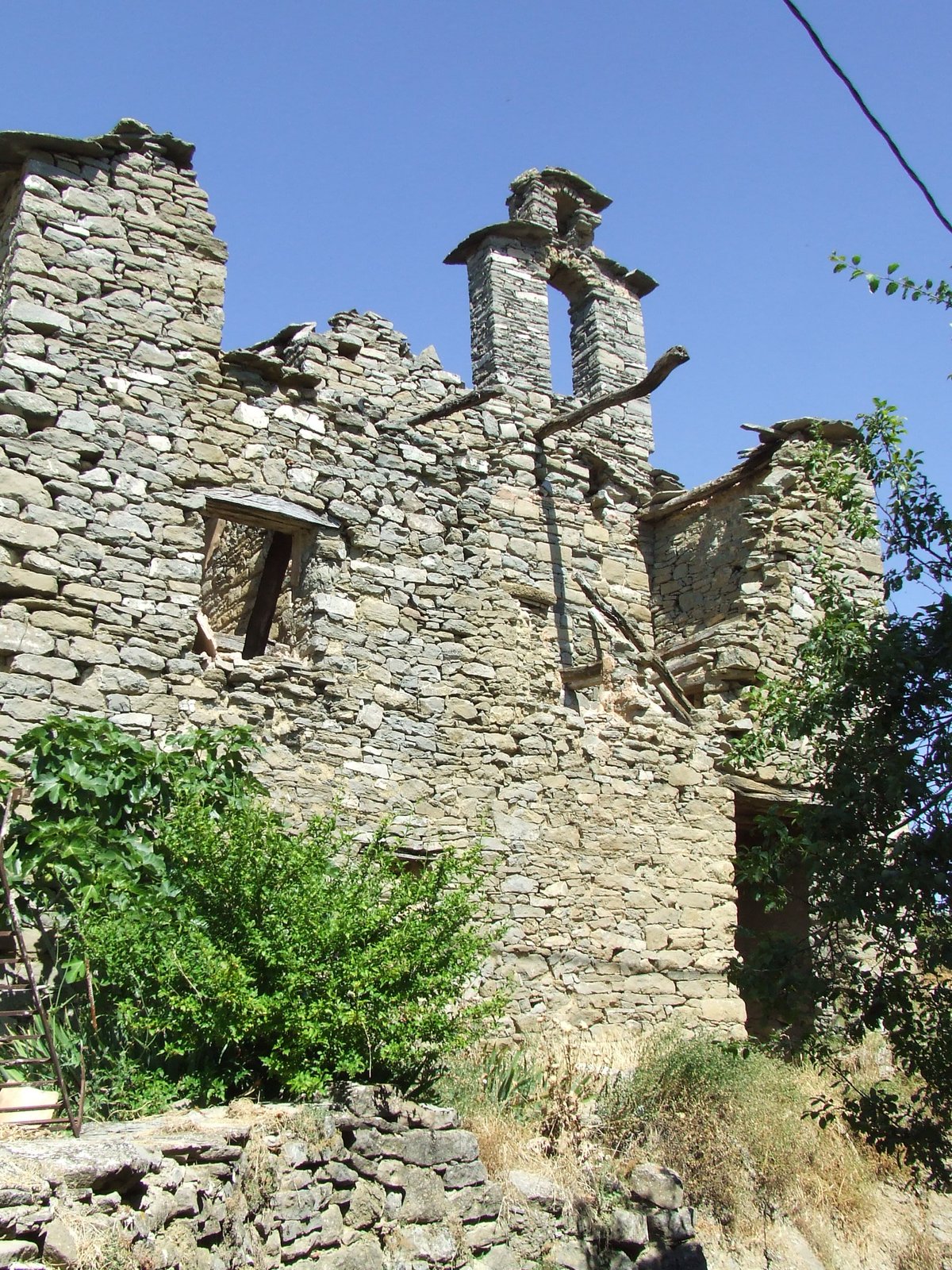
Written by Nik Frost
Discuss this with the author and others
No comments yet. Be the first to start the conversation.