
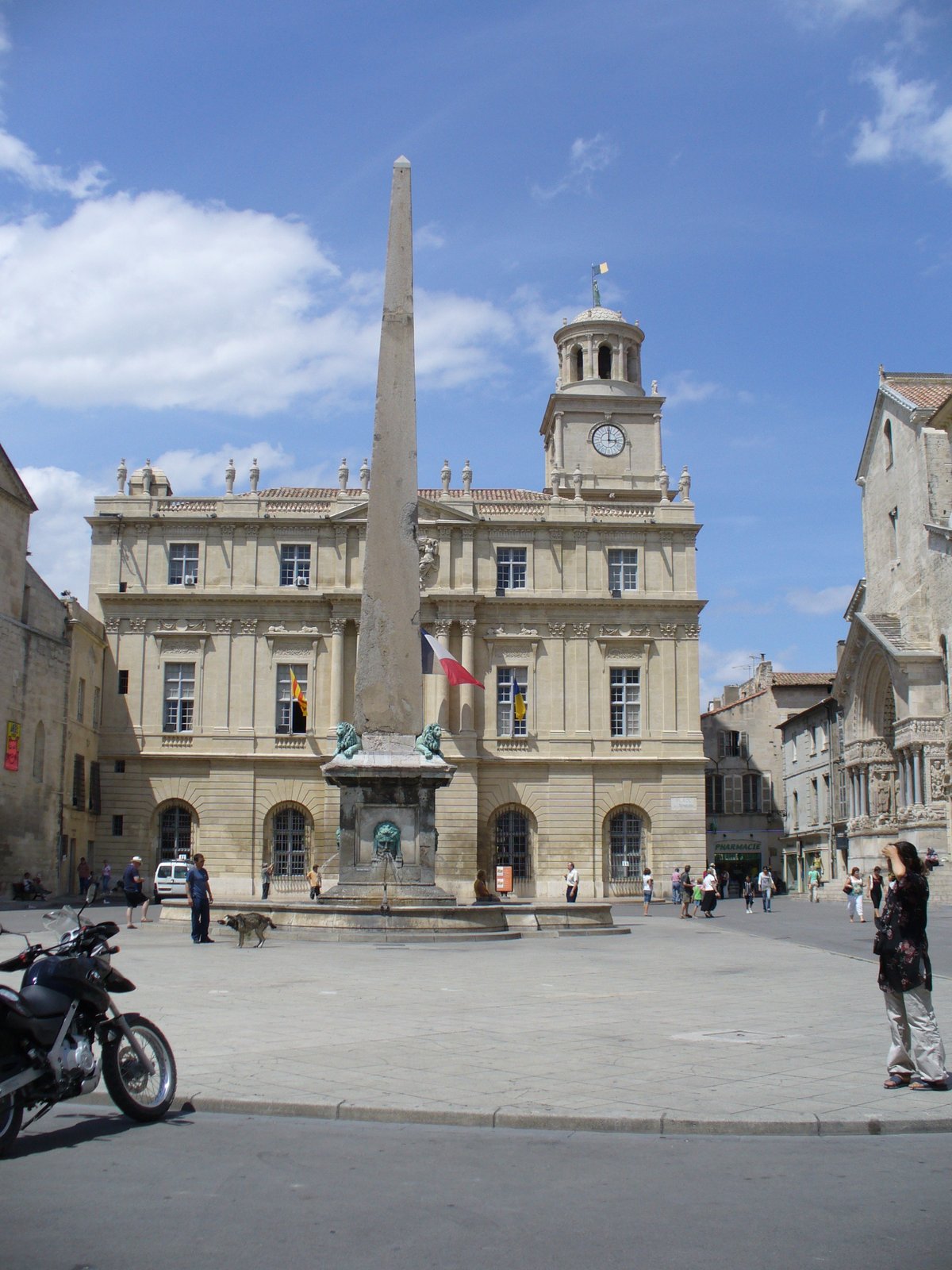
The Church of St. Trophime, located in Arles in southern France, is a Roman Catholic church and former cathedral built between the 12th and 15th centuries. It was constructed upon the site of a 5th-century basilica dedicated to St. Stephen. The structure is renowned for its Romanesque architectural tradition, particularly the sculptures over the church's portal and the columns in the adjacent cloister, which are considered some of the finest examples of Romanesque sculpture.
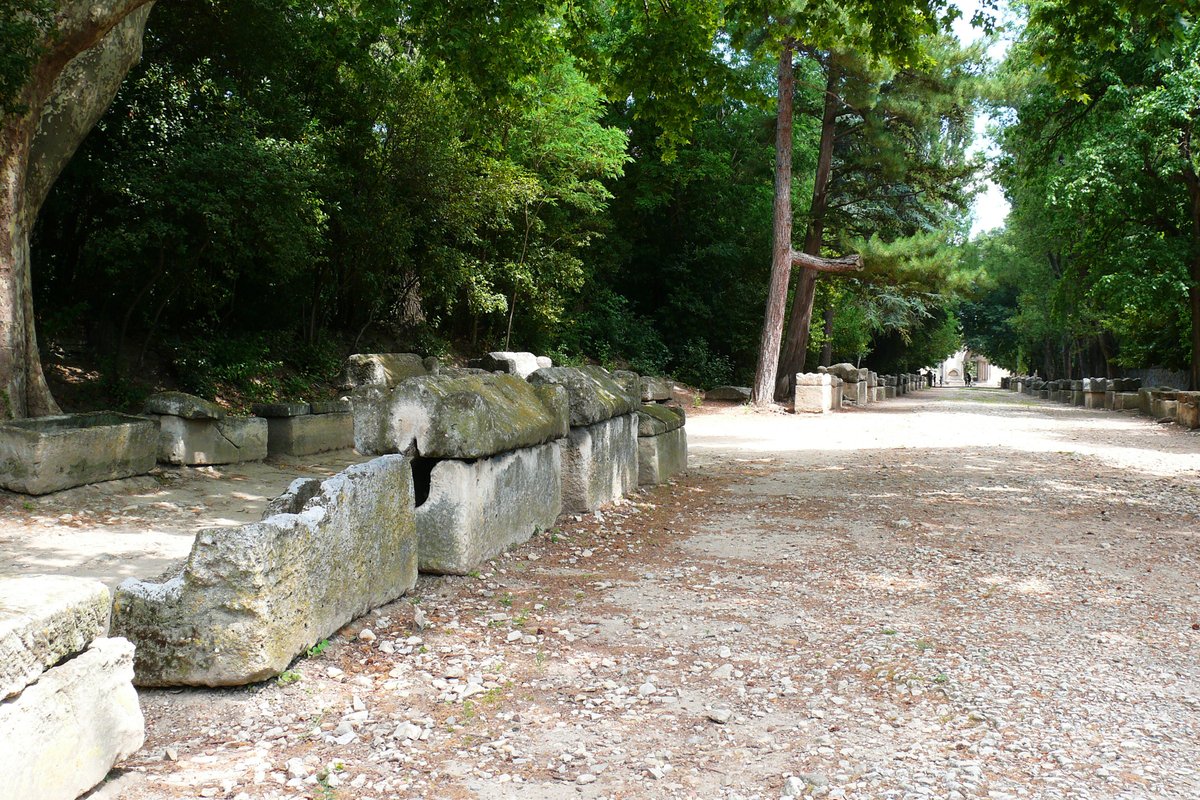
Historical records show the church served as a significant site for royalty; in 1178, the Emperor of the Holy Roman Empire, Frederick Barbarossa, was crowned there by the archbishop of Arles. In 1365, following this precedent, Emperor Charles IV was crowned king of Arles (Arelat) at the cathedral. While the church is mainly notable for its Romanesque art, it also houses Late Roman sarcophagi, Baroque paintings by Louis Finson, and a set of ten Baroque tapestries depicting the Life of the Virgin.
The church was reclassified as a simple parish church in 1801 when the bishopric moved to Aix-en-Provence, before being raised to the level of a minor basilica by Pope Leo XIII in 1882. In 1981, the church was classified as a World Heritage Site as part of the Arles, Roman and Romanesque Monuments group. Its importance is reflected in its sculpture, where the northern gallery's column capitals depict the Easter Mystery and the glorification of the patron saints of Arles.
Sources: Wikipedia, OpenStreetMap, Wikidata, Wikimedia Commons
Written by Nicolo Ciampini
Discuss this with the author and others
No comments yet. Be the first to start the conversation.