
The Roman Circus in Arles is the largest Roman structure in the city, having been built in 149 AD and classified as a monument historique in 1992. It is located southwest of the city, near the Rhone. Its construction was complicated by the unstable marshy terrain, requiring approximately 30,000 wooden stakes, 2.5 to 3 meters long, to stabilize the edifice. The circus, an important extension of the city, shows the persistence of urban developments from the Flavian era to the reign of Emperor Antoninus Pius.
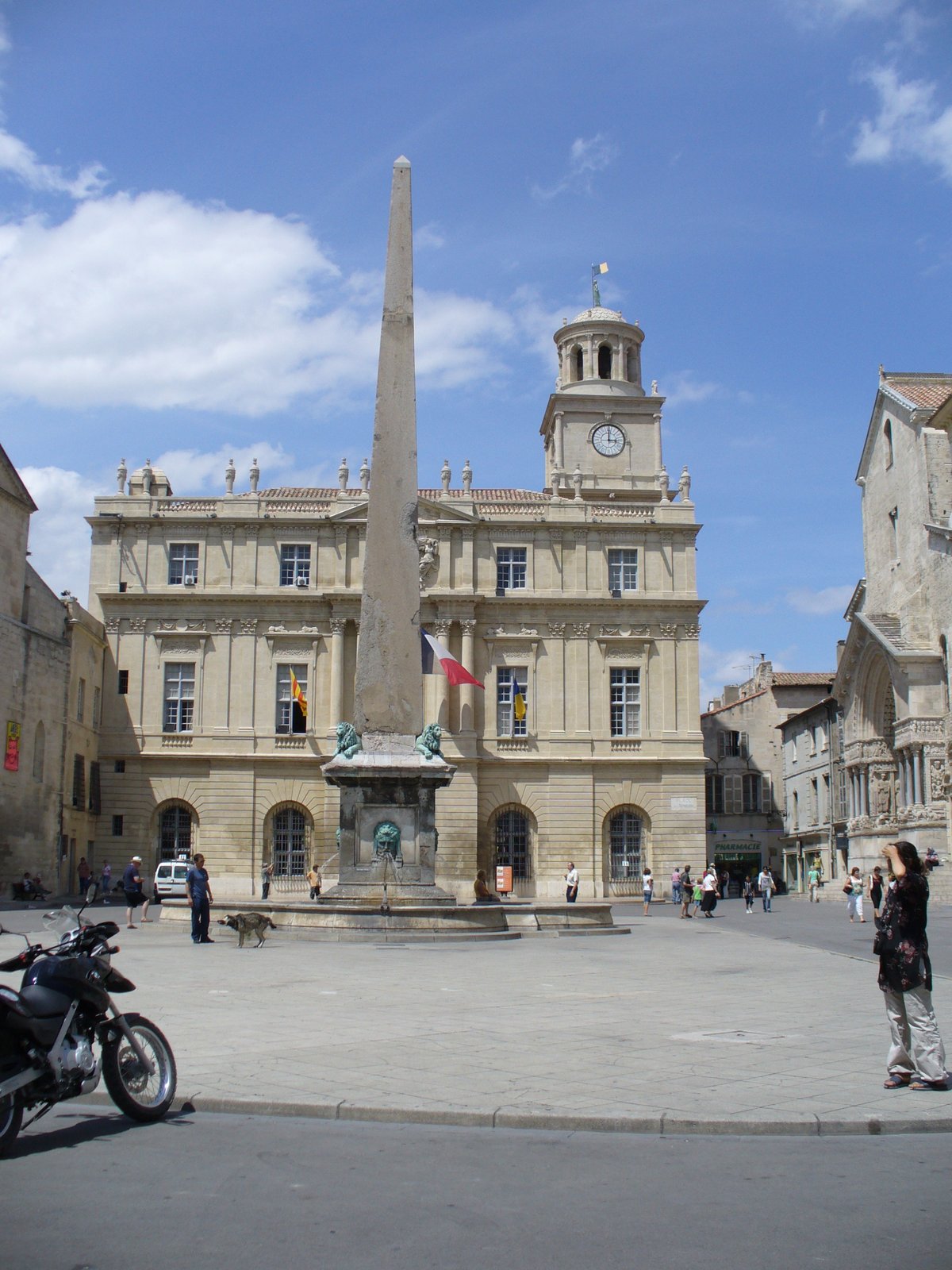
It is primarily used for chariot races, with battles of cavalry and venationes (a type of hunt) also occurring. The circus measures 450 meters long and 101 meters wide and can accommodate up to 20,000 spectators. It is organized around a large dammed track, called the area, equipped with a central separation, the spina (the spine), which is decorated with sculptures, an obelisk, and fountains, that the competitors strive to pass as closely as possible.
The track is separated from the spectators by the podium (elevated wall) that protects them, and the stands rest on an architectural structure resembling that of an amphitheater. The starting point was given in the carceres (stalls), located in the convex part, whose starting stalls were equipped with doors with hinges. Only a few vestiges remain of the building, following its abandonment and destruction at the end of the 6th century. Some elements were reused, notably in the reinforcement of the walls and the construction of individual buildings, and some are exposed at the Musée départemental Arles antique.
Today, only remains of the substructure of the cavea (stands) and the exterior of the sphendone (convex part of the circus) remain visible, below the museum.
Sources: Wikipedia, OpenStreetMap, Wikidata, Wikimedia Commons
Written by Nicolo Ciampini
Discuss this with the author and others
No comments yet. Be the first to start the conversation.