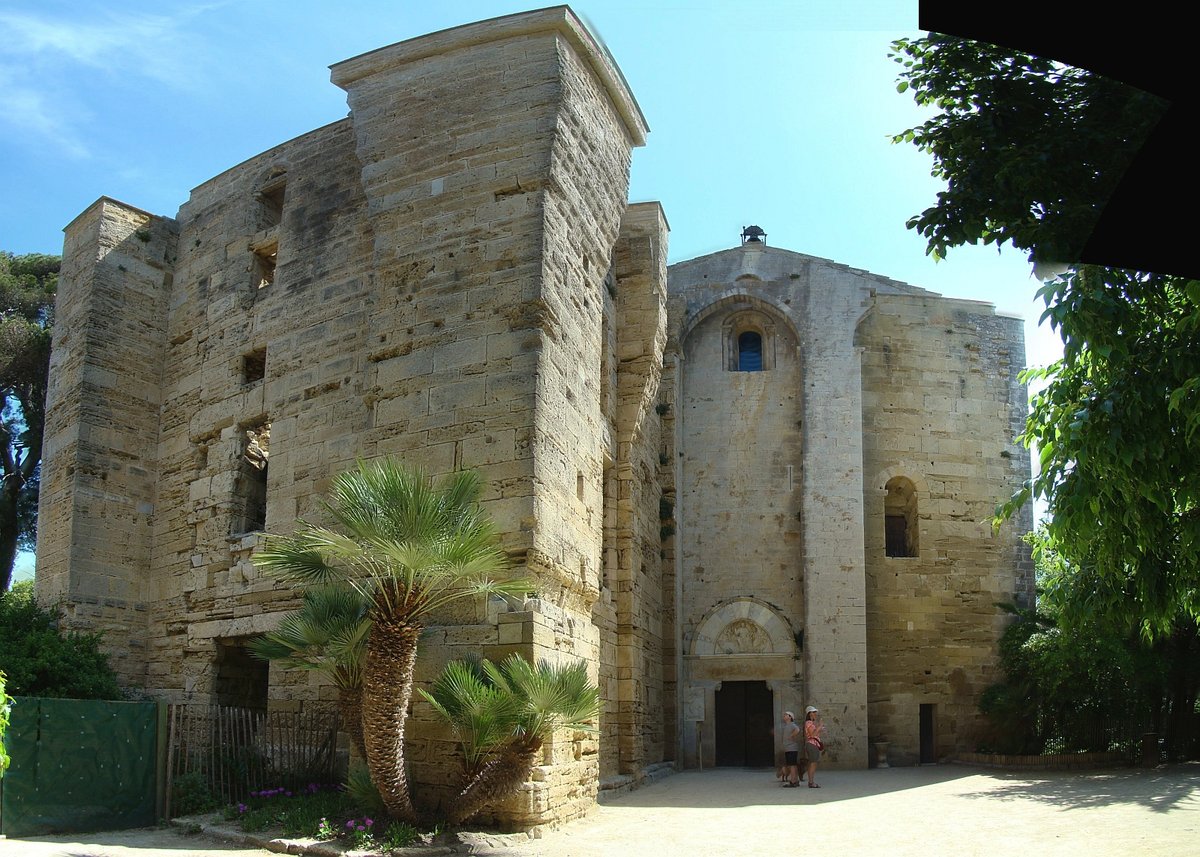

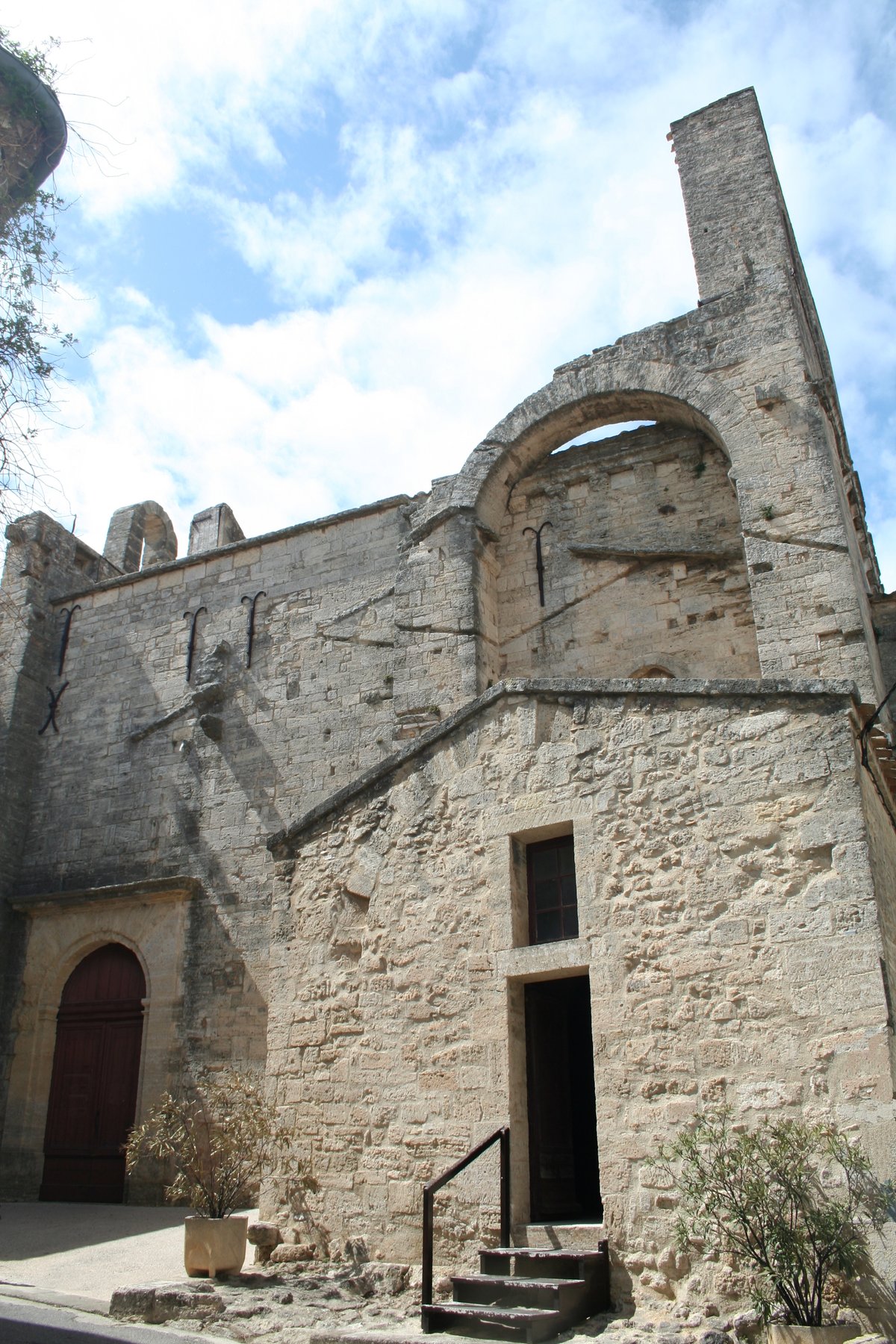
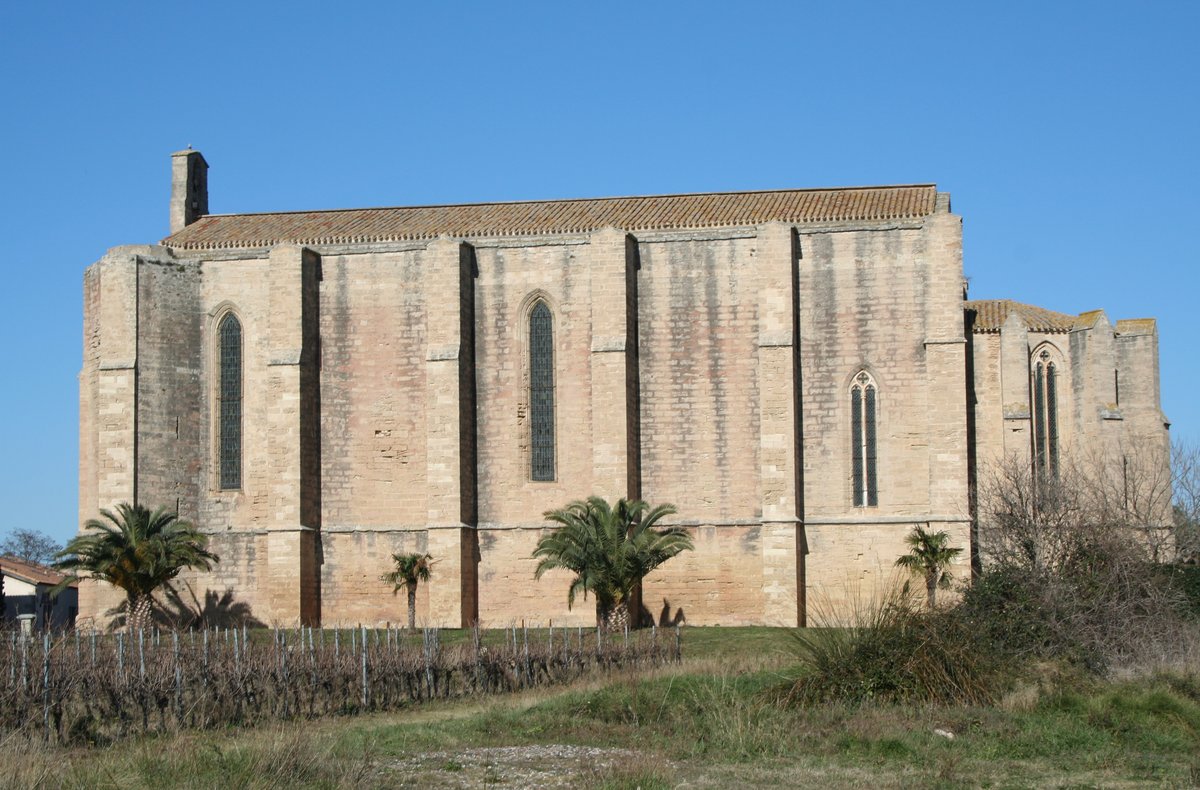
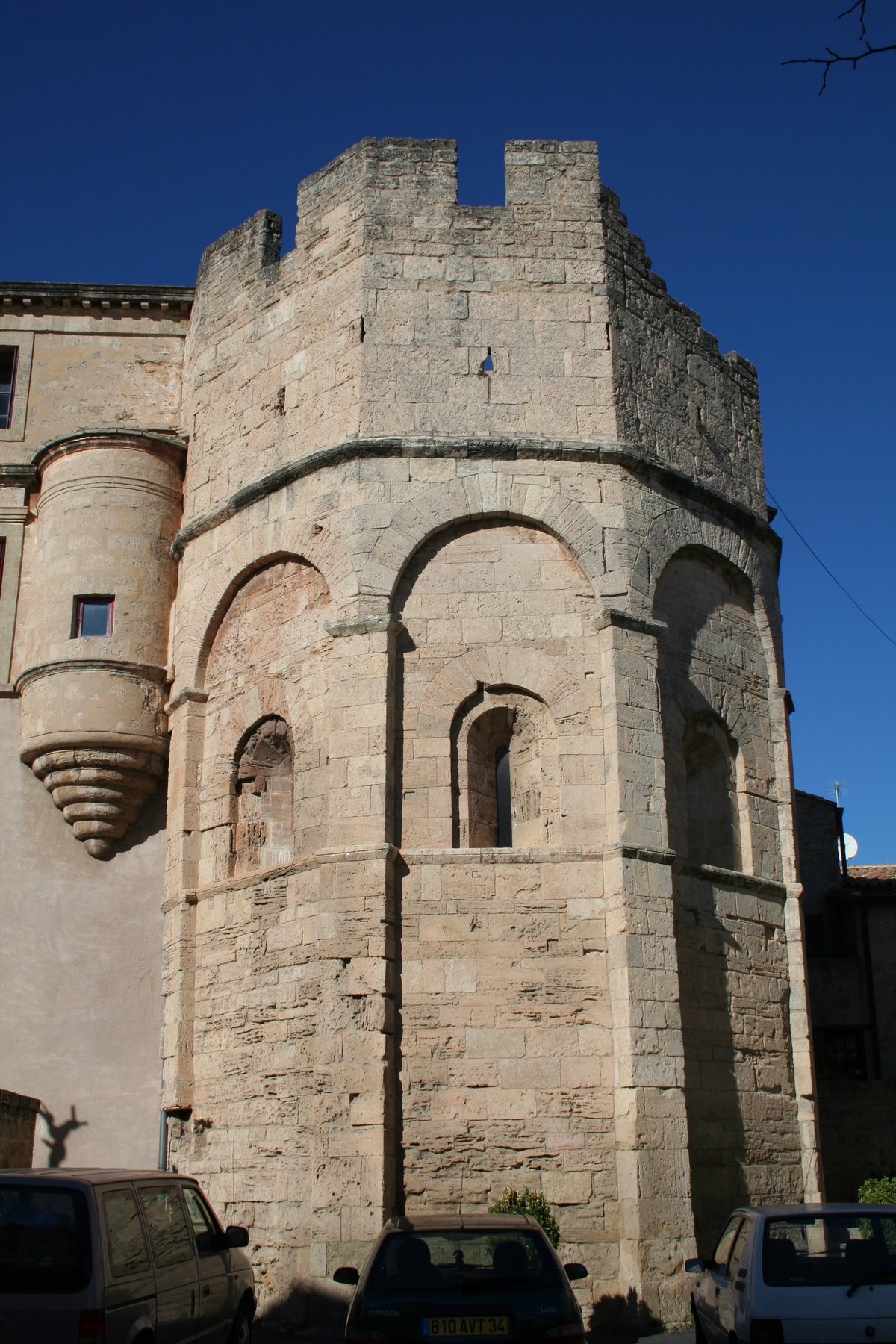
Maguelone Cathedral stands on an isthmus between the Étang de l'Arnel lake and the Mediterranean Sea in the Hérault department of southern France, opposite the present-day town of Villeneuve-lès-Maguelone. Constructed in the 11th century when the see was returned here from Substantion by Bishop Arnaud (1030-1060), it operated as the episcopal seat of the former Bishop of Maguelone until 1563, when the see was transferred to the newly created Bishopric of Montpellier. A Romanesque fortified building, it offers a fascinating glimpse into the history of the region. Despite parts, such as the towers, having been demolished, the main body of the building remains functional and is a registered national monument.
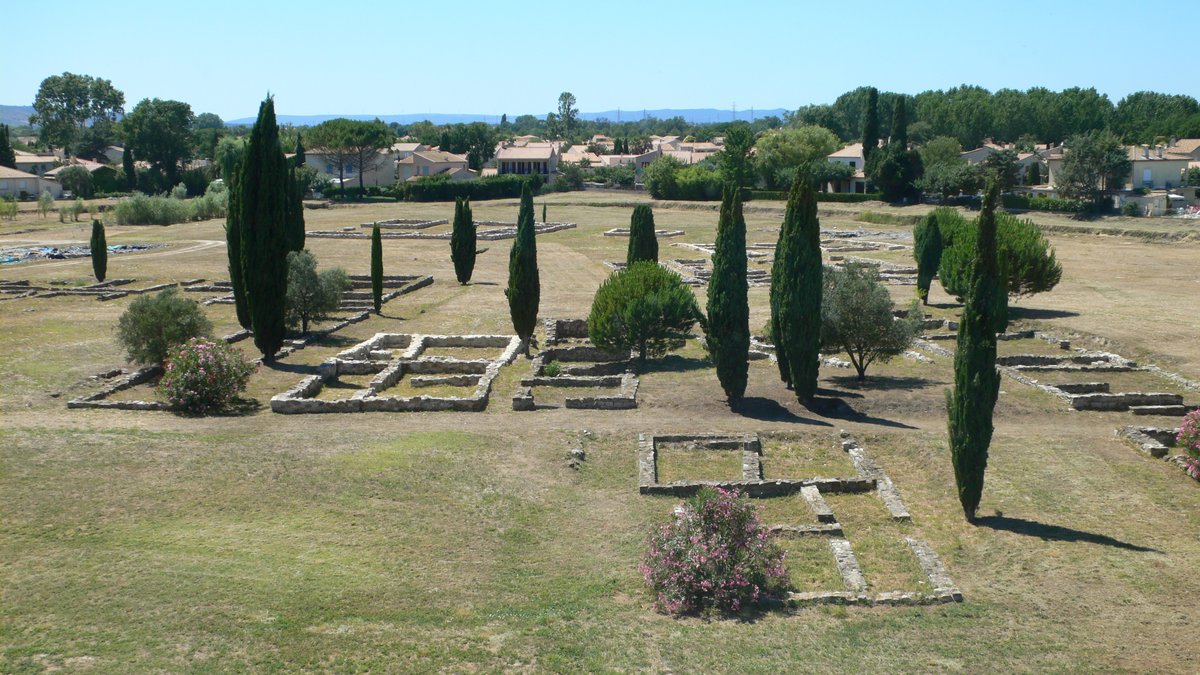
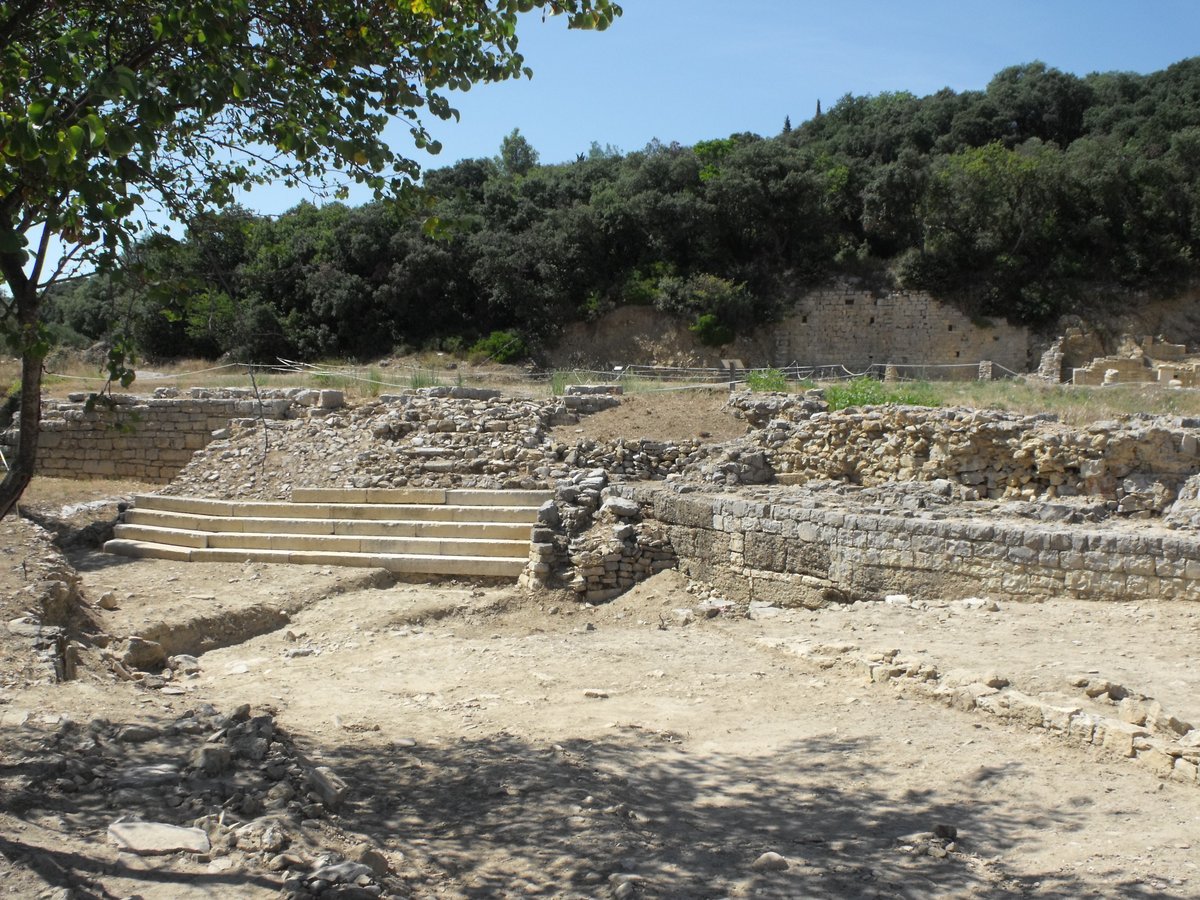
It is run by a dedicated preservation society, les Compagnons de Maguelone, and is used for both religious and secular purposes. During archaeological excavations in 1967, Roman and Etruscan remains and a number of Visigothic sarcophagi were discovered on this ancient island. Its shape and purpose were altered in response to attacks, invasions, and the changing role of the bishop. For example, in 673, the Visigoth King Wamba was besieged here during his campaign of reconquest of Narbonne.
In the 8th century, after the Saracens increased their attacks, a harbour was established allowing ships to dock and unload safely, and the site was renamed Port Sarrasin. The site remained virtually abandoned for three centuries after the Franks began their campaign of reconquest. In the 11th century, Arnaud, Bishop of Maguelone from 1029 to 1060, decided to rebuild the cathedral and improved access with a bridge nearly 1 kilometre (0.62 mi) in length which stretched from the island to Villeneuve-lès-Maguelone.
Sources: Wikipedia, OpenStreetMap, Wikidata, Wikimedia Commons
Written by Nicolo Ciampini
Discuss this with the author and others
No comments yet. Be the first to start the conversation.