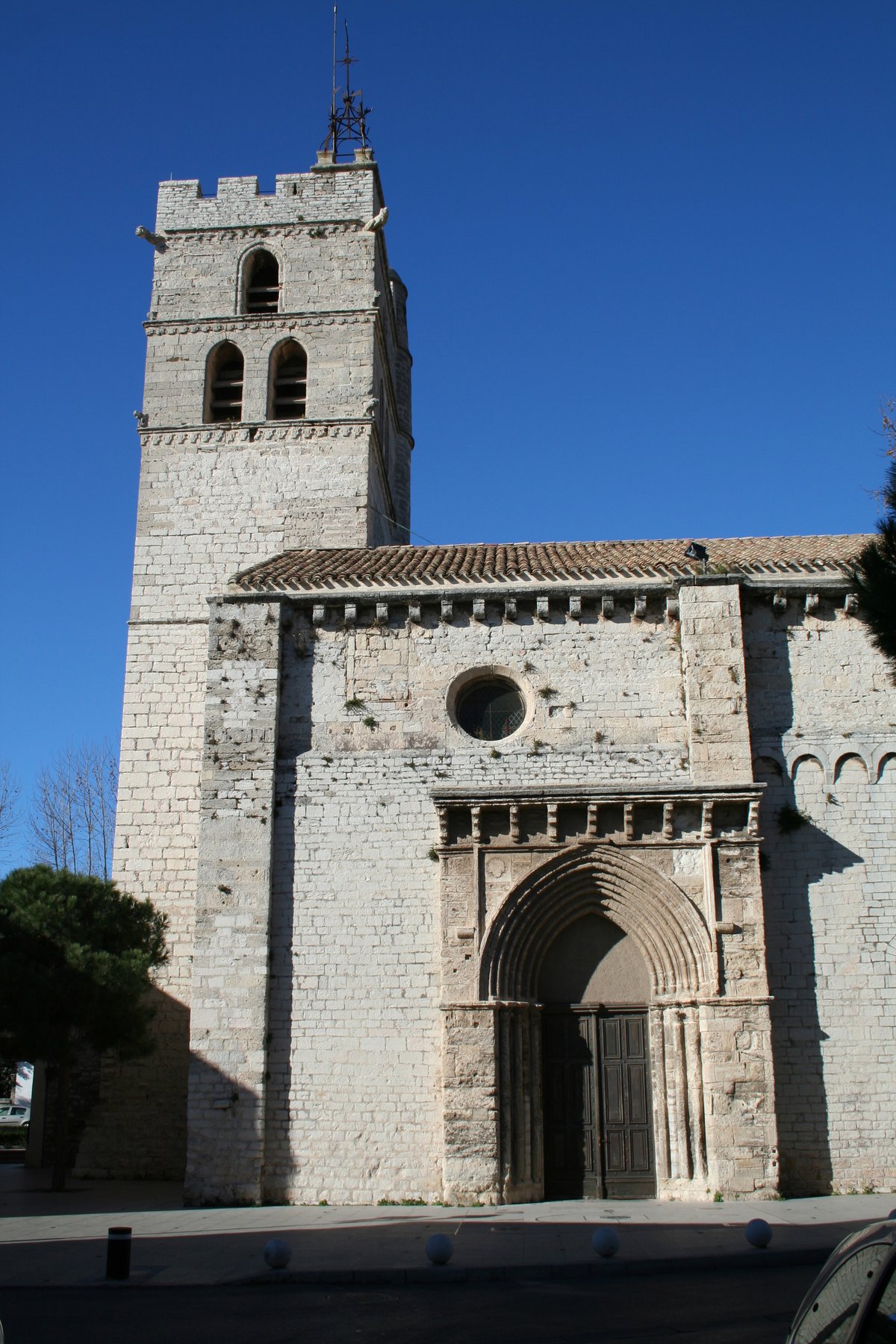

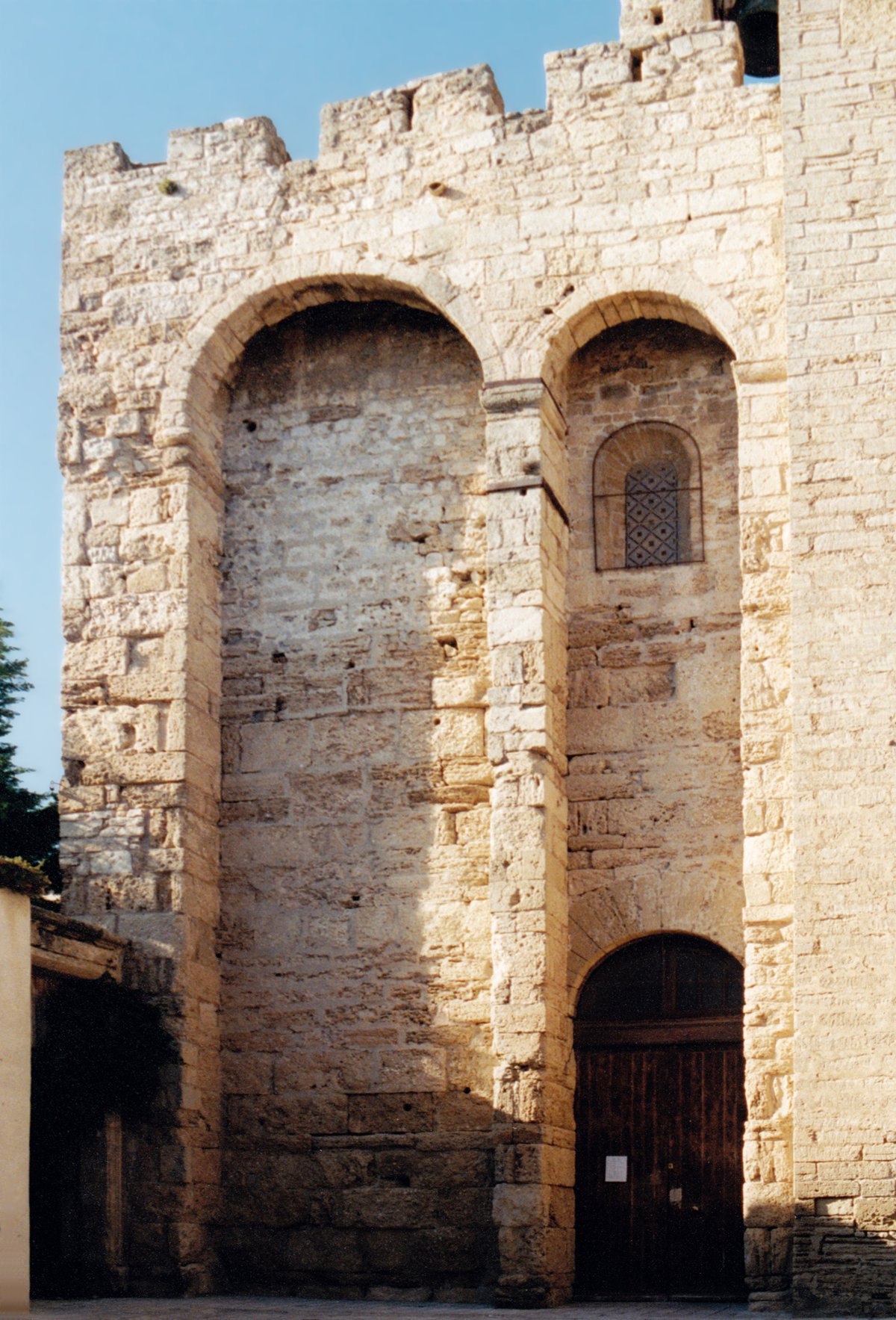
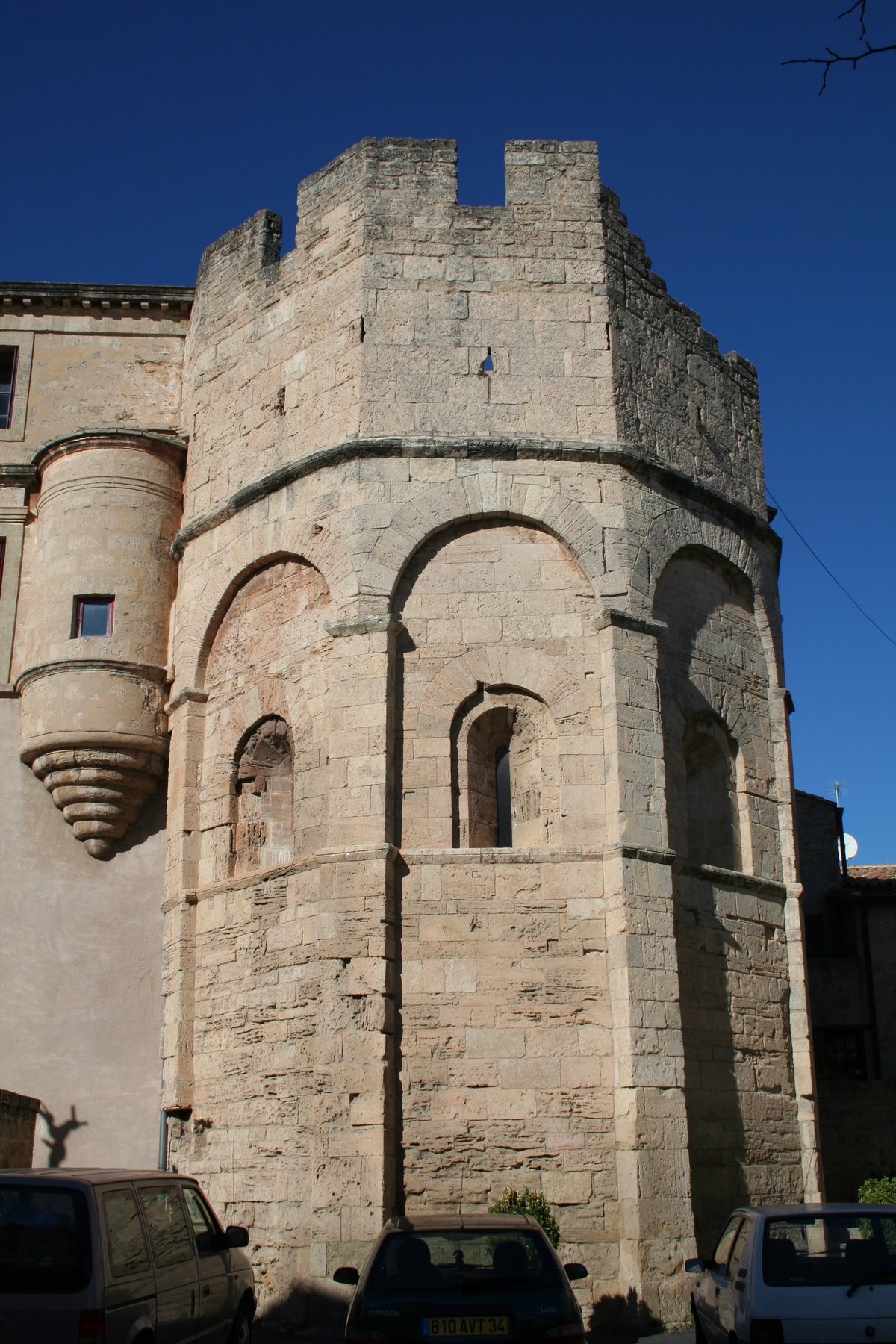
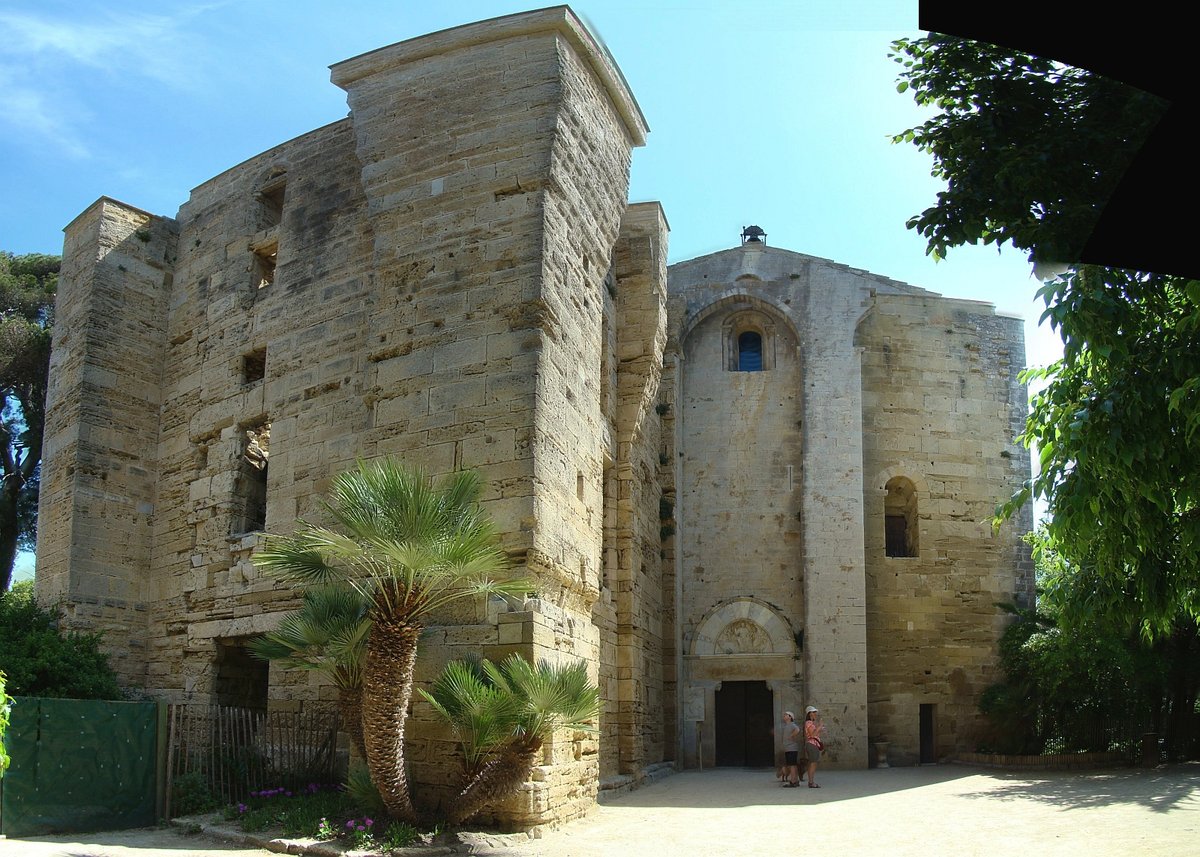
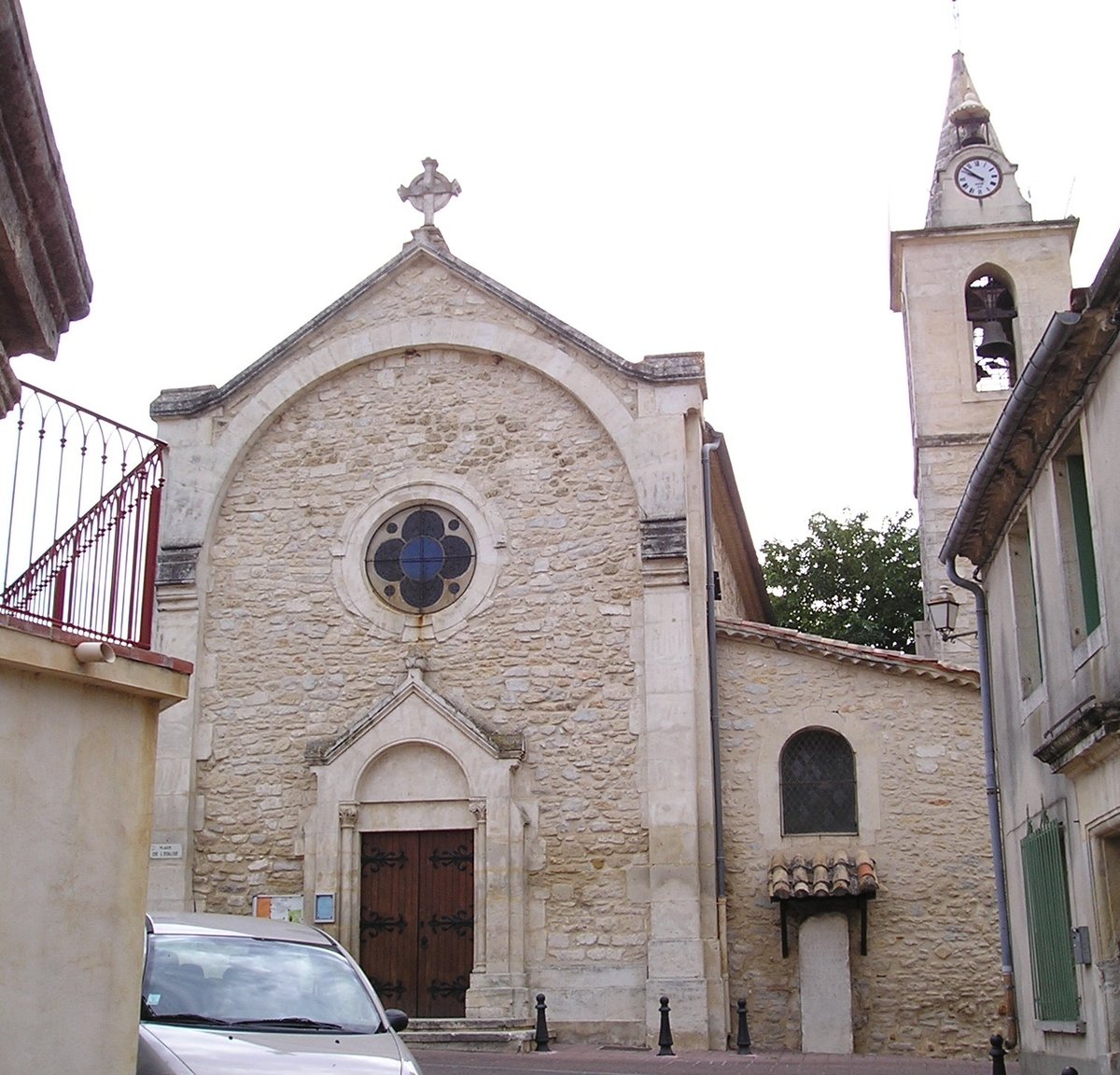
St. Paul in Frontignan is a place of worship with a history intertwined with the town's defenses. Its north wall was incorporated into the ramparts that surrounded the old town center. The bell tower was originally a donjon formed of two buttresses linked by a pointed arch vault, likely built at the beginning of the Hundred Years' War. This donjon featured a walkway and an échauguette to protect the building's structure.
During a period of religious conflict, Protestants took the town in 1561, causing significant damage. They broke altars and images, burned ornaments, and removed baptismal fonts. The local council eventually took the town back in 1562 after a siege. Today, the east face of the bell tower still shows the impacts of arquebus fire from that period, serving as a physical record of the conflict.
Inside, the building preserves diverse architectural layers. The south wall retains the original Romanesque structure, featuring Lombard arches and a portal with a monolithic tympanum. A single original beam remains from the medieval ceiling, bearing a painting of Jacques Ier d'Aragon, count of Barcelona and lord of Montpellier.
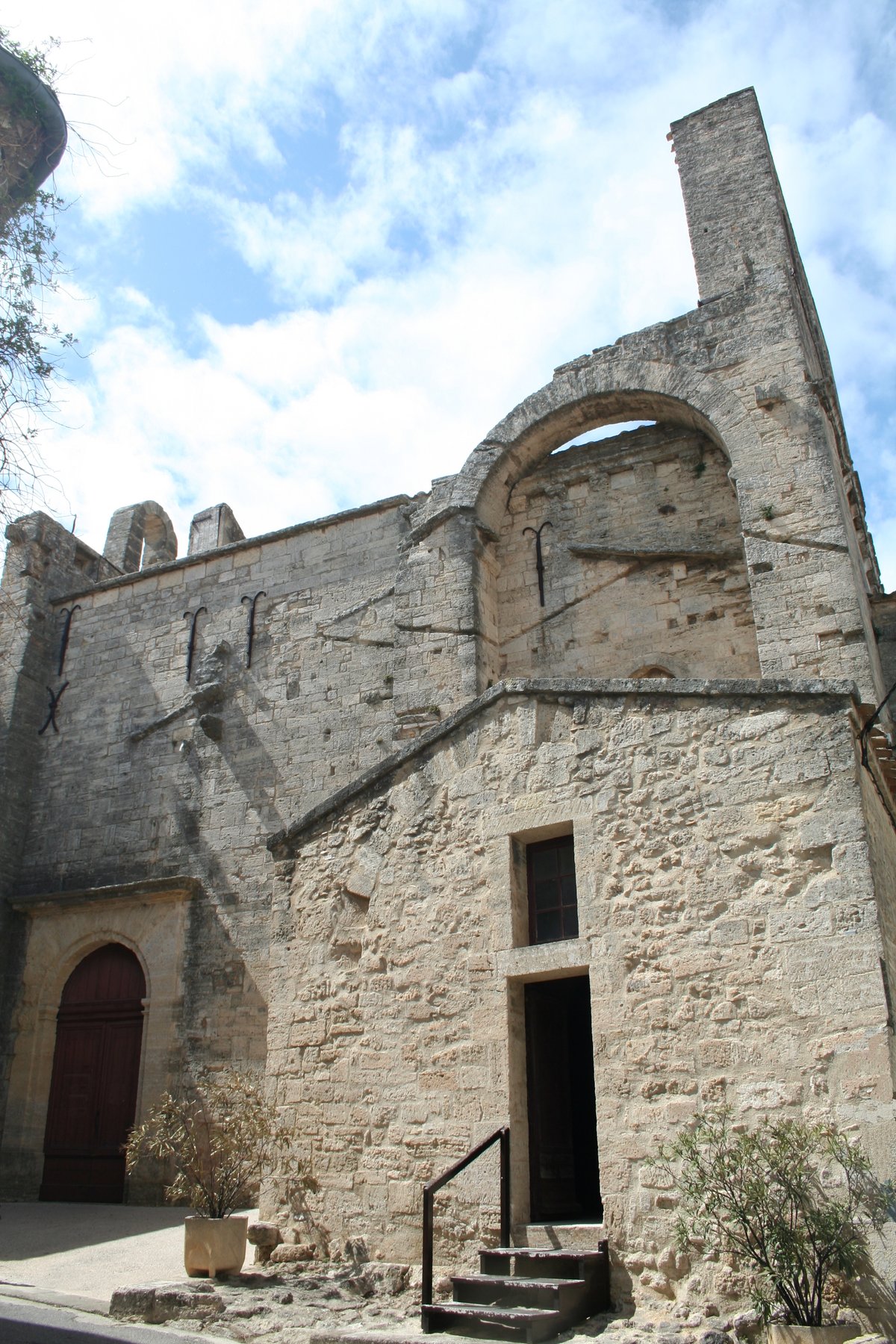
Visitors can see the open Roman portal and the "porte des Morts," a door in the north wall that leads to the old cemetery. These features, along with the various bells and the 1960s restoration of the nave's Gothic-style ceiling, make the church a complex site of regional history.
Sources: Wikipedia, OpenStreetMap, Wikidata, Wikimedia Commons
Written by Nicolo Ciampini
Discuss this with the author and others
No comments yet. Be the first to start the conversation.