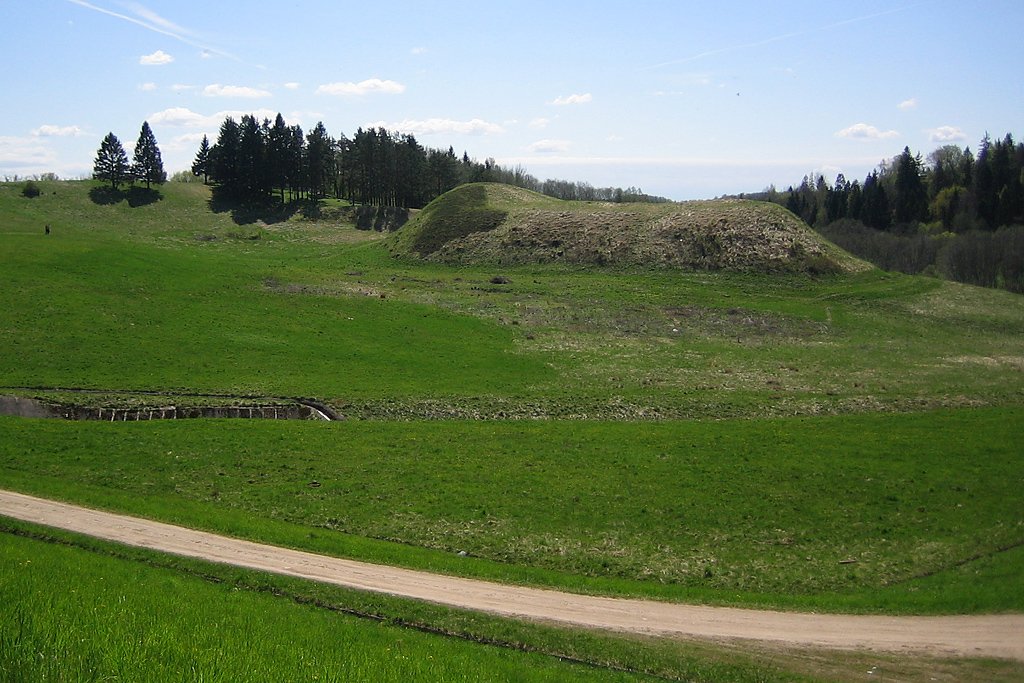

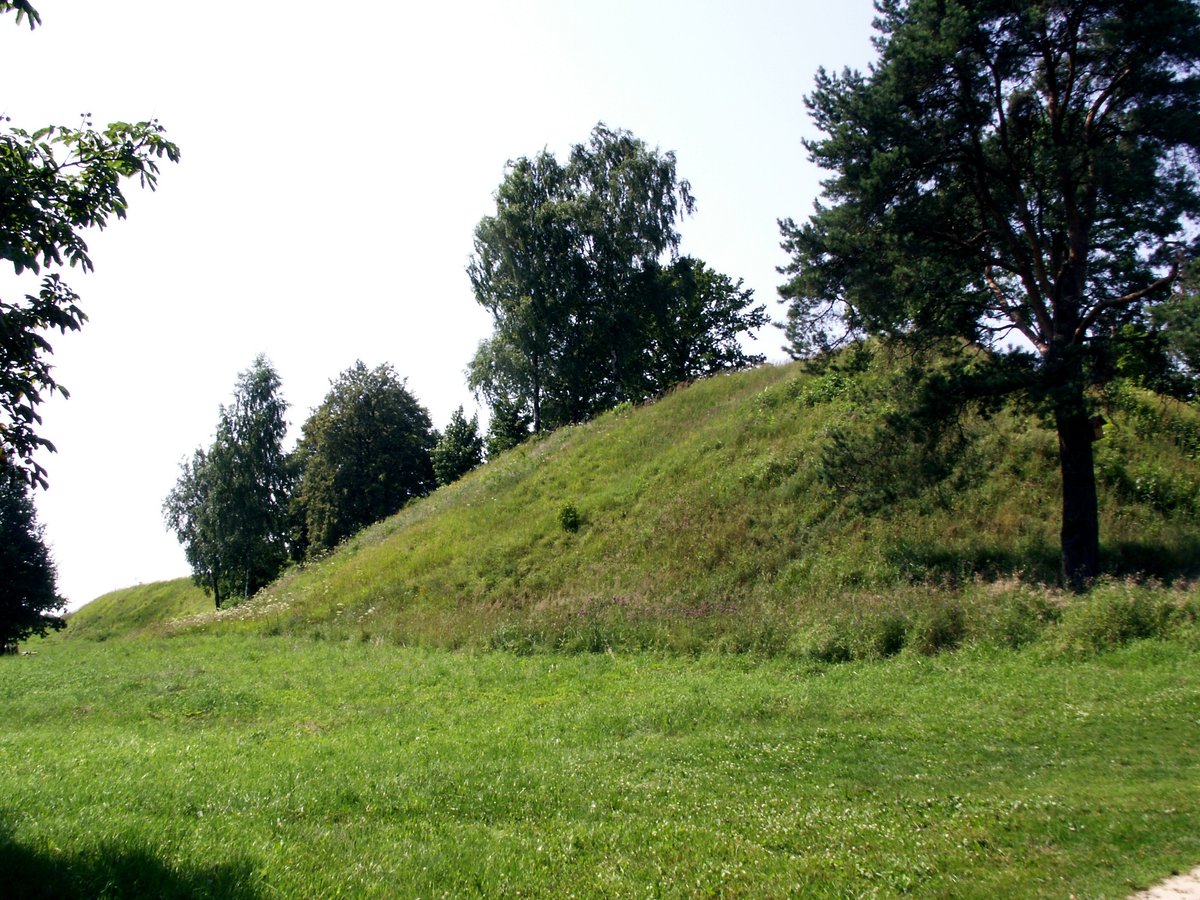
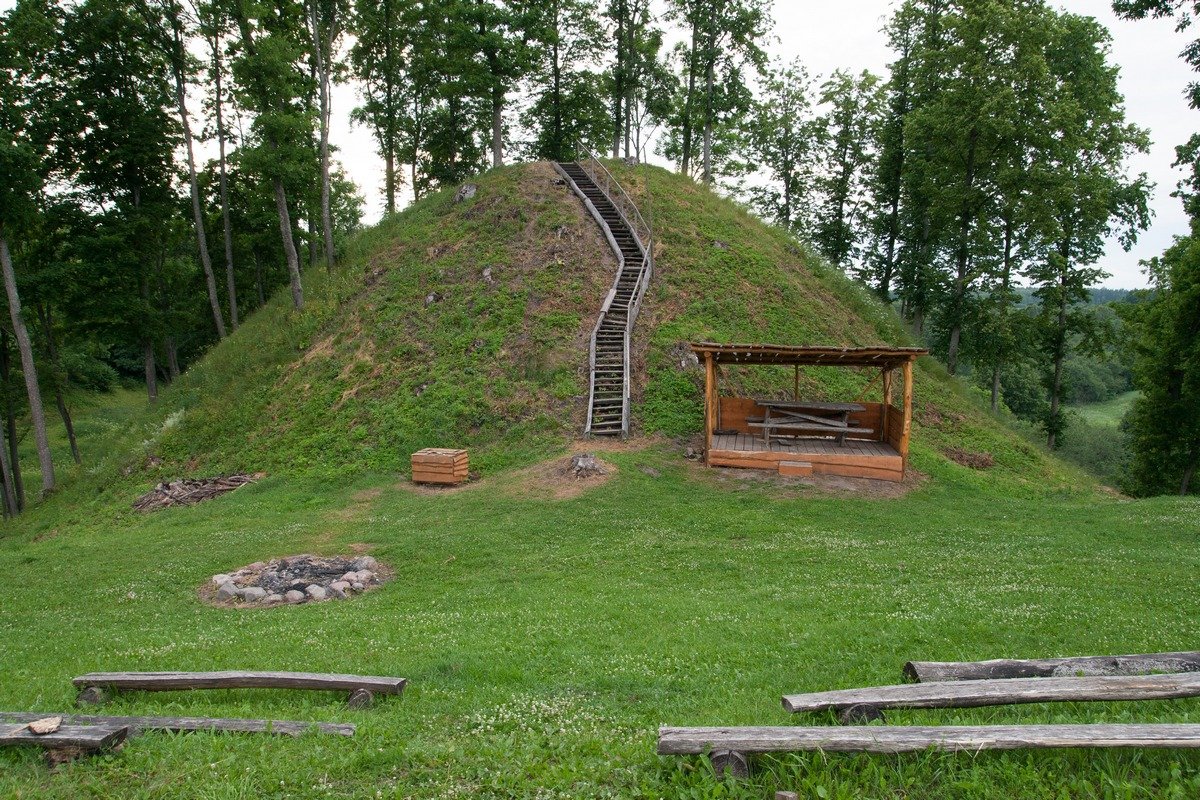
Archaeological excavations show that the area of Bubių piliakalnis, also known as Pilale, has been inhabited since the 1st millennium. A hillfort was constructed near an old trade route leading from Riga to Tilžė, with the fort's walls intentionally raised and separated from the nearby settlement. The fort could have housed a garrison of 50-70 armed men.
Historical records mention the fort in 1348, when the Livonian Master Gosvinas took four nearby castles. A contemporary chronicler noted that the Dubysa castle was the strongest in the region. In 1358, Gosvinas again invaded the area and destroyed the Dubysa castle, reportedly killing 100 local people during the attack. Two of the Master's brothers, Johannes Hane and Clavenbeke, were reportedly knocked off the walls and killed.
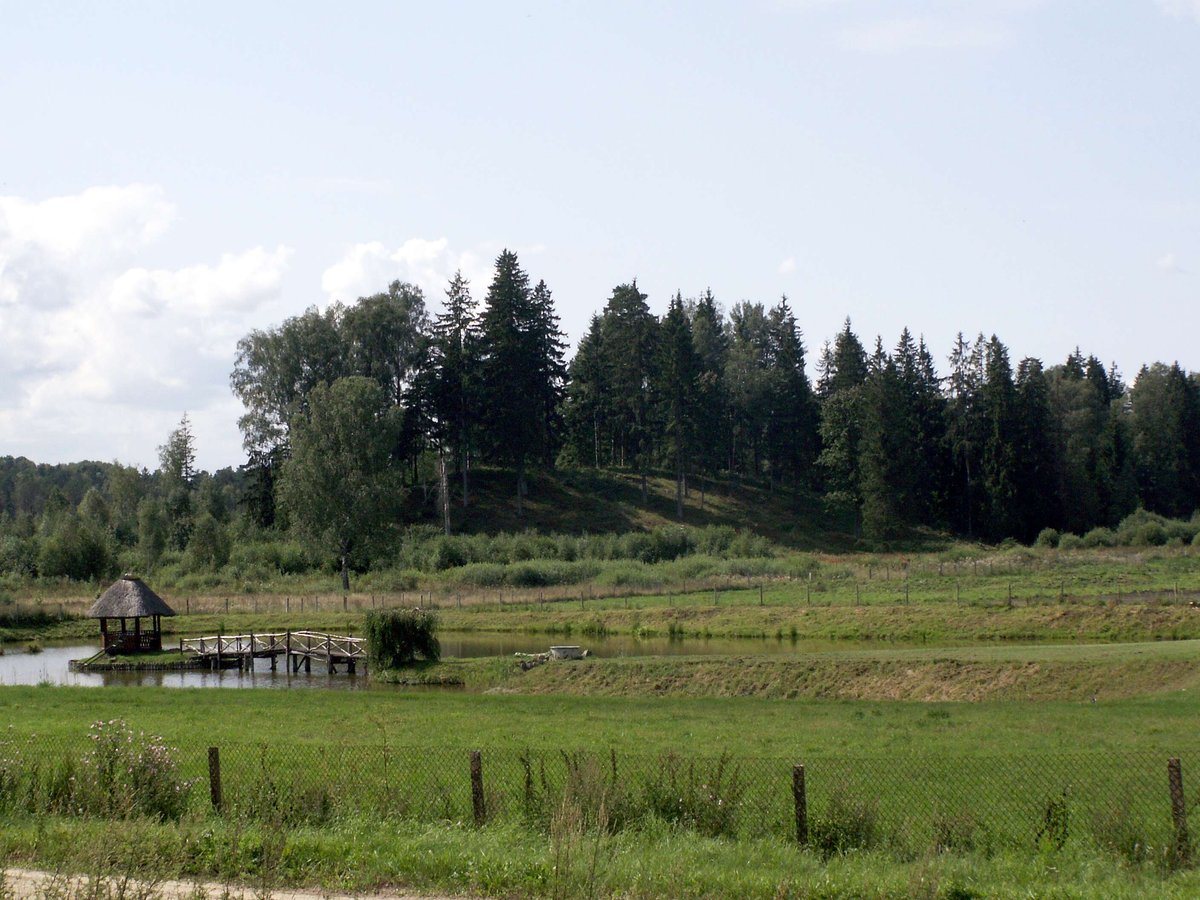
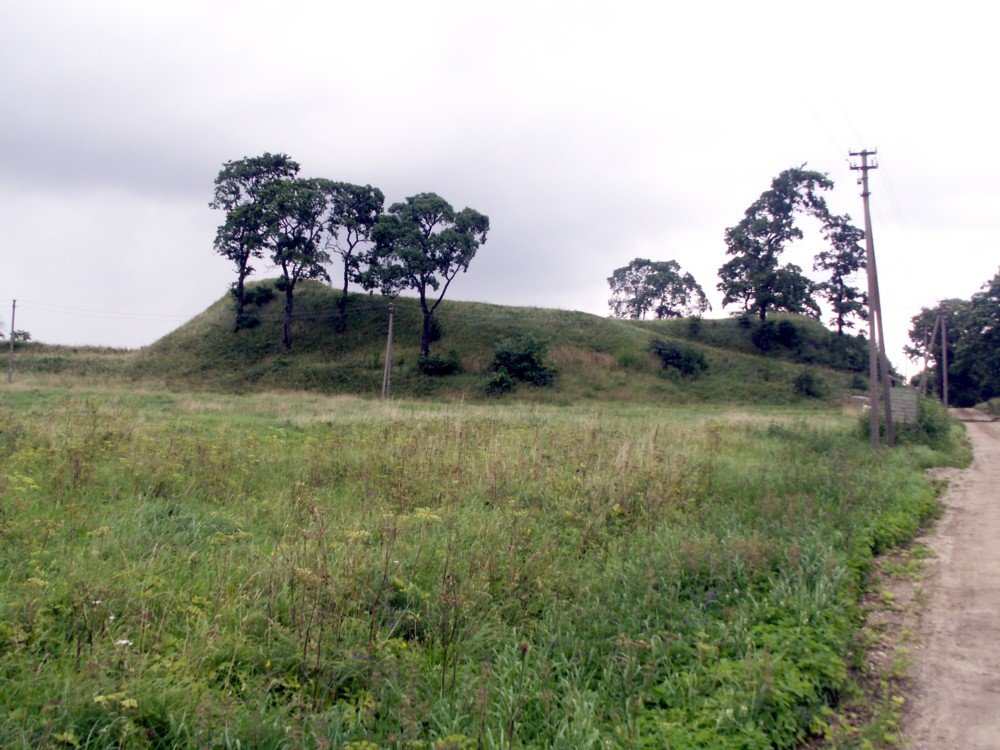
The fortification was a significant part of the northern defensive system. The wooden fort stood on a hill on the left bank of the Dubysa river, protected by the river valley and bogs. The courtyard was rectangular, measuring about 80 metres long and 35 metres wide. It was protected by a wall 5-6 metres high, reinforced with stones, and a rampart 35 metres long and 4.5 metres high. A ditch 26 metres wide and 5 metres deep separated the fort from the surrounding heights.
Sources: Wikipedia, OpenStreetMap, Wikidata, Wikimedia Commons



Written by Nicolo Ciampini
Discuss this with the author and others
No comments yet. Be the first to start the conversation.