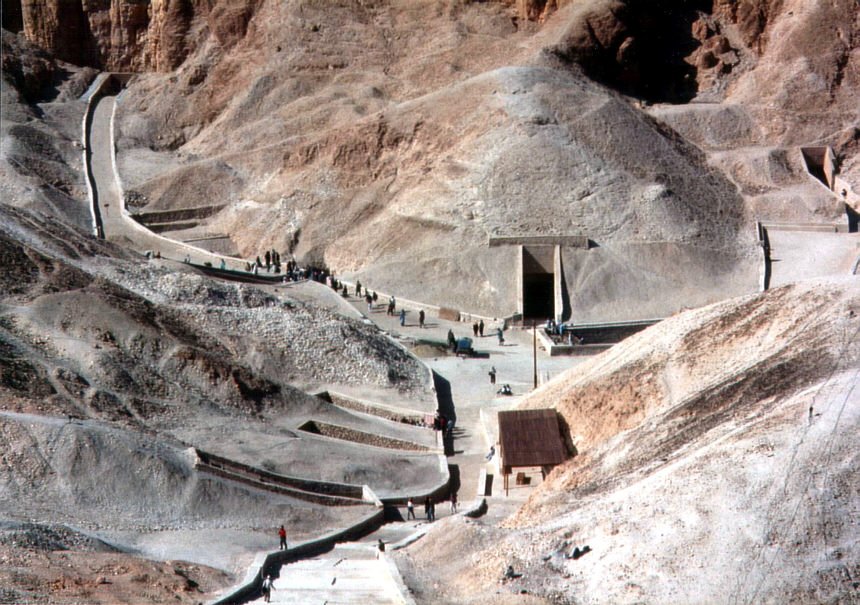

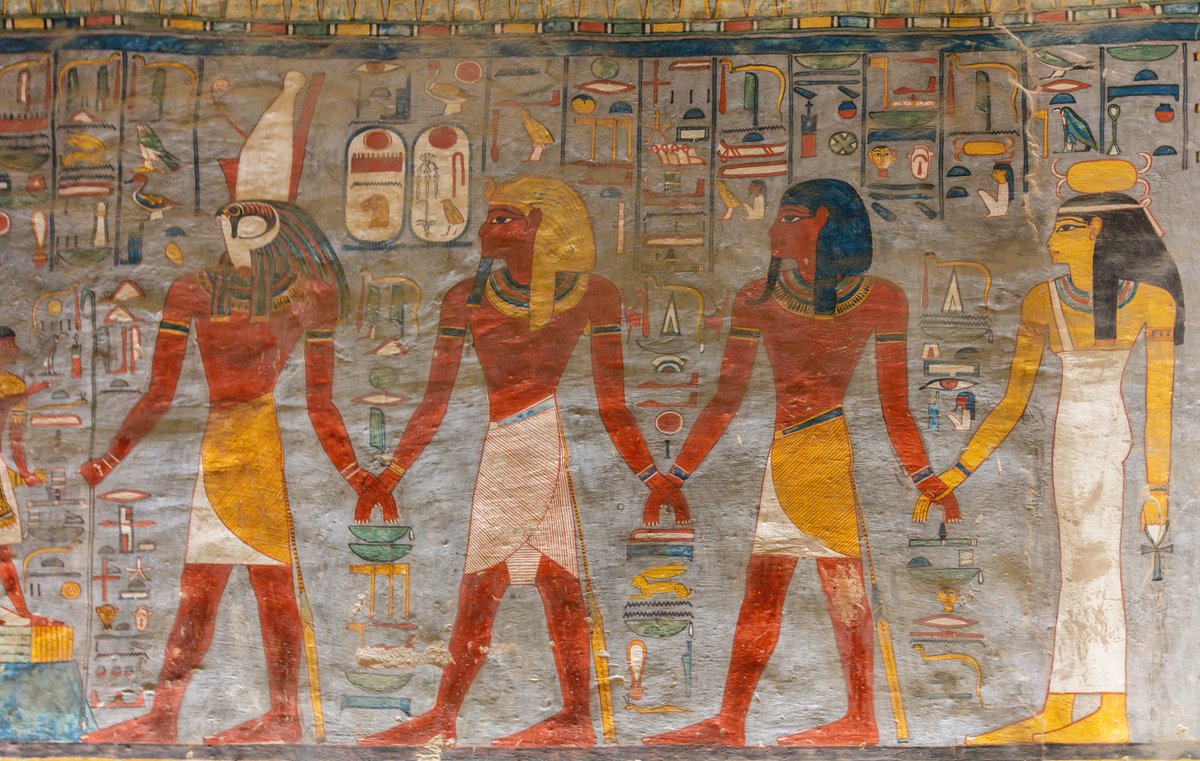
Hidden in the Egyptian desert, the Valley of the Kings, also known as the Valley of the Gates of the Kings, is an archaeological site and necropolis. For nearly 500 years from the Eighteenth Dynasty to the Twentieth Dynasty, rock-cut tombs were excavated here for pharaohs and powerful nobles under the New Kingdom of ancient Egypt. The tombs are decorated with traditional scenes from Egyptian mythology and reveal clues to the period's funerary practices and afterlife beliefs. While almost all of the tombs seem to have been opened and robbed in antiquity, they still give an idea of the opulence and power of Egypt's pharaohs.
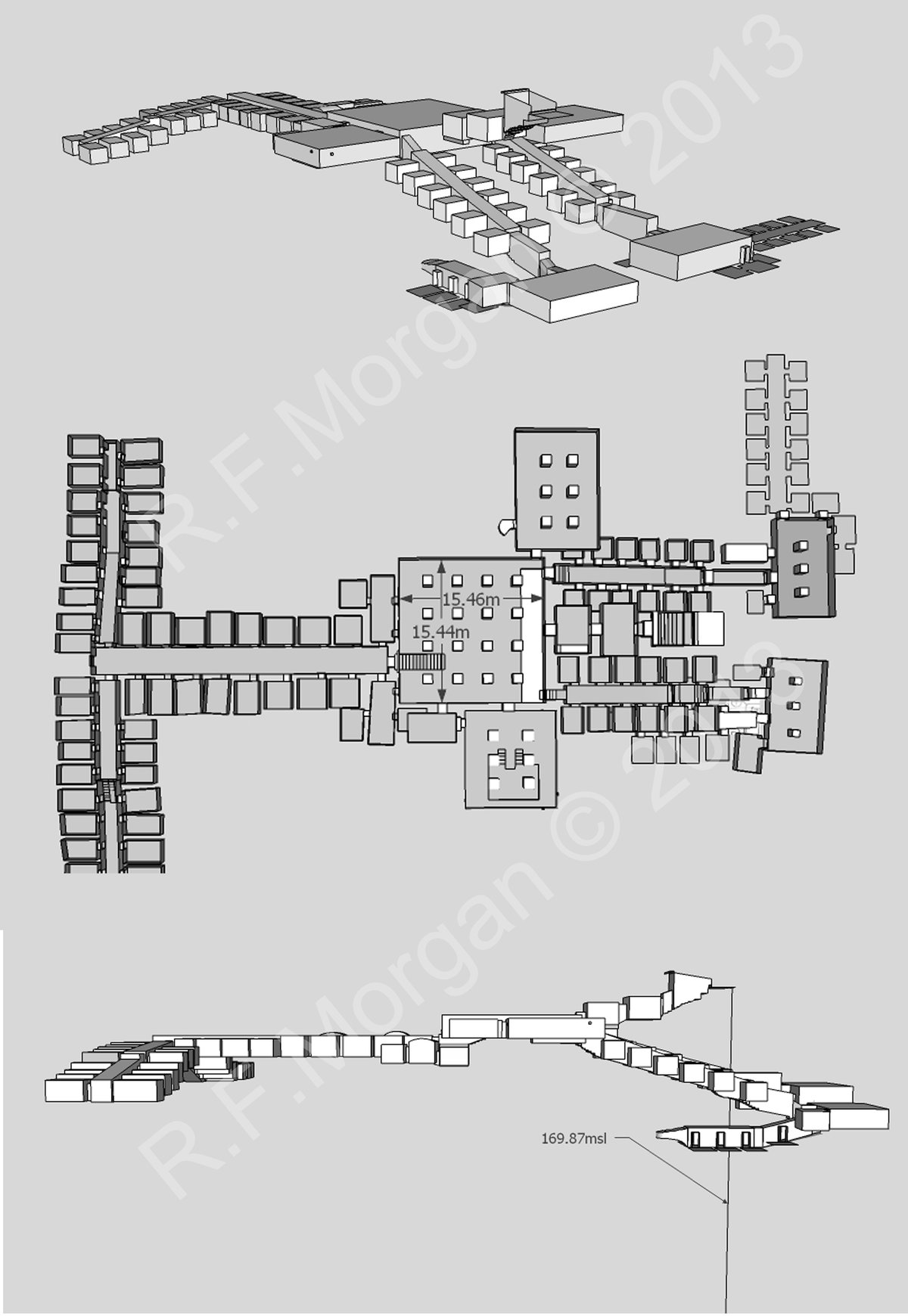
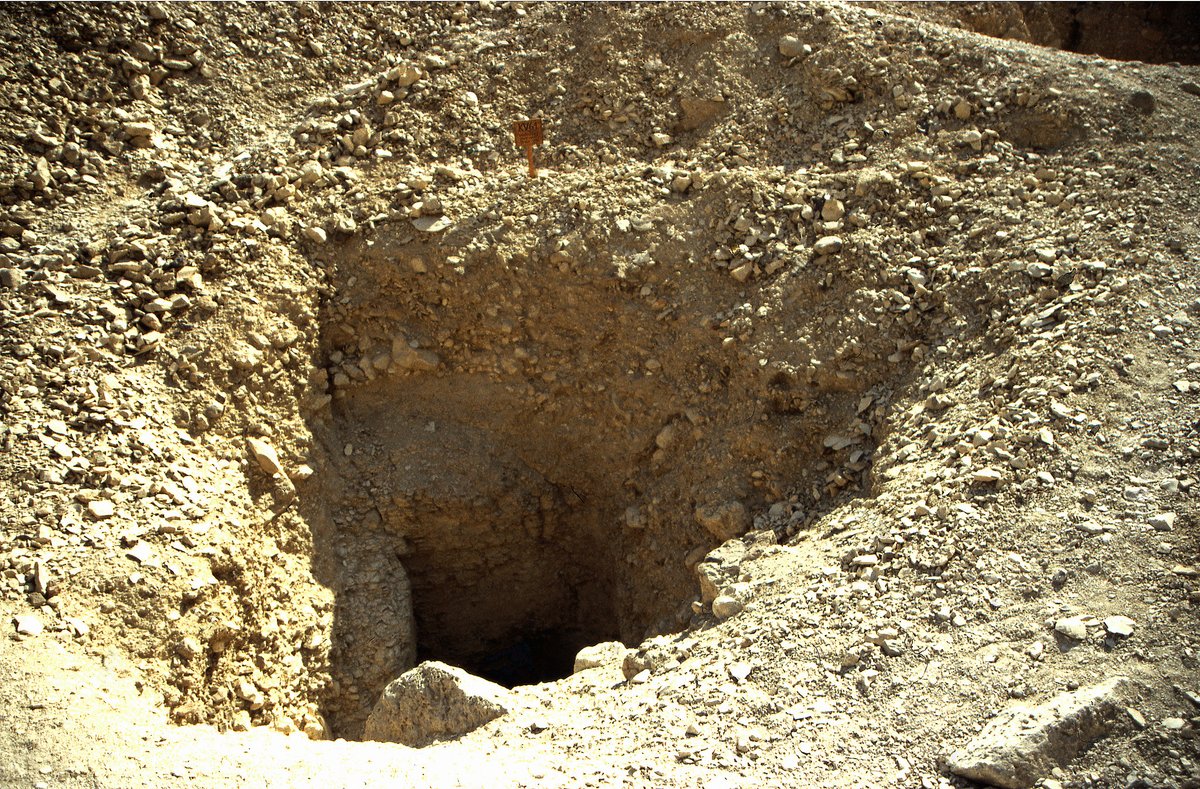
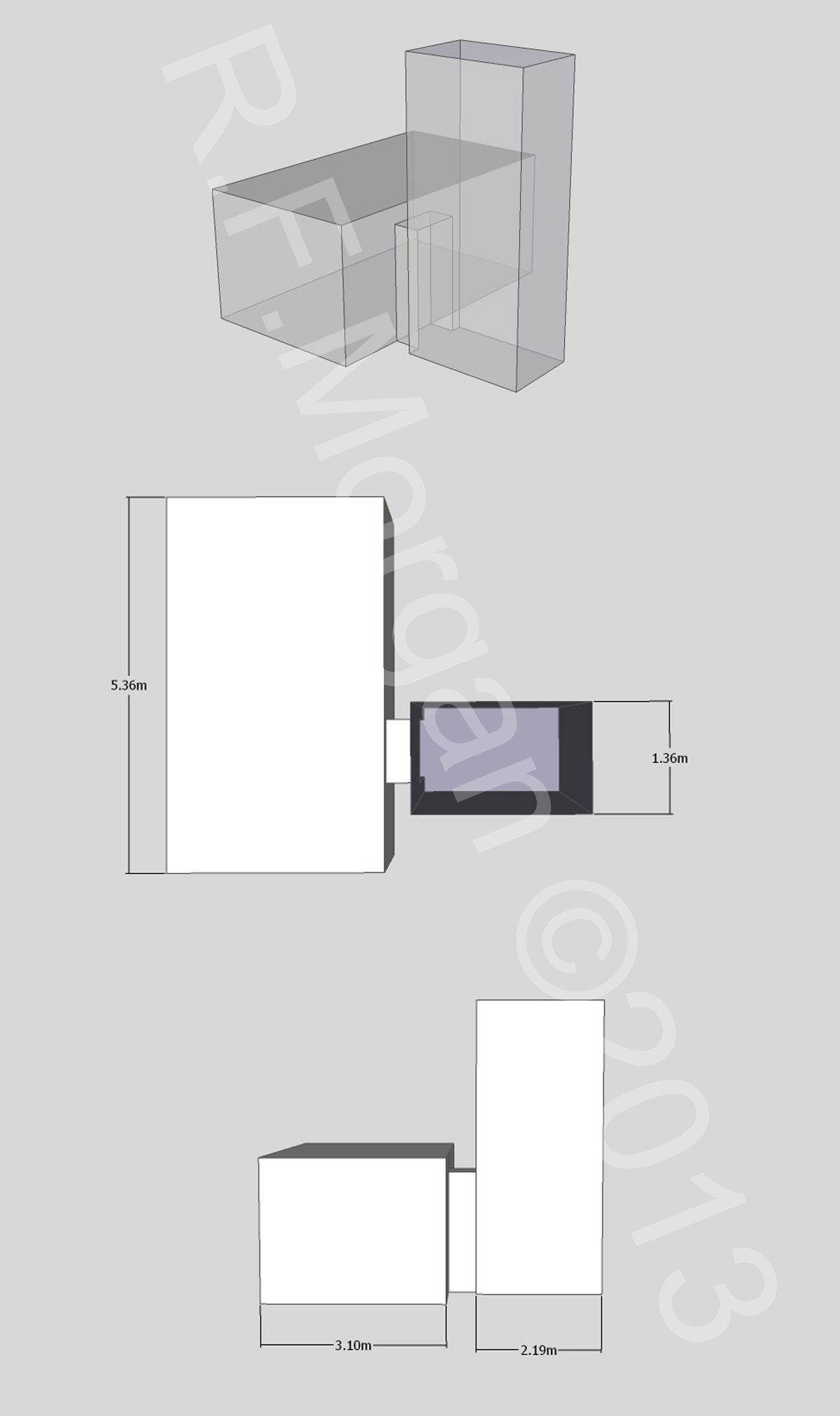
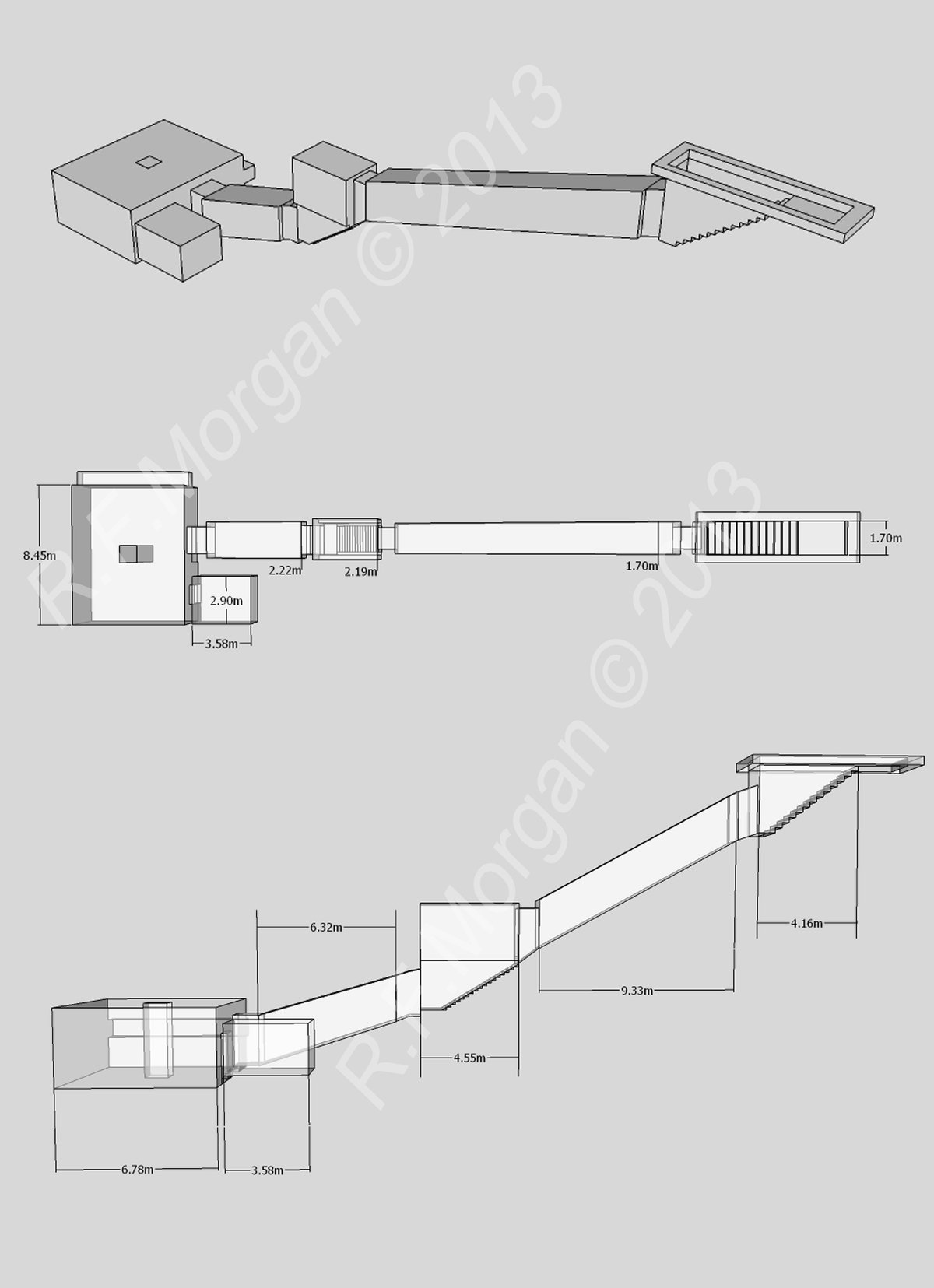
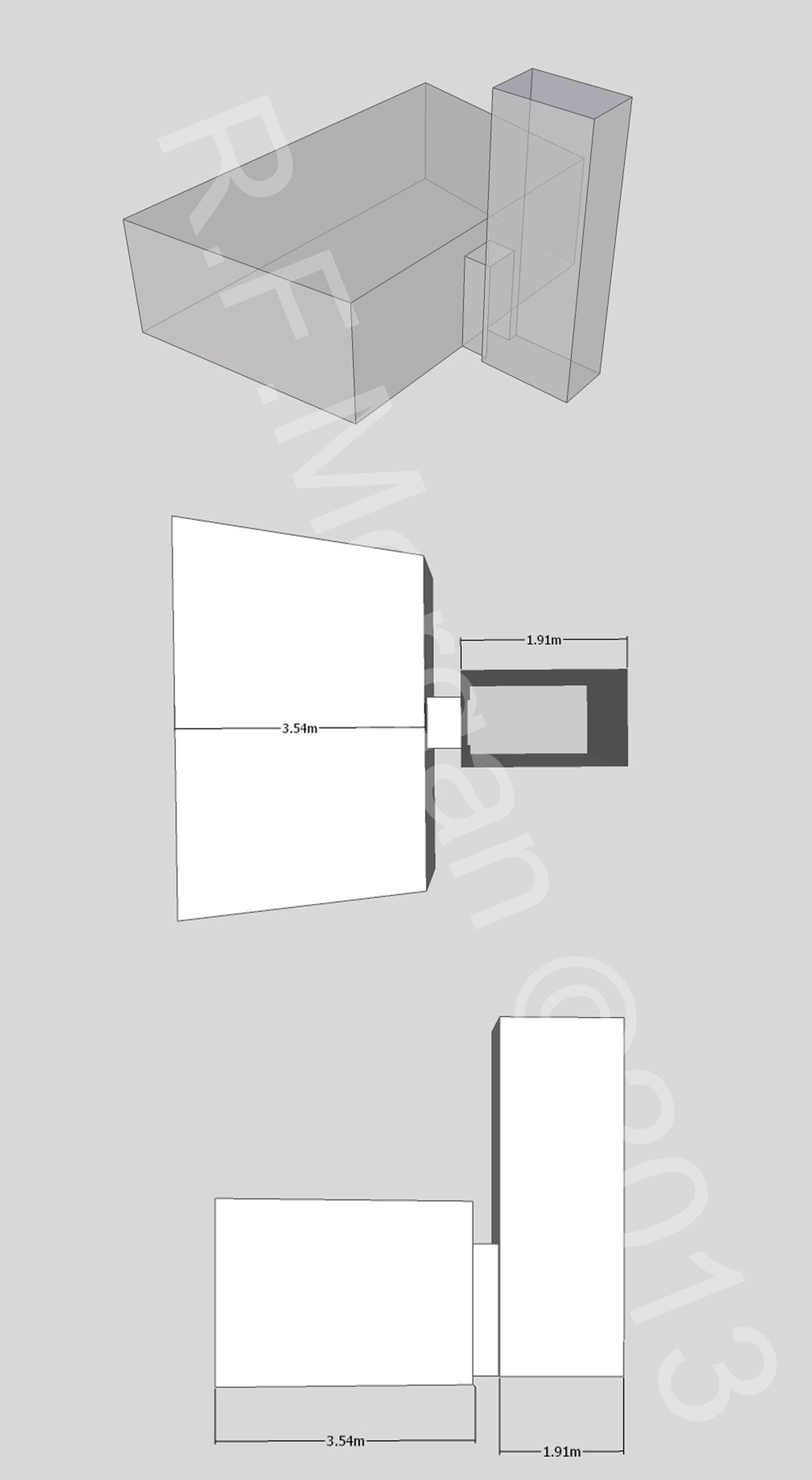
The valley contains 65 tombs and chambers, ranging in size from the simple pit that is KV54 to the complex tomb that is KV5, which alone has over 120 chambers for the sons of Ramesses II. The royal tombs were the principal burial place for the New Kingdom's major royal figures as well as a number of privileged nobles. Despite its name, the valley also contains the tombs of favorite nobles as well as the wives and children of both nobles and pharaohs. The remains of nobles and of the royal family, together with unmarked pits and embalming caches, make up the majority of the site.
The Valley of the Kings is situated over 1,000 feet of limestone and other sedimentary rock, which form the cliffs in the valley and the nearby Deir el-Bahari. The sedimentary rock was originally deposited between 35 and 56 million years ago during a time when the Mediterranean Sea sometimes extended as far south as Aswan. During the Pleistocene the valley was carved out of the plateau by steady rains. There is now little year-round rain in this part of Egypt, but there are occasional flash floods. These floods dump tons of debris into the open tombs, which can bury several tombs under metres of debris.
Sources: Wikipedia, OpenStreetMap, Wikidata, Wikimedia Commons
Written by Mutabor
Discuss this with the author and others
No comments yet. Be the first to start the conversation.