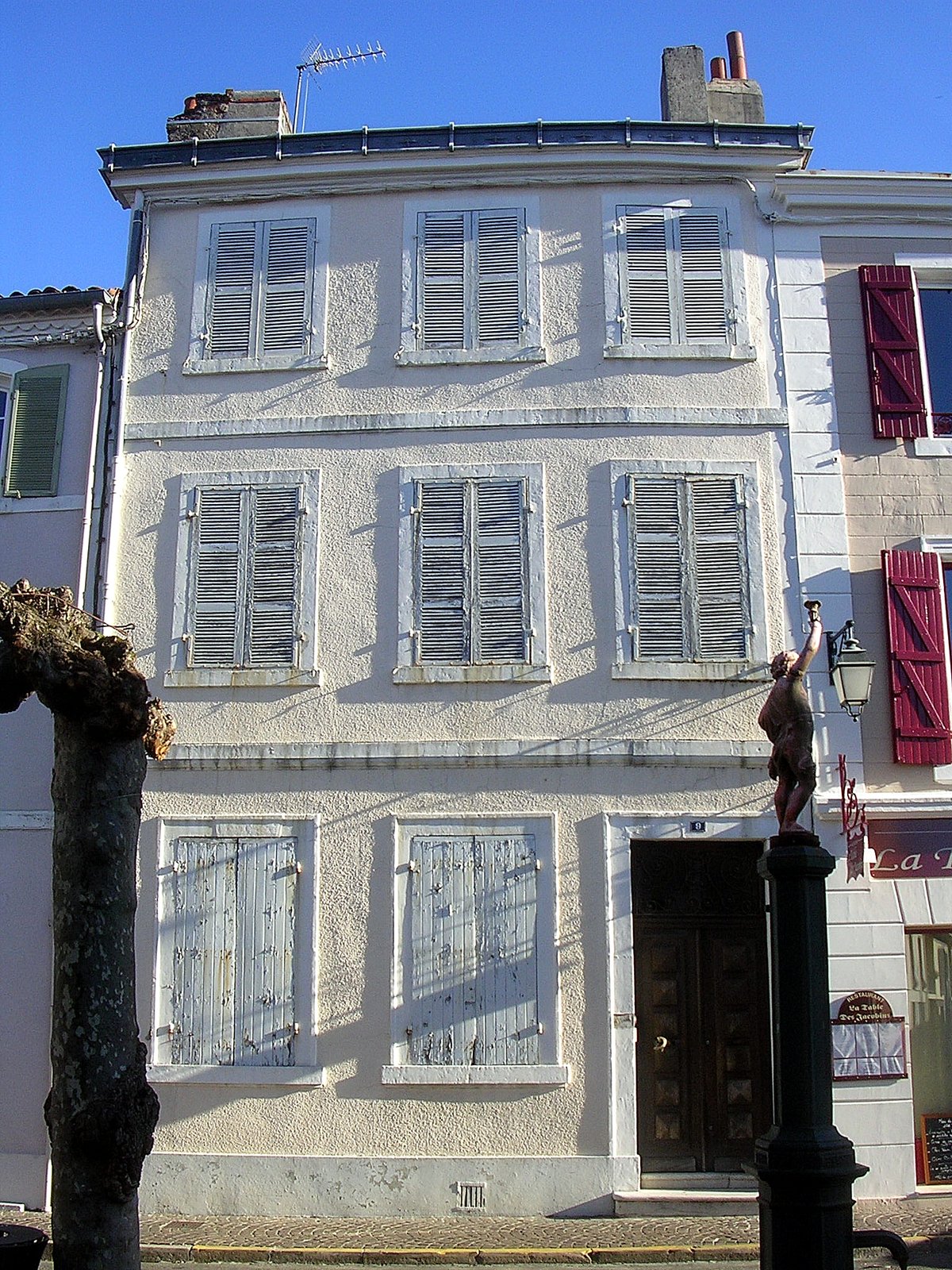
Back in 1870, a certain relic, the Roman villa Augreilh, was found in the Le Gleyzia district, neighboring the vibrant town of Saint-Sever. Dr. Sentex's ancestor, Leopold Capdeville, seized the occasion to redefine the villa at 9 Place de Verdun by adorning its flooring with these ancient mosaics. These mesmerizing tapestries wield a deadly intricate central decoration and a geometric composition, swimming in the vibrant hues typical of the Roman South in Aquitaine during the 4th century.
Yet, don't be fooled, for these delicate wonders lay concealed from public scrutiny. But fear not, for within this very villa, a gallery of Samadet pottery and a treasure trove of medical equipment can still be found. Accompanied by Christine Moitry, the current custodian of Dr. Sentex's legacy herself, guided tours are offered throughout the year. Ms. Moitry continues her crusade to preserve this ancient artifact, seeking supporters, partners, investors, or patrons. What other secrets hide in the darkness of these concealed antiquities?
Sources: Wikipedia, OpenStreetMap, Wikidata, Wikimedia Commons
Written by Nicolo Ciampini
Discuss this with the author and others
No comments yet. Be the first to start the conversation.