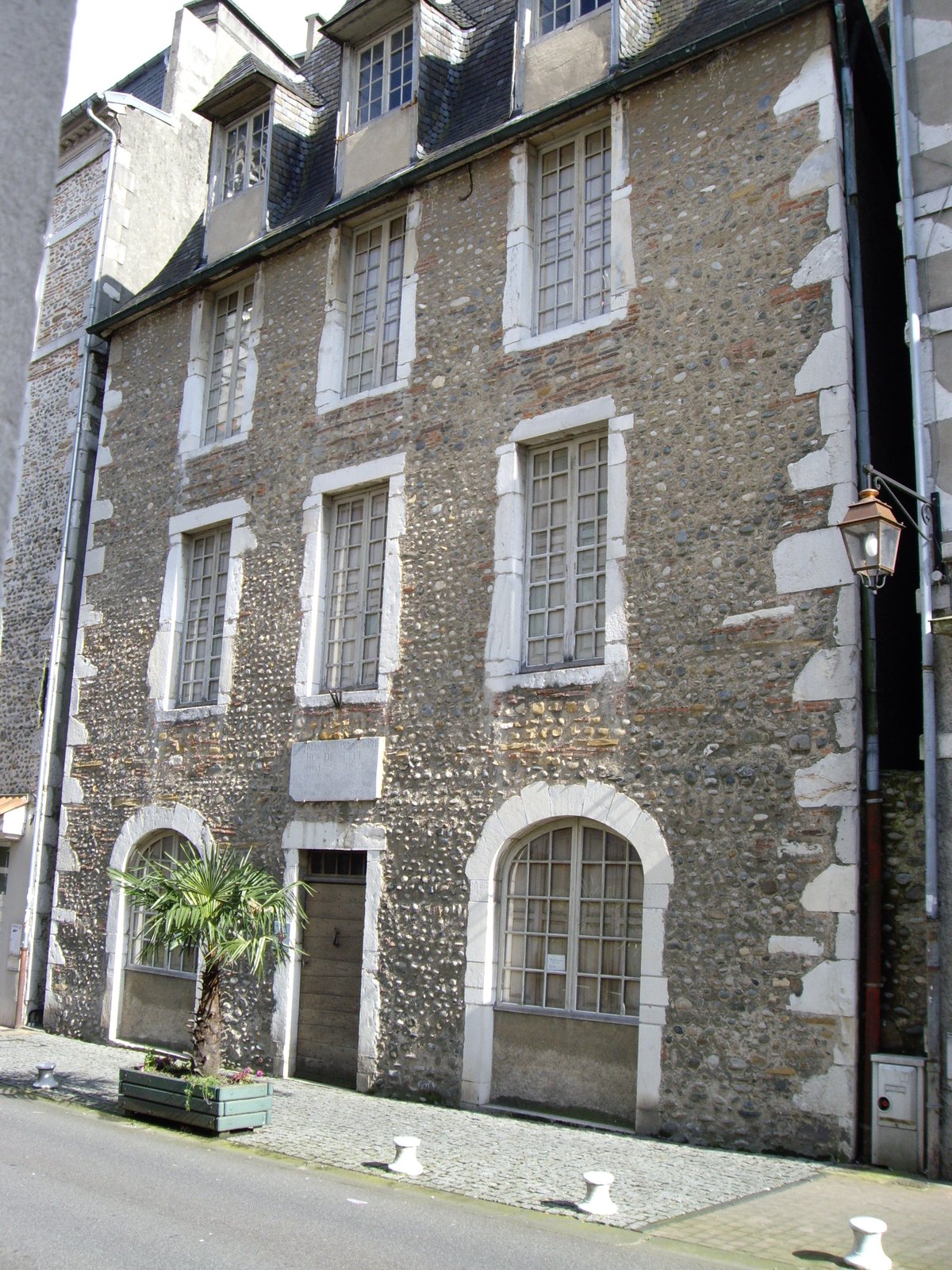

The Musée Bernadotte is located in Pau, within the Maison Balagué. This 18th-century bourgeois residence, classified as a historical monument since 1953, is built from pebbles, bricks, and dressed stone. It served as the birthplace of Jean-Baptiste Bernadotte, who rose from a soldier of the king to become a general of the Revolution, a marshal of Napoleon, and eventually the king of Sweden and Norway in 1818.
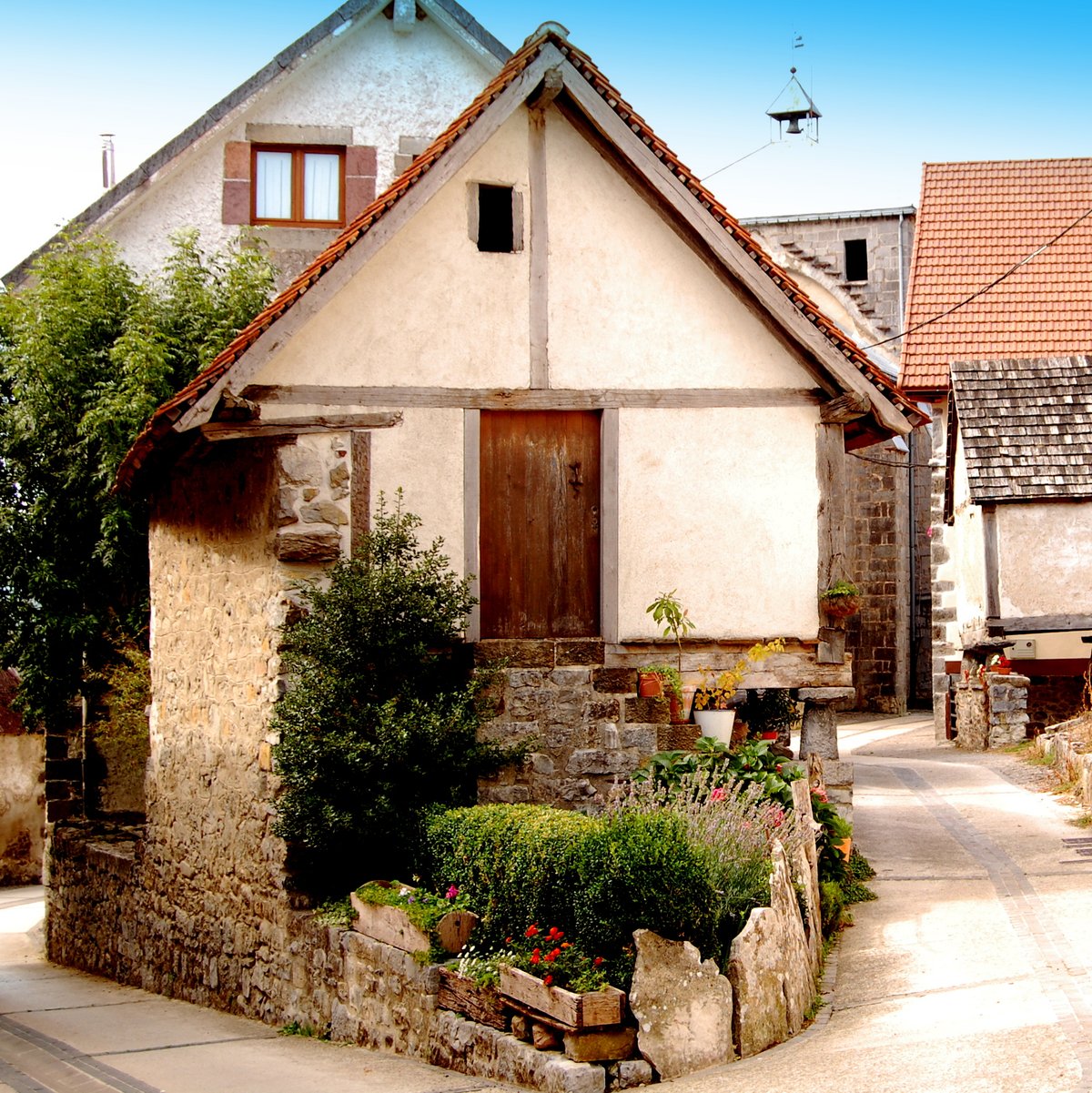
While the surrounding buildings on what is now Rue Bernadotte were modified or fell into disrepair due to age, the Maison Balagué remained intact. The interior rooms reflect the traditional lifestyle of a Béarnais family from that era. The museum was established to preserve this urban heritage and serves as a link between the history of the region and the legacy of the Bernadotte dynasty.
The collection features a wide array of objects, including paintings, miniatures, sculptures, furniture, and personal souvenirs such as sabers, spurs, and gloves. A significant item in the collection is the letter in which Napoleon authorizes Bernadotte to accept his nomination as the heir to the throne. The museum also contains extensive royal iconography, including documents and paintings of Charles XIV Jean and his successors.
The preservation of the house was a joint effort. After the house fell into poor condition in 1935, the city of Pau purchased the property and its collections. The acquisition was funded halfway by the city and halfway by the crown of Sweden. Today, the museum continues to be a site of cooperation, having hosted members of the royal family, including Carl XVI Gustaf and Queen Silvia, to celebrate the bicentenary of the Bernadotte dynasty's ascent to the throne.
Sources: Wikipedia, OpenStreetMap, Wikidata, Wikimedia Commons
Written by Nicolo Ciampini
Discuss this with the author and others
No comments yet. Be the first to start the conversation.