
Nestled in the heart of Hastingues, a commune in the department of Landes, stands the Abbaye d’Arthous. Known also as Abbaye Sainte-Marie d’Arthous, it was founded by the Premonstratensian canons in 1167. The name Arthous pulls from the medieval Gascon term 'Artós', part of a series of toponyms based on the root 'arte', meaning 'green oak'. The name relates to the green oak, a dominant element of the local landscape in the 12th century.
Established near the Basque country, the abbey occupied a strategic location between the territories controlled by the lords of Navarre, Béarn, and Aquitaine. The exterior presents a late Romanesque style with a single nave. The church has a tripartite chevet with a great unity in the motifs that decorate it: geometric forms or vegetal entrelacs, pinecones, and crude figures with round faces and globe-like eyes.
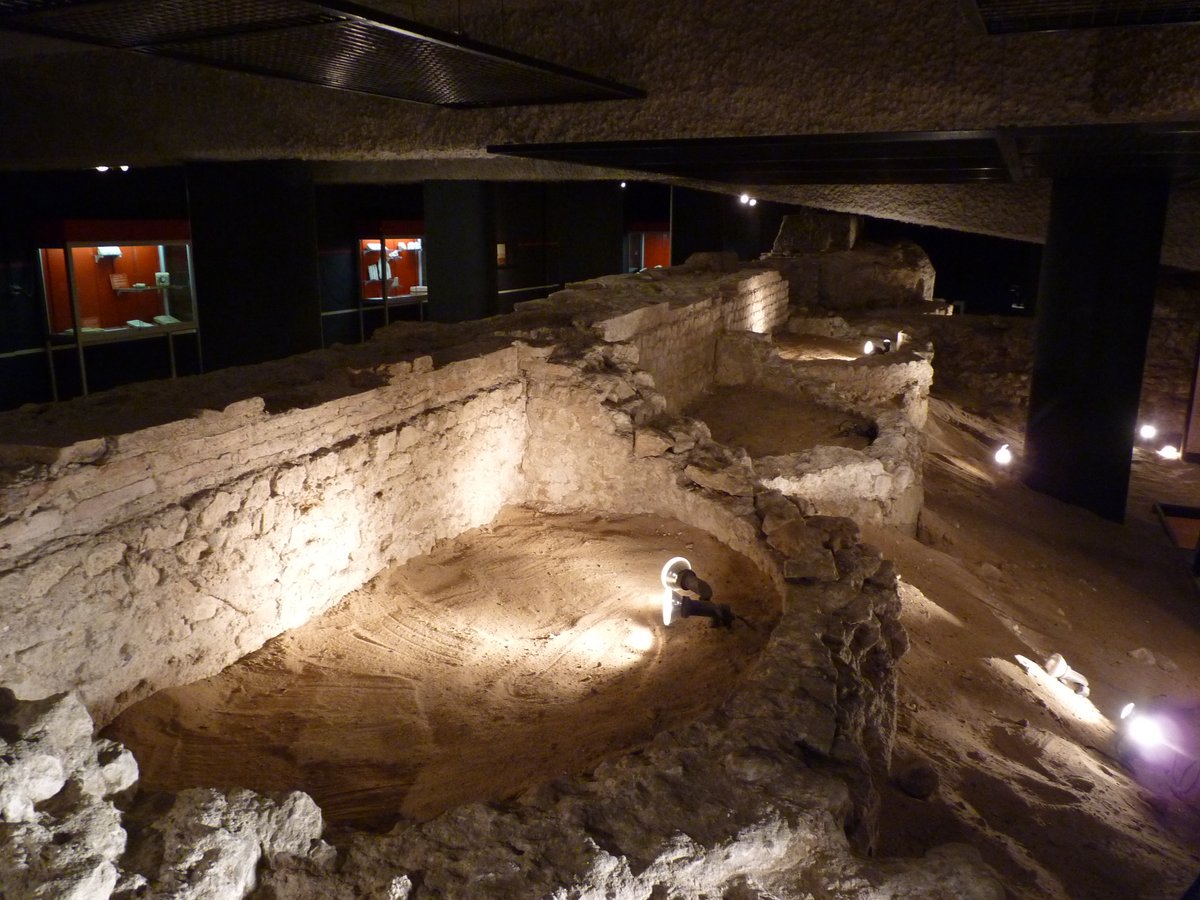
The history of the abbey is documented by numerous authors, including accounts of its capture in 1523 during the Wars of Religion. In 1890, the first true monograph on the monastery was published, describing the building's dilapidated state. Today, the site serves as the departmental site of the Abbaye d’Arthous and the Departmental Center for Heritage, housing a museum of history and archaeology.
Sources: Wikipedia, OpenStreetMap, Wikidata, Wikimedia Commons
Written by Nicolo Ciampini
Discuss this with the author and others
No comments yet. Be the first to start the conversation.