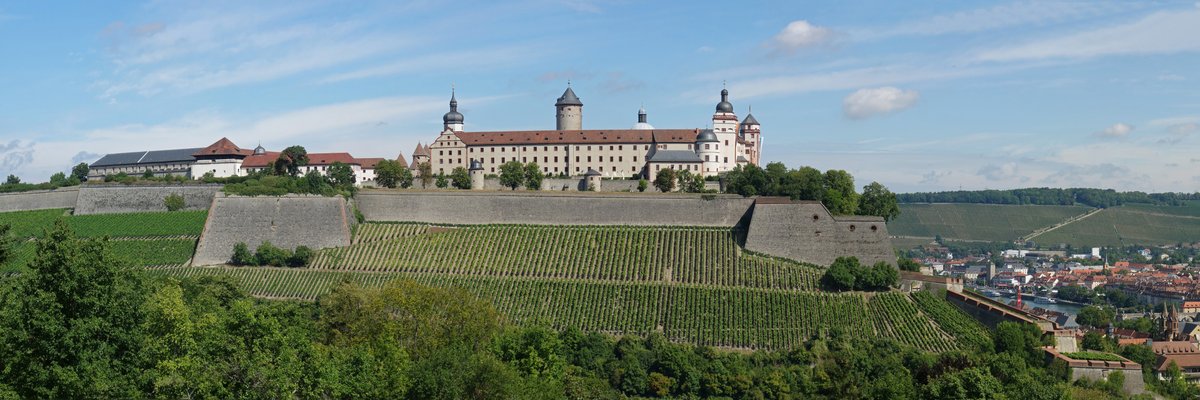
The Marienberg climbs 100 metres above the Main river. Walking these slopes reveals paths from 1000 BC, where Urnfield people raised a Celtic refuge. By 500 BC, this height anchored a wine trade reaching back toward Ancient Greece. It served as a strategic vantage, perhaps a Fürstensitz during those distant centuries.
Ownership shifted through the ages. From 100 AD, the tribes of Suevi, Marcomanni, Allemanni, and Burgundians moved through the land. The Franks seized control in the 6th century, and by the 7th century, records noted a fortification called Uburzi. In the early 8th century, Duke Hedan II erected a chapel and ramparts upon a pagan site once sacred to a mother goddess.
In the 13th century, the Prince-Bishops of Würzburg found a permanent home here. Hermann von Lobdeburg moved his court in 1253, bringing soldiers to manage the town below. Water remained scarce as connections to Höchberg failed to satisfy. After 1308, Andreas von Gundelfingen enlarged the palas, while townspeople built defenses to repay their lord after a riot.
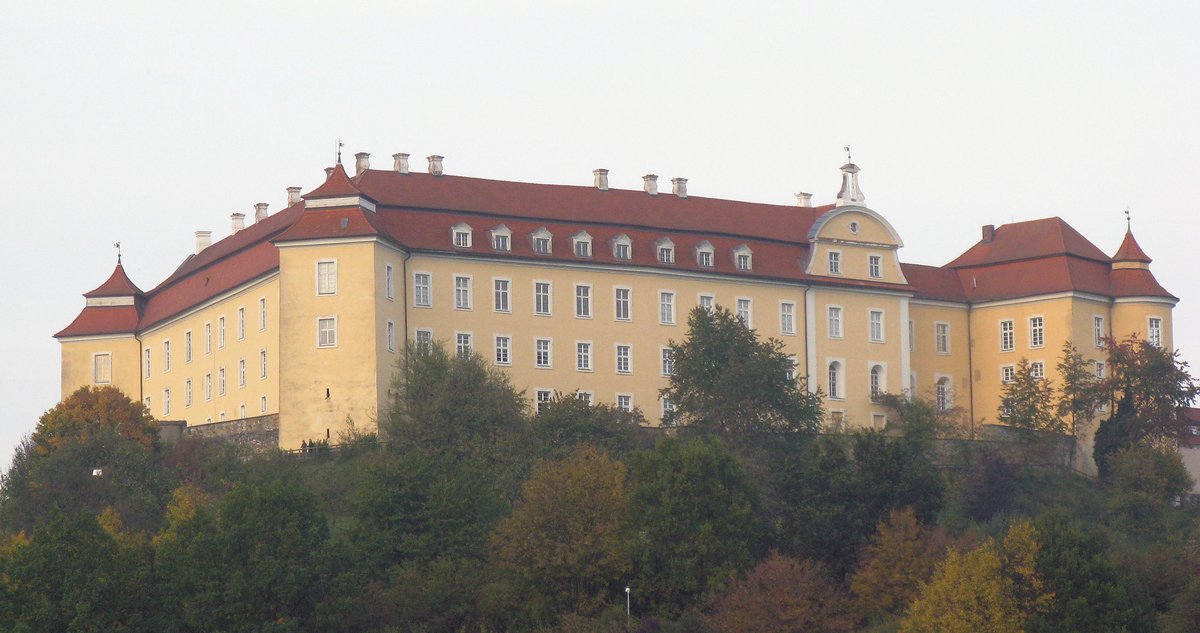
The 1631 conquest by Gustavus Adolphus of Sweden during the Thirty Years' War altered the architectural fate of the fortress. It transformed into a Baroque residence, swapping medieval grit for the ornate styles of the 17th and 18th centuries. This seat of power lasted nearly five centuries until modern violence arrived. In March 1945, British bombs left the structure a scarred shell.
Now, the fortress stands as a reconstructed monument to endurance. Rebuilt in 1990, it preserves Baroque silhouettes while hosting two museums. Guests witness the harvest of old trade routes in the vineyards, overlooking a landscape with history stretching back to 1000 BC.
Sources: Wikipedia, OpenStreetMap, Wikidata, Wikimedia Commons
Written by Aurora
Discuss this with the author and others
No comments yet. Be the first to start the conversation.