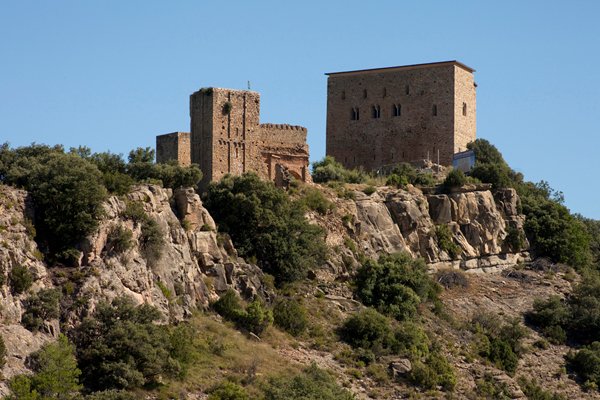

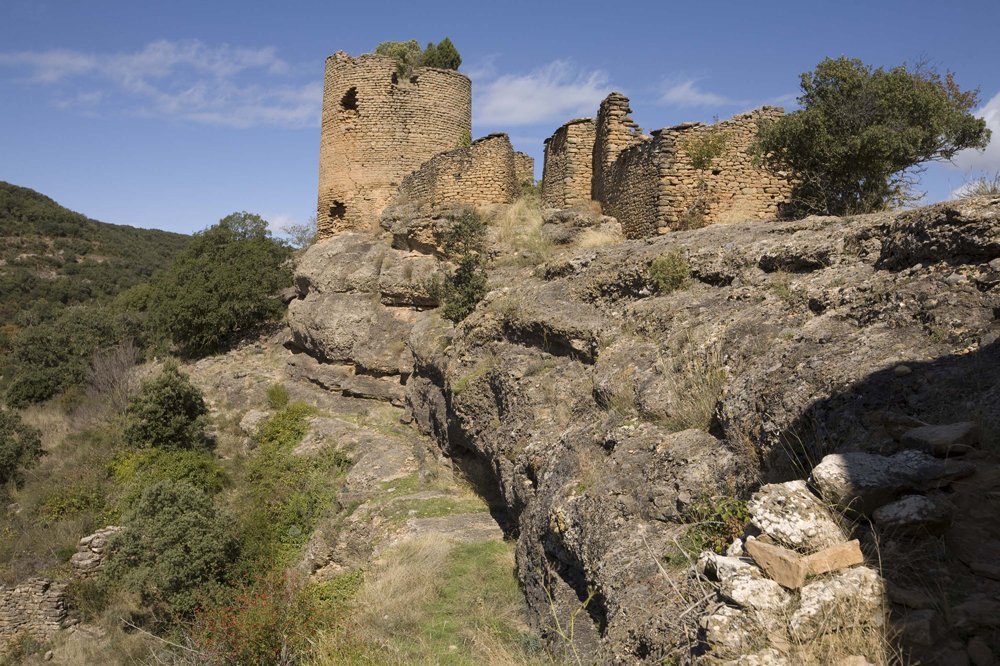
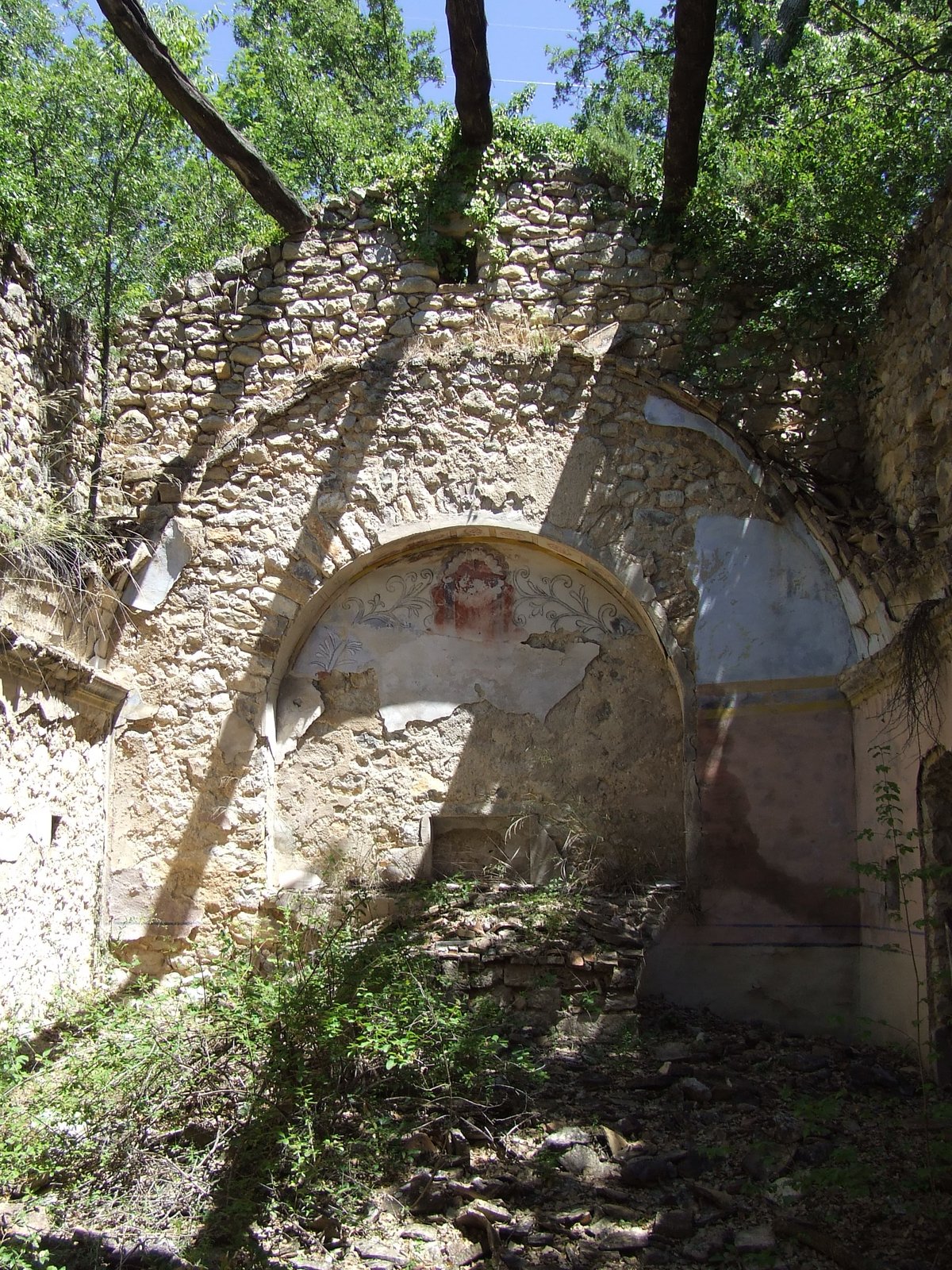
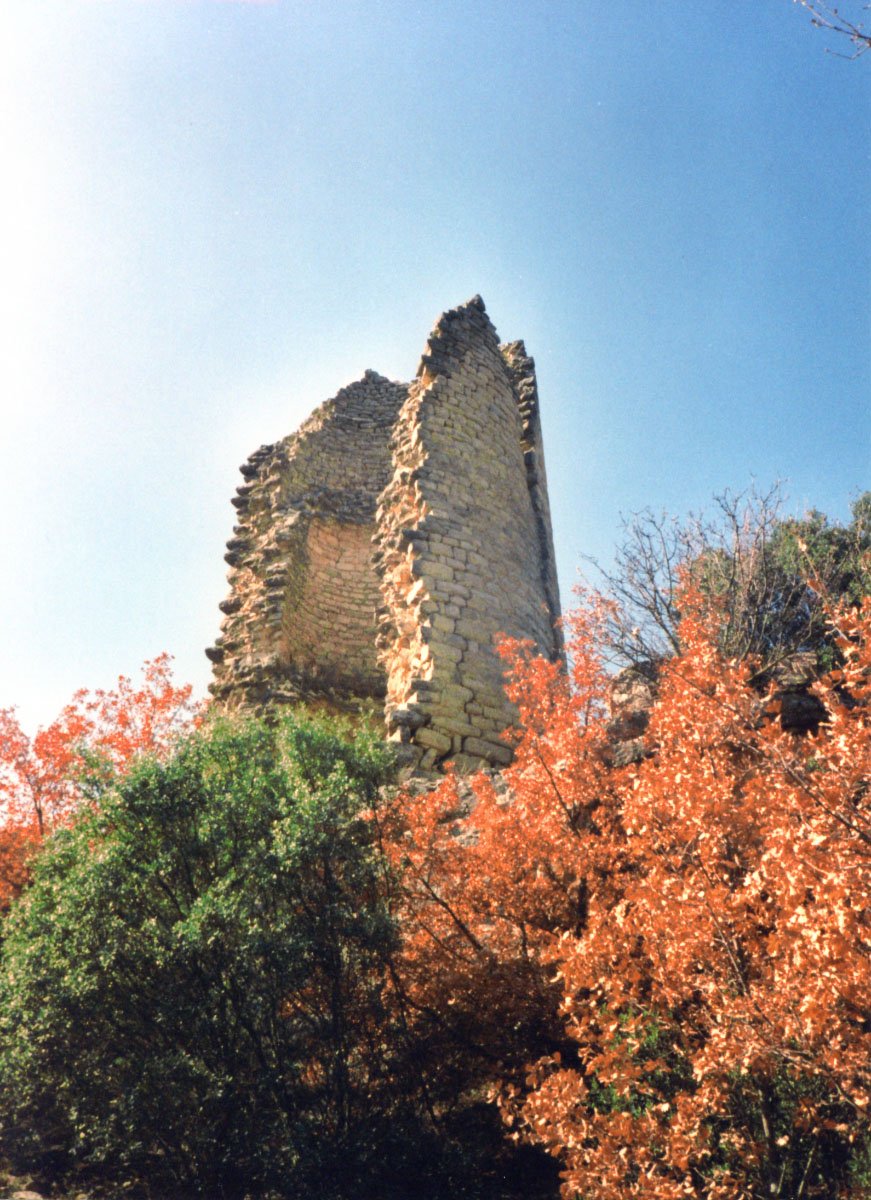
For ages, Castell de Llordà was a pile of rubble obscured by a pine forest. It sat as a permanent landmark on the hills, yet the woods made it difficult to visit or study. It remained a silent, decaying skeleton for two hundred years after being abandoned in the 19th century.
Over the last twenty years, the site underwent a massive excavation and cleaning process. Built by Arnau Mir de Tost, the right-hand man of Urgell, the castle was designed to house both a large garrison and a civil population with its own livestock.
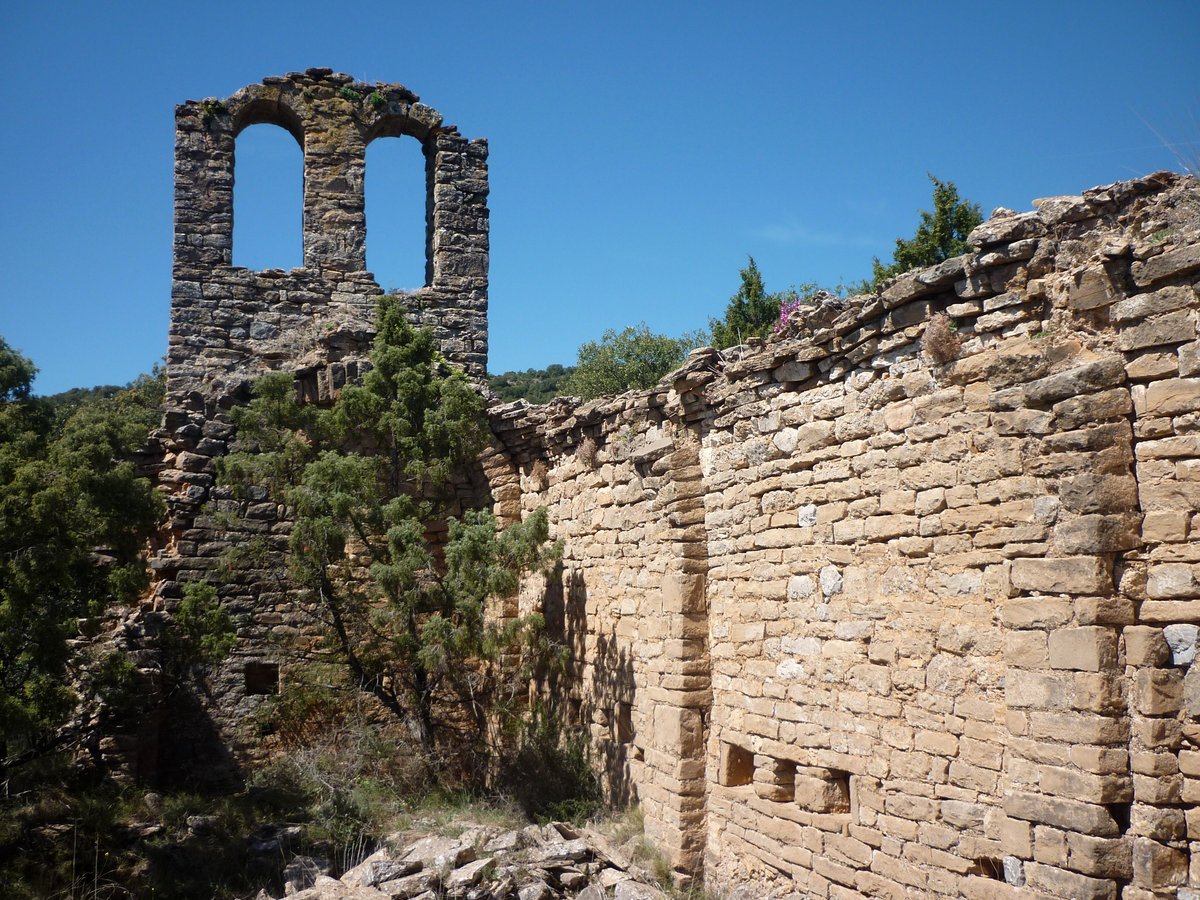
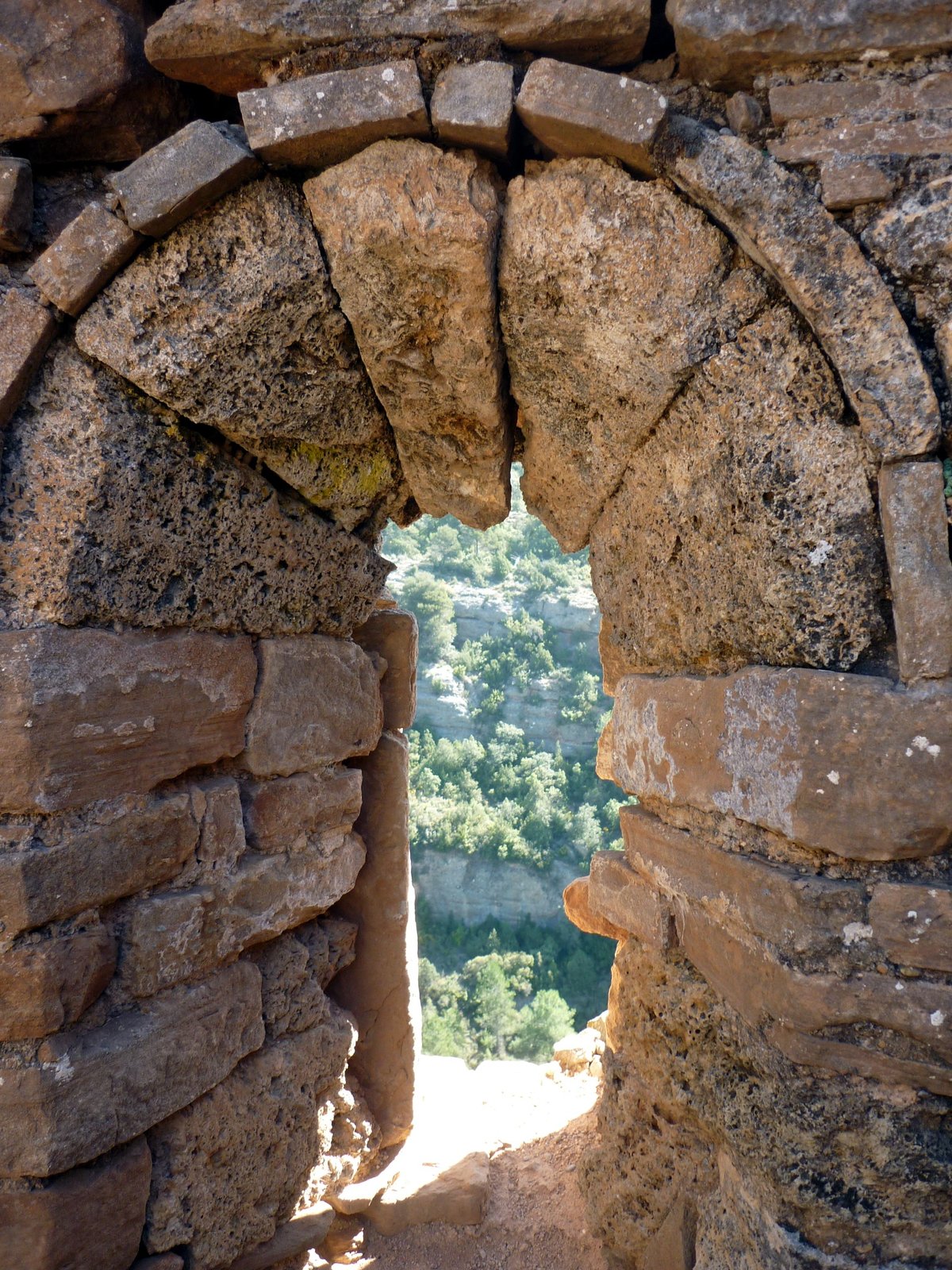
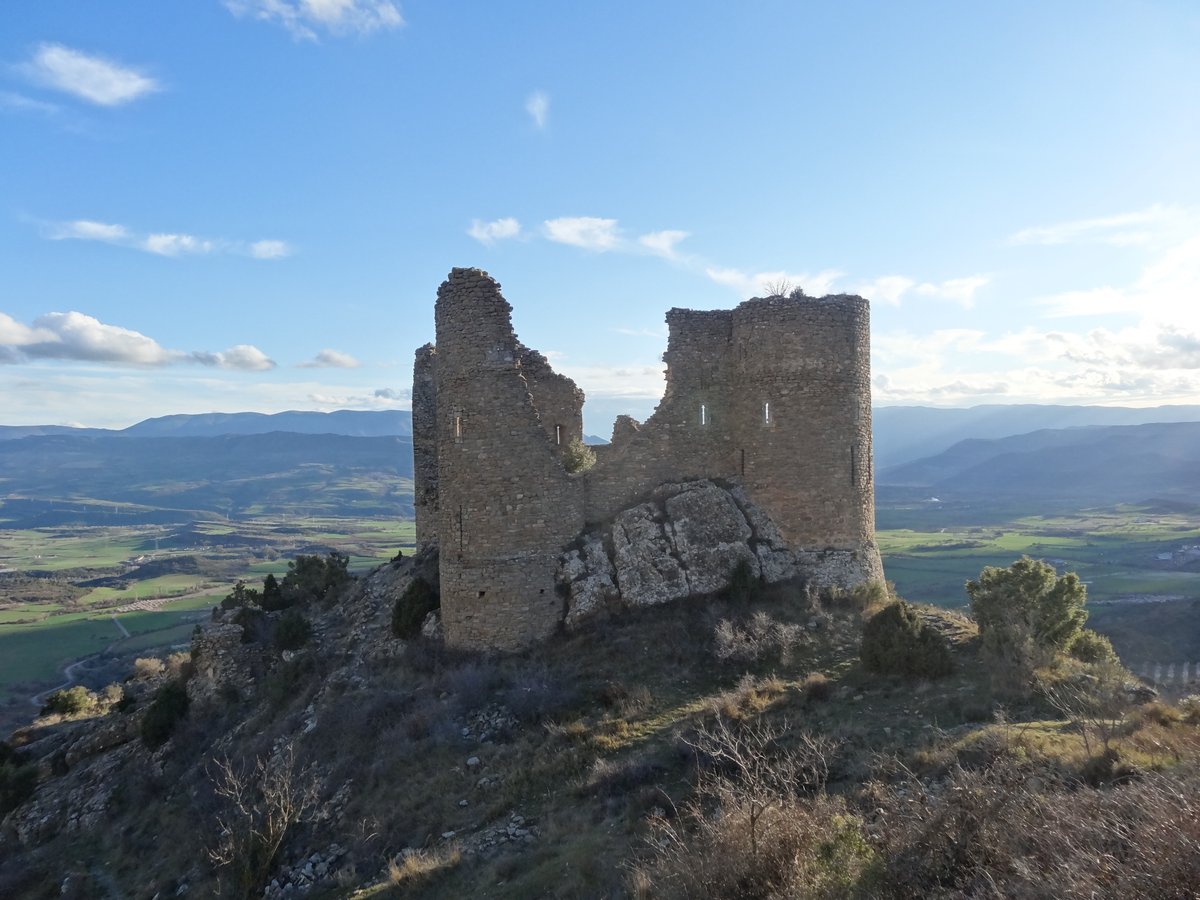
The layout consists of three successive enclosures, with the grandest part sitting at the very top. This section follows the triangular shape of the natural ridge and is only accessible from the western side. The masonry dates to the late 11th century and features opus spicatum in the interior parts of some walls.
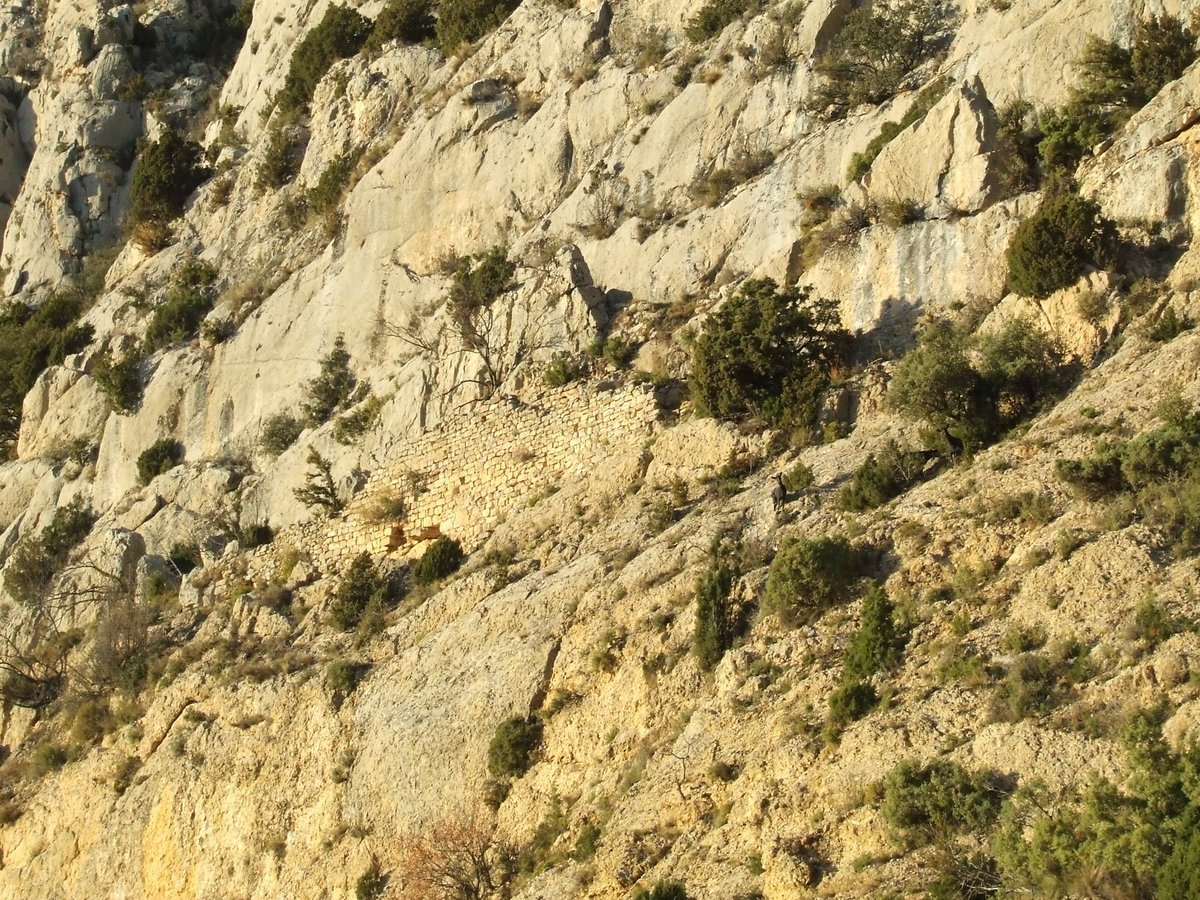
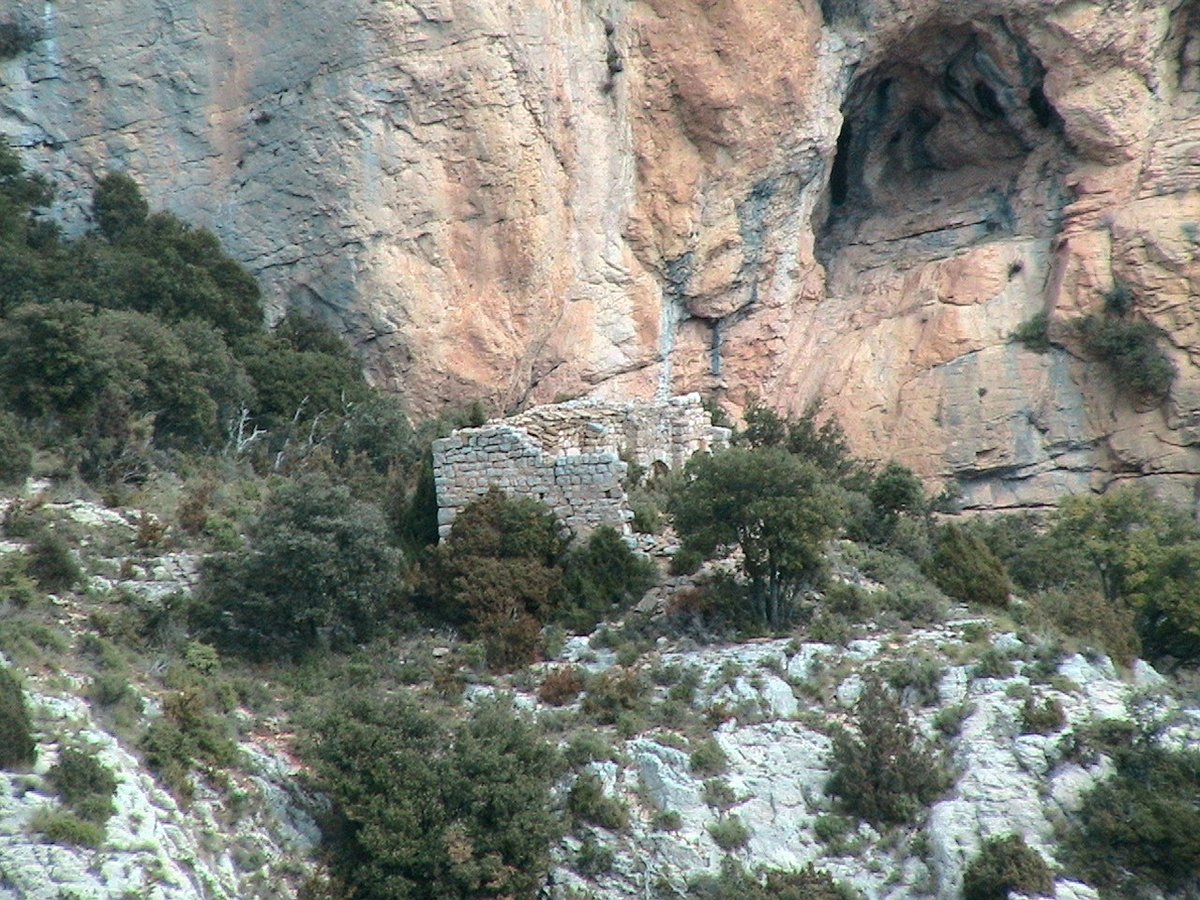
While the exterior defenses are characterized by steep cliffs on the east and west, the southern side links the castle to the town of Llordà. Today, the complex stands as a declared cultural asset of national interest, making visible the scale of its historic residential and military functions.
Sources: Wikipedia, OpenStreetMap, Wikidata, Wikimedia Commons
Written by Nicolo Ciampini
Discuss this with the author and others
No comments yet. Be the first to start the conversation.