
The megalithic tomb of Los Zumacales, situated 1700 meters northeast of Simancas, is a remarkable architectural relic dating to the Neolithic era, around 5500 BCE (approximately). Upon a visit, you'll encounter a unique testament to late 4th-millennium-BC funerary practices in the province of Valladolid.
The tomb consists of a central chamber, a passage or corridor, and a mound that envelops and monumentalizes the internal structure. The chamber is circular, with a diameter of 5.20 meters, and contains a petrified zocalo of approximately 20 blocks of calcite, only 11 of which are conserved in situ.
Inside the internal enclosure of the chamber, archaeological excavations have revealed remains of 22 individuals, both young and adults. Various funerary objects, including aguadas of paint, polished bone pendants, and San Martín-El Miradero type idols-spatulas made of sheep bones, were also discovered.
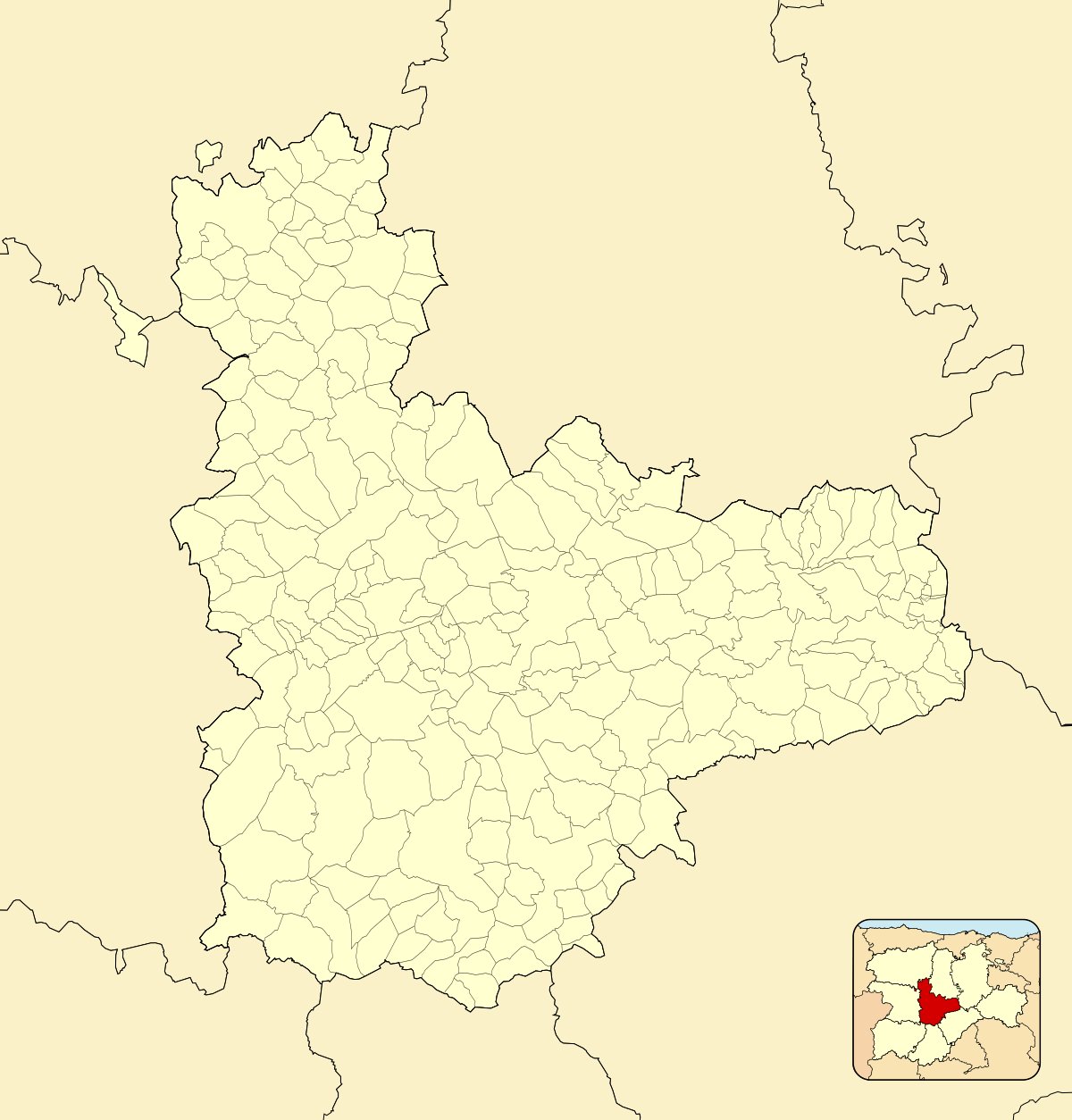
As you explore the tomb, take in the panoramic view of the confluence of the rivers Duero and Pisuerga, with Los Zumacales situated at 740 meters of altitude, 60 meters above the immediate valley. The site was included in the Hispania Nostra Red List in 2016 due to its deterioration, and was declared a cultural heritage site on February 11, 2021.
Sources: Wikipedia, OpenStreetMap, Wikidata, Wikimedia Commons
Written by Nicolo Ciampini
Discuss this with the author and others
No comments yet. Be the first to start the conversation.