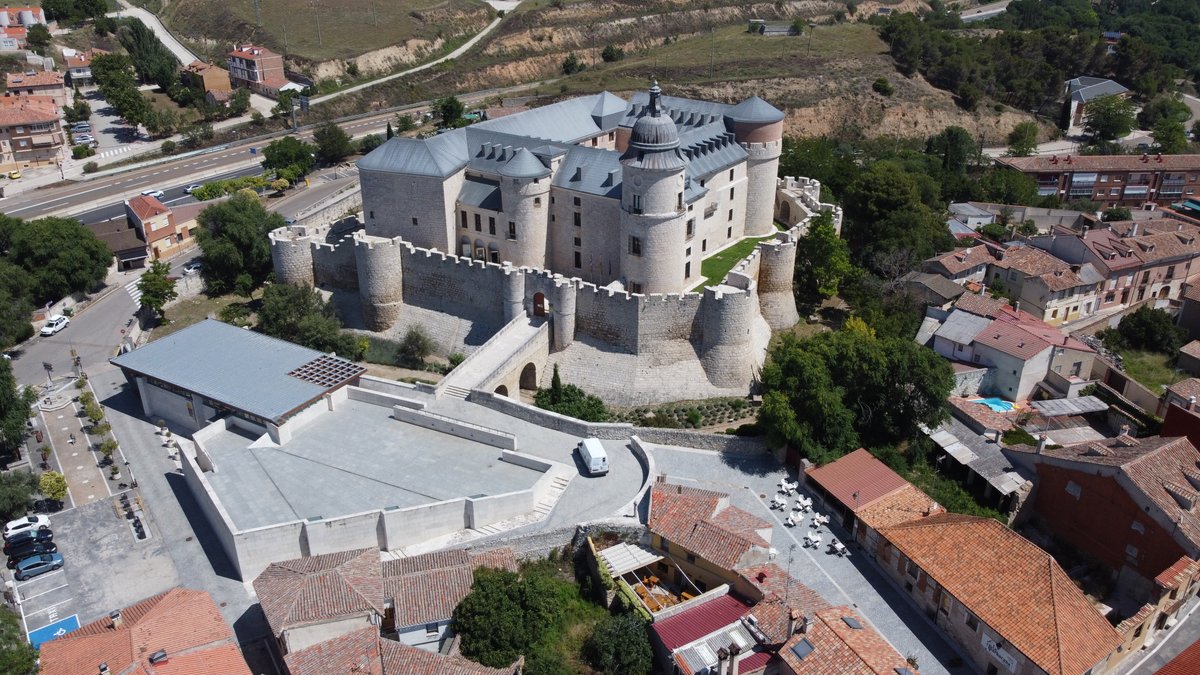

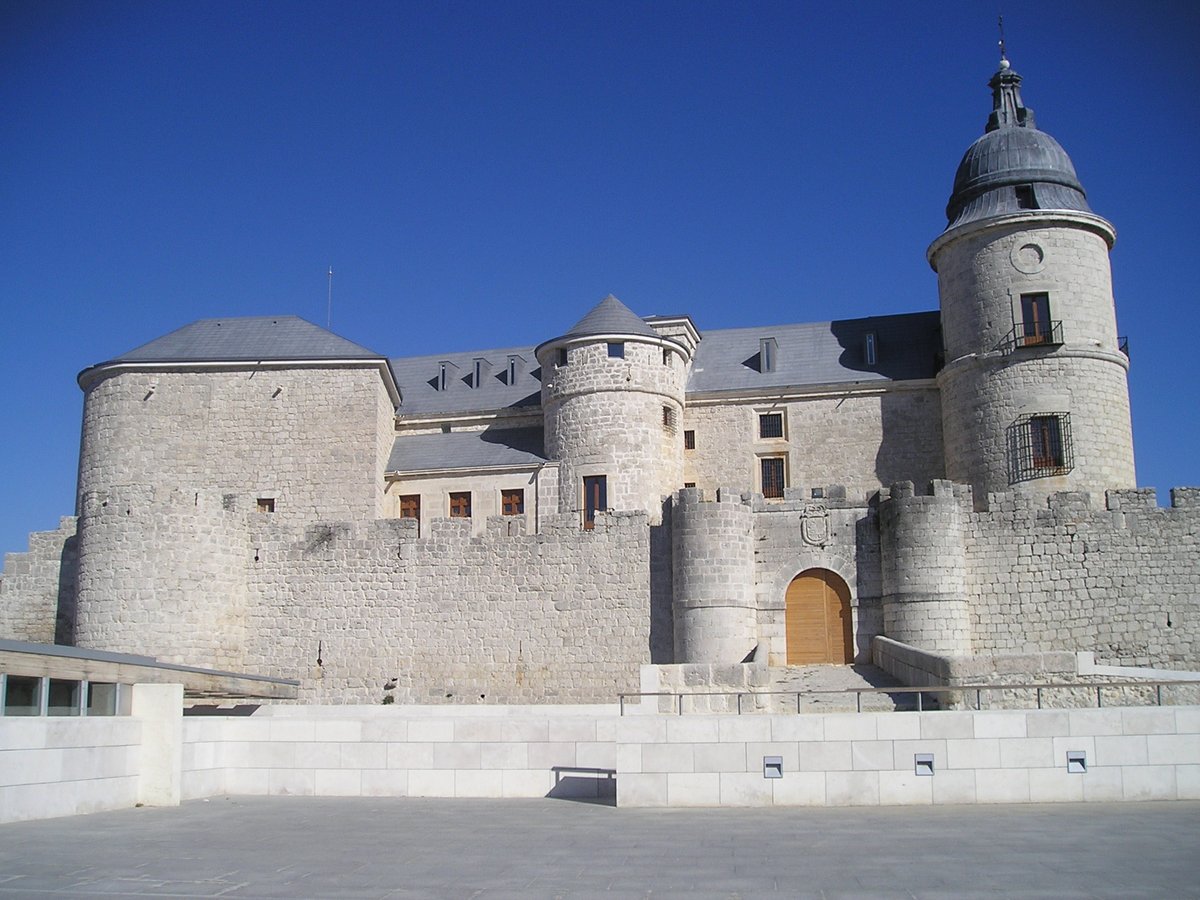
Charles I founded the Archivo General de Simancas in 1540, establishing it as the first official archive of the Crown of Castile. From the beginning, the idea was that the archive should be placed in a fortress to ensure the safety of the documents produced by the state. This was a significant delay for a central repository, as a similar service for the Crown of Aragon had been organized nearly two centuries earlier.
The archive was placed in the town of Simancas, located about 10 km from Valladolid, because the site was well-fortified and easily defended. From the time of the Catholic Monarchs in 1475 until the arrival of the liberal regime in 1834, the archive kept the records produced by the governing bodies of the Crown of Castile and the later Hispanic Monarchy. The institution's history followed that of the monarchy, with periods of strength and weakness reflected in the regularity of document arrivals and the availability of resources.
Today, the Archivo General de Simancas is a cultural institution funded by the Ministry of Culture of Spain, serving as a museum and a research centre for the conservation and cataloging of its holdings. The archive contains records arranged in almost thirty sections. Its importance in the preservation and custody of documents was recognized internationally in 2017, when UNESCO inscribed it on the Memory of the World Register.
Sources: Wikipedia, OpenStreetMap, Wikidata, Wikimedia Commons
Written by Nicolo Ciampini
Discuss this with the author and others
No comments yet. Be the first to start the conversation.