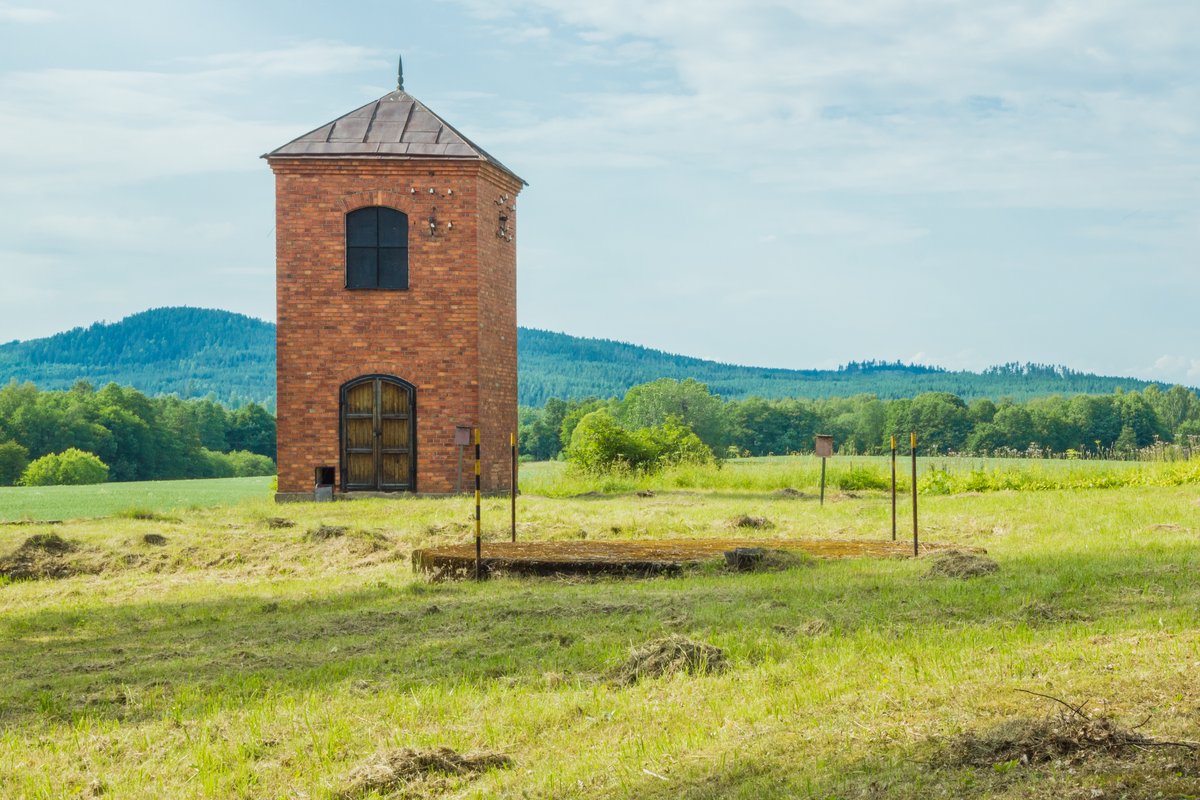

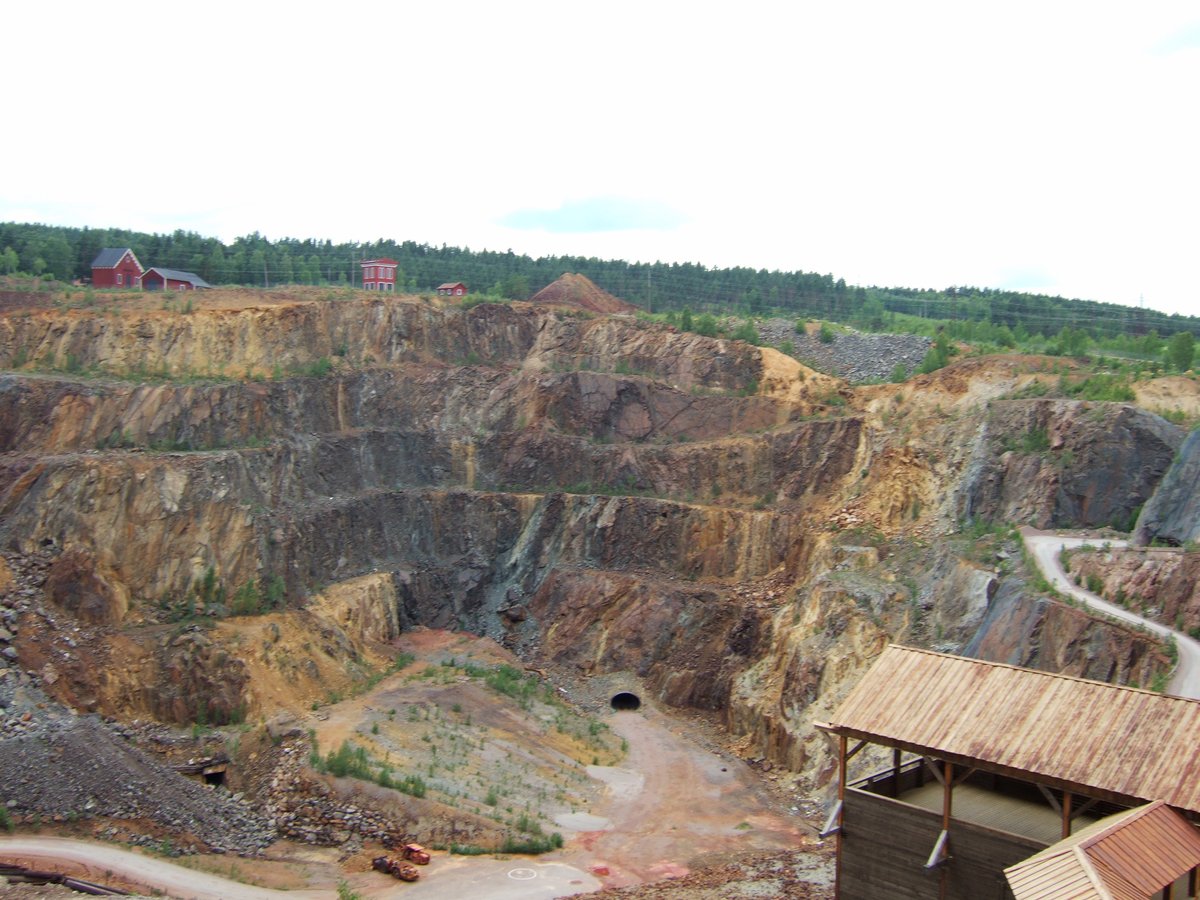
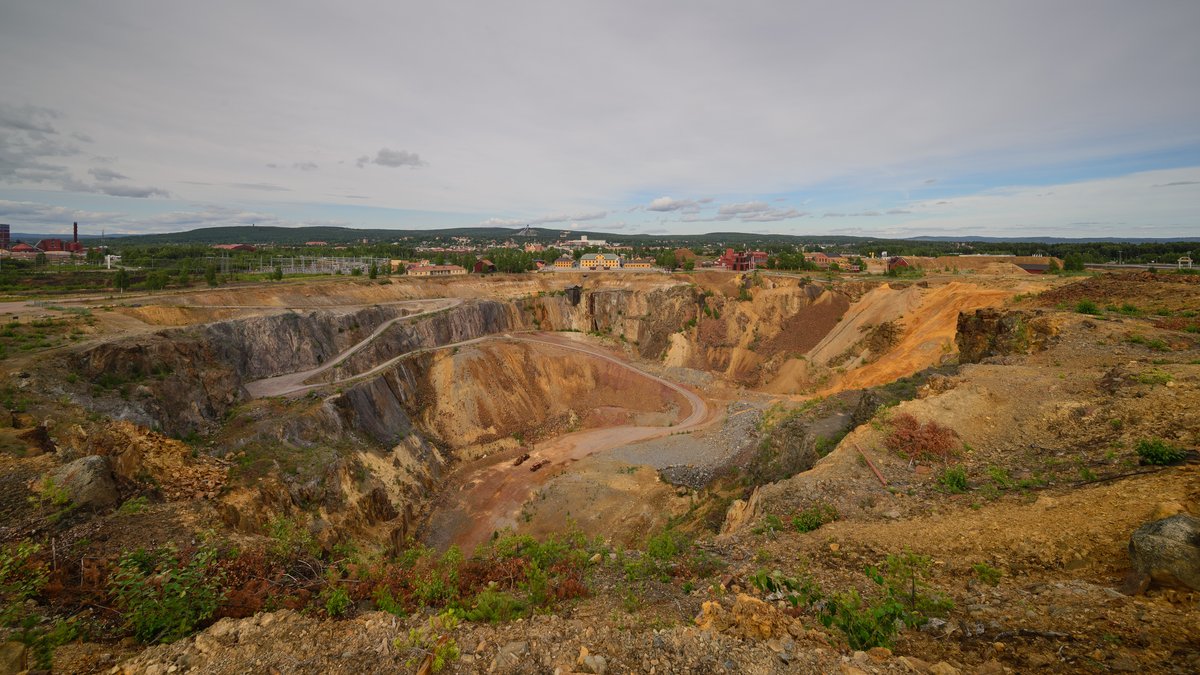
Steeped in history and now transformed into an ecomuseum, the Rällingsberg mining area in Hedemora Municipality, Sweden, offers a fascinating glimpse into the country's industrial past. The area, located outside the community of Långshyttan, consists of four defunct iron mines that now form part of the Husbyringen nature and culture trail.
Discovered in 1841 by farmworker Clas Westerholm, the mining field was identified via a widespread magnetic field east of Lake Rällingen. After registering his claim, Westerholm became a half-owner of the prospect with the owner of Kloster's Mill. By 1892, Rällingsbergs gruvaktiebolag was formed as a daughter company. The ore, rich in manganese, was used to produce bessemer iron at the blast furnace in Långshyttan, significantly reducing production costs for the company at Kloster.
The mines received electric power in 1918 and remained operational until 1932. Today, several industrial structures remain at the site, including a former dynamite house, mining house, machine shop, sorting house, and electric transformer substation. Husbyringen, opened in 1970 by the Husbyrgen Foundation, serves as Sweden's first ecomuseum, featuring 30 attractions related to the Rällingsberg mining area, Kloster ironworks, and Långshyttan ironworks.
Sources: Wikipedia, OpenStreetMap, Wikidata, Wikimedia Commons
Written by Nik Frost
Discuss this with the author and others
No comments yet. Be the first to start the conversation.