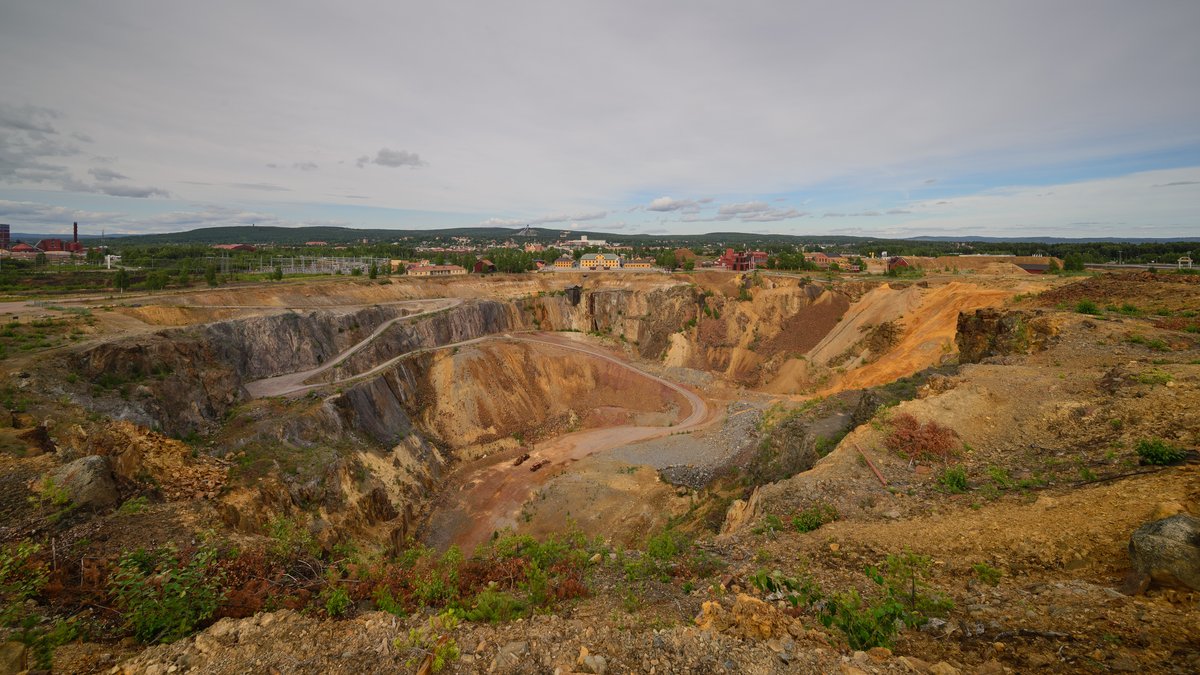

The Privy Council of Sweden referred to the mine as the nation's treasury and stronghold. Beginning in the 10th century and continuing until 1992, the mine yielded the copper required to finance national expansion and various wars during the great power era. Production reached a peak of over 3,000 tonnes annually by 1650. It is worth examining how such a significant output shaped the region.
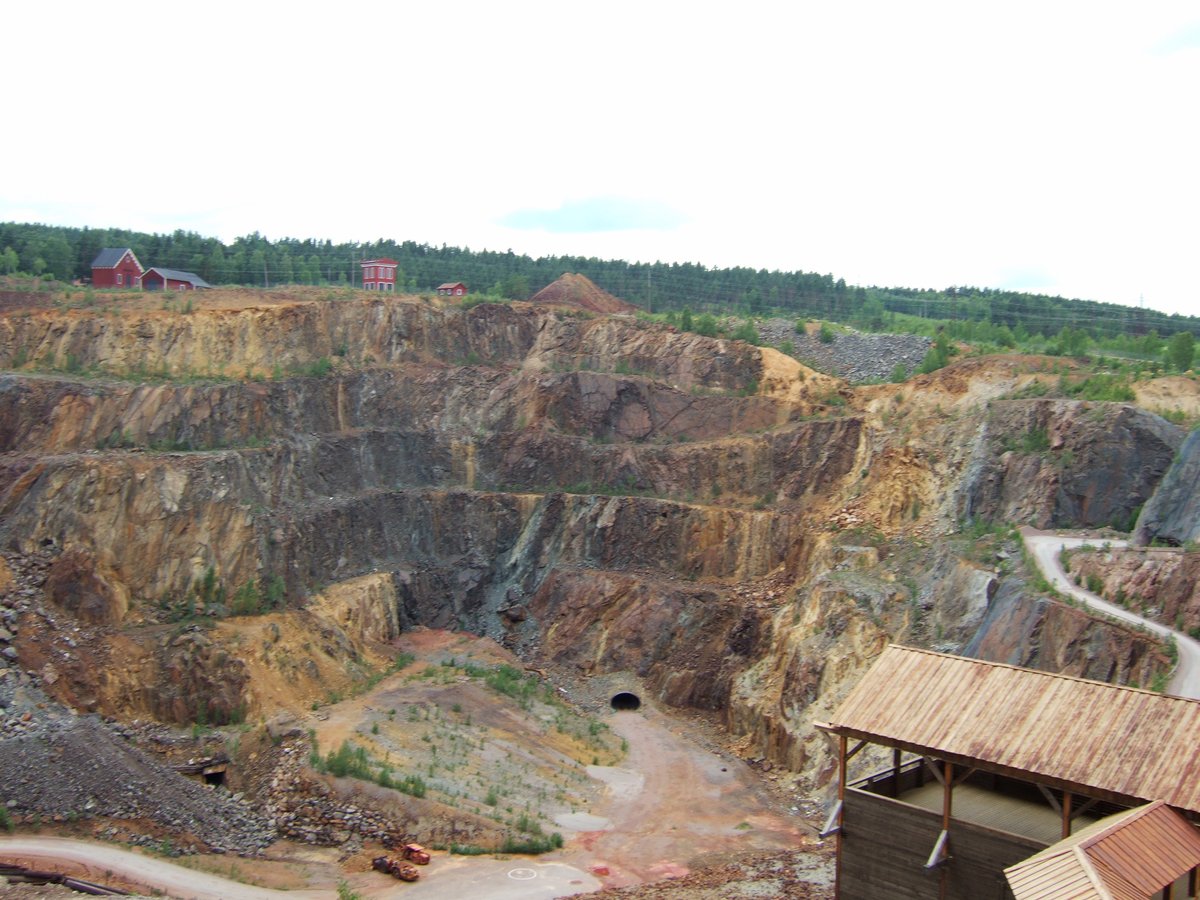
Operations relied on a method known as fire-setting. Workers ignited large fires to heat the rock until it became brittle enough for sledgehammers and wedges to break it apart. This cycle of roasting and smelting persisted for seven centuries until the late 19th century. This constant burning of ore produced a thick, poisonous smoke that would be a distinguishing feature of the Falun area for centuries, inviting us to consider the human cost of such industrial progress.
The organizational structure reveals a surprisingly sophisticated system. Under a 1347 charter, free miners held shares in the operation based on their smelter ownership. This early joint-stock model provided a foundation for modern corporations. While newcomers faced the grueling heat and the repetitive task of hauling broken ore in barrows across distances of 20 metres, the complexity of their collective ownership remains a compelling subject for study.
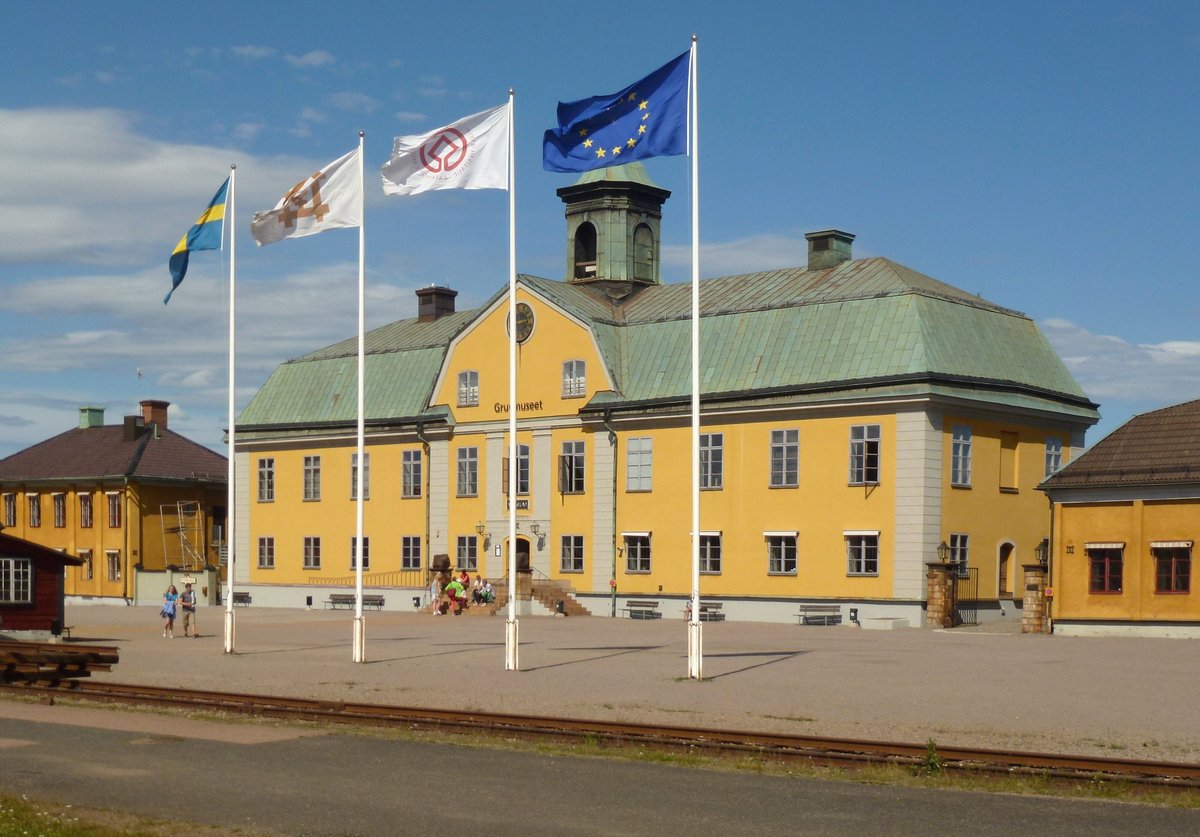
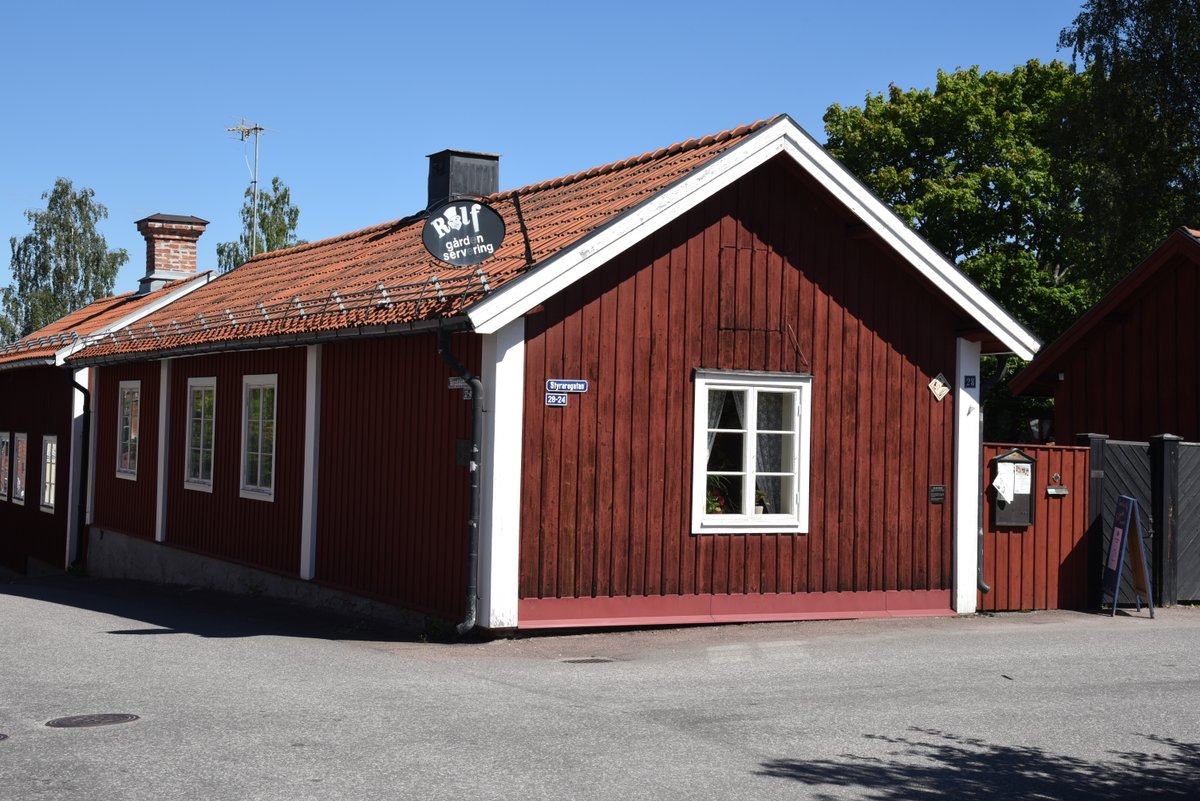
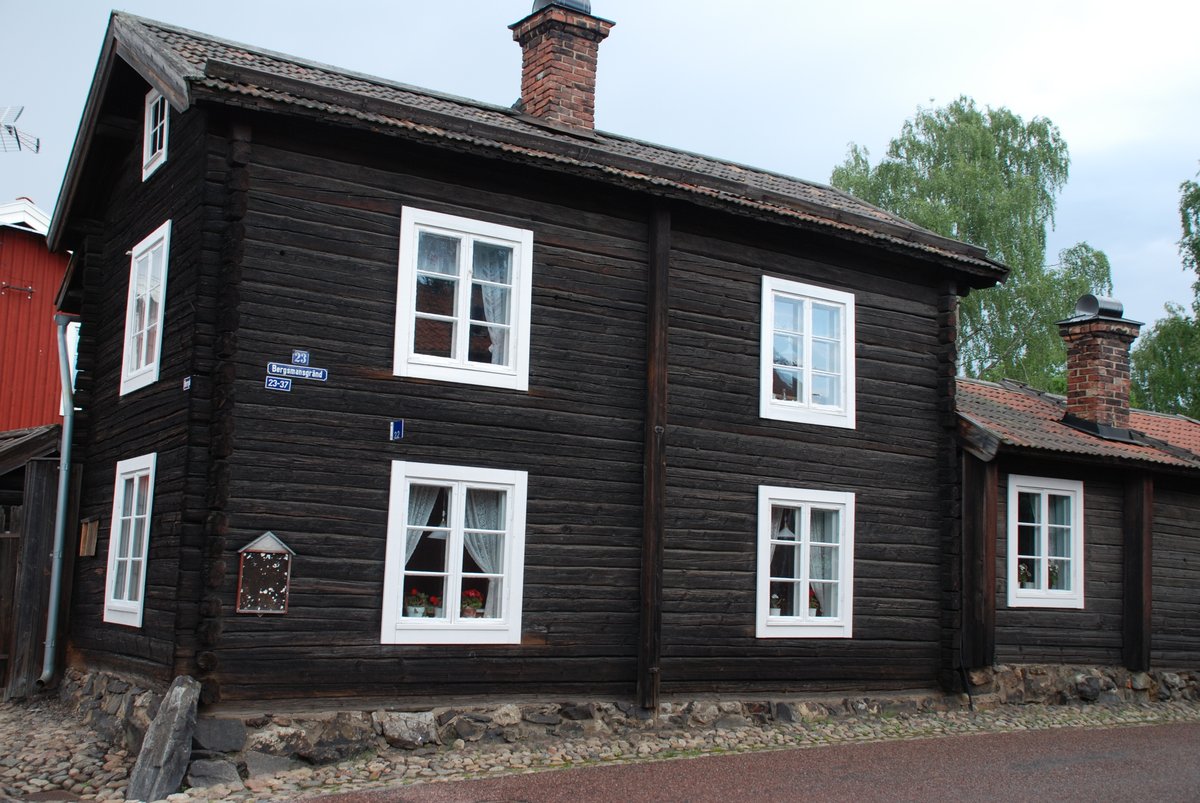
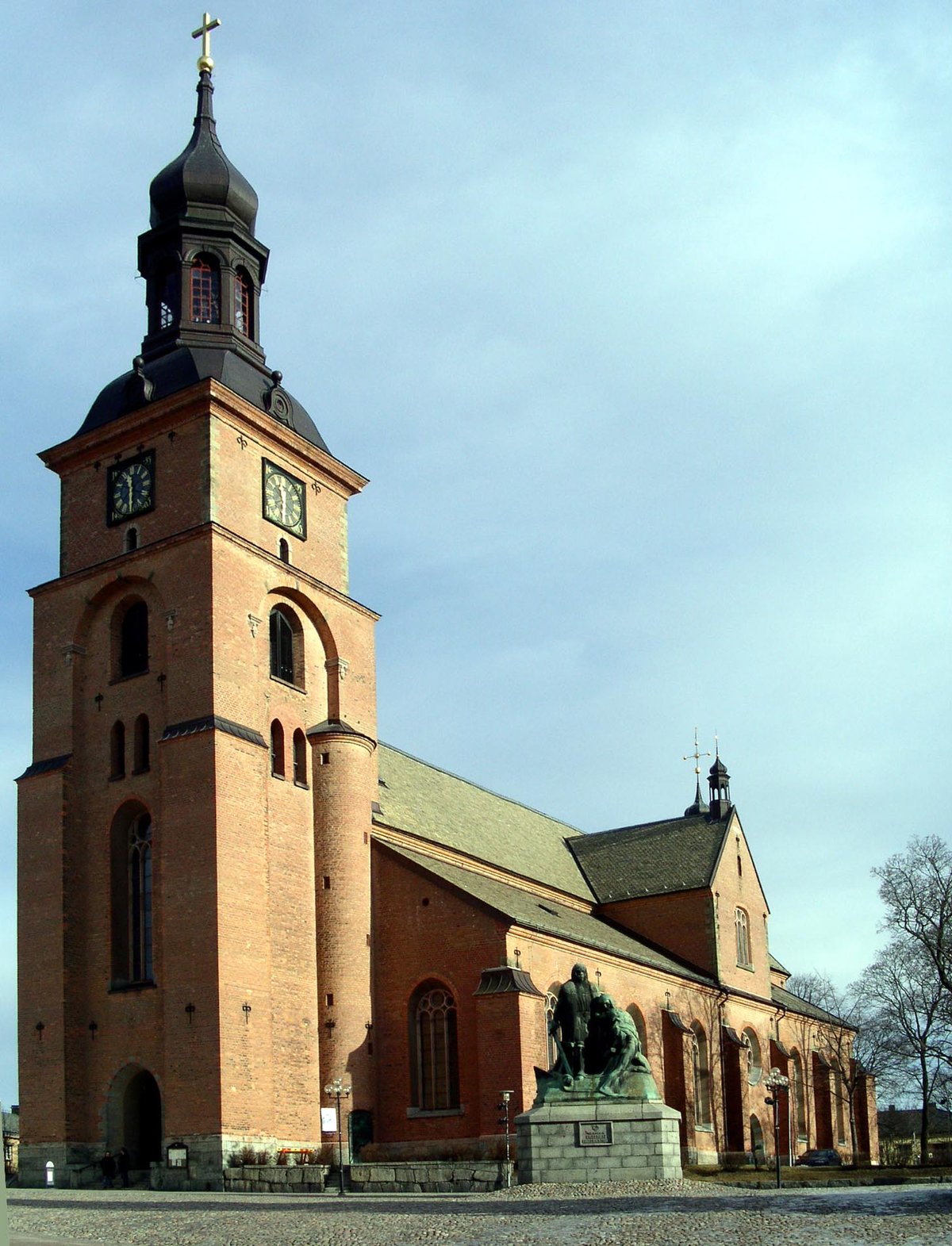
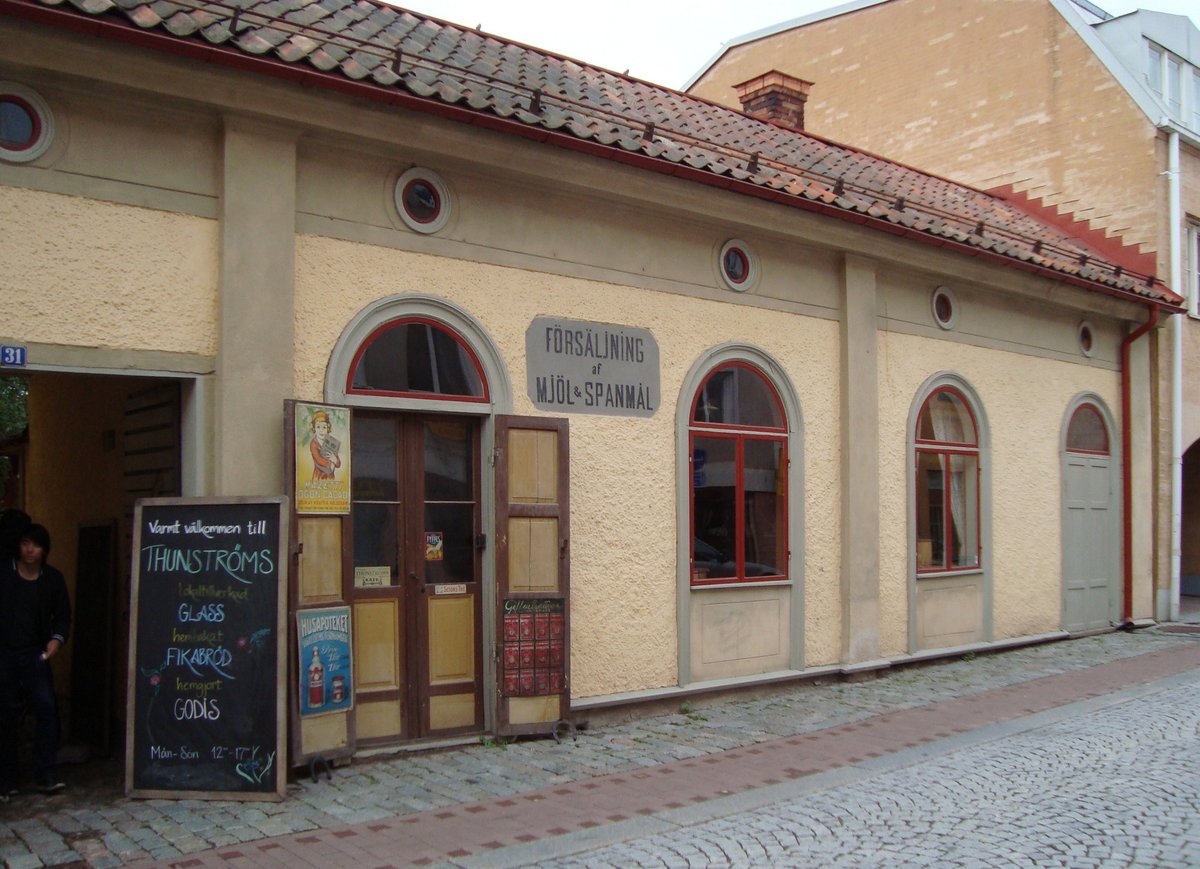
This site is now a UNESCO World Heritage property and a museum. Visitors can explore the industrial landscape, which includes the town of Falun and several mining settlements. The area preserves a clear record of a community transformed by centuries of heavy industry. We invite you to explore these ruins to better understand the history of the land.
Sources: Wikipedia, OpenStreetMap, Wikidata, Wikimedia Commons
Written by Nik Frost
Discuss this with the author and others
No comments yet. Be the first to start the conversation.