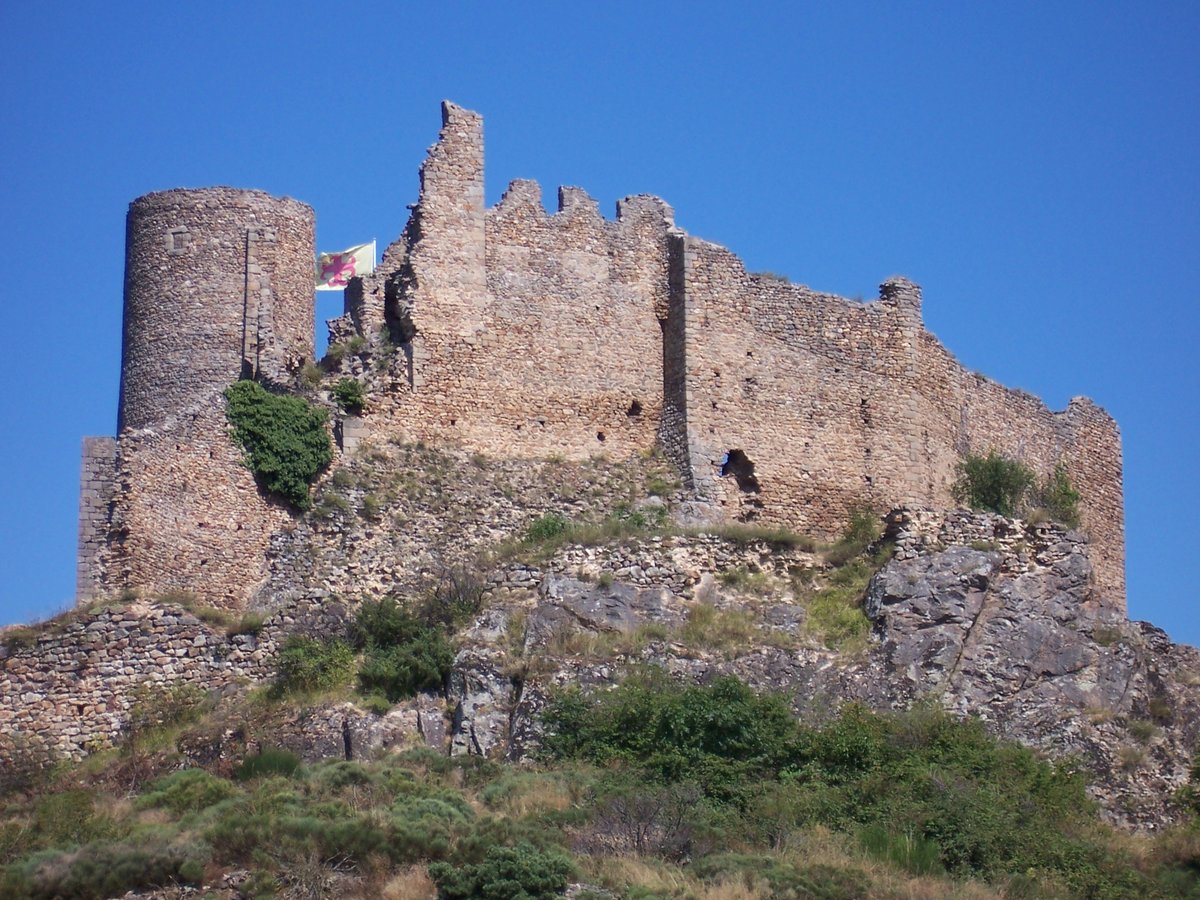

Hidden away in the woods of Sail-sous-Couzan, France, the Château de Couzan, a conqueror of the 11th century, resides proudly on a rocky outcrop amid the Forez mountains. Originally the baronial seat of Semur, it later found itself under the ruling hand of the Lévis family in the 15th century. The castle bore quite the burden of sorrow, particularly during the tumultuous times of the Middle Ages. A peculiar stone, known as the pierre à Dîme, displayed a story of servitude, as each peasant owed a share of their harvest to the lord. Two sun-bound faces, one smiling and the other frowning, graced the stone on either side. Their celestial expressions symbolized the lord's approval or disapproval of the harvest. However, 2025 marked the year that the castle's invincible structure succumbed to the destructive fire that swept across it.
Sources: Wikipedia, OpenStreetMap, Wikidata, Wikimedia Commons
Written by Nicolo Ciampini
Discuss this with the author and others
No comments yet. Be the first to start the conversation.