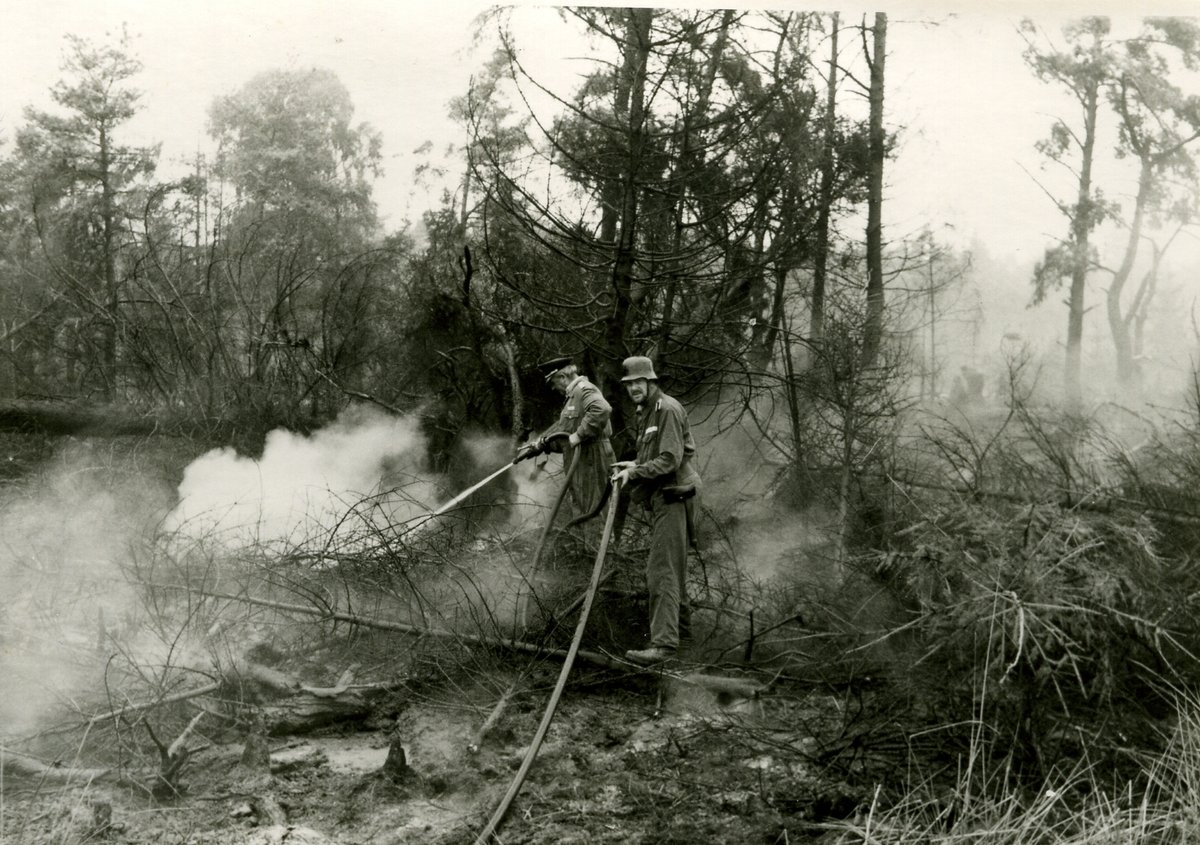
A wall of flame rose four kilometres into the sky in the Lüneburg Heath in August 1975, when a long summer of drought met a landscape of tinder. The coniferous forests provided fuel for the blaze, consisting of uniform pine stands and storm-damaged wood from Hurricane Quimburga that remained uncleared in the area. Unmetalled forest and heath tracks made it difficult for fire services to reach the sources of the fire.
By 8 August, a heath fire near Stüde escaped its bounds, jumping across the Elbe Lateral Canal. In the districts of Gifhorn and Celle, the fire spread through the pine stands. Near Neudorf-Platendorf, a fire engine was rolled by a rolling barrage of flame, leaving two men with serious burns. That same day, the Gifhorn district fire chief died of heart failure while on call.
On 10 August, the wind veered, pushing 20-metre-high flames in a new direction toward the village of Meinersen. The disaster was reported on news, radio, and television across Germany for a week. The fight became a massive mobilization of resources. About 15,000 firefighters from across Germany arrived with 3,800 engines. They were joined by 11,000 Bundeswehr soldiers who brought heavy clearance equipment and armoured recovery tanks with dozer blades to create firebreaks.
Technological and international aid arrived in waves. For the first time, three Canadair CL-215 aircraft from France were deployed, picking up water from the Steinhuder Meer to protect small hamlets and farmsteads. British troops from the Hohne garrison brought AVREs - Assault Vehicles Royal Engineers - to the fight. A railway firefighting train from Hanover was also put into service, hauling four tank wagons that each carried 45,000 litres of water. The biggest problem during the emergency was an acute lack of water, as natural sources were far from the fire sites.
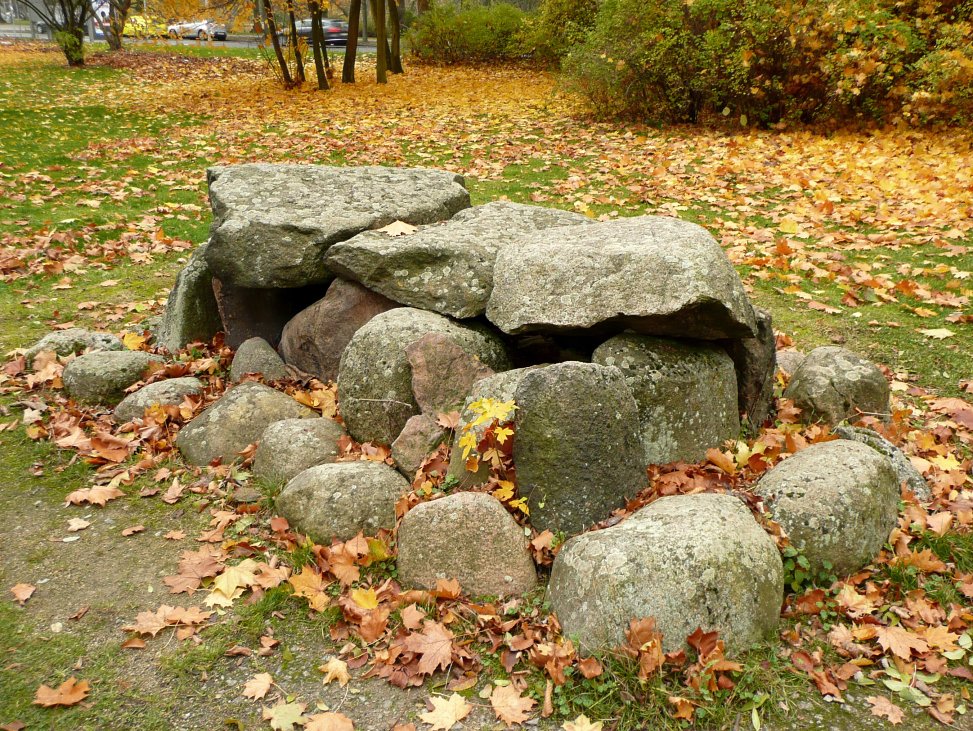
The fire was finally extinguished by 17 August, leaving behind a charred landscape. On 10 August, five comrades from Fallersleben and Hohenhameln died in a wall of fire. Today, a memorial stone stands near the B 188 in Meinersen. It marks the spot where the fire moved toward the village, carrying an inscription that honors those who stood in the way of the heat: Gott zur Ehr, dem Nächsten zur Wehr.
Sources: Wikipedia, OpenStreetMap, Wikidata, Wikimedia Commons
Written by Aurora
Discuss this with the author and others
No comments yet. Be the first to start the conversation.