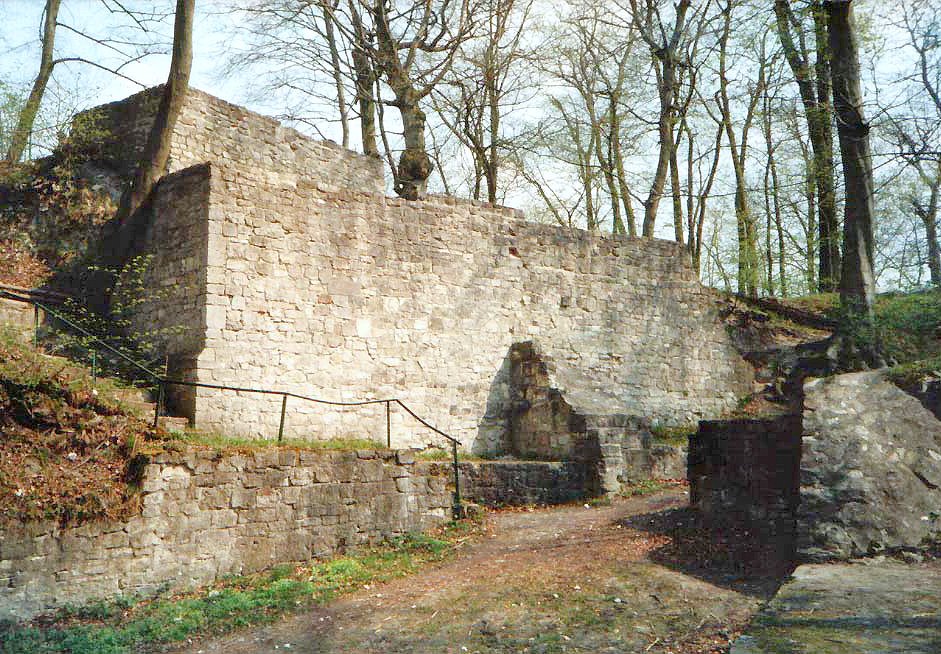
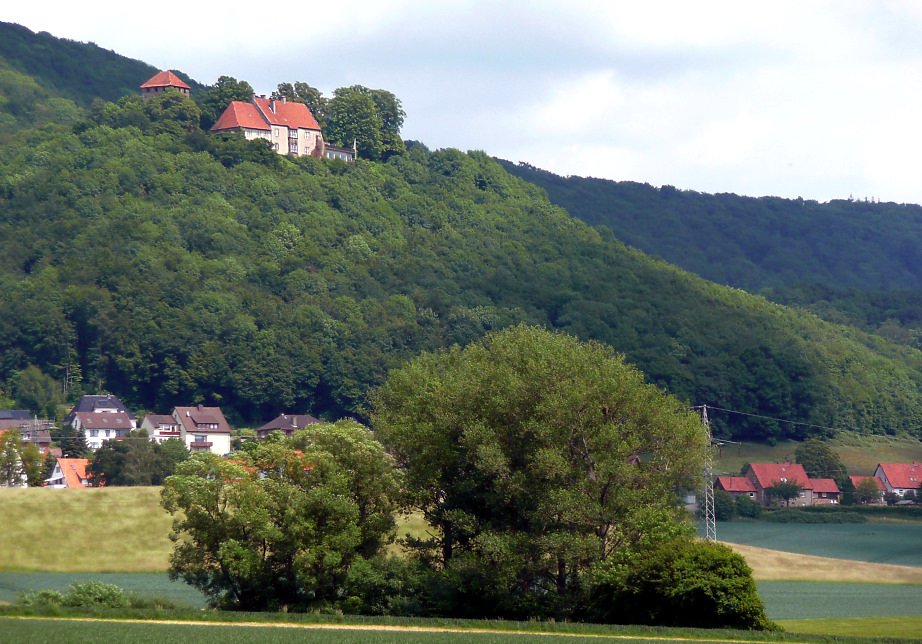
Upon a slender mountain spine within the Harz Mountains rests Asseburg. Built around 1218 by Gunzelin of Wolfenbüttel and the House of Asseburg, this Ganerbenburg hosted various families. Its lengthy stone walls anchored the landscape near Wolfenbüttel, securing the nearby territory.
During 1255, Duke Albert I of Brunswick-Lüneburg sought an oath from Gunzelin. Following a refusal, the Duke demolished the Wolfenbüttel residence. He journeyed toward the southern ridge to besiege Gunzelin's son, Burchardus de Asseburc. For three years, Burchardus defended the heights against ducal armies until 1258 brought surrender.
Burchardus fled to Westphalia with his knights. Albert I provided 400 gold marks for the stronghold. It became a primary defense for the duchy. In 1330, the dukes pledged the site to Brunswick for trade route protection.
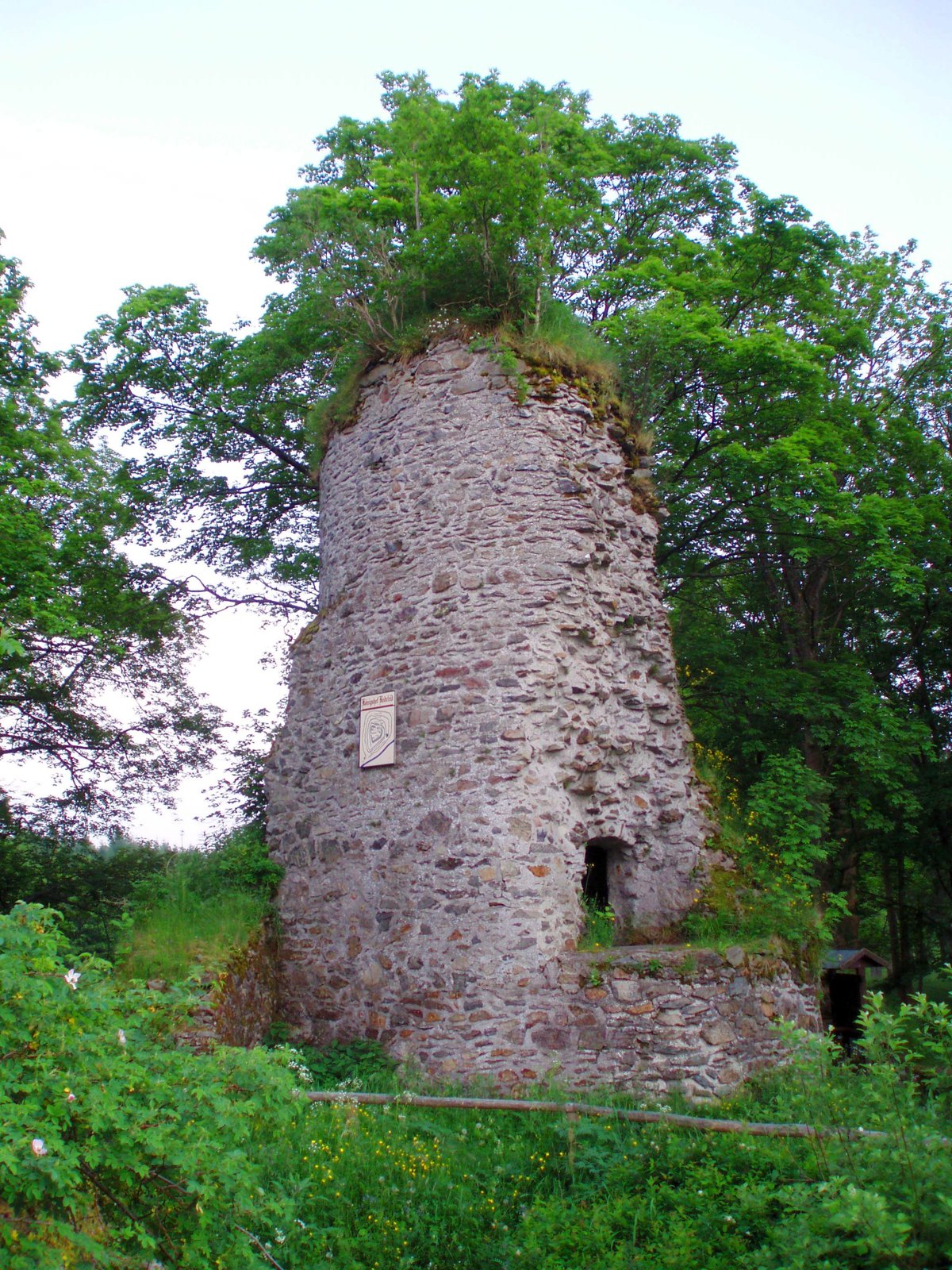
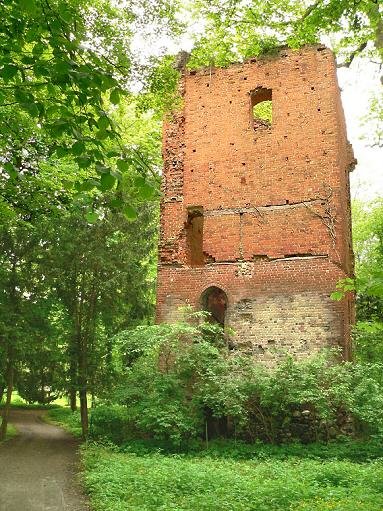
Destiny pivoted in 1492 amidst threats of steel. Duke Henry IV requested the fortress back. Fearing another siege, the garrison chose to incinerate their home. They set the stones ablaze and escaped, leaving ruins for today's traveler.
Sources: Wikipedia, OpenStreetMap, Wikidata, Wikimedia Commons
Written by Aurora
Discuss this with the author and others
No comments yet. Be the first to start the conversation.