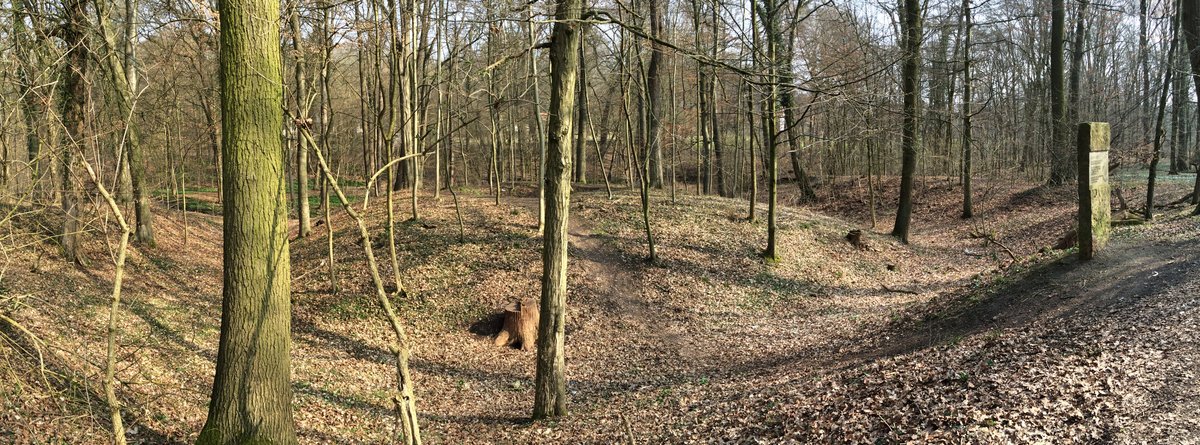
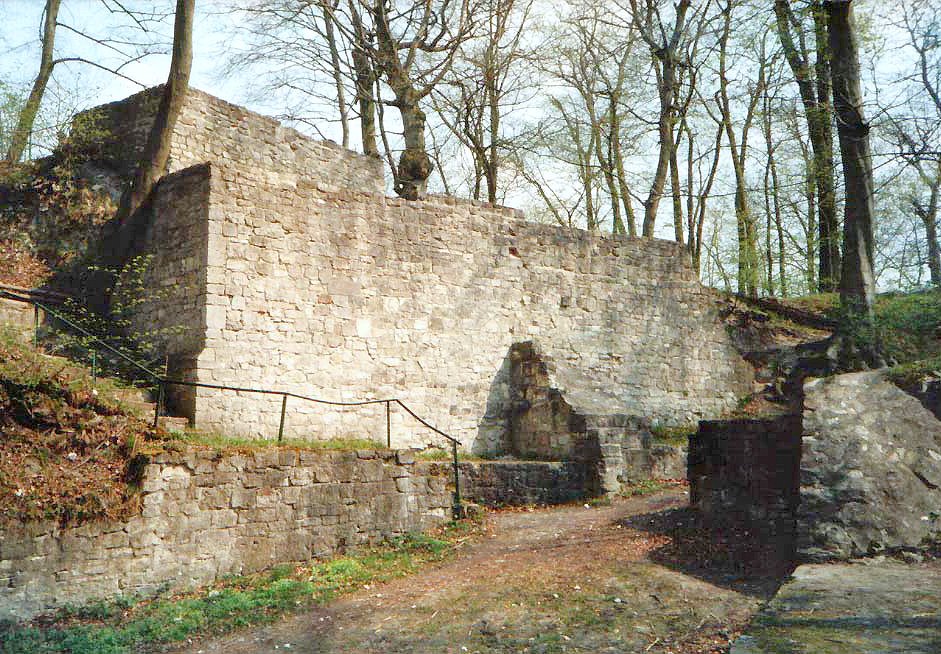
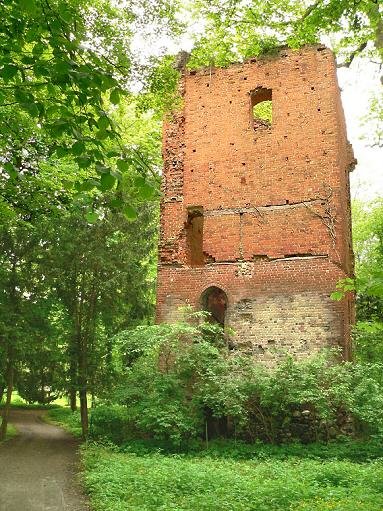
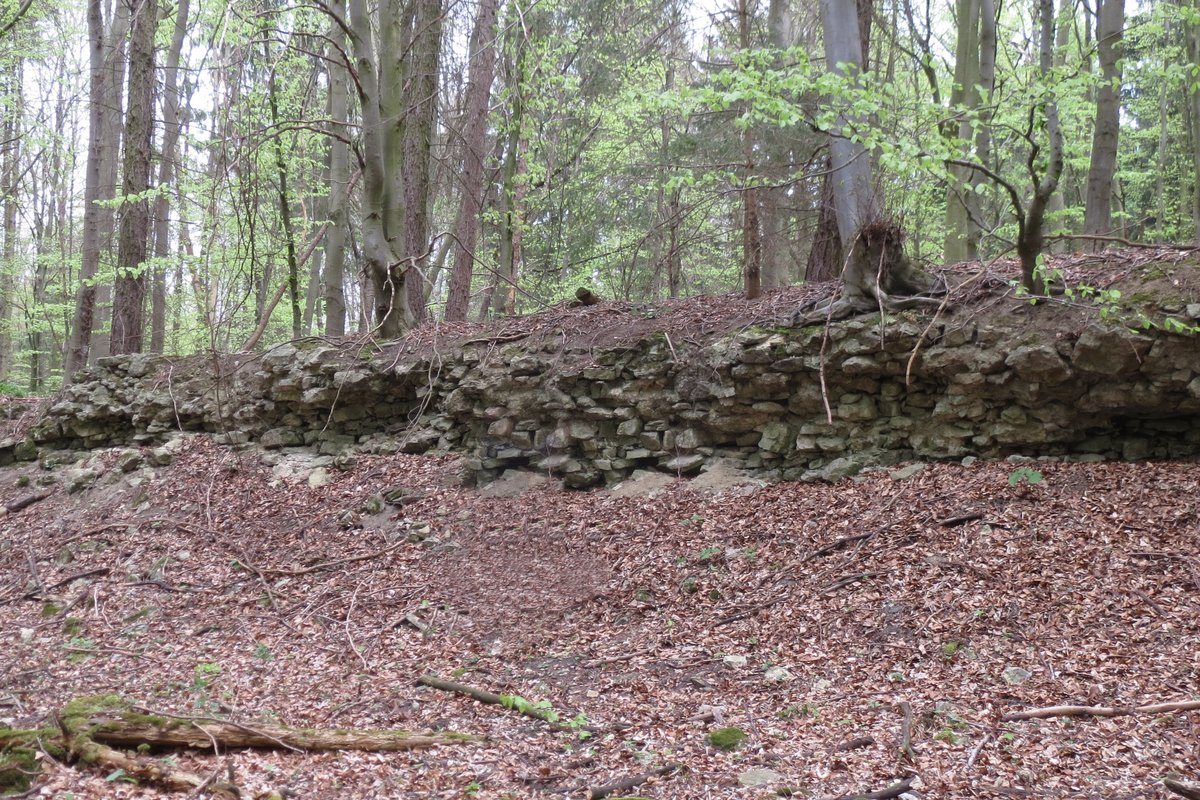
A three-metre-high mound of earth rises from the floor of the Wolfsburg city forest, a quiet hump of land that once held a castle. It is a motte, a medieval Turmhügelburg, where a residential tower stood watch over the valley. While the nearby town of Wolfsburg feels like the primary anchor of the area, these ruins are a century older, predating the 1300 construction of the town's own castle.
In the early 1200s, the site began to take shape as a fortified home for the von Bartensleben family. These were people on the move, rising from the rank of ministeriales to the lower nobility during the 13th and 14th centuries. By 1304, Kunigunde von Bartensleben received the estate in documents, marking the beginning of a long tenure for the Rothehof line. They sat at a strategic junction, positioning their home to provide protection and control over the trade routes moving through the Aller valley.
One side of the complex was shielded by the natural curve of the Stemmelriede stream. The rest was wrapped in a heavy rampart, which likely held a crown of wooden palisades to keep outsiders at bay. At the very top of the mound, a small depression measures five metres across. It looks like a cellar, but it marks the footprint of a residential tower. Fragments of medieval pottery found in the soil place the earliest work here at the start of the 13th century, long before the family moved on.
By the 15th century, the residents began to abandon the forest retreat. They migrated toward the growing weight of Wolfsburg and the newer Burg Neuhaus, leaving the timber and stone to weather. For centuries, the site slept in the trees until 1938, when a high school teacher with an interest in local history stumbled upon the old wall. He alerted the city administration, who feared the new urban expansion might erase the evidence of the old rampart.
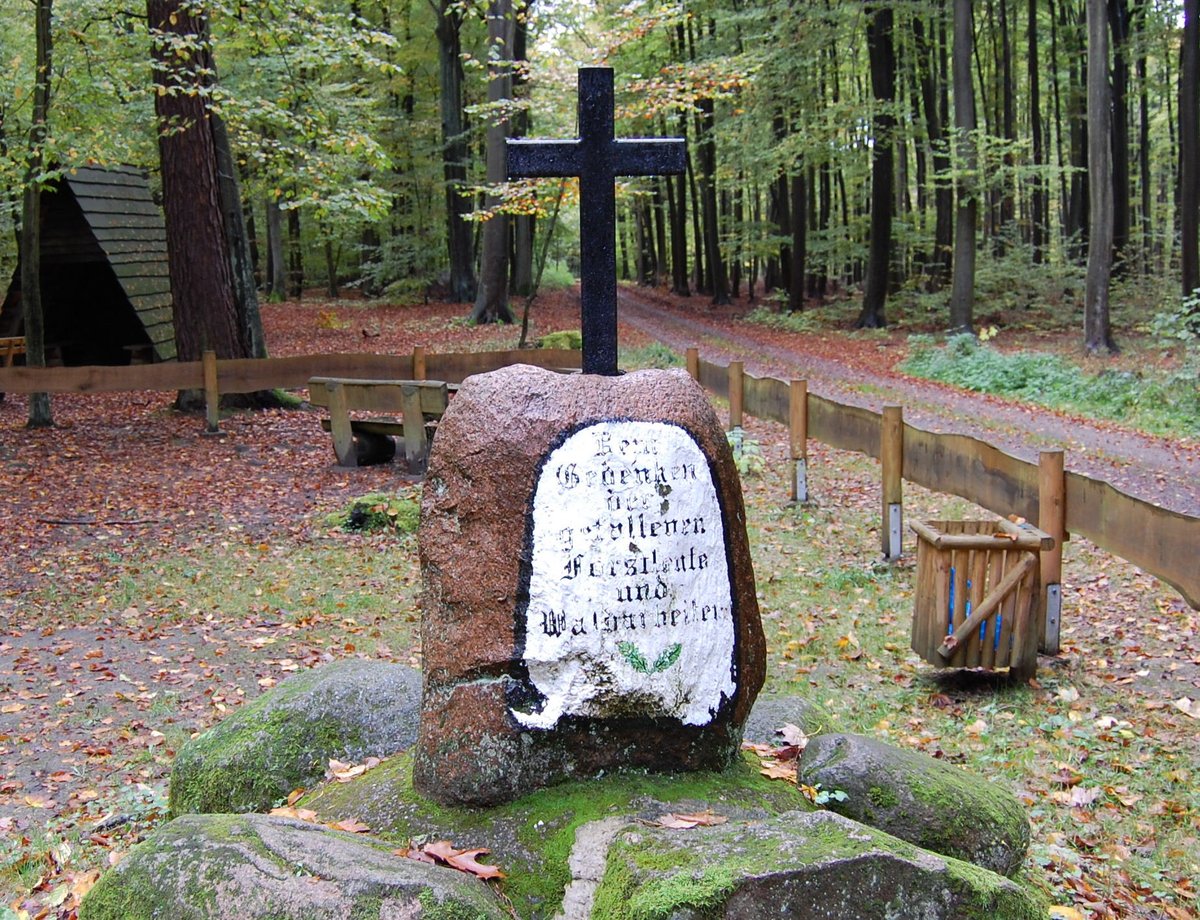
An archaeological excavation was planned for the autumn of 1939, but the outbreak of war halted the shovels before they could hit the dirt. It wasn't until 1983 that a formal inspection confirmed the site was excellently preserved. Today, it is a protected archaeological monument. A stone tablet stands nearby, a silent marker for a home that saw the birth of a noble lineage in the shadow of the woods.
Sources: Wikipedia, OpenStreetMap, Wikidata, Wikimedia Commons
Written by Aurora
Discuss this with the author and others
No comments yet. Be the first to start the conversation.