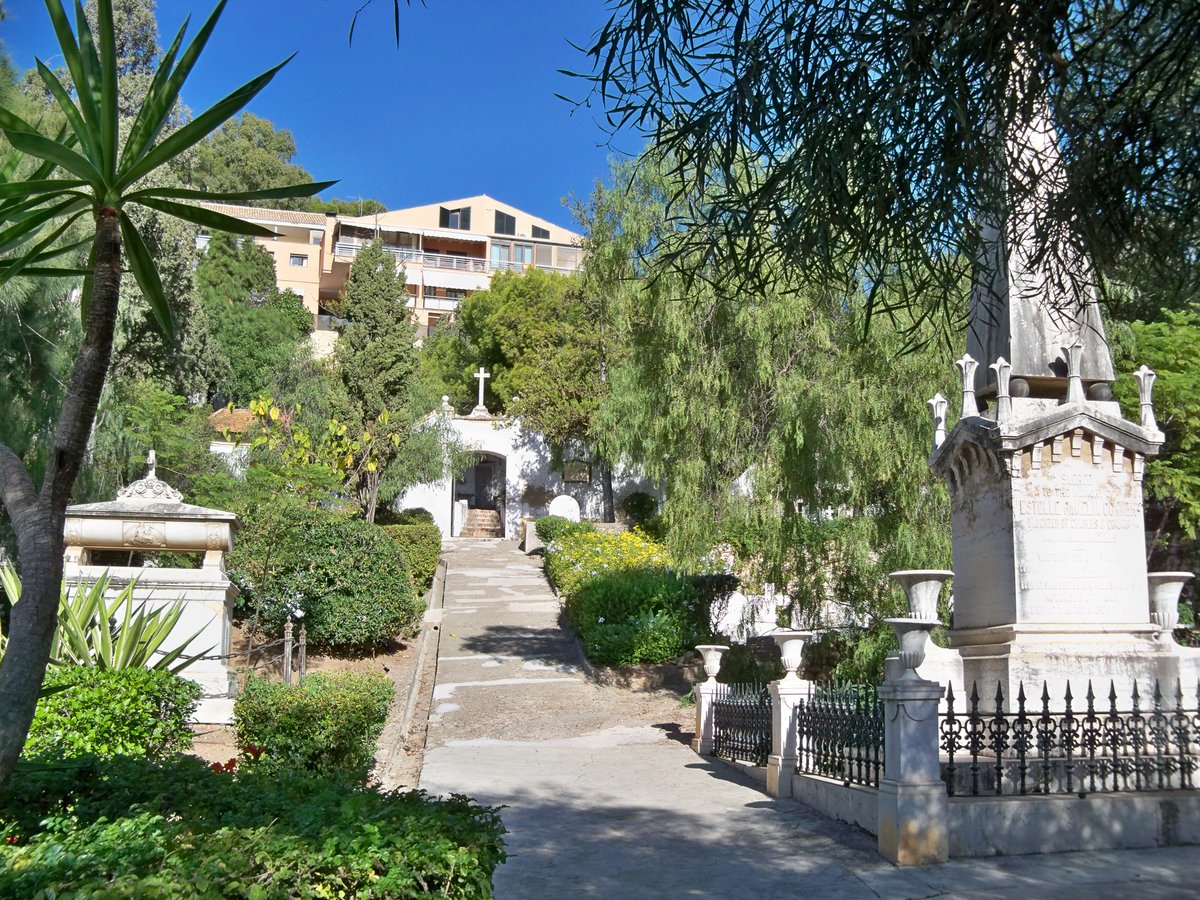

Before 1830, Protestants in Málaga were forced to be buried on the seashore at dead of night because they were barred from consecrated ground, such as parish churches, monasteries, and cemeteries. The British Consul in Málaga, William Mark, looked with great disgust on this practice. He persisted in his efforts until he secured a Royal Order from Ferdinand VII in 1830, which gave permission to create a permanent cemetery on the Vélez road outside the city walls.
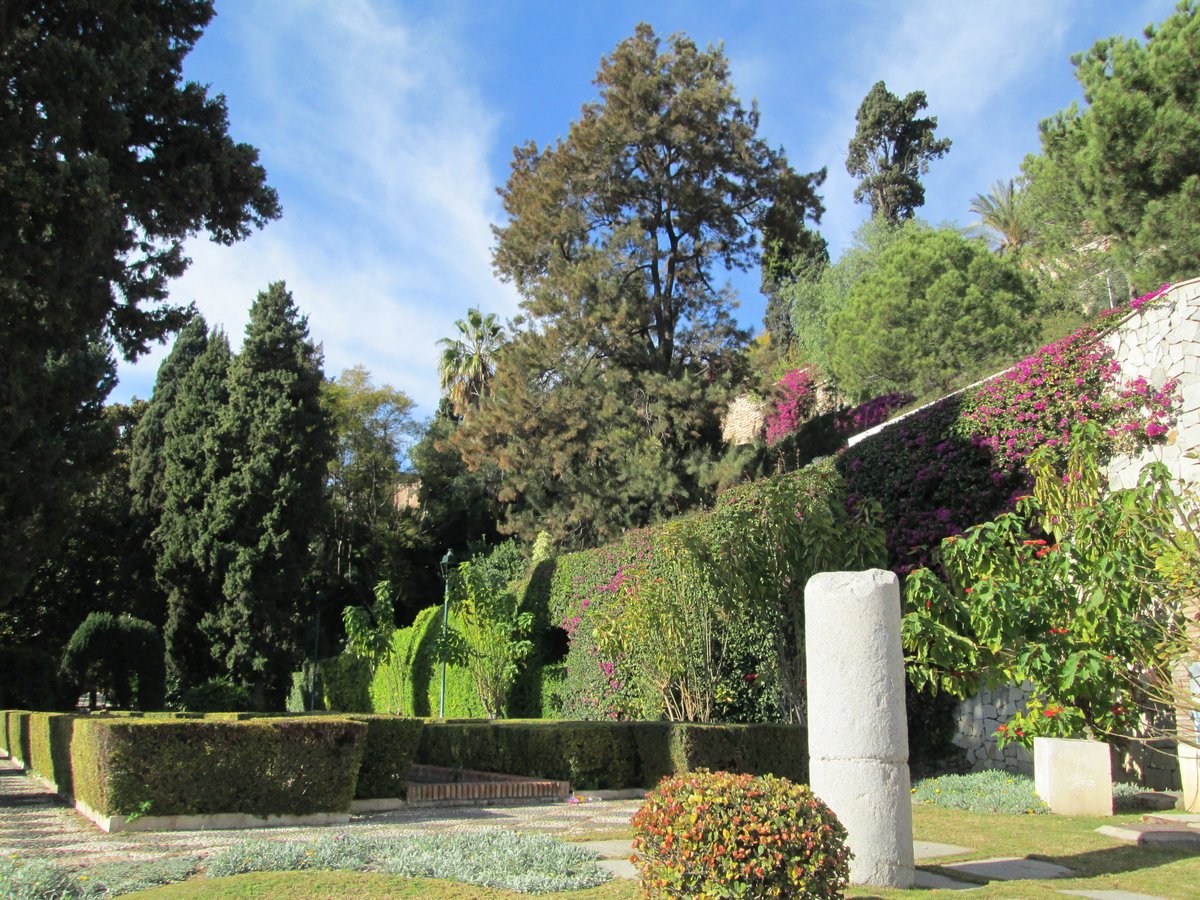
The cemetery was greatly extended after its founding and grew to cover over 8,000 square metres. It is also a botanical garden containing many unusual specimens of trees and plants. The site features a lodge temple built in 1839-40, which was adapted in 1890-91 to become the present St George's Anglican Church. A gatehouse constructed in 1856 now houses a small Visitors' Centre, a gift shop, and space for church lunches.
Notable inhabitants of the cemetery include the revolutionary Robert Boyd, who was executed with General Torrijos, and the Spanish poet Jorge Guillén, a member of the Generation of '27. The site also holds the remains of the crew of the German corvette SMS Gneisenau, which wrecked off Málaga in 1900. The cemetery is managed by the English Cemetery in Málaga Foundation, which was granted formal registration in 2010.
Sources: Wikipedia, OpenStreetMap, Wikidata, Wikimedia Commons

Written by Nicolo Ciampini
Discuss this with the author and others
No comments yet. Be the first to start the conversation.