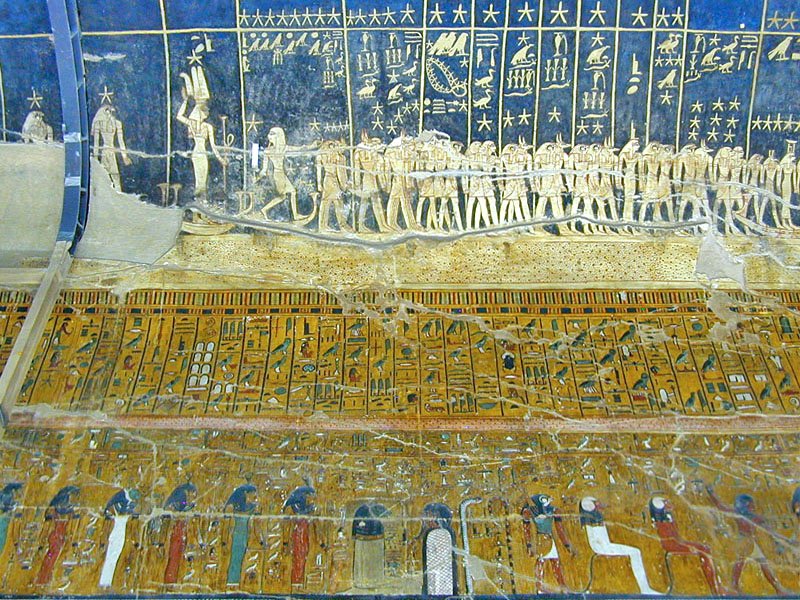

The silence of the underground tomb was broken in 1817 when Giovanni Belzoni first stepped into the darkness. He found the walls of KV17 still wearing their vibrant colors. Upon entering the tomb, Belzoni found the wall paintings in excellent condition with the paint on the walls still looking fresh, and some of the artists' paints and brushes still on the floor.
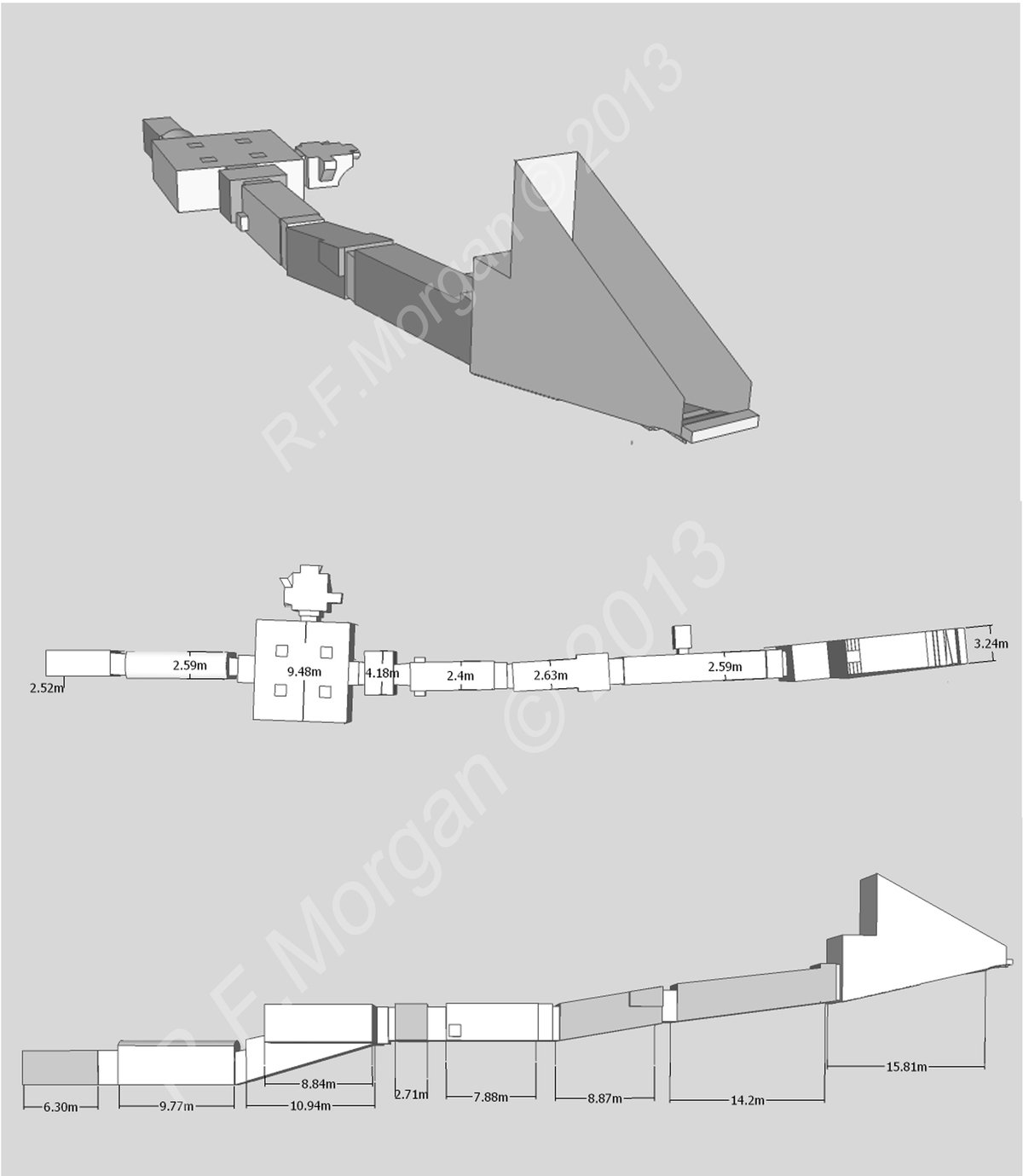
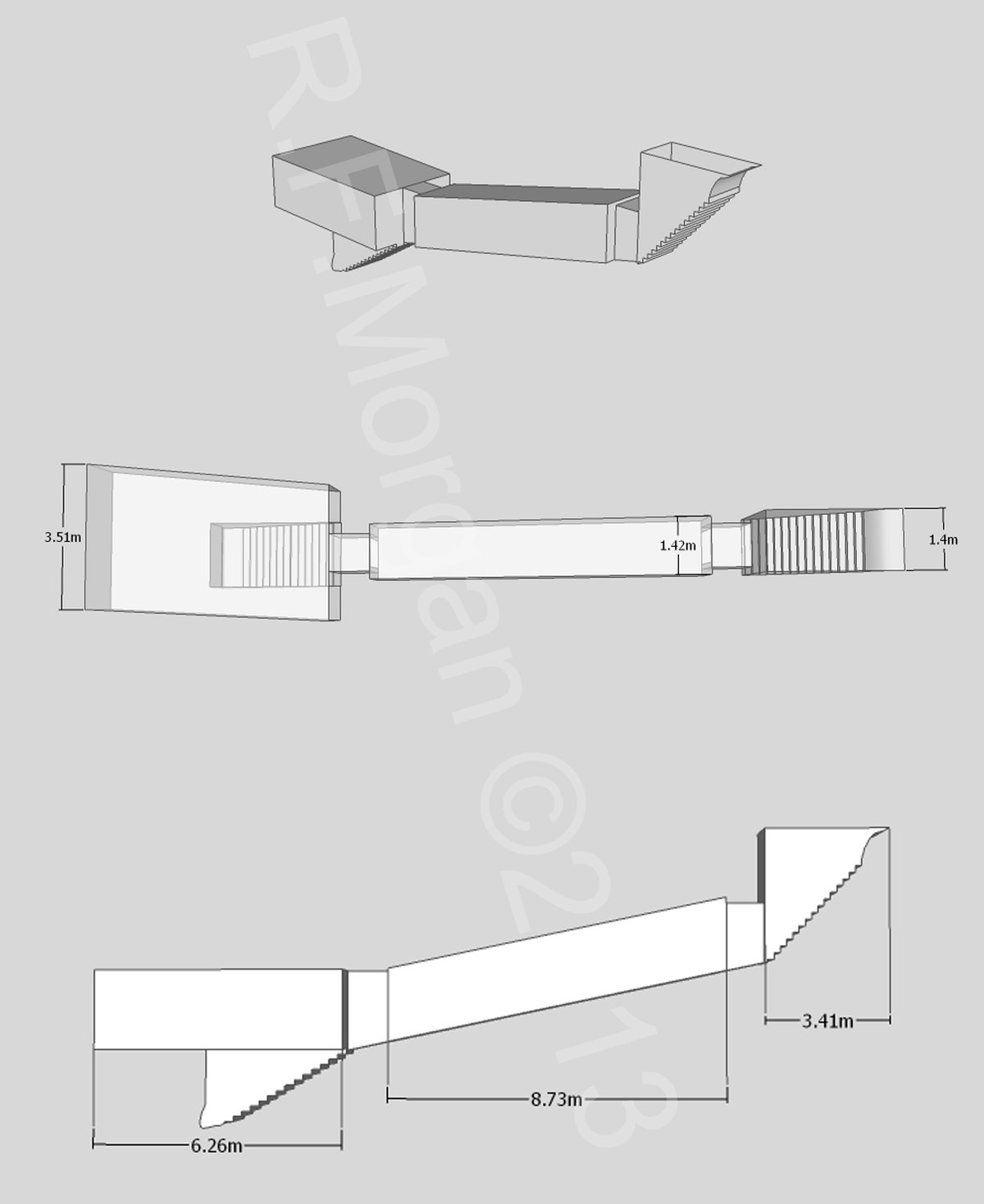
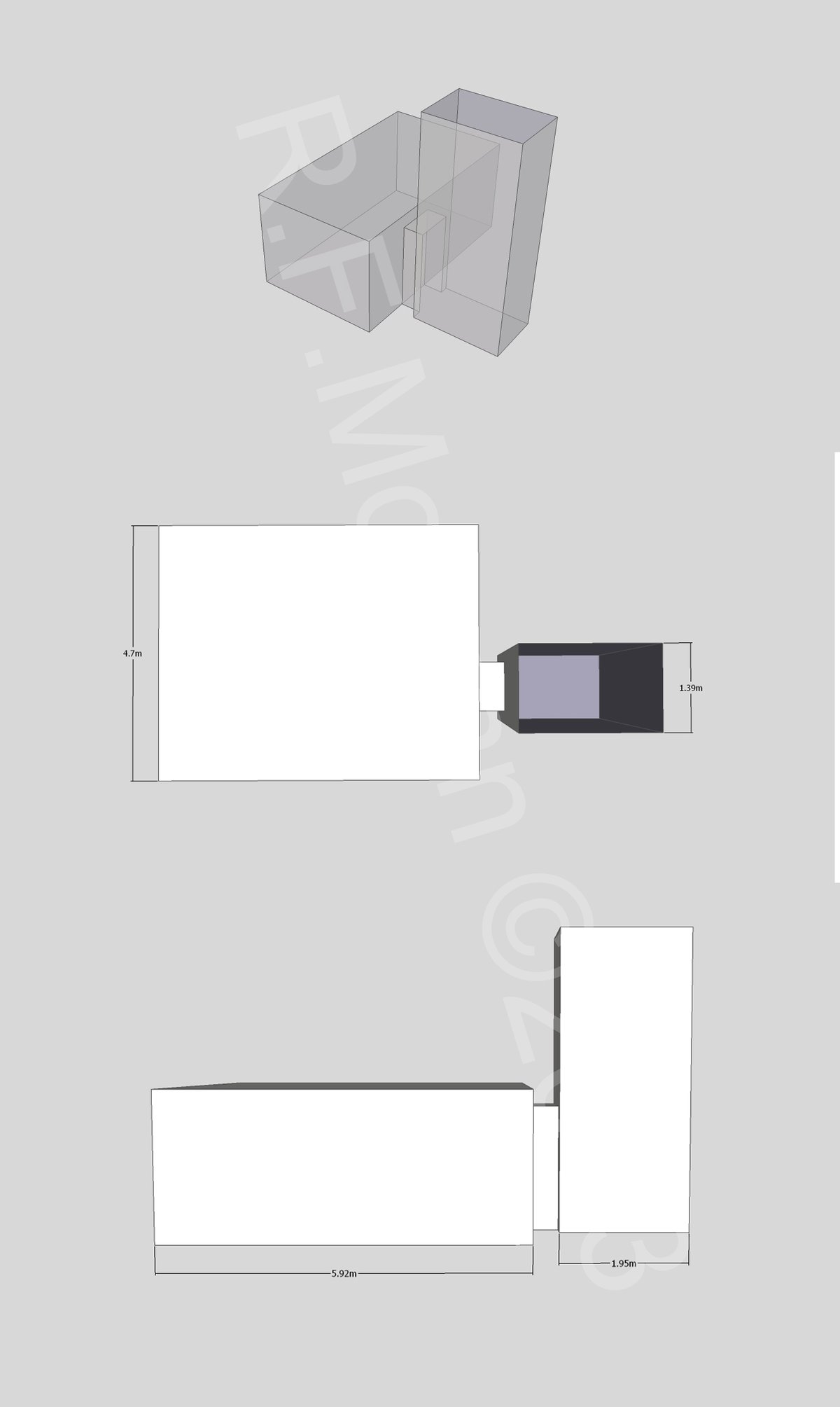
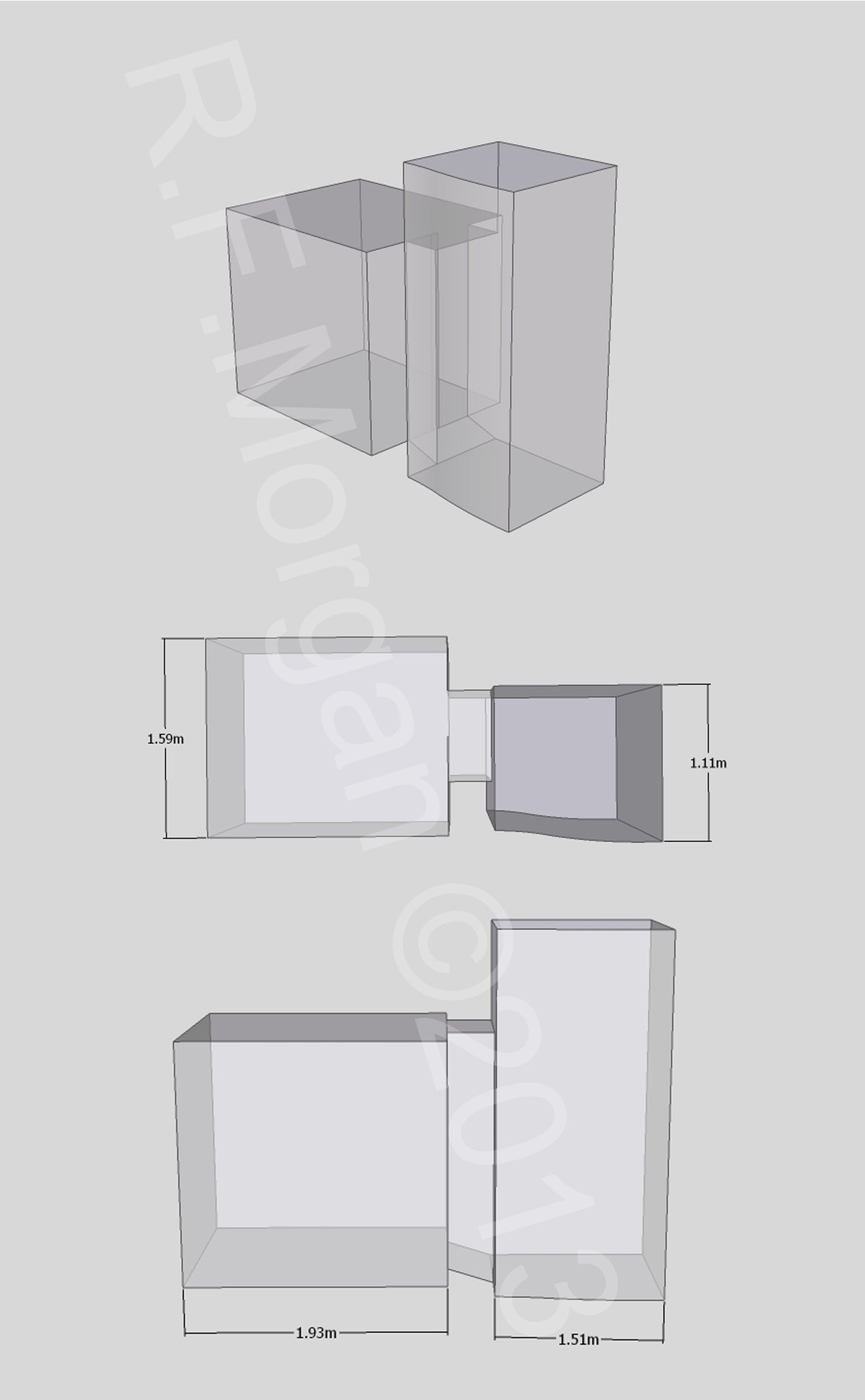
The tomb of Seti I, one of the largest and deepest in the Valley of the Kings, follows a joggled axis style of architecture. The tomb entry's descending line is interrupted by a wiggle that changes to a sharper angle of descent when entering the tomb following the first chamber. In the vaulted burial chamber, the ceiling depicts a series of astronomical motifs, with golden stars on a deep blue background.
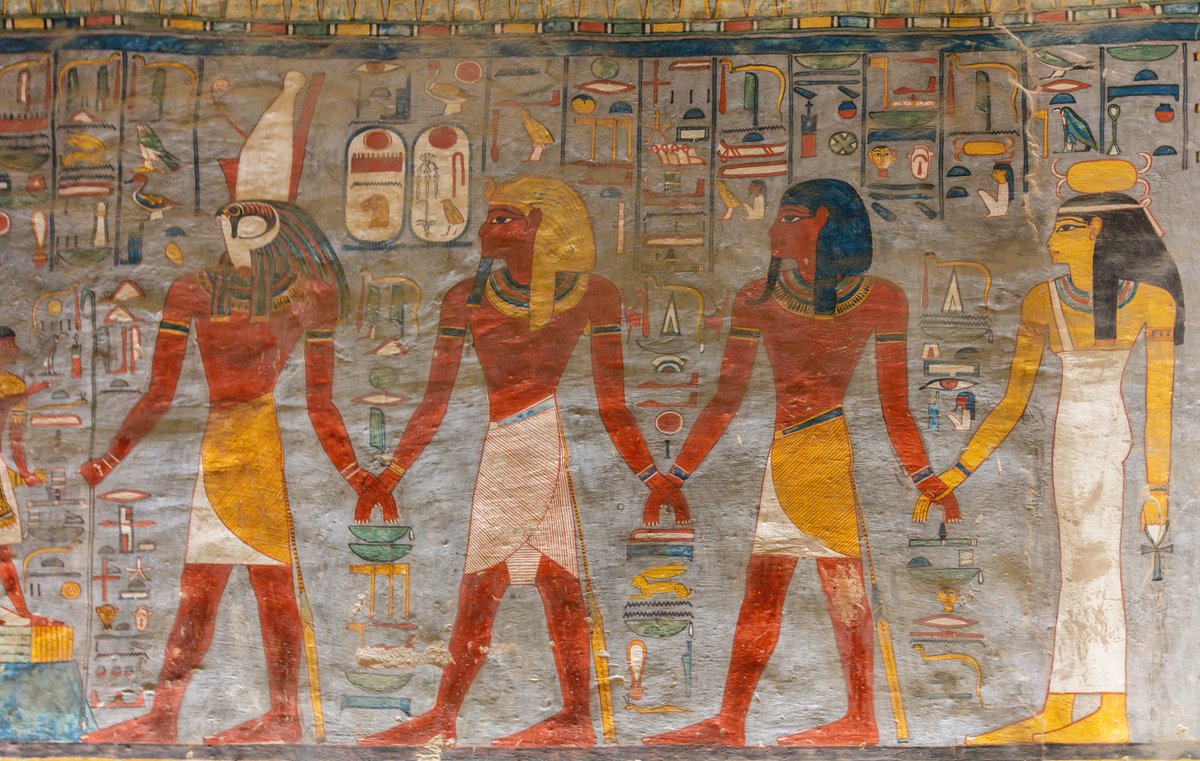
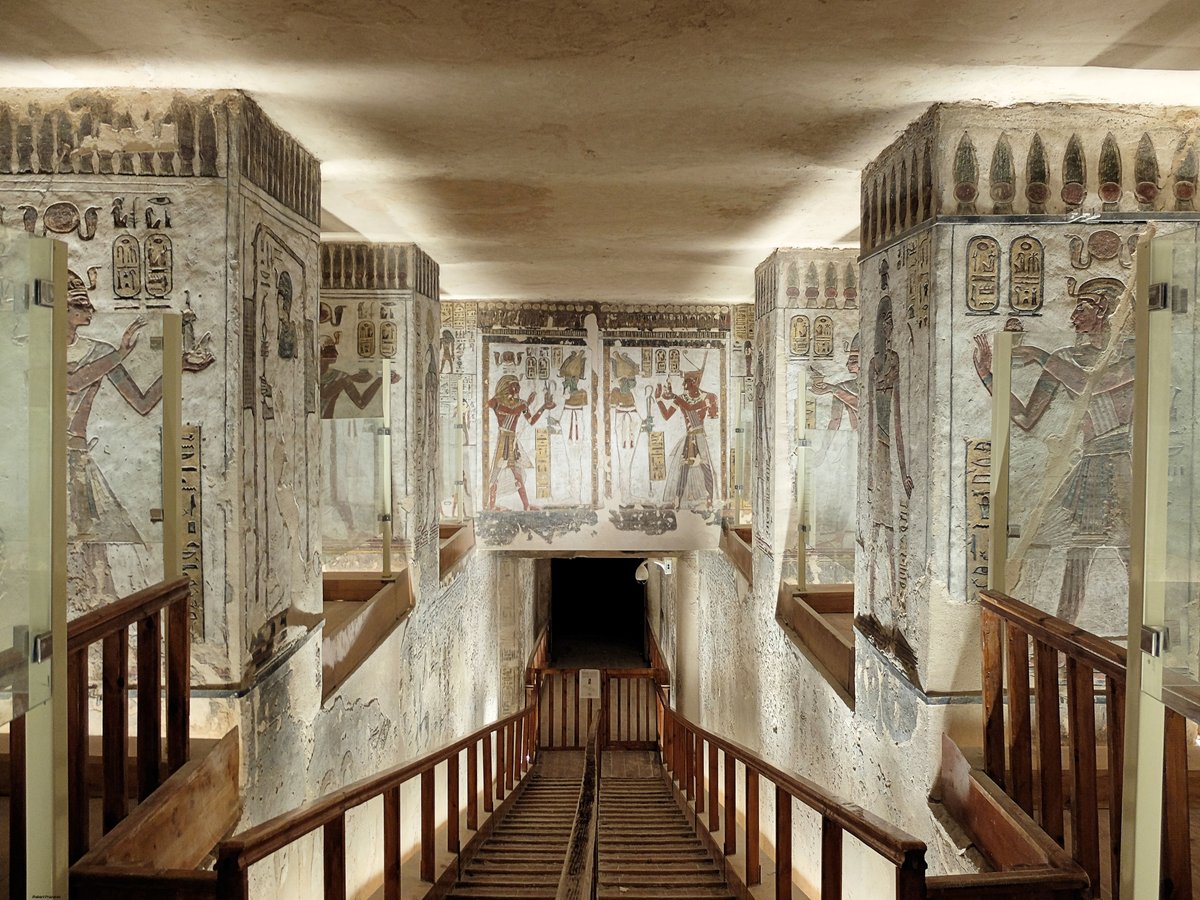
The tomb is a sprawling labyrinth of religious imagery and deep tunnels. One corridor, known as corridor K, slopes downward from beneath the location where the sarcophagus stood in the burial chamber, reaching a total length of 174 metres. The walls are covered from floor to ceiling with detailed murals and reliefs, including depictions of the Book of Gates and the Litany of Ra, while chamber E features a well shaft cut into the floor.
Sources: Wikipedia, OpenStreetMap, Wikidata, Wikimedia Commons
Written by Mutabor
Discuss this with the author and others
No comments yet. Be the first to start the conversation.