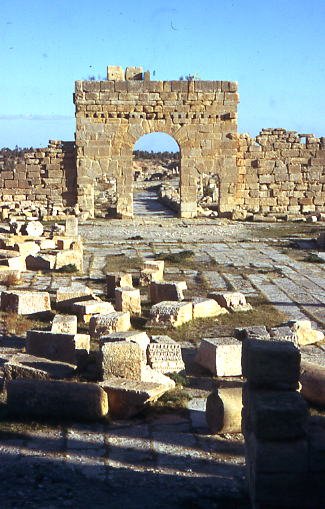

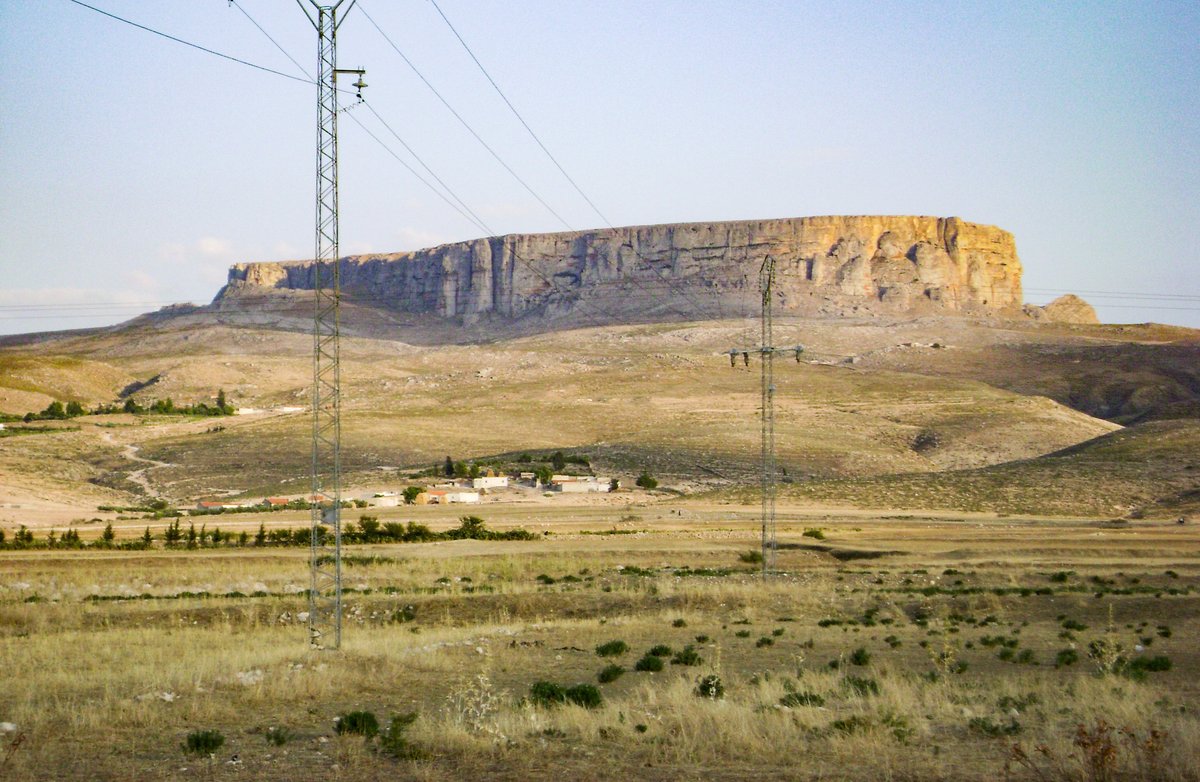
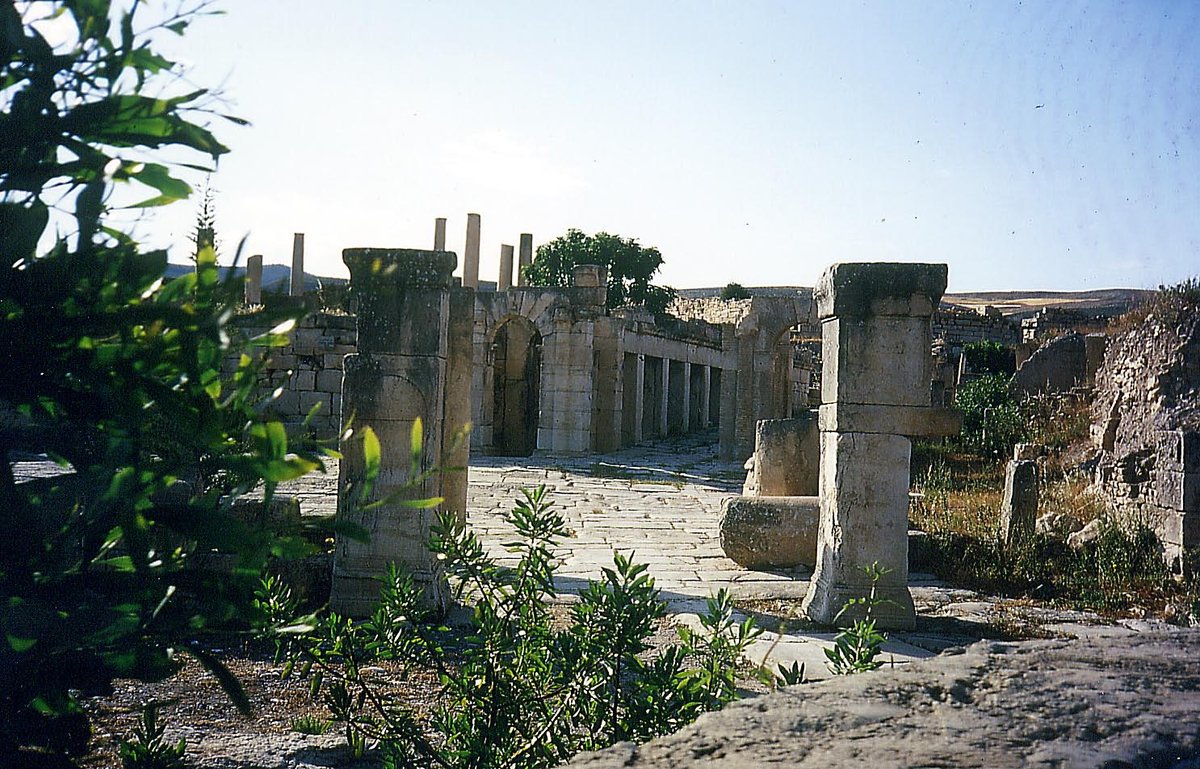
Beyond the rolling hills of Algeria, there lies a remnant of a time long ago, the ruins of a city that once flourished beneath the auspices of the Punics - the city of Madauros. The city was made a Roman colony at the end of the first century and was famous for its schola. A colony of veterans was established there, called Colonia Flavia Augusta Veteranorum Madaurensium under emperor Nerva.
Amid such grandeur, Madauros became a beacon, attracting both mighty soldiers and wise scholars. In the days of its glory, it stood as a bastion of knowledge, housing the University of Madaurus, which is often considered one of the earliest, if not the oldest, centers of higher learning in North Africa and the first in Africa, dating back to the Roman era. The city was fully Romanised in the fourth century, with a population of Christian Berbers who spoke mainly African Romance.
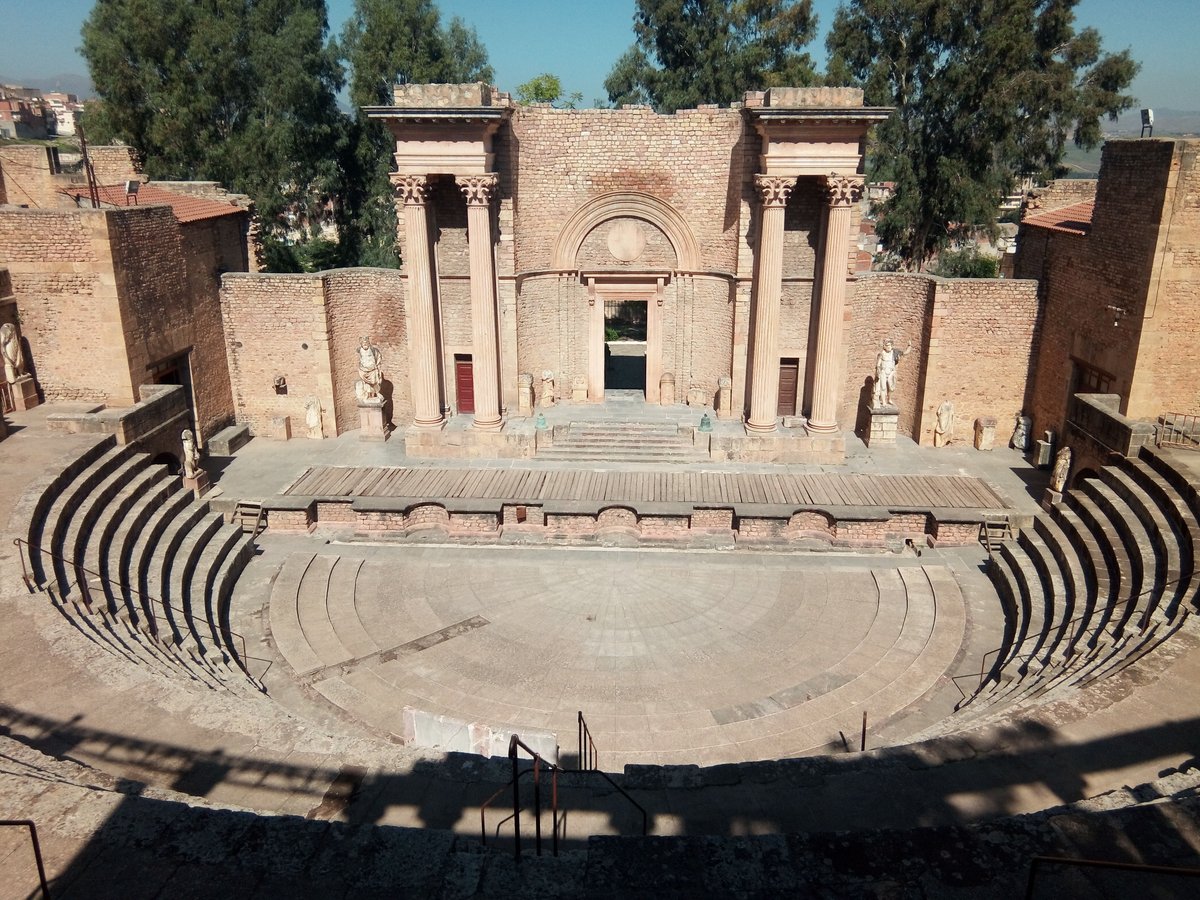
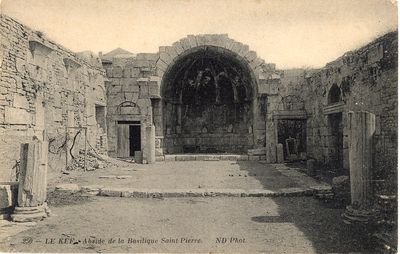
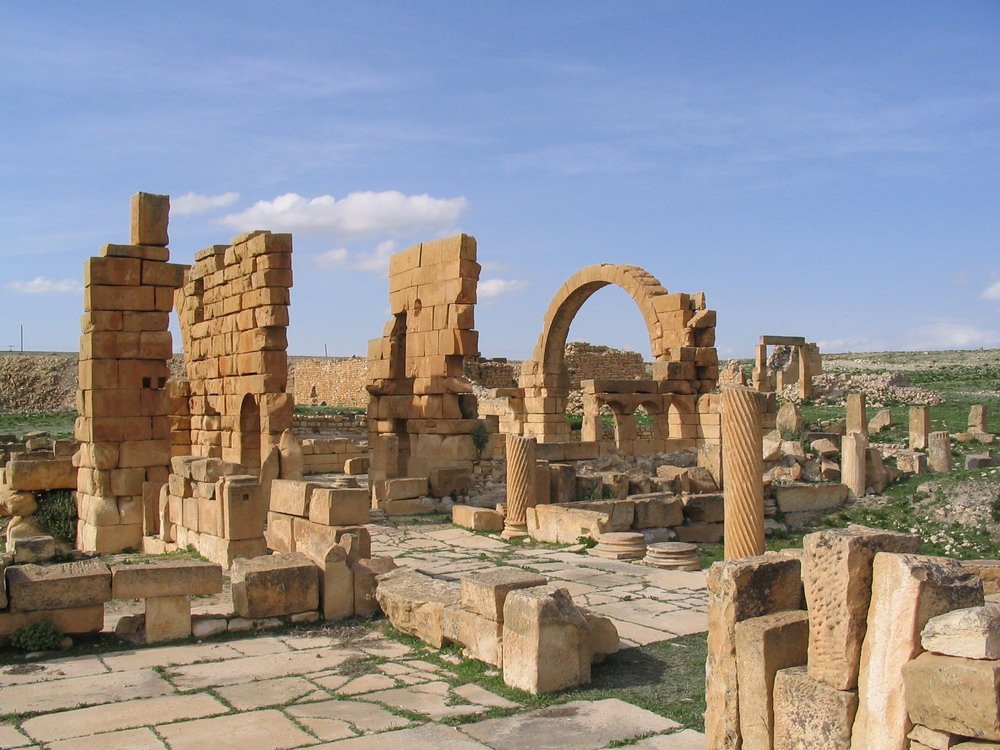
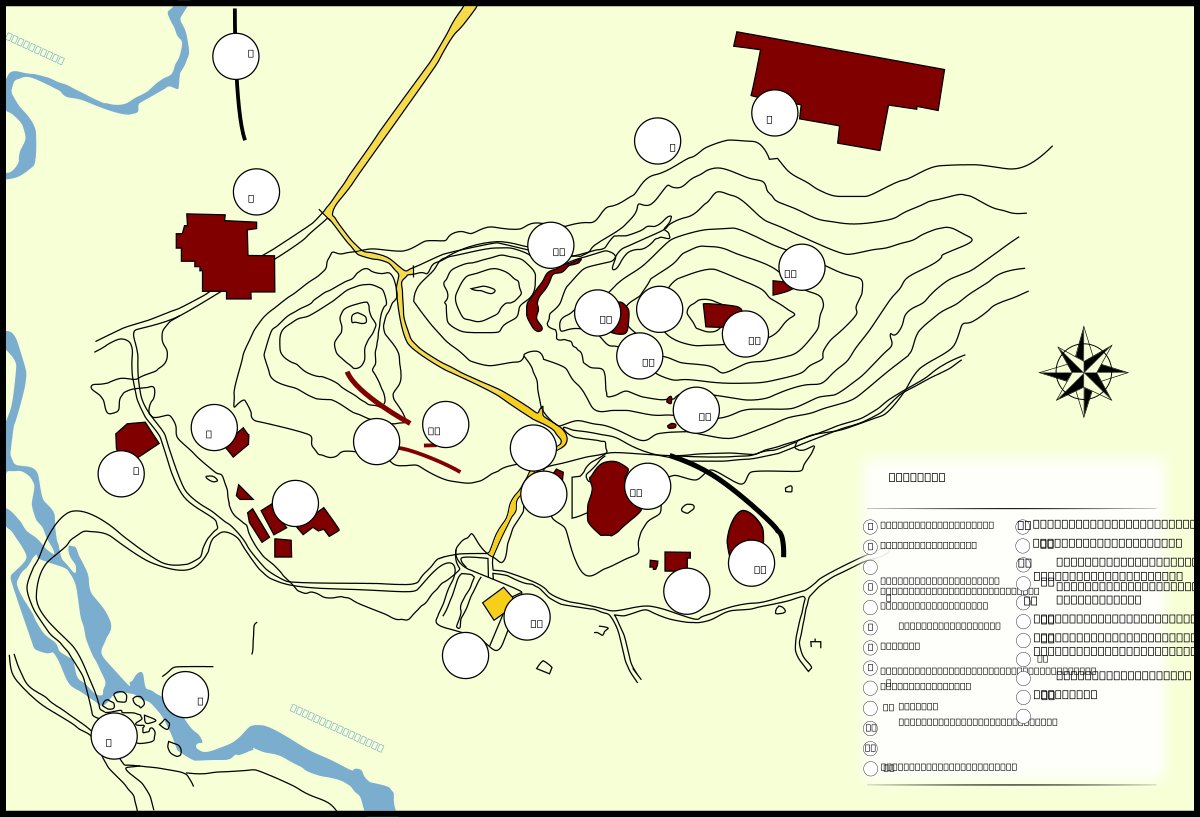
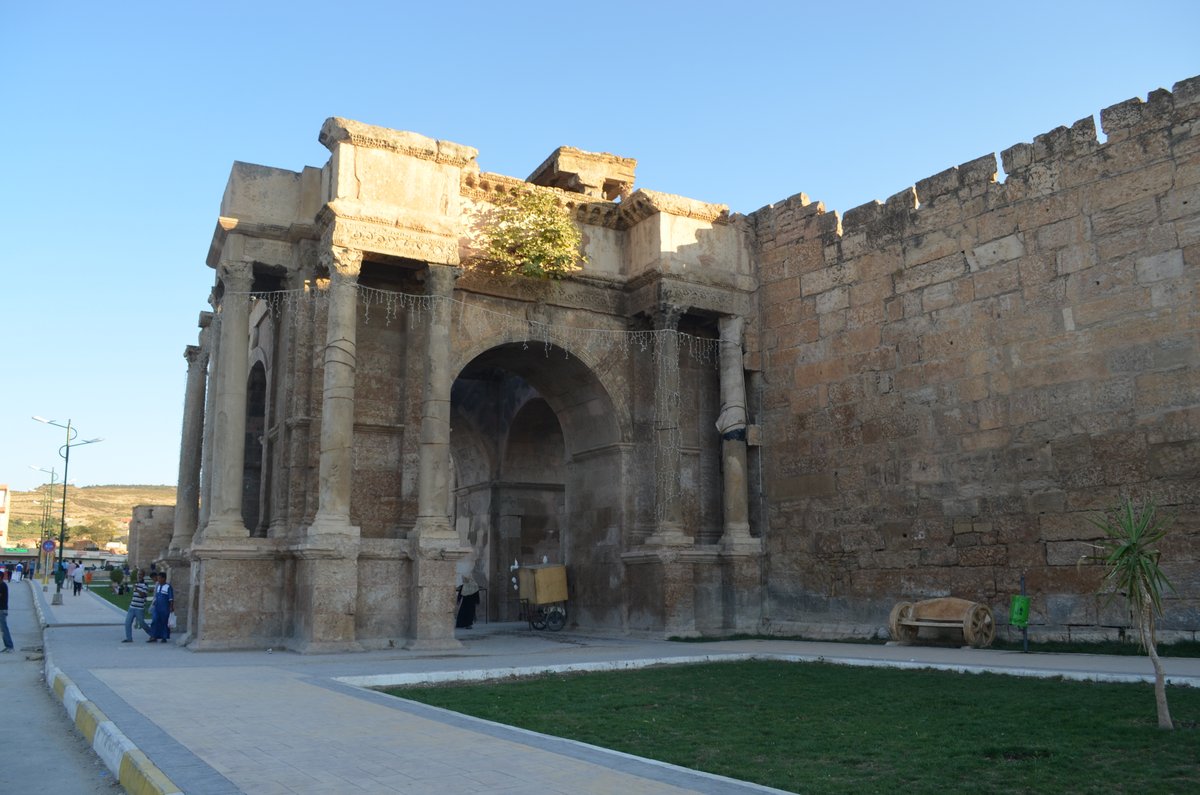
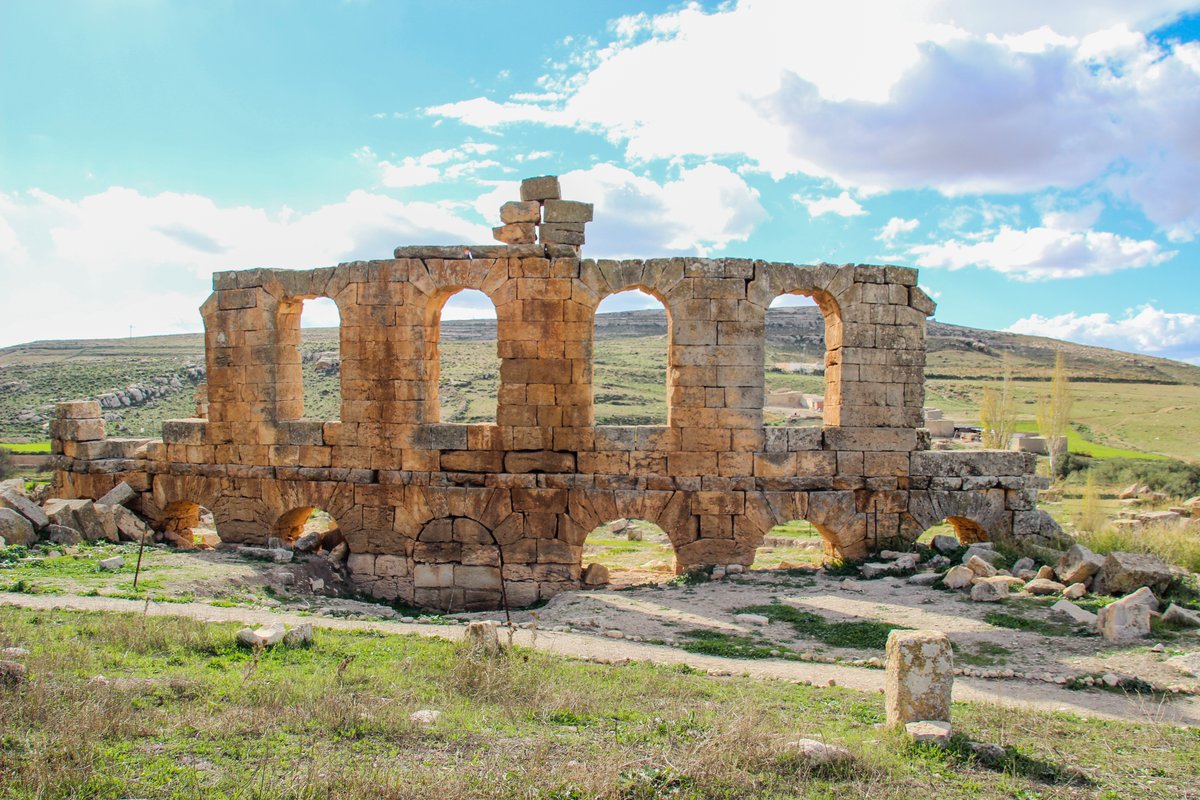
Visitors to the ruins near the current city of M'Daourouch can see a Roman mausoleum with some statues, a Roman theatre reduced in size because of a Byzantine fortification made in 535, and small Roman thermae. Other notable remains include a Roman basilica of the Byzantine era with three sections of columns, and several epitaphs with Latin inscriptions. The city also produced notable figures such as Apuleius, author of the novel The Golden Ass, and Saint Augustine of Hippo, who studied in Madauros in the 4th century.
Sources: Wikipedia, OpenStreetMap, Wikidata, Wikimedia Commons

Written by Mutabor
Discuss this with the author and others
No comments yet. Be the first to start the conversation.