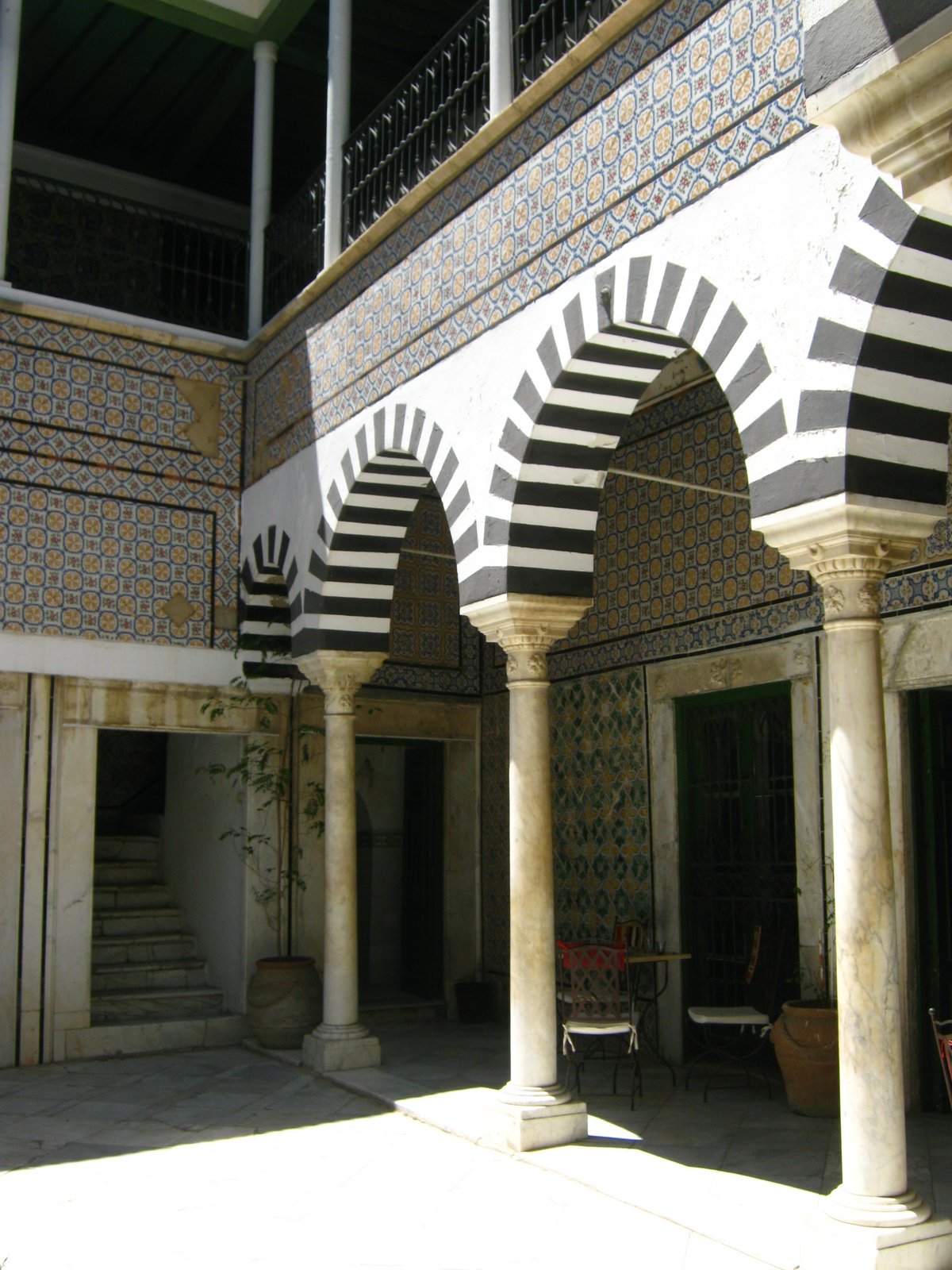

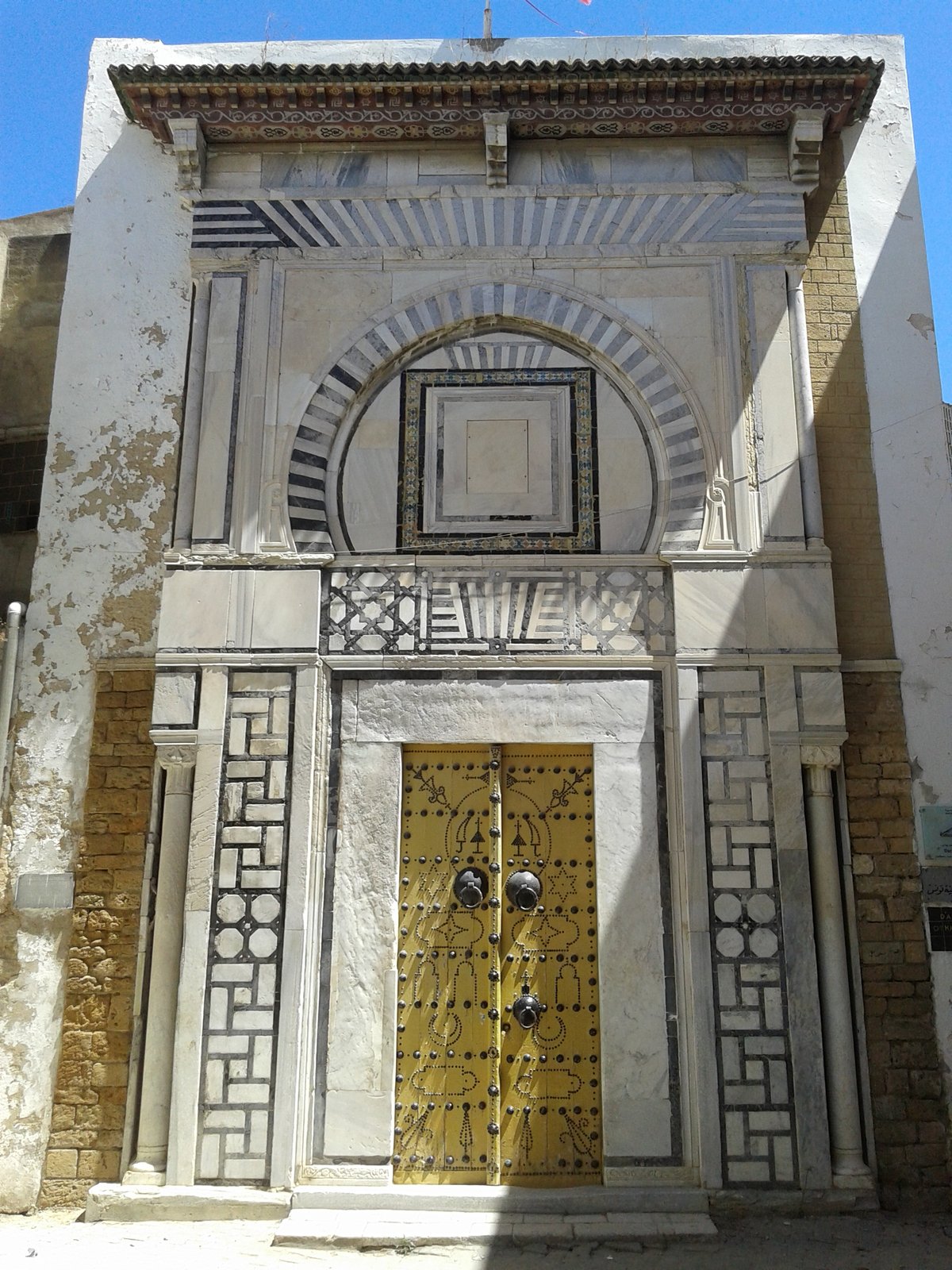
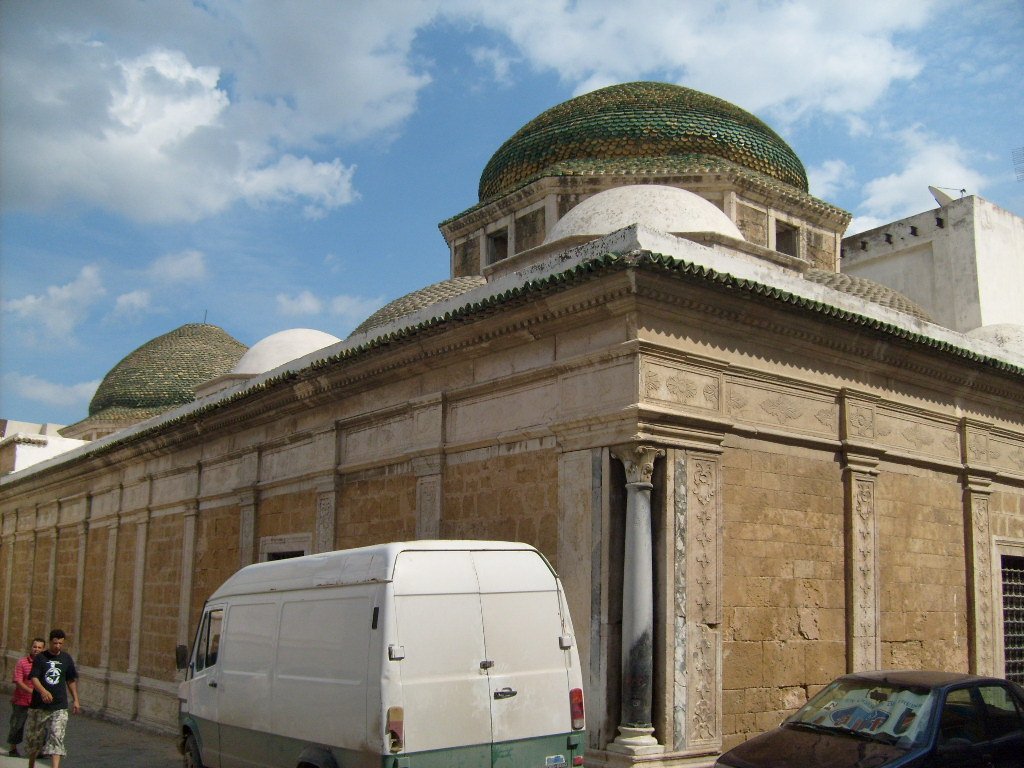
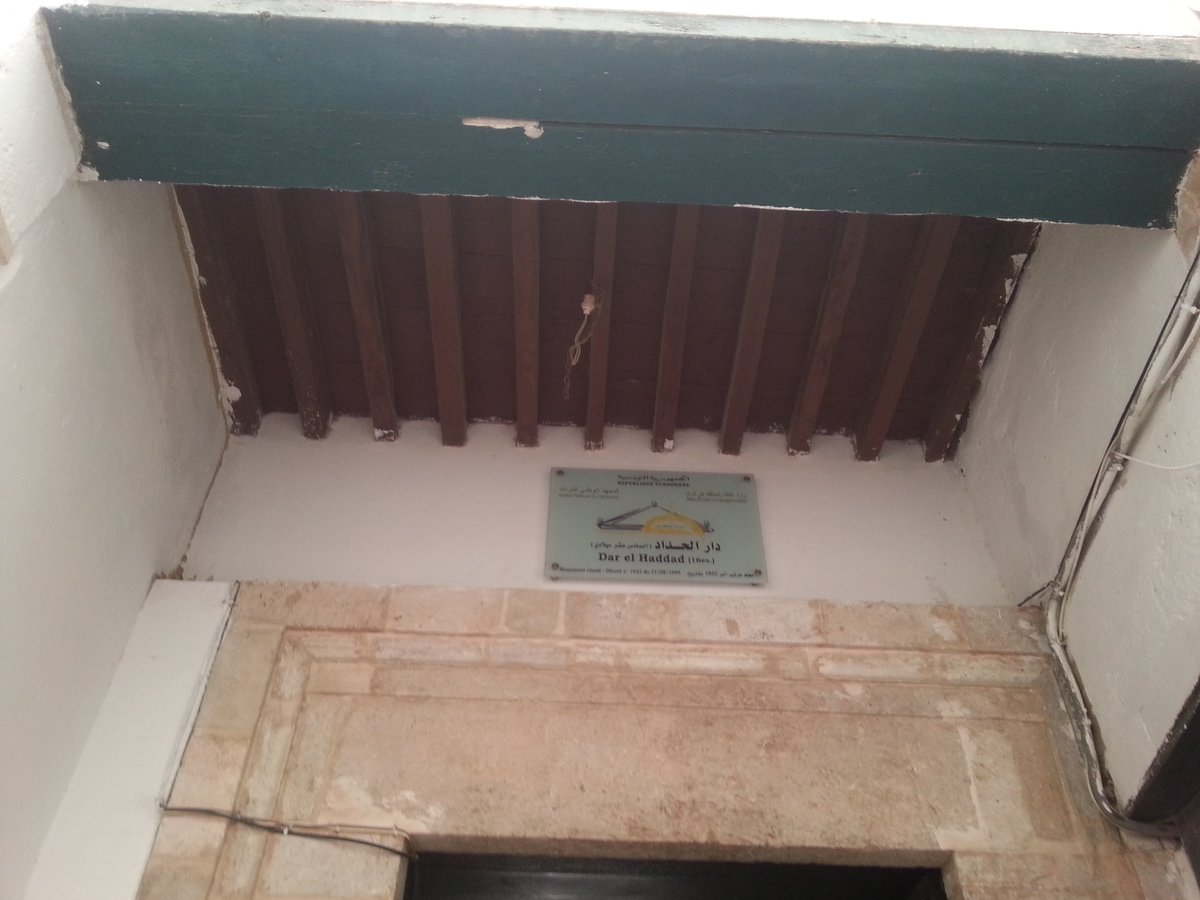
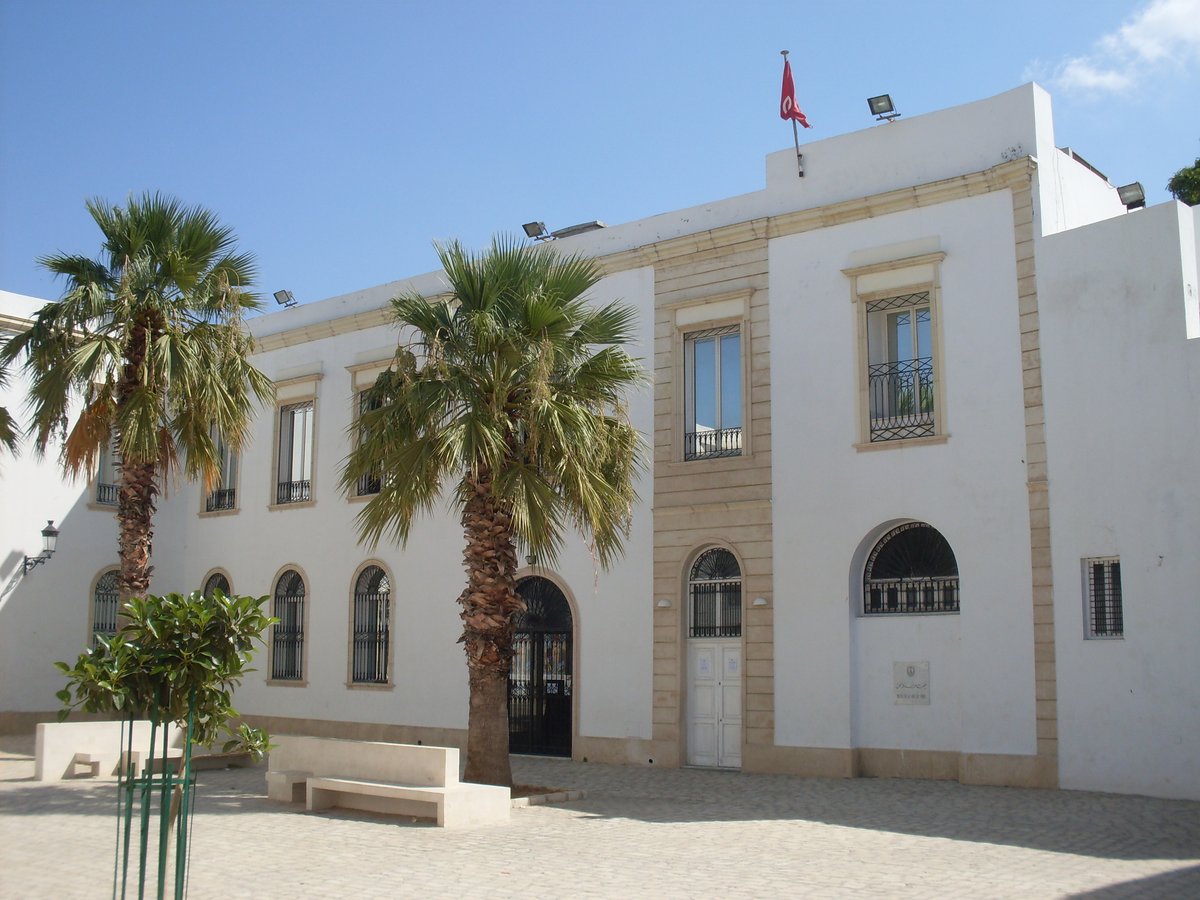
In the medina of Tunis, Tunisia, stands Dar Bach Hamba, a palace that has undergone many architectural modifications over the centuries. Founded in the 17th century by the Rassa family, who came from Tlemcen during the Hafsid dynasty, it became one of the richest palaces in the medina. The property was purchased by the Naccache family in the 18th century and later by Haj Ahmed Bach Hamba in 1789, the year he gave the palace its name.
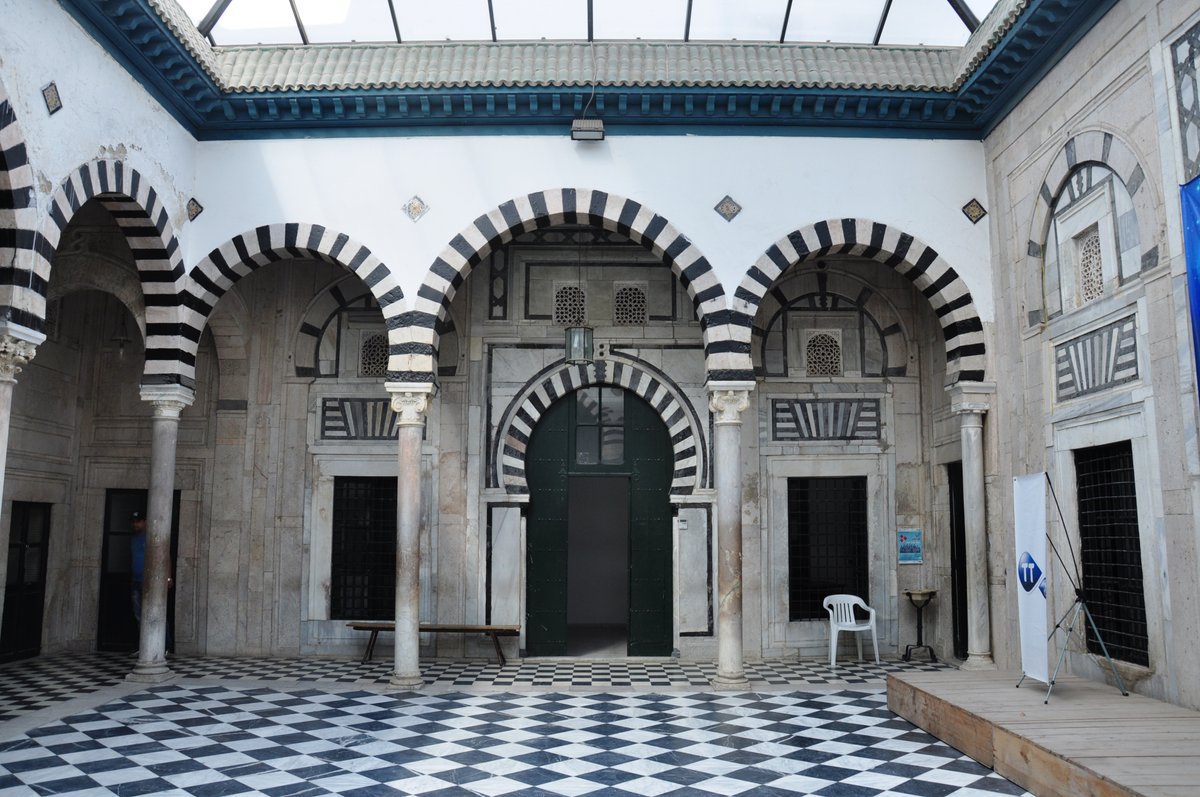
During the 17th to 18th centuries, the palace served as a residence for craftsmen and was considered a first-class residence for the nobility and bourgeoisie. Its layout follows a classical architectural plan, featuring a central patio surrounded by four decorated rooms. Unlike many other palaces in the medina where porticoes face each other, Dar Bach Hamba features porticoes on its northern and eastern sides. One of the rooms was converted into a chapel in 1932.
Dar Bach Hamba has served various purposes, including use as a school during the French protectorate and, until 2015, as the office of the Orestiadi Foundation. That foundation maintained a permanent exhibition of costumes, stuccos, and terracottas from across the Mediterranean to highlight common cultural ties. Since July 2015, the palace has hosted the L'Art Rue association, which organizes artistic workshops for children, concerts, and artistic residences to promote local heritage.
Sources: Wikipedia, OpenStreetMap, Wikidata, Wikimedia Commons
Written by Mutabor
Discuss this with the author and others
No comments yet. Be the first to start the conversation.