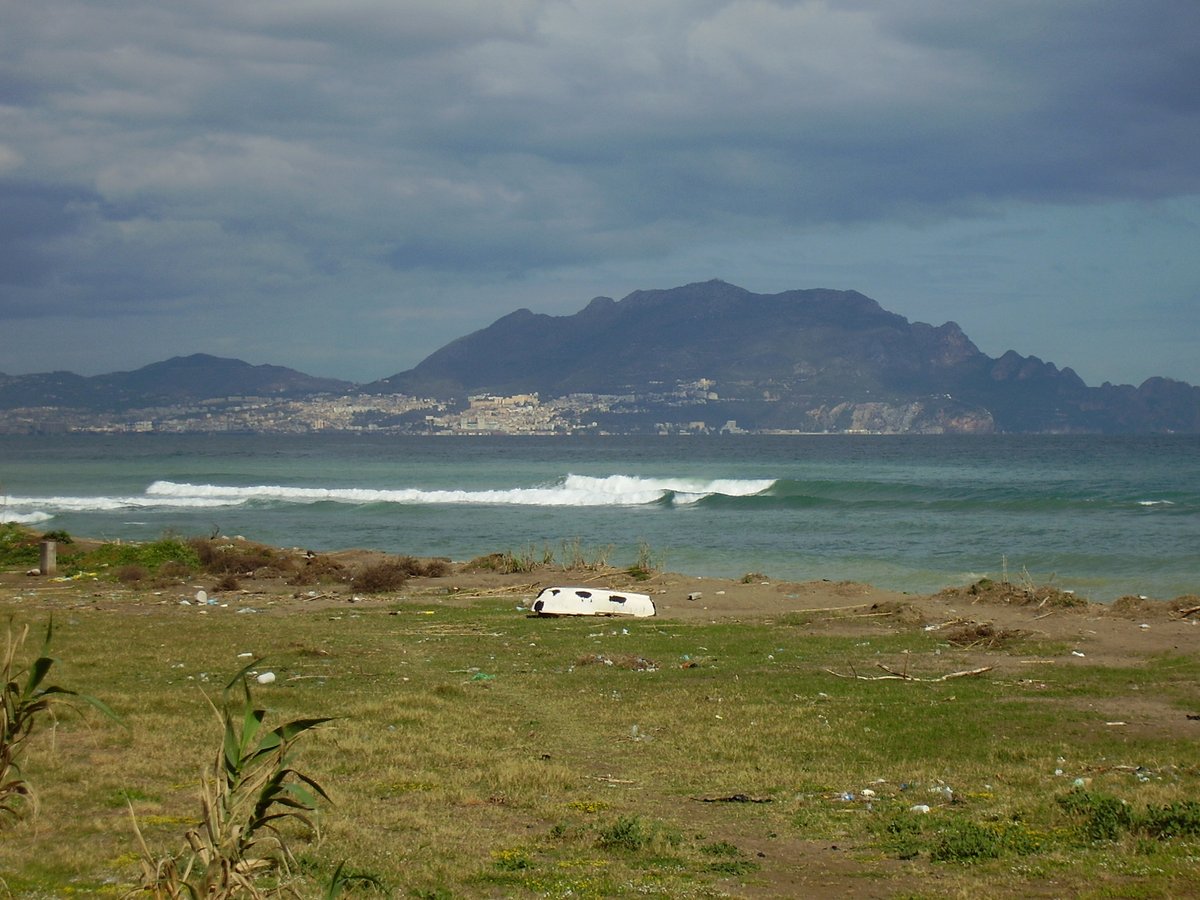

The name Yemma Gouraya has roots in local language and tradition. Yemma signifies mother in Kabyle. The name Gouraya is thought to mean protector of the mountain, with 'gour' meaning mountain and 'aya' meaning protector. Alternatively, it may be an Arabized version of the Berber term Igurayen or Iyurayen, which literally means the followers of the moon or the lunarians.
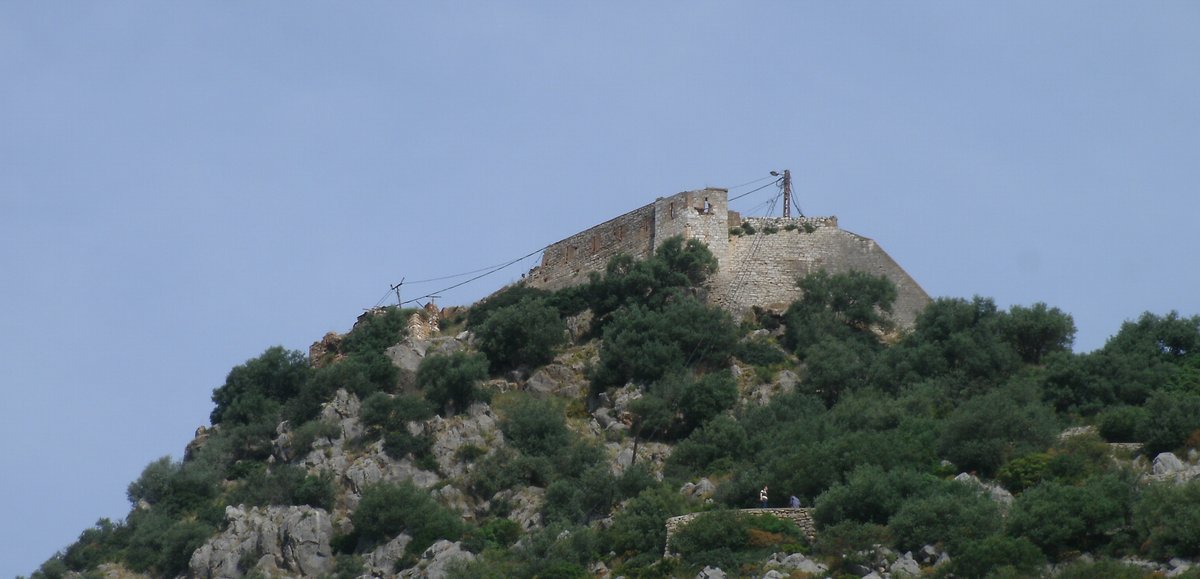
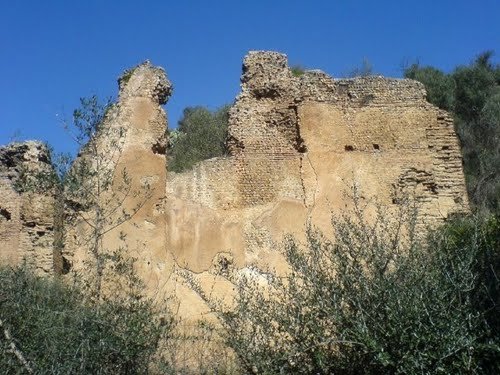
Before it was named Yemma Gouraya, the mountain was known as Amsiwen during the Middle Ages. It rises to 660 metres in altitude north of Béjaïa. At its summit, a fort serves as a watchtower over the region. The fort was built in the 16th century and later remodeled in the 19th century on the site of a shrine that was destroyed in 1833.
Tradition says that Yemma Gouraya was the sister of other saints, including Yemma Mezghitane of Jijel and Yemma Kouda of Makouda. While it is said to be the burial place of the city's patron saint, Yemma Gouraya, there is no archaeological evidence to confirm this.
Today, the mountain is part of the Gouraya National Park. It is a protected area and a popular tourist destination, welcoming about 1,200,000 visitors every year, particularly during the summer months.
Sources: Wikipedia, OpenStreetMap, Wikidata, Wikimedia Commons
Written by Mutabor
Discuss this with the author and others
No comments yet. Be the first to start the conversation.