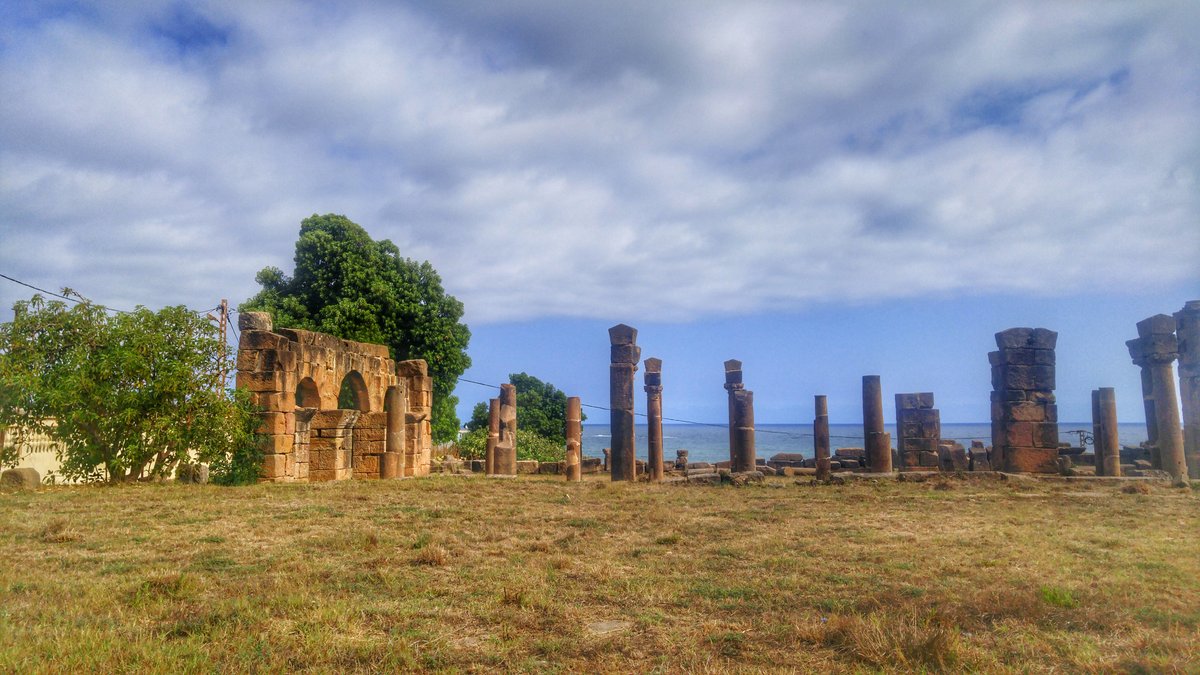

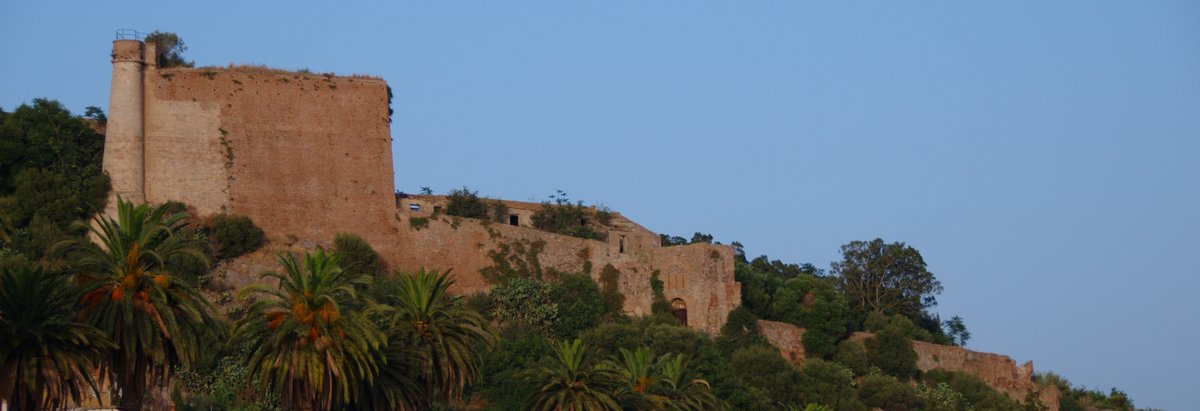
Iomnium, also known as Strong Island, was a colony of the Carthaginian Empire established on the maritime trade route between Phoenicia and the Strait of Gibraltar. It served as a port for the fortress of Rusippisir, located 3 km to its east. Iomnium was a Phoenician, Carthaginian, and Roman port on Algeria's Mediterranean coast. Under Roman rule, Iomnium had the status of a native city (civitas) in the province of Numidia.
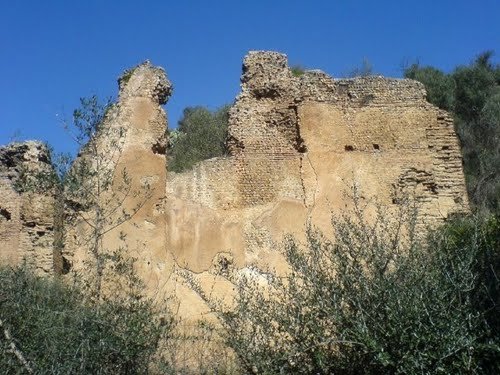
Excavation has revealed a moderately-sized Roman emporium with a forum, temple, courthouse, and magistrates' office. Its Roman streets were laid out on a grid. A public bath and ornamental mosaic have been found, with inscriptions and statues scattered around. One of the most notable structures is the great basilica, also referred to as the cathedral. It stands between the Byzantine and Roman ramparts, separated from the latter by only a few metres. The basilica belonged to a rare category of Christian basilicas characterised by double colonnades separating the nave from the aisles on both sides.
Building A, a vast quadrangle adjacent to the temple, has some remarkable architectural features. Columns have been discovered, some partially buried, with two columns standing upright at a depth of 2.50 metres. An inscription found inside mentions the towns of Rûsuccuru and Iomnium, suggesting a civic or religious use, perhaps linked to trade or worship.
Sources: Wikipedia, OpenStreetMap, Wikidata, Wikimedia Commons
Written by Mutabor
Discuss this with the author and others
No comments yet. Be the first to start the conversation.