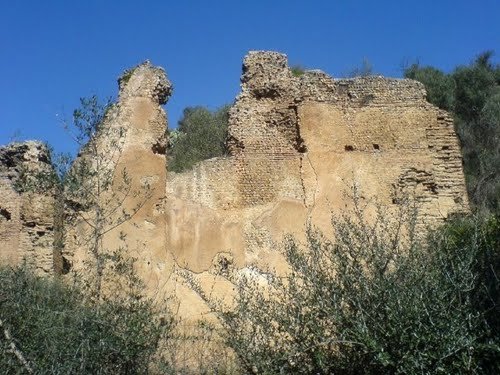

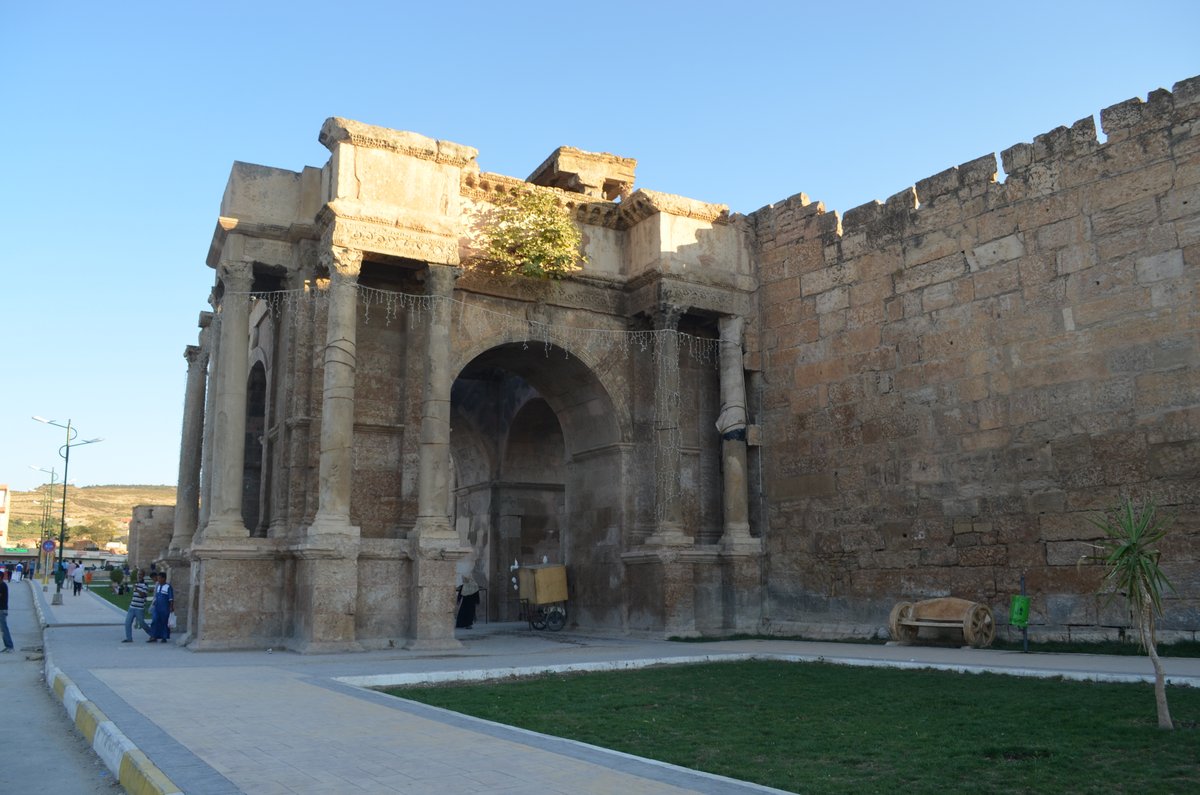
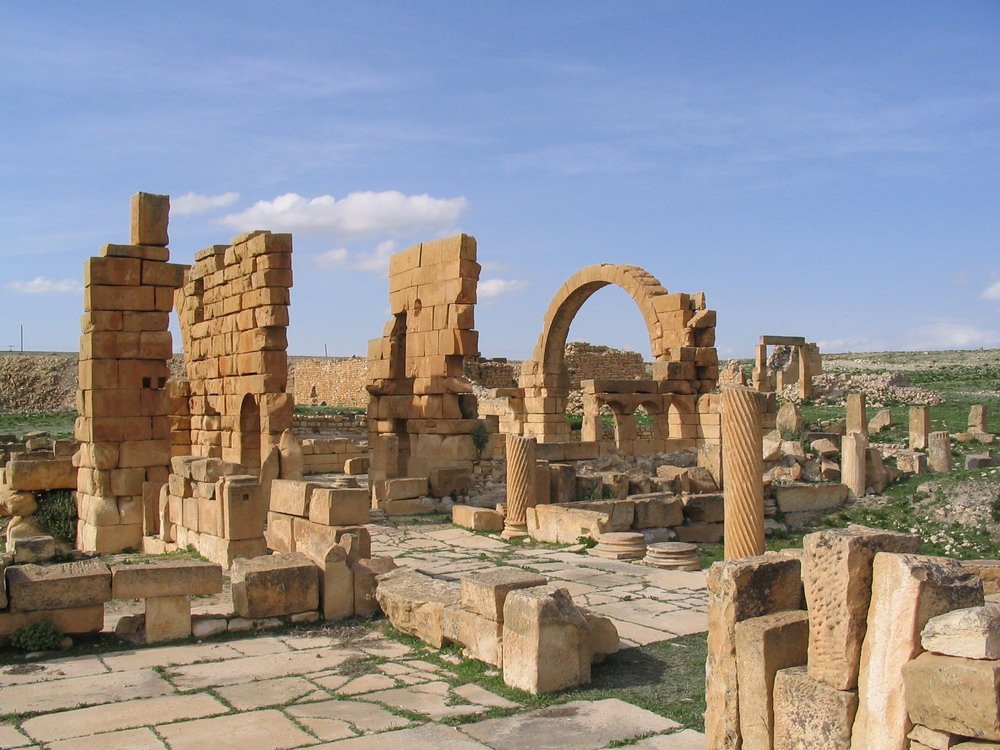
Tubusuctu, also known as Colonia Iulia Augusta Legionis VII, was a Roman colony founded by Augustus for military veterans. Located in a valley on the left bank of the Soummam river near El Kseur, the town flourished from 330 BC until AD 640. The region was known for its olive oil, and jars from Tiklat have been found throughout the Roman Empire, proving its commercial importance at the beginning of the Christian era.
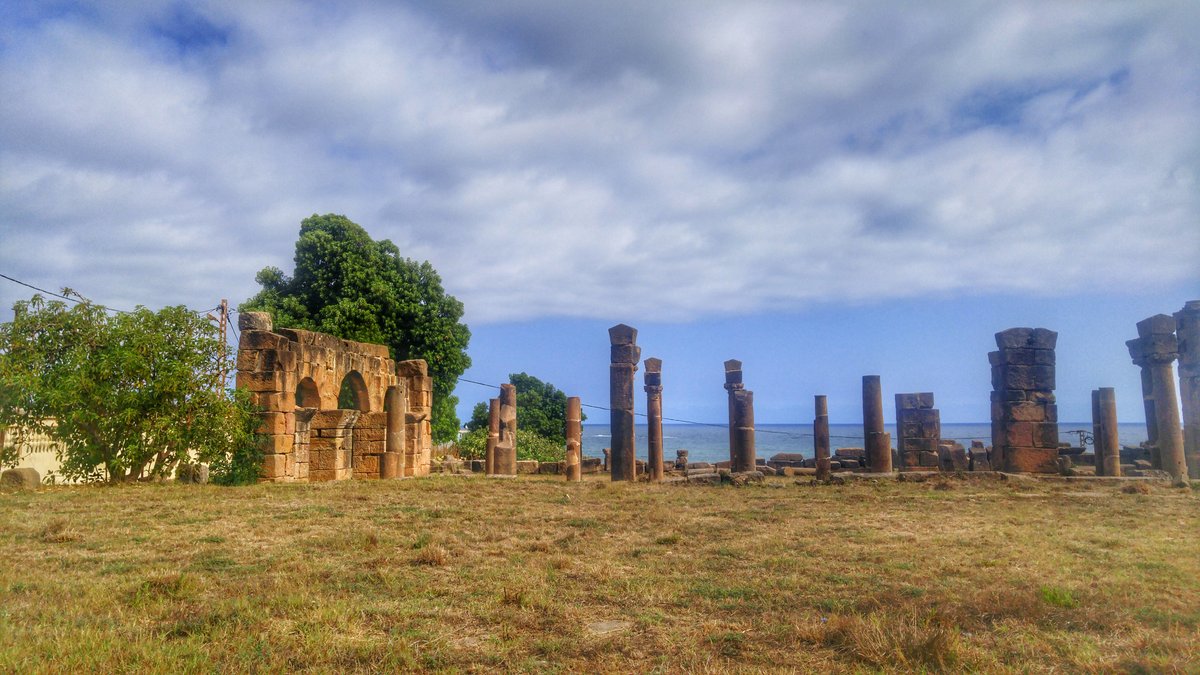
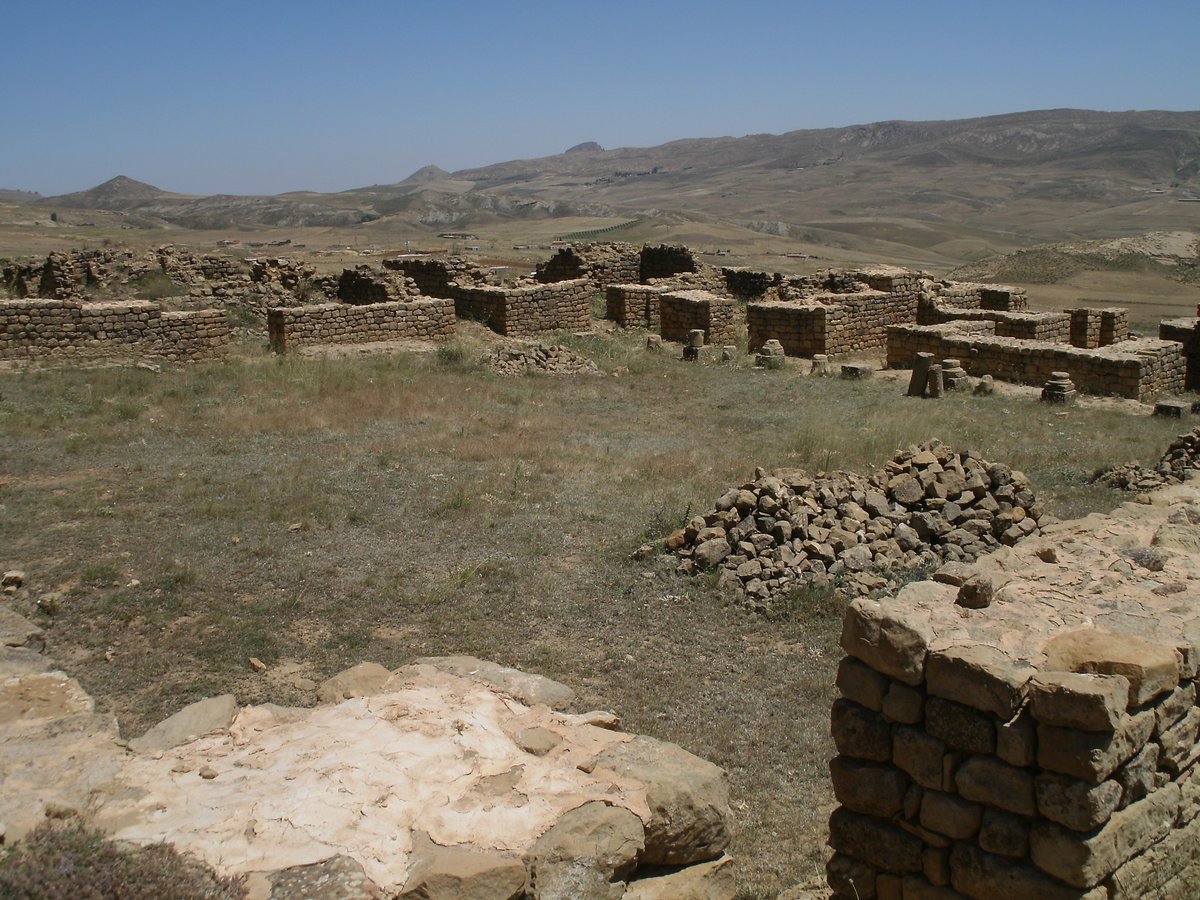
The site was populated by the soldiers of the Legio VII Claudia, who eventually merged into the local population of the Soummam River valley. The ruins today include an aqueduct, well-preserved thermal baths, and an almost intact mosaic. Important waterworks were established to serve the site, which became a center for a military district during the late Roman period, a time characterized by numerous revolts in the 3rd and 4th centuries.
Several inscriptions survive in the ruins, and the town is attested in the writings of Pliny, Ptolemy, and Ammianus Marcellinus. In the late Roman period, it became a center for early Christianity, with bishops recorded in 411 and 484. While the archaeological district of Béjaïa plans to preserve the site today, the ruins have suffered from local cultivation over the centuries.
Sources: Wikipedia, OpenStreetMap, Wikidata, Wikimedia Commons
Written by Mutabor
Discuss this with the author and others
No comments yet. Be the first to start the conversation.