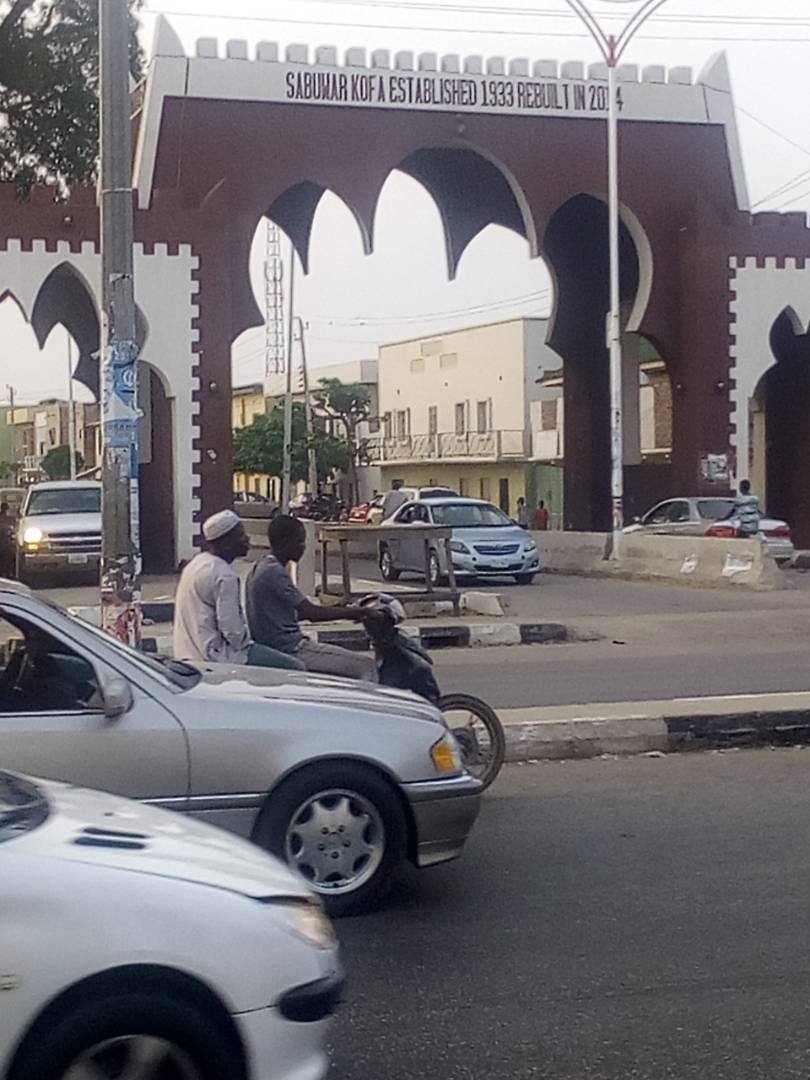

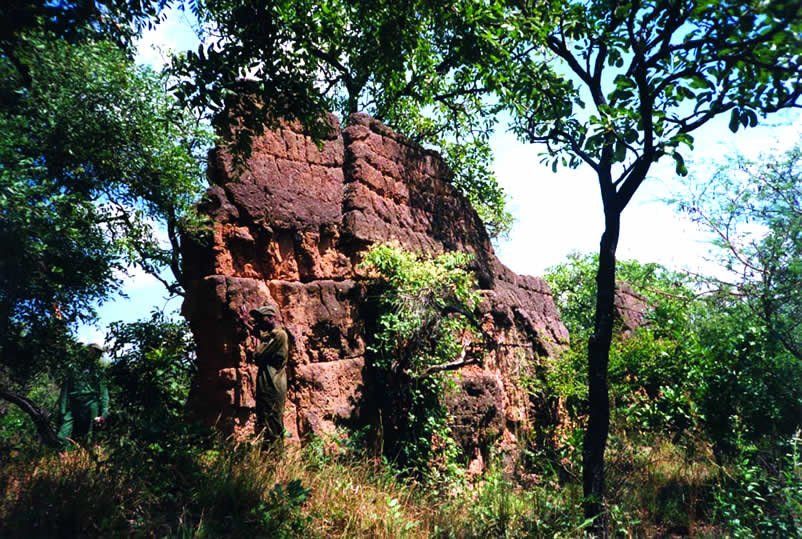
The Ancient Kano City Walls, known in Hausa as Ganuwa, were built as defensive structures to protect the inhabitants of the ancient city of Kano. Construction began with the foundation laid by Sarki Gijimasu, the third king of the Kingdom of Kano, between 1095 and 1134. The walls were completed in the middle of the 14th century during the reign of Zamnagawa and were later expanded during the 16th century. Historians describe the walls as the most impressive monument in West Africa.
Originally, the walls had an estimated height of 9.1 to 15.2 meters and were about 12 meters thick at the base. There are 15 gates situated around the perimeter of the walls, which encompass Dala Hill, Kurmi Market, and the Emir's Palace.
In a 1903 report, Fredrick Lugard wrote about the walls after capturing the ancient city of Kano along with British forces. He stated that he had never seen anything like them in Africa. Today, the structures remain a significant part of the historical landscape of Kano.
Sources: Wikipedia, OpenStreetMap, Wikidata, Wikimedia Commons


Written by Mutabor
Discuss this with the author and others
No comments yet. Be the first to start the conversation.