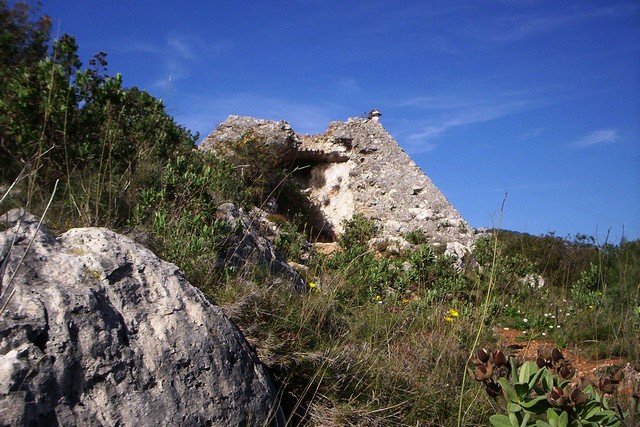

Situated in the rural landscape of Falicon, near the French Riviera, lies a peculiar structure that stands as one of Europe's few pyramids - the Falicon pyramid. Built above the karstic cave known as the 'Cave of the Bats', it's a historical monument shrouded in mystery.
The exact purpose and origins of the pyramid remain undisclosed. Some have proposed that it could have been constructed by Roman legionaries participating in Egyptian cult practices, but this idea has been challenged. According to more recent research, the pyramid was actually erected between 1803 and 1812, during the rule of Napoleon Bonaparte.
Construction of the pyramid took place after Napoleon's 1798–1801 campaign in Egypt and Syria, which profoundly affected French culture and architecture, including the emergence of the Egyptomania wave. This cultural movement led to the importation of Egyptian design elements into European construction, with French troops introducing sketches, artifacts, and vivid accounts of ancient Egyptian monumentsBack in Provence, near Nice, returning soldiers from the campaign likely disseminated these ideas among local builders and elites, which may have contributed to the emergence of pyramid-inspired constructions during the early 19th century. The Falicon pyramid, perched in the hills above the village, mirrors this trend, potentially standing as a folly or memorial echoing the exotic appeal of the ancient Egyptian pyramids that symbolized enlightenment and imperial ambition under Napoleon.
Today, the pyramid stands as a preserved monument, inviting curiosity and speculation about its origins and purpose. The captivating history of the Falicon pyramid offers a glimpse into the cultural iconography popularized during the Napoleonic era, making it a unique destination for history enthusiasts.
Sources: Wikipedia, OpenStreetMap, Wikidata, Wikimedia Commons
Written by Nicolo Ciampini
Discuss this with the author and others
No comments yet. Be the first to start the conversation.