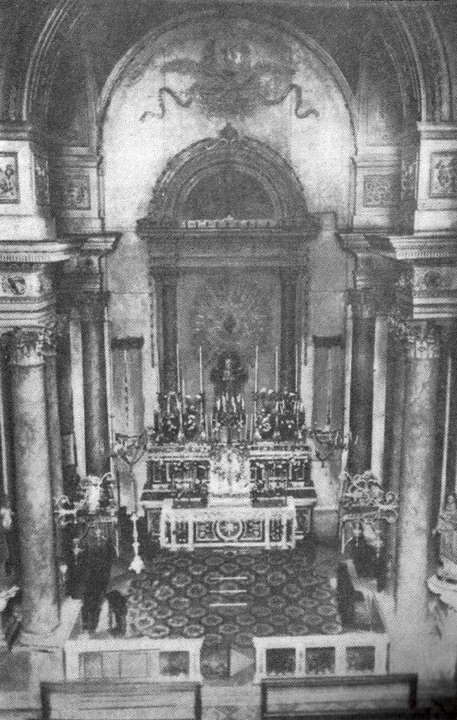

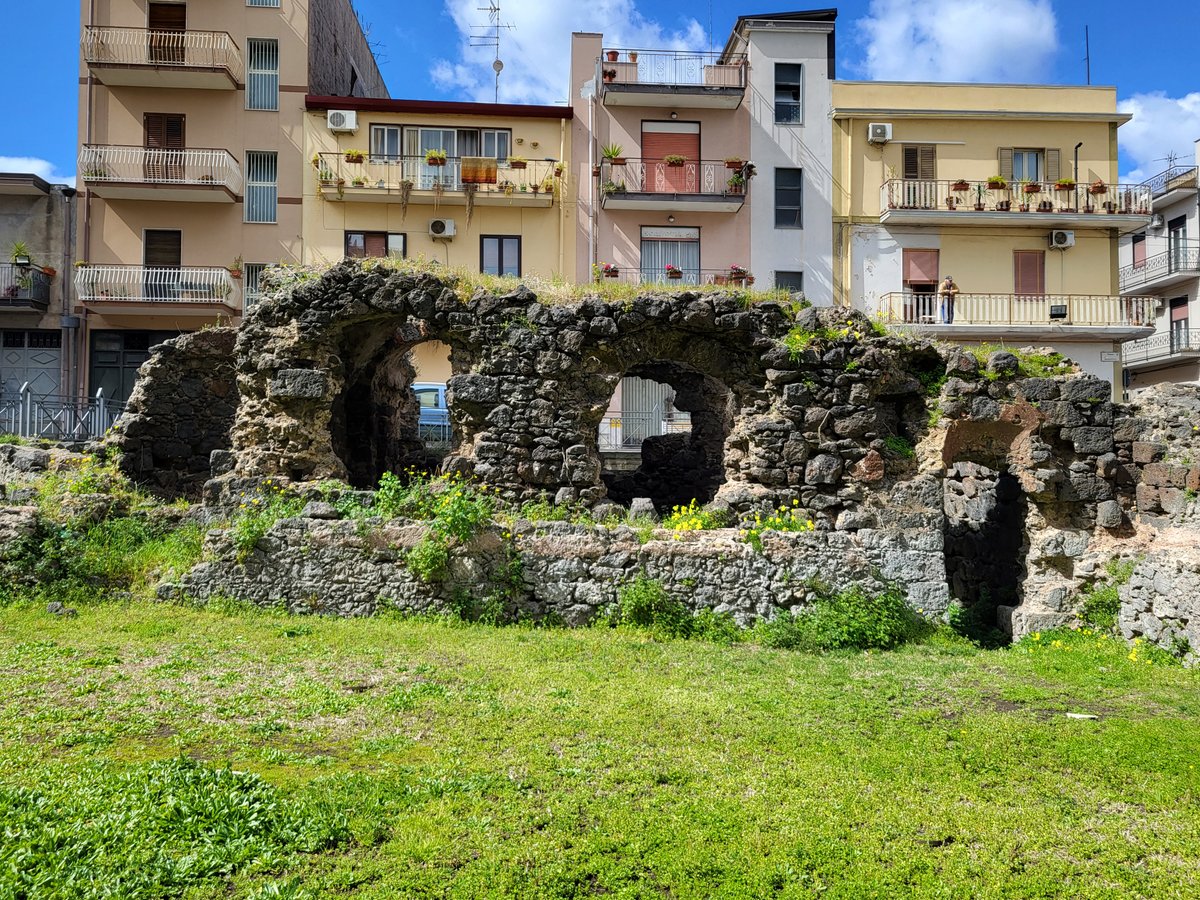
The ruins of the old church of Sant'Euplio are all that remain of a 16th-century building that could not survive the heavy bombing of 1943. While the rest of the structure was destroyed, the northern and western walls were spared, standing as visible remains of the old building. The floor around the site was later repaved in Sicilian terracotta.
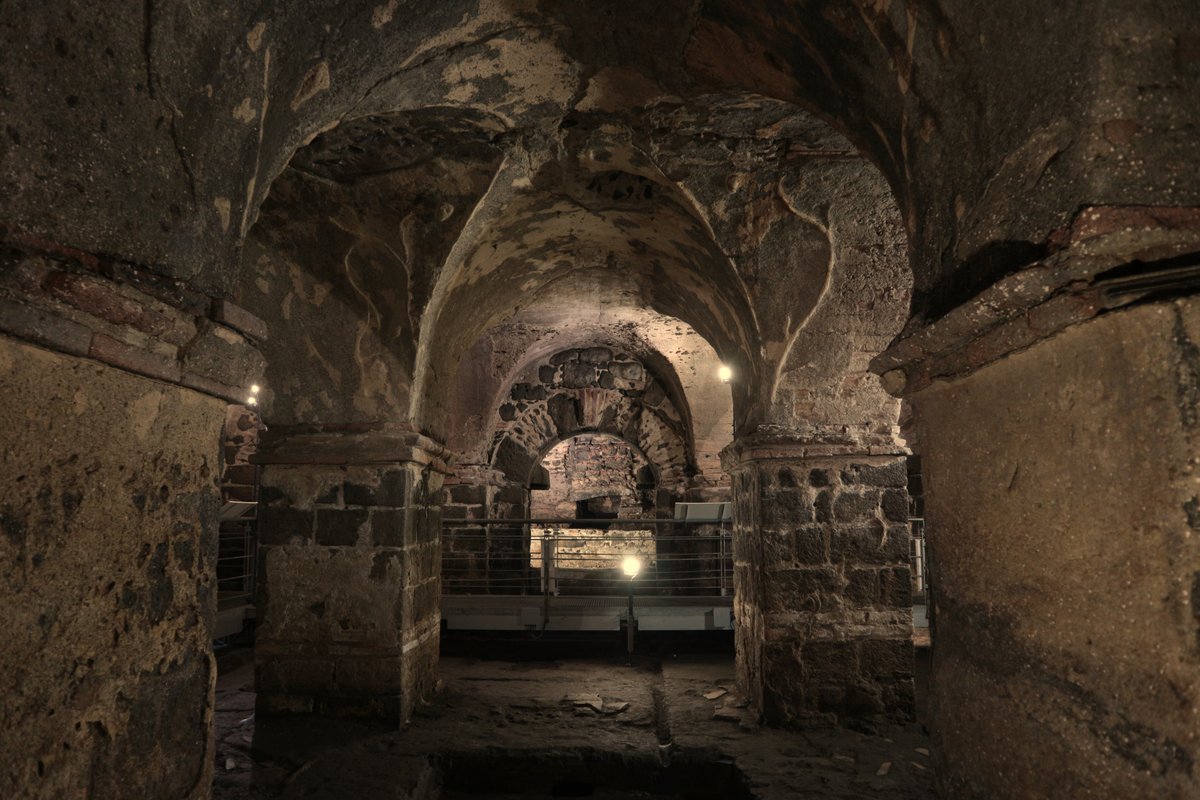
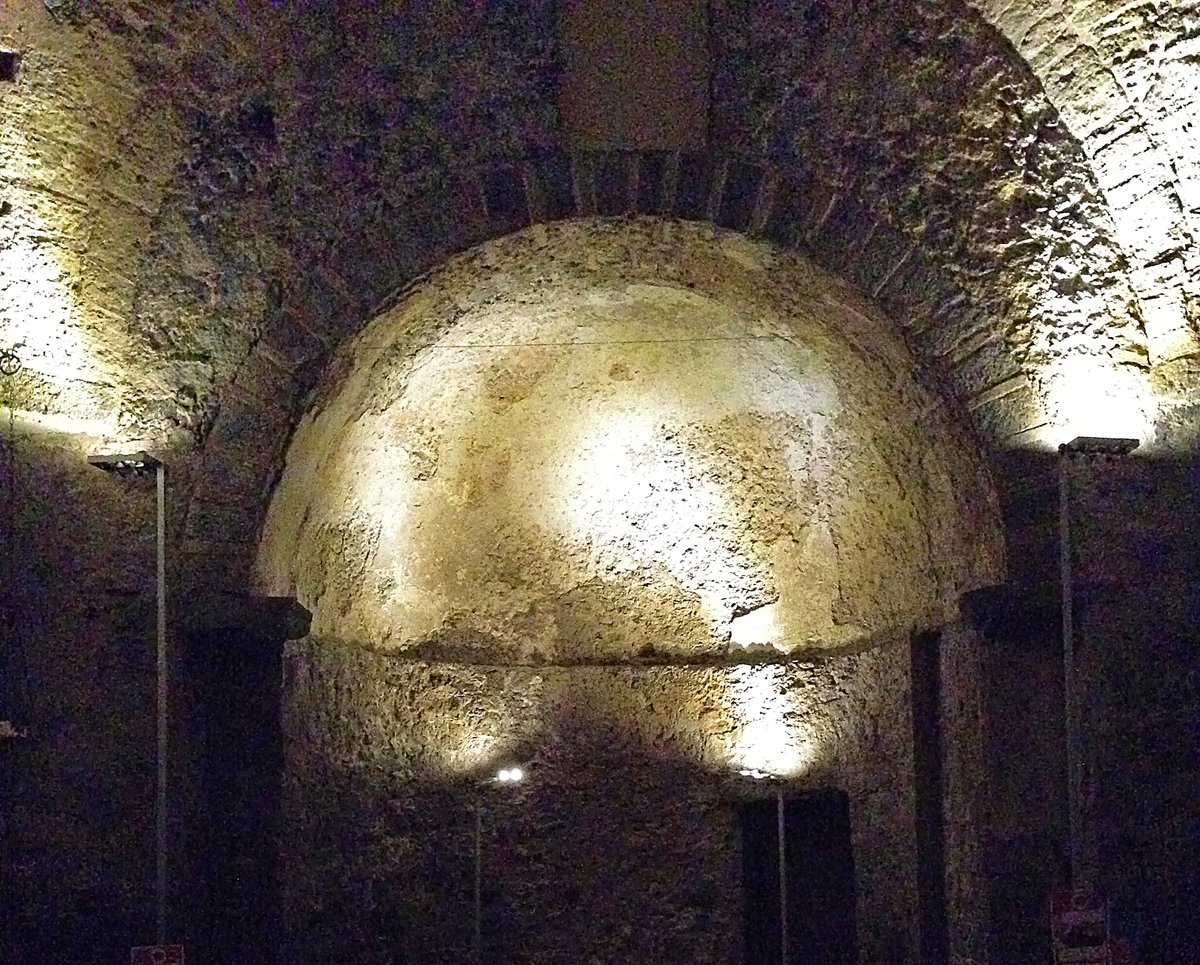
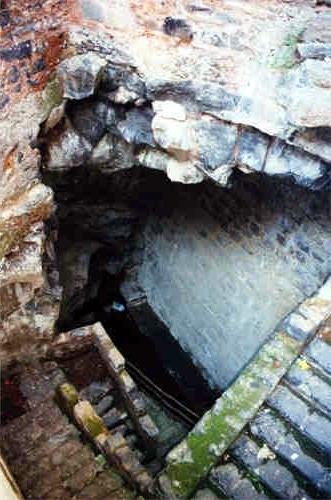
At the entrance, on the left side of the floor, the continuation of the masonry staircase leads down into a Roman hypogeum. This space was originally a late-antique place of worship or perhaps a tomb. Local tradition suggests it was the location of the saint's imprisonment, while other scholars identify it as a tomb and a place of worship from late antiquity.
Deep in the hypogeum, you can see niches and traces of ancient paintings that have survived for centuries. Today, the site remains a place of religious rite, especially on 12 August for the date of the saint's martyrdom. On this date, a celebratory mass is held in the remains of the upper church.
Sources: Wikipedia, OpenStreetMap, Wikidata, Wikimedia Commons
Written by Nicolo Ciampini
Discuss this with the author and others
No comments yet. Be the first to start the conversation.